Language


 No results found

How to fix mobile data not working on Android
If mobile data is not working on Android, refreshing it with Airplane Mode or checking that Data Roaming is enabled for international travel is often enough to restore access. These quick checks usually help get things working again, whether you’re using your regular local plan or a recently activated eSIM. Below, you’ll find the key settings to review so your device can get back online smoothly and with confidence.
Common reasons mobile data isn’t working on Android
- The device hasn’t finished registering with the network yet, which often happens right after activation or before the connection fully refreshes.
- The device is locked to a specific carrier, so even if it supports eSIM technology, it can’t connect to other networks.
- An unused physical SIM or secondary line is still turned on, creating conflicts when Android tries to choose a data line.
- Mobile data settings aren’t configured correctly, the system software is outdated, or the eSIM setup wasn’t completed properly.
- A mobile data limit is enabled on the device, automatically blocking internet access once the usage threshold is reached, even though data appears active.
- Local coverage is weak or temporarily congested, especially in busy areas where many devices are using the same network.

Quick fixes to restore service on Android
These basic checks often bring mobile data back on your Android device without needing bigger changes.
- Toggle Airplane Mode by turning it ON for about 15 seconds and then OFF again. This refreshes the network connection and often fixes cases where mobile data is on but not working on Android.
- Turn off unused SIMs or secondary lines if your phone supports multiple SIMs. Leaving inactive lines enabled can interfere with how Android assigns mobile data.
- Restart your device to clear temporary glitches that may block internet access, even when signal bars appear.
- Check the active data line to confirm mobile data is enabled on the correct SIM or eSIM in network settings.
Troubleshooting tips
If mobile data still isn’t working after the basic checks, these settings help Android complete network registrations and restore data access.
Note: It’s important to confirm that your eSIM was installed and activated correctly. If you’re unsure about the setup on your Samsung, Google Pixel, Huawei, Xiaomi, Honor, Vivo, Motorola, Nokia, Sony, or OnePlus device, reviewing the installation steps for your specific model can help avoid configuration issues later on.
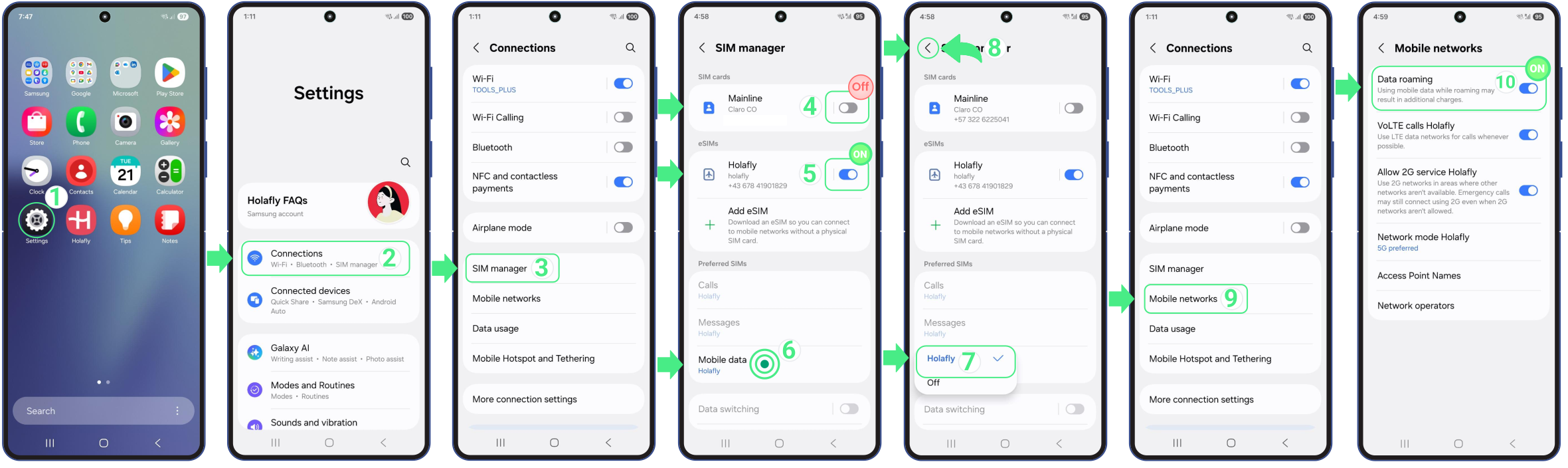
1. Enable data roaming on Android
This setting is needed only for your travel eSIM, not for your personal line. It allows the eSIM to connect to local networks after activation. You can turn it on in a few quick steps:
- Go to Settings → Tap Connections → Select SIM manager → Turn OFF your personal SIM → Turn ON your travel eSIM → Enable Mobile data → Select your eSIM for mobile data (for example, your Holafly eSIM) → Go back to Connections → Tap Mobile networks → Turn Data Roaming ON.
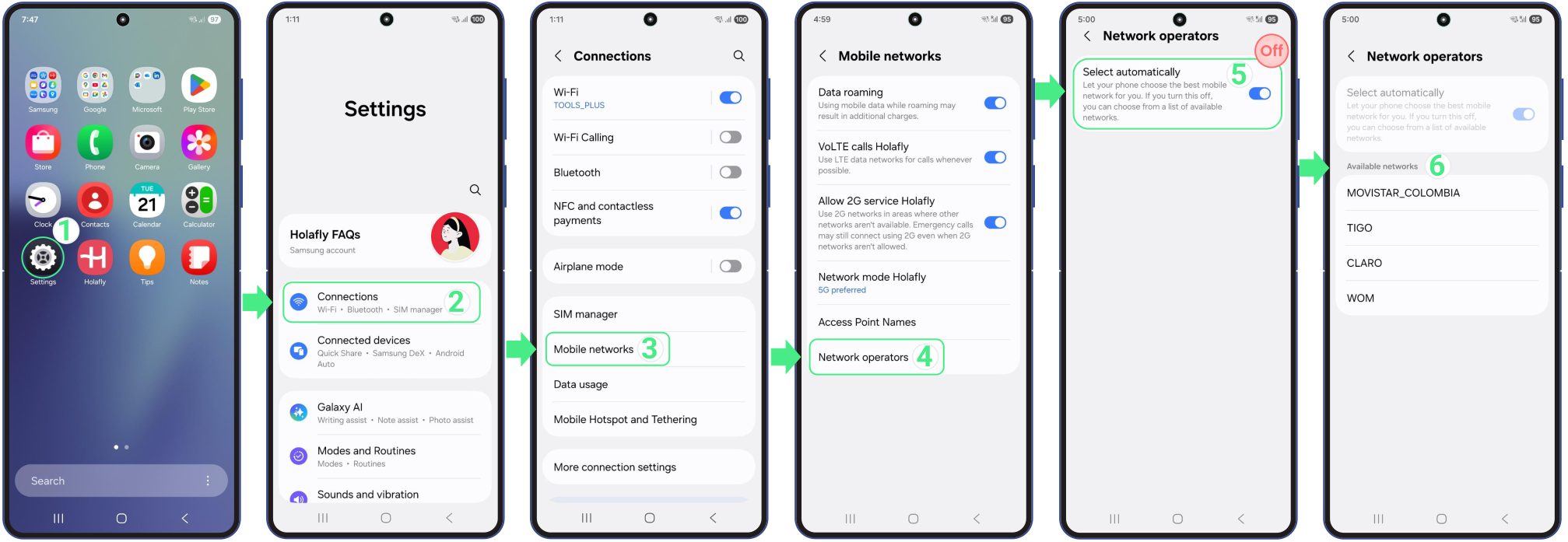
2. Manually select a network operator
This step is especially useful when mobile data is not working on Android, as it forces your device to register with a specific local network instead of continuing to search automatically. You can trigger this manual selection directly from your settings:
- Go to Settings → Tap on Connections → Select Mobile Networks → Choose Network operators → Disable the Select automatically option and wait for available operators to load → Then try one by one all the operators listed (each time you select one, wait 30 seconds while it connects to the network) → Choose the operator with the best signal for you → Test your network.
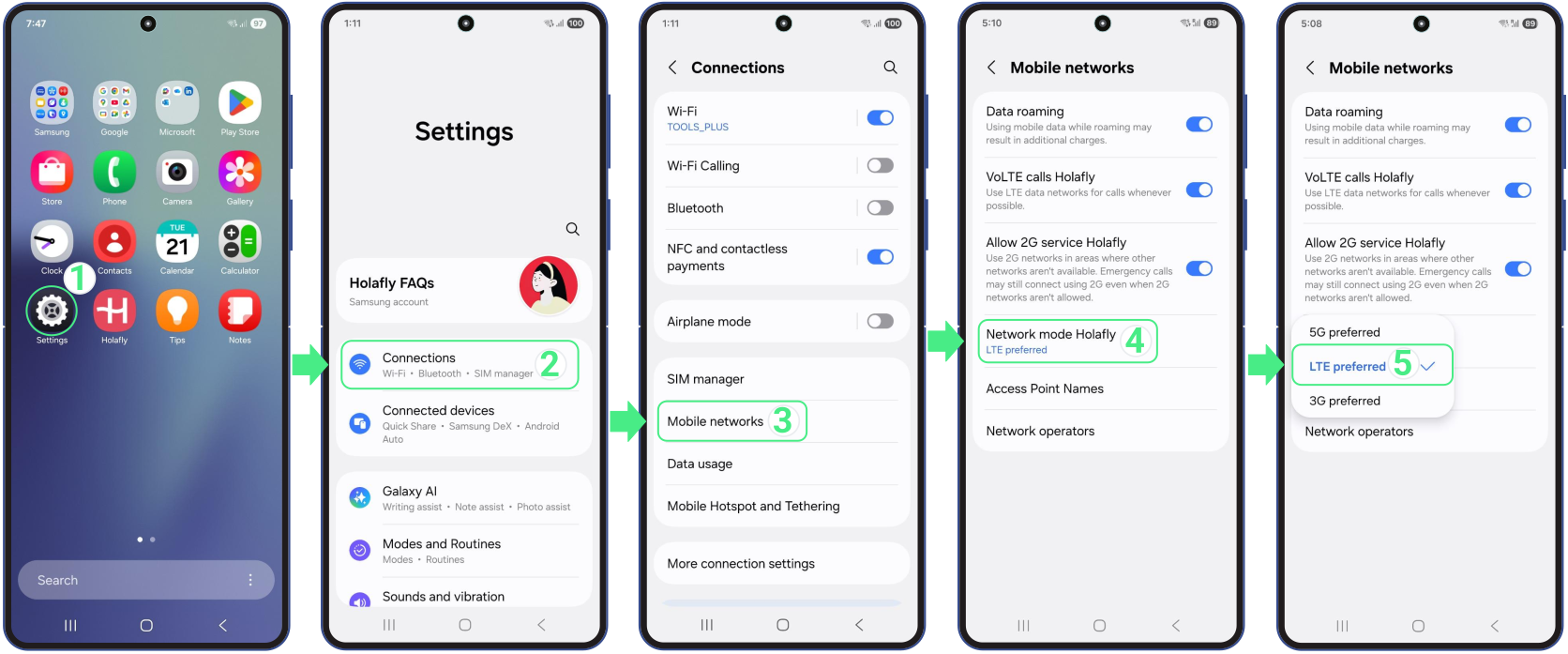
3. Switch to LTE or 4G
If your mobile data is on but not working, the local network in your area may be experiencing temporary instability or high traffic. Switching to a 4G or LTE signal often provides more stable data access by locking onto a less congested frequency. Follow these steps to adjust your preferred network type:
- Go to Settings → Tap on Connections → Select Mobile Networks → Tap Network mode → Select 4G or LTE → Choose the one that generates the best signal for you → Test your network.
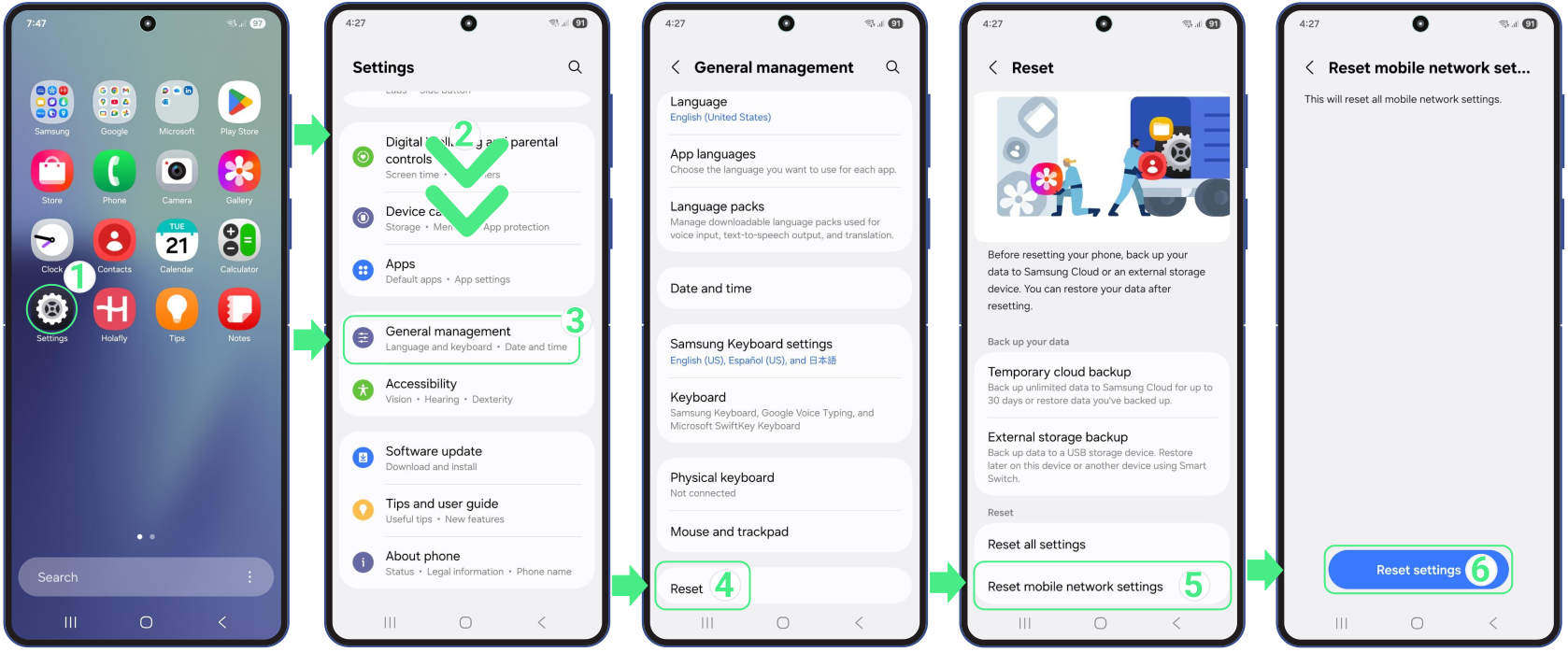
4. Reset network settings
This process refreshes your network setup and helps to remove conflicts that may be blocking mobile data while keeping your eSIM active. To clear these settings, follow the steps below:
- Go to Settings → Scroll down → Select General Management → Then on Reset → Choose Reset mobile network settings (if you're prompted to enter a PIN, enter the code you use to unlock your screen and then tap Next) → Confirm your selection with the Reset settings option.