Language
What is Turkey known for? 15 interesting facts about Turkey
Discover what Turkey is known for including cultural diversity, world-famous landmarks, and an incredible food scene. Stay connected on your travels with Holafly.

Turkey is mainly known for its location spanning two continents, its collection of ancient Roman and Ottoman ruins, and its world-famous culinary scene. Istanbul’s architectural marvels and hot-air balloon rides over Cappadocia’s “fairy chimneys” are also two popular experiences the country is renowned for. We’ll cover each of these unique elements, along with many more, including Turkish cuisine, ancient ruins, and the famous “evil eye” amulet.
Overall, Turkey offers an overload of history and flavour in the best possible way. If you’re headed there soon, grabbing Holafly’s eSIM for Turkey is the easiest way to stay connected throughout your journey.

Peace of mind before you fly
Set up your eSIM before travel and get unlimited data on arrival.
1. A bridge between two continents
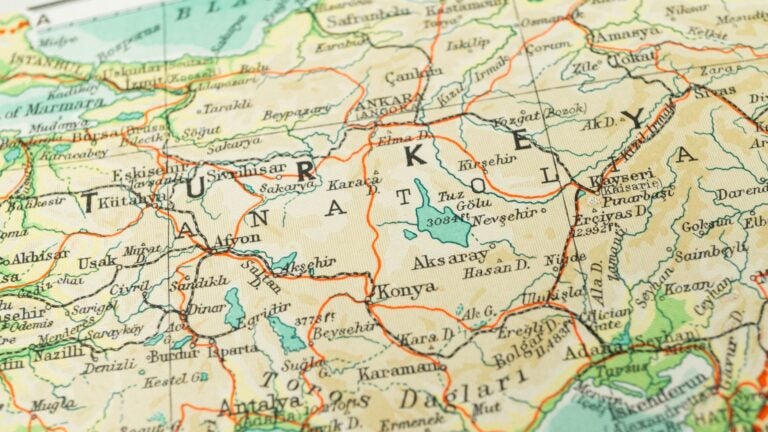
One of the most popular things Turkey is known for is its geographical location. It’s the only country in the world that sits on two continents: Europe and Asia, 95% in Asia and 5% in Europe. Because of the bridge between the East and West, Turkey is a melting pot of cultures, religions, and traditions.
2. Istanbul — The legendary city

Istanbul was previously known as Byzantium and later Constantinople, and served as the capital of the Roman, Byzantine, and Ottoman Empires. It has many famous landmarks, including the Blue Mosque, Topkapi Palace, and the Hagia Sophia, which has transitioned from a church to a mosque, then to a museum, and back to a mosque.
Istanbul is also famous for the Bosphorus Strait, which separates the two continents. It also offers some of the most scenic ferry rides in the world. For more tips on navigating this metropolis, check out our guide on cities to visit in Turkey.
3. World-class Turkish dishes
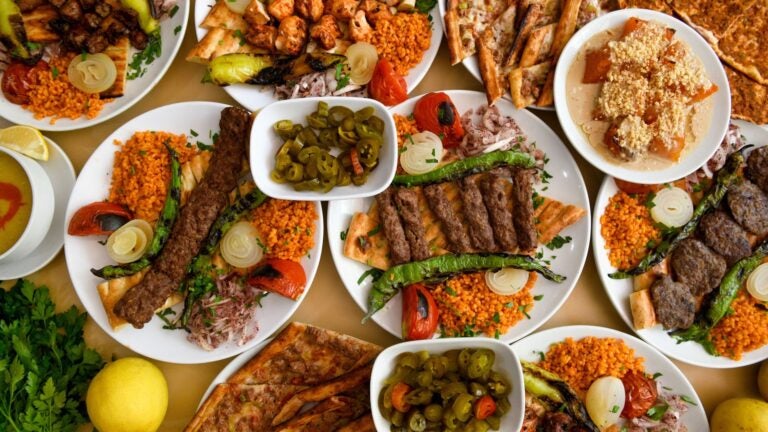
One thing you can’t leave out when discussing what Turkey is known for is Turkish cuisine. The conversation about Turkish gastronomy usually starts and ends with kebabs, but there is so much more. Turkish food is an intricate fusion of Central Asia, Middle Eastern, and Balkan cuisines. Here are some popular dishes:
- Meze: Various small appetizers like hummus, muhammara, and stuffed vine leaves (dolma).
- Pide: Also known as “Turkish pizza,” this boat-shaped flatbread is topped with cheese, meat, or vegetables.
- Lahmacun: A thin, crispy round of dough topped with minced meat and herbs, usually rolled up with a squeeze of lemon.
4. The “fairy chimneys” of Cappadocia
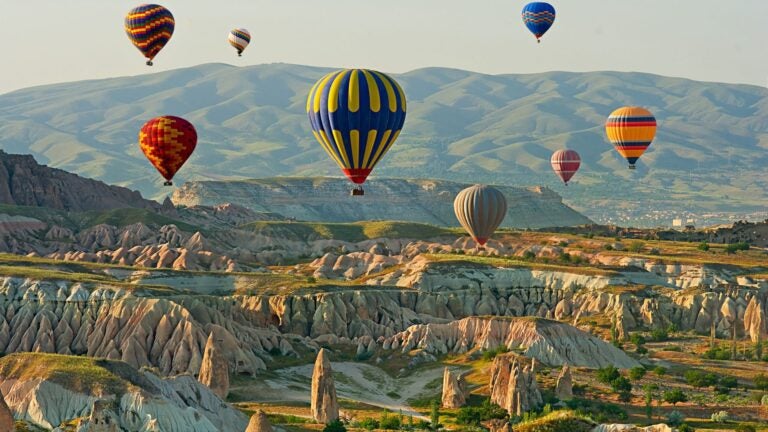
Cappadocia is perhaps the most “Instagrammable” spot in the country. It is famous for its unique geological formations called “fairy chimneys”, which are tall, cone-shaped rock formations clustered in Monks Valley and elsewhere. The best and most iconic way to see them is from a hot air balloon at sunrise, a bucket-list experience for almost every traveler.
5. Ancient ruins and Ephesus
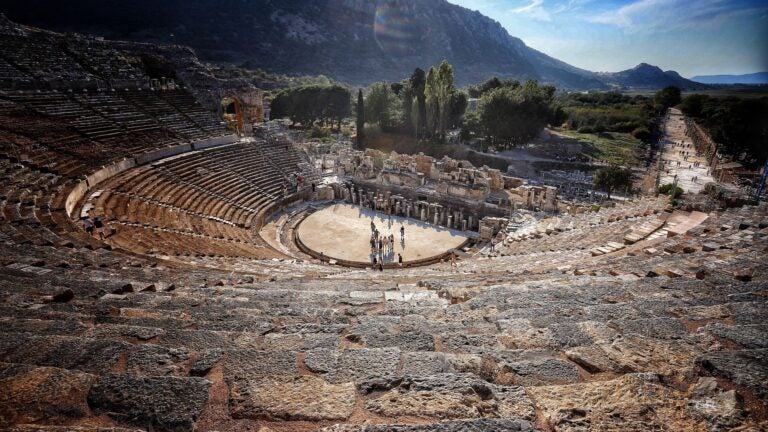
Turkey is home to some of the best-preserved ancient Greek and Roman cities in the world. Ephesus, located near the Aegean coast, was once a busy Mediterranean commercial center. Today, you can walk down marble-paved streets to see the Library of Celsus and a theater that once held 25,000 spectators.
6. Pamukkale’s “cotton castle”
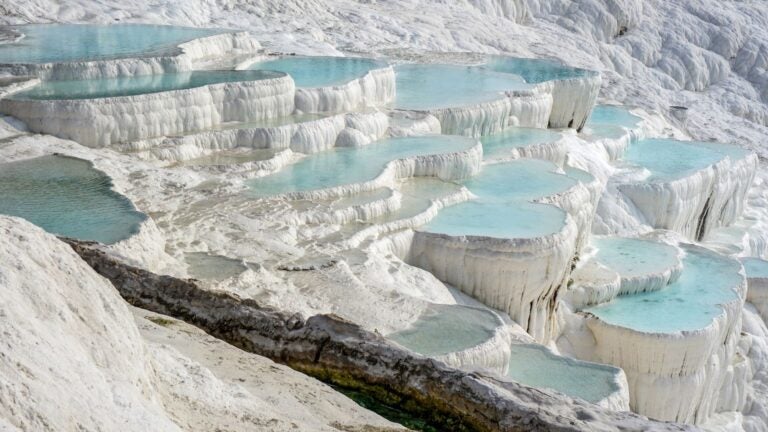
What is Turkey known for in terms of natural wonders? Pamukkale is at the top of the list. This UNESCO World Heritage site features brilliant white terraces made of travertine, a sedimentary rock deposited by hot spring waters. As a visitor, you can bathe in the thermal pools, which have been used as a spa since the second century BC. If you’re planning a spring trip to see these pools, find out where is hot in May to help time your visit.
7. The birthplace of Saint Nicholas
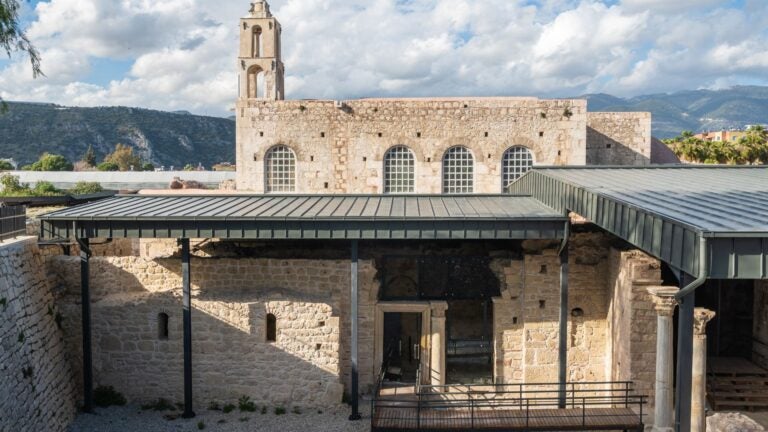
While many associate Santa Claus with the North Pole, the real Saint Nicholas was born in Patara, Turkey, in the third century. He became the Bishop of Myra (modern-day Demre) and was renowned for his secret gift-giving, such as putting coins in the shoes of those who left them out for him, a practice that eventually evolved into the modern legend of Santa.
8. Turkish Tea and Coffee culture
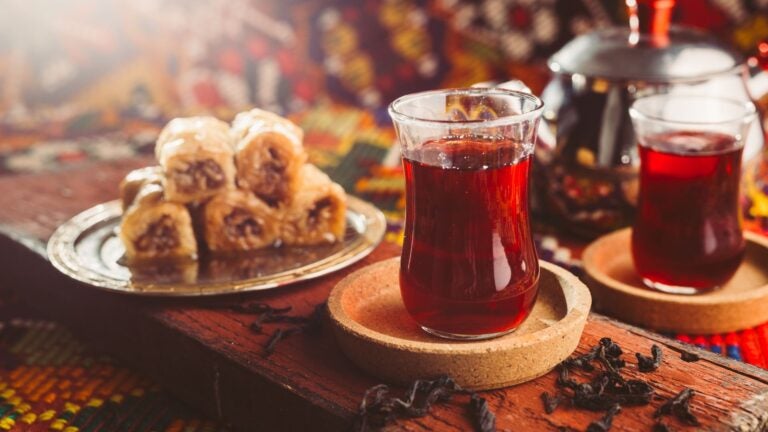
In Turkey, tea or çay is a symbol of hospitality. It is served in small, tulip-shaped glasses, offered to guests in homes and shops, and is an integral part of Turkish culture. Turkish coffee is equally famous, known for its strong taste and the thick layer of grounds at the bottom of the cup. Traditionally, your fortune can be read from the patterns left by those grounds once you finish drinking.
9. The Grand Bazaar
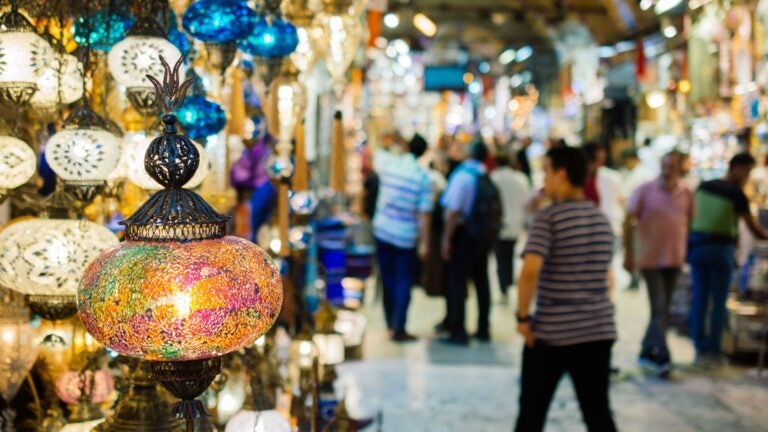
Located in the heart of Istanbul, the Grand Bazaar is one of the largest and oldest covered markets in the world. It contains over 60 streets and 4,000 shops. It is the best place to practice your bargaining skills while shopping for hand-painted ceramics, lanterns, and gold jewelry.
10. Famous Turkish Delight and Baklava
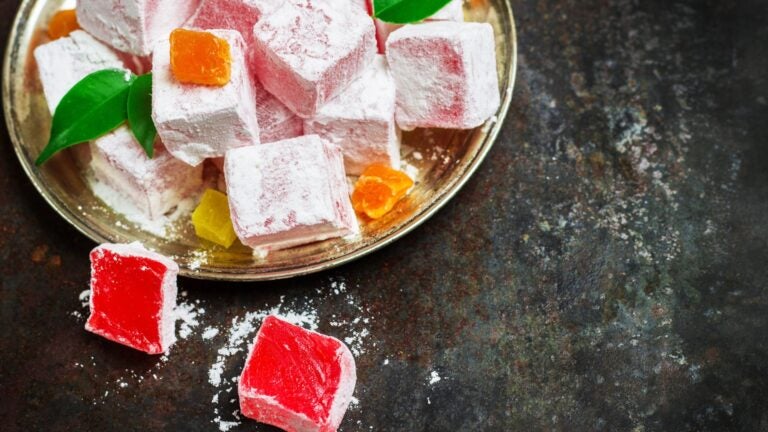
No trip to Turkey is complete without trying its sweets. Baklava, layers of flaky phyllo pastry filled with chopped nuts and soaked in syrup or honey, is the gold standard of desserts. Then there is Lokum, or Turkish Delight, a gel-based sweet often flavored with rosewater, mastic, or lemon and dusted with powdered sugar.
11. The Trojan Horse
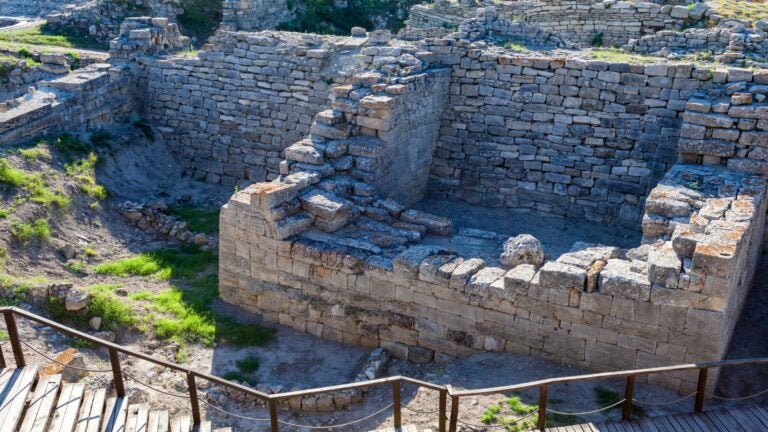
The site of the legendary Trojan War is located in Northwest Turkey. While the “war” itself is surrounded in myth, the archaeological site of Troy is very real. Visitors can see a large wooden horse statue built to commemorate the legend near the ruins’ entrance.
12. Turkish Hammams

The Turkish bath, or hammam, is a centuries-old tradition. It involves a steam room, a vigorous scrub with a “kese” (rough mitt), and a soap massage. It’s a social ritual and a way to relax that remain important parts of Turkish life today.
13. Blue voyages and the Turquoise Coast

Turkey’s southwestern coast is known as the Turquoise Coast because of the breathtaking colors of the Mediterranean and Aegean seas. “Blue Voyages” on traditional wooden gulets (boats) are a popular way to explore hidden coves, sunken ruins, and sleepy fishing villages. To pick the right window for a sailing trip, take a look at our guide on the best time to visit Turkey.
14. Tulips originated here
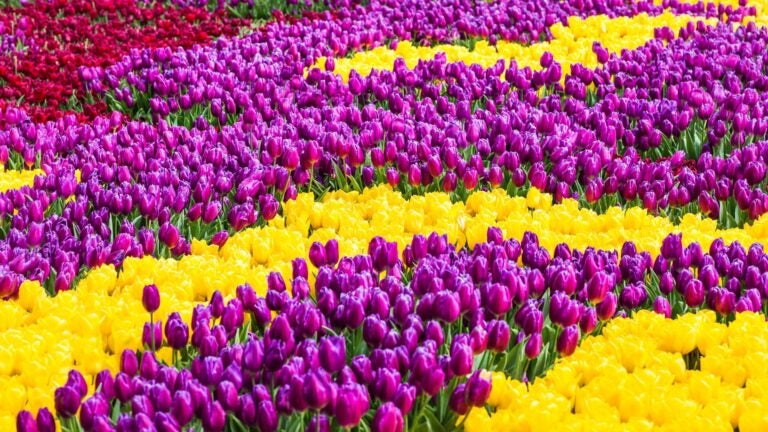
While many people associate tulips with the Netherlands, they actually first originated in the Ottoman Empire. They were brought to Holland in the 16th century, where they eventually caused the famous “tulip mania.” Today, Istanbul still celebrates its floral heritage with a massive Tulip Festival every April.
15. The Nazar (Evil Eye) amulet
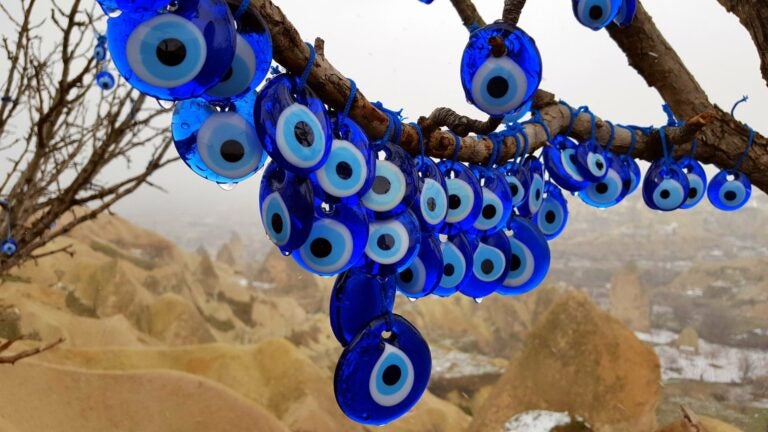
The blue, eye-shaped glass amulet known as the Nazar Boncuğu is everywhere in Turkey. You’ll see it hanging in doorways, pinned to baby clothes, or worn as jewelry. It is believed to protect the wearer from the “evil eye” or the jealous stares of others. It’s perhaps the most iconic souvenir you can bring home.
Explore what Turkey is known for with unlimited data
Overall, Turkey is a transcontinental treasure with architectural wonders, historical depth, and a food scene that delights the senses. Navigating this diverse region and sharing your trip online becomes seamless when you prioritise staying connected.
Holafly’s eSIM for Turkey is the perfect travel companion, offering 5G speeds, unlimited data, and 24/7 customer support throughout your entire trip. Choose an eSIM plan for your trip, and top up via the Holalfy app if your plan changes.
To top it off, Holafly stays with you through Always On: 1 GB of built-in backup data that comes with every eSIM plan. Whether on a short trip, long layover, or quick border crossing, you’ll be covered as long as you keep the Holafly eSIM on your device.
So, don’t delete your eSIM! Get any Holafly plan and never install another eSIM again. For more detailed information on planning your route, don’t miss our comprehensive Turkey travel guide.

Connect to the fastest networks
International eSIMs, local networks. Enjoy the best of both worlds with Holafly.
Plans that may interest you


Born and raised in Queens, New York, I'm a Psychology graduate with a passion for writing that I've been nurturing since 2019. Over the years, I've enjoyed creating meaningful content across various niches, including sports, hospitality, and career development. At Holafly, I focus on crafting useful and inspiring pieces to make your adventures more effortless. One of the best perks of this role? Creating travel content always seems to inspire my next vacation destination!