




 Language
How to get around New York on public transport
From subway to trains and ferries, learn how to move around with New York public transport, and how an eSIM can help you navigate the Big Apple.

New York has one of the best public transport systems in North America, with around 6,000 working buses, 472 subway stations, and a 24/7 service, meaning locals and visitors won’t have a hard time moving around the city.
To learn more about how the New York public transport system works, our English Content Writer, Manhoor Bangush, shares insights, tips, and information that will help you move around like a local with this guide after being born and raised in Queens.
Plus, we tell you how to stay connected using the Holafly eSIM for New York, so you know exactly where to go at all times with unlimited data.

Peace of mind before you fly
Set up your eSIM before travel and get unlimited data on arrival.
How to get from the airport to New York City
New York has three different airports: JFK, LaGuardia, and Newark, all of which are connected via different services.
From JFK Airport
- By taking the AirTrain to the Jamaica Station and then the Long Island Rail Road to Penn Station or Grand Central, you’ll be ready to hit the bustling streets in less than one hour for around $15.
- By taking the AirTrain to the Jamaica Station or Howard Beach Station, then switching to the Subway, you’ll be on your way to lower/mid-Manhattan in over an hour, and at a price of $12.
- Taxis and rideshares have a flat fare of $70 from JFK to Manhattan, plus additional surcharges and tips. These usually take less than an hour and are more comfortable, but they cost four times as much as the AirTrain alternatives.
From LaGuardia Airport
- Via the M60 Bus, travelers can easily move from LaGuardia to the Upper West Side of Manhattan and then take any of the subway lines. Travel time is around an hour, depending on traffic.
- Via the Q70 Bus, travelers can take a free bus that connects with the E, F, M, R, and 7 subway lines at Roosevelt Avenue and Jackson Heights. Travel time can range from 30 minutes to 1 hour, depending on traffic and destination.
- Taxis and rideshares are also available, offering a faster option than buses, but prices range from $40 to $60 from LaGuardia to Midtown, with a 30-minute trip being the standard.
From Newark Airport
- By taking the AirTrain to the EWR Station, travelers can easily connect with NJ Transit and take a train to Penn Station in Manhattan for over $15. Travel times range from 40 minutes to an hour.
- For budget travelers, the AirTrain connects with the Newark Liberty International Airport Station, where you can take the PATH Train, which is cheaper than the NJ Transit and connects with New York in 40 minutes to an hour. Pricing is about $10 for one person.
- Taxis and rideshares are also available. A trip to Manhattan costs around $60 to $80, with no additional charges. Travel time is about 30 minutes.
New York City public transportation types
After arriving in New York, it’s time to talk about the different transportation types available.
When we asked Manhoor about the transportation types, this is what she told us:
“We have several forms of transportation in New York including the subway system, MTA bus system, and trains from NYC to other locations (Connecticut, Long Island, etc).”
Let’s see how each one works and what to expect from them.
Subway (MTA)
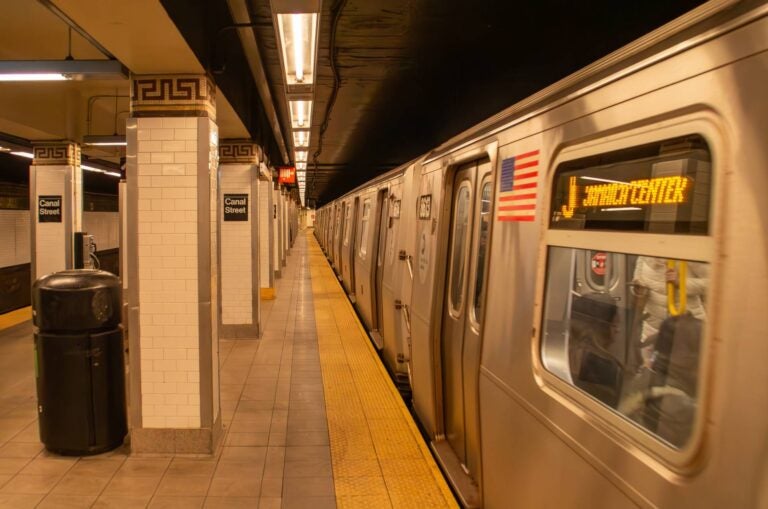
The Metropolitan Transportation Authority, commonly known as the New York Subway System, is the largest transportation system in North America, with over 472 stations operating 24/7.
To use the Subway, travelers need to buy a MetroCard or an OMNY card, or rely on contactless payments if that’s their preference, but having mobile data is essential here.
With extensive coverage and 24/7 service, travelers can easily get to New York and its surroundings in little to no time. With a reliable internet connection, like the Holafly eSIM, you can use the Nearby Stations and Stops map to move easily.
A tip from Manhoor is to avoid peak hours: from 8:30 to 9:30 AM and 5:30 to 6:30 PM on weekdays. The system is congested, so plan your activities before or after these hours.
Bus (MTA)
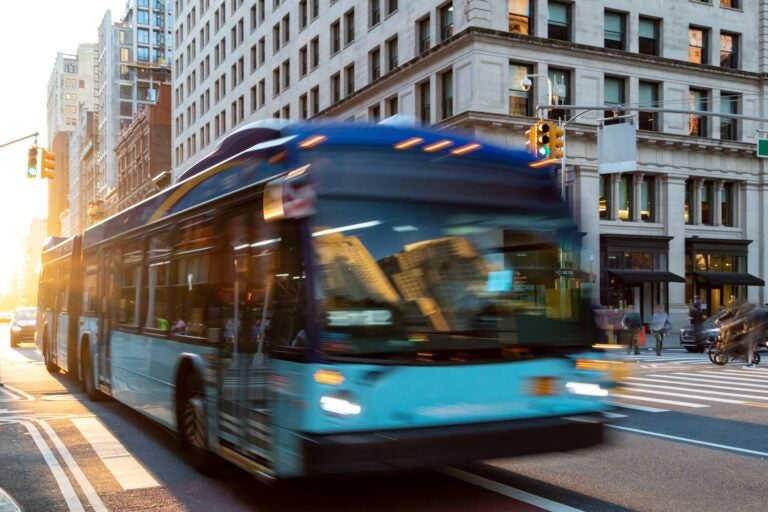
The MTA Regional Bus Operations operates with over 5,000 buses on around 300 routes, offering a 24/7 service within the New York City area.
Bus system fares are low: most trips charge a standard $3 fare, while express buses cost $7.25 and use the same payment system as the subway.
Select Bus Service (SBS) is also available, covering over 16 routes, offering a quieter alternative to New York streets. These have dedicated lanes and work with off-board fare payments, making things easier for their users.
Travel tip: You can text the 6-digit bus stop code to 511123 and add your bus route to find the best way to get to your destination. This can also be used to get real-time bus arrival information directly to your phone.
Ferry
Ferry is a great option for NYC visitors for sightseeing and commuting without the hassle of buses and subways.
These are available on different routes, like East River, Rockaway, Astoria, and Governors Island, with the last one available only on summer weekends and holidays.
There are also free routes, like the Staten Island Ferry, which operates 24/7 and offers a 25-minute ride across iconic views of the Statue of Liberty and the Manhattan skyline.
Ferries depart every 15 to 30 minutes, and, like the subway and bus, there are dedicated sites to check the schedule, so don’t forget your mobile data.

Commuter rail
The Long Island Rail Road (LIRR), the Metro-North Railroad, and the PATH Train are ideal ways to get around NYC and the surrounding areas, which are especially useful for planning day trips from New York.
The LIRR carries over 250,000 users each weekday thanks to the over 900 active trains, meaning you can move from midtown Manhattan to Long Island without many worries.
The Metro-North Railroad is a great option for getting around the NYC Metropolitan Area, as it covers the northern suburbs and major cities like Connecticut and New Jersey, with five lines. Plus, it’s perfect for taking day trips from New York, such as Fire Island or Sleepy Hollow.
The PATH serves New Jersey and connects the lower and midtown areas of Manhattan in NYC across four routes and 13 stations, has fixed rates for the entire line, and even works for reaching major airports.
All three services operate 24/7, so travelers can easily check schedules on their respective sites when planning activities in NYC.
Other options
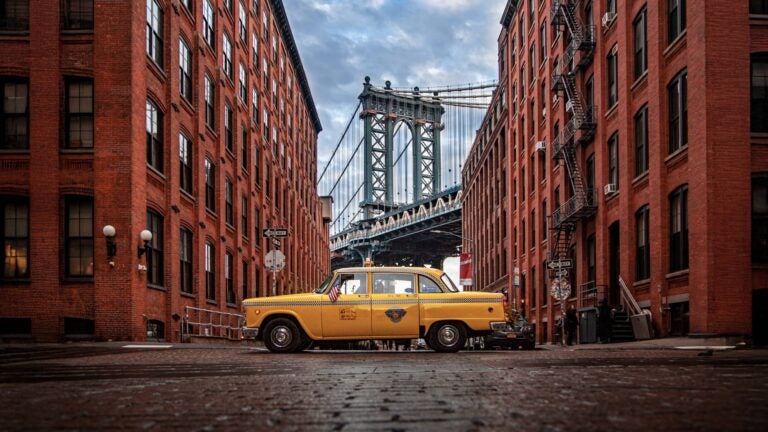
A guide for NYC transport isn’t complete if you don’t know that buses and subways aren’t the only ways to move around; you can explore the city on foot, by bike, or by taxi.
If you want to walk, there are must-visit neighborhoods that are worth your time.
West Village, with its narrow streets, historic brownstones, and many cafes, is ideal for a short stop in the afternoon. SoHo is perfect for boutique shopping and for the iconic cast-iron architecture that surprises visitors as they walk the city streets. Both are located in Manhattan.
Williamsburg and Brooklyn Heights, in Brooklyn, offer a mix of historic architecture, scenic views of the Manhattan skyline, and many local cafes where you can stop for coffee or lunch before heading elsewhere.
You can also use Citi Bike and take taxis. When asked about using bikes and taxi apps, this is what Manhoor told us:
“You’ll find public bikes all over the city!” and “Use Curb, Arro, Uber and Lyft“
This makes it way easier for visitors to move around in the city, especially for solo travelers in NYC.
Best travel passes and tickets for New York
Getting around New York City is possible with pay-per-ride fares, with unlimited trips available after certain conditions are met. Let’s see how these work.
Pay-per-ride options
Pay-per-ride options are available for every service, and there are two options to consider:
- MetroCard: Even though this service is discontinued and has been replaced by OMNY, users who have a card and funds available can still use it on buses, subways, and trains, with each trip costing $2.90. Alternatively, you can add your remaining funds to your OMNY card.
- OMNY: The official replacement for the MetroCard. This is a contactless service with fixed rates of $2.90. As Manhoor said, you can get free rides for the rest of the week with OMNY after tapping the same card or device 12 times on an OMNY reader within 7 days.
- Cash: While subway, bus, and other services offer contactless payments, when using yellow taxis, it’s better to keep some cash in hand.
Unlimited passes
Currently, there aren’t unlimited OMNY passes available.
That said, travelers can still get free rides after using their OMNY card 12 times for a 7-day period, which translates to spending $35. The 7-day period runs from the first moment you tap an OMNY card.
Tips for using New York public transport
Using New York’s public transport isn’t as complicated as expected for such a big city, but there are some tips to keep in mind for travelers.
Here are some tips, some of which were given to us by Manhoor, that will help travelers during their trip:
- Get Amtrak. It’s ideal to buy train and bus tickets online in a matter of minutes.
- Trains run uptown to downtown, with uptown meaning Queens or the Bronx, and downtown meaning Brooklyn.
- Don’t linger in one place for too long. If you’re lost or planning where to go, head to the side instead of staying in the middle.
- Don’t push people as they get off the buses. Wait until they come down and make your way in.
- Always keep an eye on your surroundings before getting onto trains. If you spot anything weird or questionable, it’s better to wait for a different train.
- While New York public transport runs 24/7, it’s better to stay alert on late-night journeys.
- Avoid peak times, with 8:30 to 9:30 AM and 5:30 to 6:30 PM being the most congested during weekdays.
- Download the MTA apps for real-time updates on trains and buses.
- Check the official sites of alternative services, such as PATH and LIRR, for schedules and routes.
Never get lost in New York with Holafly
Moving around NYC isn’t as complicated as many would think, but it’s fair to say that there are plenty of routes and options to consider.
As said by Mahnoor:
“Not having reliable mobile data when travelling, especially as a newbie! It’s super easy to re-route or navigate when you’re lost, or your train terminates unexpectedly.”
This is especially true as with the internet, you can check real-time MTA updates, move around using Google Maps, use apps like Lyft and Uber, and overall, stay connected while exploring the Big Apple.
While there’s no New York subway pass for visitors, you can get an eSIM for New York that works even while on the subway, meaning you won’t need to worry about free WiFis that can leave you stranded at a random station.
You don’t have to switch numbers or change anything on your device, as long as you have an eSIM-compatible phone. Simply buy, install, and activate your eSIM before you travel, with unlimited data plans available to suit the length of your stay.
And if you’re planning a longer stay in the Big Apple, choose Holafly Plans instead. You get all the benefits from the travel eSIM, plus up to unlimited hotspot data and a local phone number, making things easier during your stay.
Peace of mind before you fly
Set up your eSIM before travel and get unlimited data on arrival.
Plans that may interest you


I first started my content creation journey as a freelancer in 2019, before connecting with Holafly in 2021. At Holafly, my travel and tech interests come together in one place as I craft high-quality articles about the eSIM and related markets. My content aims to help travelers stay connected, wherever they are.