


 Language


 No results found
16 Must-buy Egypt souvenirs: Best things to buy in Egypt
Explore 16 handpicked Egypt souvenirs — from traditional teas, dates and snacks to cotton goods, papyrus art, and handmade crafts — with buying tips and prices.

If you’re traveling soon and wondering what Egypt souvenirs are worth buying, we’ve compiled 16 recommended souvenirs by category, from food and snacks to crafts, jewelry, T-shirts, papyrus, cartouches, and more.
Whether you purchase items at the airport or search for local Egyptian goods, we cover everything, including approximate prices, where to buy, and whether negotiation (haggling) is expected. We’ll focus on practicality to help even first-time travelers pick souvenirs worth buying. If you don’t want to waste time or money, read on until the end. Stay connected on your trip to Egypt with Holafly’s unlimited data travel eSIM.

An eSIM you can rely on
Join over 10 million Holafly customers and get connected with our trusted, global services.
What to buy in Egypt: Popular food and snacks
Food and sweets that remind you of Egypt’s flavours are very popular, whether you’re handing them out as small gifts or keeping them for yourself. Here are some unique picks from supermarkets and health and beauty stores.
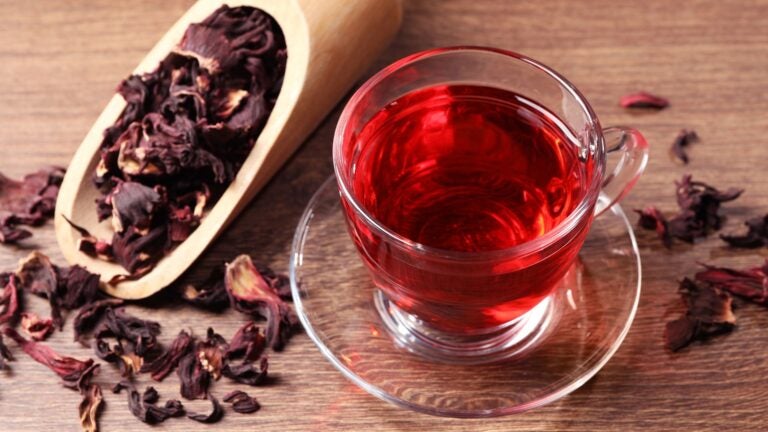
Deep red hibiscus tea is best enjoyed hot or ice cold. Source: Shutterstock
1. El Arosa Tea
El Arosa Tea is a locally loved tea brand that is popular throughout Egyptian supermarkets. It comes both in loose-leaf and teabag formats, making it ideal as a souvenir to share widely. Its simple yet deep flavor works with milk tea or chai-style drinks.
Recommended for:
- Those looking for an affordable souvenir easily found in supermarkets
- Those wanting to distribute small gifts to coworkers or friends
- Those attracted by genuine Egyptian packaging design
✨Price range: About 15–30 Egyptian pounds
✨Where to buy: Supermarkets in Cairo or Luxor, some of the best cities in Egypt. Explore the Colossi of Memnon, one of the best things to do in Egypt, while you’re there.
✨Why it matters: Tea consumption in Egypt increased around the early 20th century under British influence. Egyptian tea is generally strong and often enjoyed with plenty of sugar and milk.
✨Recommended way to enjoy: Brew strong, then add plenty of sugar and milk for an Egyptian-style milk tea. For a chai twist, try simmering with spices like cinnamon or cardamom.
2. Hibiscus Tea (Karkade)
“Karkade”, or Egyptian hibiscus tea, uses dried hibiscus petals to create a deep crimson herbal tea. Its refreshing tartness works hot or cold and is rich in vitamin C. Because it’s lightweight and compact, it’s easy to carry home, making it a great souvenir or gift.
Recommended for:
- Tourists focused on Egyptian health & beauty hacks
- Those wanting a light, easy-to-pack food souvenir
- Anyone wanting a taste of Egyptian flavors and colors
✨Price range: About 20 to 40 Egyptian pounds, depending on brand and quality (barely one USD)
✨Where to buy: Local markets or supermarkets
✨Background: Karkade has been loved since ancient Egypt. Legends say even Cleopatra enjoyed it. In hot Egyptian climates, it has long been used to refresh the body. It was also believed to have medicinal properties: lowering blood pressure and acting as a diuretic.
✨Recommended ways to enjoy: Try it chilled with lemon or mint in summer, or brew it hot. You can also cook it down into jam or sherbet.
3. Dates
Dates are extremely valuable throughout Egypt and the Middle East as nutritious fruits. They’re rich in fiber and minerals, and even without added sugar, naturally sweet. They’re ideal for gifting or personal use, often sold vacuum-packed or boxed. In many markets, you can sample before buying to choose your favorite taste.
Recommended for:
- Travelers seeking healthy, natural sweets — for themselves or loved ones
- Those wanting exotic flavors not easily found back home
- Anyone wanting a taste of traditional Middle Eastern snacks
✨Price range: About 30–80 Egyptian pounds (varies by brand and weight)
✨Where to buy: Supermarkets, bazaars (bazaars/markets), duty-free shops at airports, etc.
✨Background: In ancient Egypt, dates were considered sacred — they were even used in the mummification process, thanks to their nutritional value and long shelf life.
✨Recommended ways to enjoy: Mix with yogurt or cereal, bake into muffins, or use in stews like tajines.
4. Patchi Chocolates
Originally from Lebanon, the luxury chocolate brand “Patchi” has stores in Egypt. Their elegantly packaged boxes, whether milk, dark or nut-filled, make for a refined Egypt souvenir. Individually wrapped pieces make them especially suitable for gifting to friends, family, or hosts.
Recommended for:
- Those seeking high-end sweets as gifts
- Travelers looking for something classy and reliable
- People wanting to bring back Egyptian-market sweets with a premium feel
✨Price range: Around 100–300 Egyptian pounds, depending on box size and content. ✨ Where to buy: Large malls (e.g. Cairo Festival City Mall, Citystars Mall) or airport duty-free shops.
✨Suggested pairing: Eat as is, or use in desserts like fondant chocolate or truffles. They also go beautifully with Egyptian coffee.
5. Chipsy (Potato Chips)
“Chipsy” is Egypt’s national potato-chip brand. With flavors like kebab or cheese (uncommon outside Egypt), these chips give you a fun local taste. They’re easily found at supermarkets or local kiosks, light to pack, and inexpensive, great for sharing or distributing widely.
Recommended for:
- Those wanting a simple, light, easy souvenir from supermarkets
- Travelers who like novelty or want to try unique local snacks
- People looking for inexpensive treats to hand out
✨Price range: About 5–10 Egyptian pounds
✨Where to buy: Supermarkets or small kiosks across Egypt
✨Fun tip: These chips make a fun addition to sandwiches, salads, or even local dishes like Koshari, a popular Egyptian street food.
What to bring back from Egypt: Unique non-food home goods and crafts
Contrary to the edible souvenirs above, Egypt souvenirs also include a wide variety of handmade goods, practical items, and decorative pieces, perfect as Egyptian gifts or for home decor souvenirs.

Ancient hieroglyphs tell a story of Egypt’s pharaonic past. Source: Shutterstock
1. Egyptian cotton towels and T-shirts
Egyptian cotton is globally prized for its softness and durability. Towels or T-shirts made from Egyptian cotton offer a gentle, luxurious touch — ideal for daily use or gifts. Many feature pyramid motifs or colorful embroidery, making them souvenirs that combine practicality with a touch of local flavor.
Recommended for:
- Those wanting souvenirs that are practical and long-lasting
- People who care about comfort and fabric quality
- Those buying gifts for partners, family, or friends
✨Price range: T-shirts ~100–300 Egyptian pounds; towels ~80–200 Egyptian pounds. ✨Where to buy: Bazaars (e.g. the Khan el-Khalili market), malls, hotel shops, etc.
✨Background: Egyptian cotton has a long history, thanks to fertile soil in the Nile River basin and warm climate. Its high quality made it prized even in ancient Egypt.
✨Suggested use: Towels’ absorbency and soft texture make them great for babies or sensitive skin. T-shirts are comfortable, durable, and perfect for everyday wear.
2. Glass perfume bottles
Egypt’s glasswork dates back to ancient times. Glass perfume bottles, hand-blown and decorated with color and gold accents, are the perfect example of this tradition. The shimmer of the glass under light gives it a magical quality. Small-sized bottles make great souvenirs or gifts, easy to carry and pack.
Recommended for:
- Those looking for souvenirs that “pop”, visually striking, and decorative
- People buying elegant, lightweight gifts, especially for women
- Travelers seeking souvenirs with local craftsmanship
✨Price range: Around 30–100 Egyptian pounds (depending on size and decoration) ✨Where to buy: Khan el-Khalili, artisan perfume workshops, souvenir tourist shops near tourist areas.
✨Bonus uses: Instead of perfume, you can fill them with essential oils, potpourri, or dried flowers, turning them into chic decor or travel keepsakes.
3. Papyrus bookmarks and wall hangings
Papyrus paper was used in ancient Egypt as one of the earliest forms of paper. Bookmarks or wall hangings printed with hieroglyphs, mythological scenes, Pharaohs or Egyptian gods make for souvenirs rich in history and culture. Because papyrus is lightweight and durable, it packs easily. You’ll find items ranging from simple bookmarks to framed Egyptian art, depending on your budget.
Recommended for:
- History lovers or those fascinated by ancient Egyptian culture
- People wanting compact, easy-to-pack souvenirs or gifts
- Anyone who wants a decorative item that captures Egyptian culture
✨Price range: Approximately 10–150 Egyptian pounds (depending on size and framing) ✨Where to buy: Khan el-Khalili and similar souvenir markets.
✨Decor ideas: Use a papyrus bookmark in a photo album, or hang a framed papyrus wall art with hieroglyphs or scenes beside Egyptian photos back home.
4. Handmade crafts from Nubian Villages
In Nubian villages near Aswan and surrounding areas, artisans weave traditional baskets, bead jewelry, fabric crafts, and other unique items. Each piece often reflects local customs, with bright colors and distinctive geometric patterns, making them stand out from typical tourist souvenirs. For travelers who appreciate one-of-a-kind items and handmade quality, these crafts make special souvenirs or gifts.
Recommended for:
- Those who want meaningful, interesting souvenirs with a story
- People who appreciate handmade craftsmanship and cultural authenticity
✨Price range: Typically about 30–200 Egyptian pounds, depending on the item and materials.
✨Where to buy: Artisan craft shops in Nubian villages near Aswan, local markets, etc. Visiting Nubian villages is also ideal to get an insight into ancient Egyptian scenes.
5. Small Canopic jar ornaments
For those interested in ancient Egypt and history, small replica “canopic jars” or decorative items can be a striking souvenir. While real antiquities are off-limits, miniature reproductions are widely available and perfect for home décor or conversation-starting gifts.
These items are especially fitting for fans of ancient Egypt, with motifs inspired by Egyptian gods, scarab symbolism, and ancient pyramids.
Recommended for:
- Lovers of ancient Egyptian culture and history
- Those wanting unique decorative items for the home or gifts
- People seeking souvenirs different from typical tourist goods
✨Price range: 50-200 Egyptian pounds, varying according to material and size
✨Where to buy: Khan Khalili Market, Archaeological Museum shop
✨Recommended uses: You can display this canopic vase in your entryway or living room for a unique Egyptian touch.
Egypt souvenirs: Accessories
In addition to crafts and home goods, Egypt offers classic souvenir accessories, often with deep historical or cultural meaning.
1. Cartouche pendants (name engraved)
Cartouche pendants, inscribed with your name in hieroglyphs, let you carry a small piece of ancient Egypt with you. Originally, cartouches enclosed the names of Egyptian royalty as a symbol of protection. Today, they remain a symbol of identity and a meaningful gift or keepsake.
Recommended for:
- Tourists looking for special and local accessories
- Those looking for personalized gifts
✨Where to buy: Silver-craft shops, markets like Khan el-Khalili, souvenir shops in tourist areas.
✨Price range: Approximately 100-500 Egyptian pounds (varies depending on material and number of characters)
2. Papyrus cartouche bookmarks
Bookmarks made from papyrus in the shape of cartouches with hieroglyphs — combining ancient symbolism with practicality. They’re light, easy to carry and ideal as souvenirs or gifts.
Recommended for:
- Tourists looking for a lightweight and compact souvenir
- Those who want to give a unique and inscribed souvenir with a name on it
- Those who are interested in hieroglyphics and Egyptian mythology
✨Price range: Approximately 20-60 Egyptian pounds
✨Where to buy: Papyrus workshop, Khan Khalili Market, Egyptian museum souvenir shop, etc.
✨History of Papyrus: Papyrus is the world’s oldest paper, having been used in ancient Egypt since around 3000 BC. It’s made from the papyrus plant that grows wild in the Nile River and has been used to record ancient Egyptian culture.
3. Scarab beetle motif accessories
Scarabs (dung beetles) were considered a symbol of rebirth and prosperity in ancient Egypt. You can find a wide variety of accessories, including necklaces, ankh rings, and bracelets made from natural stones, ceramics, and glass. Although small, the design is striking, popular, and unique.
Recommended for:
- Tourists who enjoy learning about ancient Egyptian motifs and symbols
- Those who want to wear unique accessories
- Those who want to gift a special accessory to a loved one
✨Price range: 50-200 Egyptian pounds
✨Where to buy: Khan Khalili Market, museum gift shops
Popular organic & cosmetic souvenirs from Egypt
For travelers seeking gentle, natural, or beauty-focused souvenirs, Egypt has options grounded in tradition and nature.
1. Organic soaps & body care from Egyptian brands
Local brands like Nefertari offer natural-ingredient soaps, skincare, and body-care products made with traditional Egyptian materials. These are ideal if you want a meaningful, functional souvenir that’s kind to skin or a pampering gift for someone special. Many of these products draw on ingredients and practices used since ancient times, including rose water or essential oils.
Recommended for:
- Tourists who enjoy organic and natural cosmetics
- Those looking for beauty-based souvenirs
- Those who want to buy Egyptian bath items as a gift
✨Price range: 50-200 Egyptian pounds
✨Where to buy: Official Nefertari stores, souvenir shops in Cairo, airport duty-free shops
✨Ancient Egyptian beauty: Beauty treatments using natural ingredients were popular in ancient Egypt. Olive oil and milk, which are said to have been used by Nefertari (the first queen of Ramses II), moisturise and keep the skin soft. You can also find perfumed oils made from herbs and spices.
✨Best way to use: Nefertari soap lathers well and can be used during showers and baths. Use the body oil for moisturising your skin post-shower.
2. Egyptian rose water
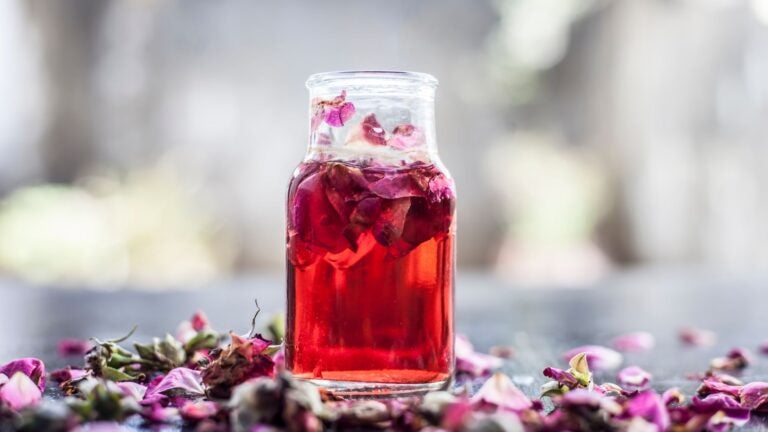
Egyptian rose water is distilled water extracted from natural roses. This tonic has been used historically to moisturise and refresh the skin, and you can find rose water in many contemporary beauty products too. It’s light and easy to carry, making it the best souvenir from Egypt.
Recommended for:
- Tourists who want an authentic Egyptian rose water souvenir
- Those who would like to gift natural skincare to loved ones
✨Price range: 30-60 Egyptian pounds
✨Where to buy: Supermarkets, local markets, cosmetic shops
✨History of rosewater: Rose water has been used for beauty and medicine since ancient Egypt. Cleopatra is said to have taken rose baths and used rose water as a lotion.
✨Recommended uses: You can create your own face pack by soaking rose water in cotton and applying it to your face. Or, you can put it in an aroma diffuser and enjoy its scent.
3. Perfume oils & decorative bottles
Decorative glass perfume bottles are paired with traditional perfume oils and make a souvenir unique to Egypt. They’re especially good gifts for those who appreciate subtle scents, natural ingredients, or handcrafted glass art.
Recommended for:
- Tourists looking for unique fragrances
- Those who want decorative souvenirs
✨Price range: 30-150 Egyptian pounds for varying perfume oils and glass bottles
✨History of perfumed oils: In ancient Egypt, perfumed oils were used in temple ceremonies and to preserve mummies. Cleopatra is said to have used such perfume.
✨Recommended uses: Add your perfume oil to an aroma pot or to your bath. Or dab it on your wrists and neck for the perfect scent.
Where to buy souvenirs in Egypt: Markets, malls, or duty-free
Where you shop plays a big role in what you’ll get, both in terms of price and experience. Here’s a breakdown of the main options.
- Markets, bazaars, and souks: Khan el-Khalili, or bazaars in Luxor and Aswan. Here you’ll find perfume bottles, papyrus scrolls and products, scarab or cartouche accessories, handmade crafts and more. Bargaining is common. It’s typical to start at about half the initial price the shop offers. It’s wise to compare a few shops before you buy. Use Egypt roaming services to get connected and stay updated.
- Supermarkets: Chains like Carrefour or Seoudi Market carry local staples: teas, dates, snacks, chips, spices. With fixed prices, there’s no need to haggle.
- Shopping malls: Large malls like Citystars Mall offer a fixed-price, organised shopping environment with stable quality. Ideal when you want to buy multiple souvenirs at once.
- Airport duty-free shops: If you run out of time or forgot something, duty-free shops at airports are useful last-minute shopping spots. Prices may be slightly higher, but quality and convenience are guaranteed.
Why using an eSIM (or local SIM) can make souvenir hunting easier
Staying connected in Egypt, especially while shopping, is much easier with a local Egypt SIM card or, even better, a travel eSIM from Holafly. With stable mobile internet in Egypt, you can look up shops, compare prices, check reviews, and coordinate plans on the go. That means you don’t have to rely on hotel WiFi or spotty public networks when browsing souks or markets.
With Holafly’s unlimited data eSIM for Egypt, you can connect as soon as you arrive, ideal for travelers hunting authentic souvenirs and trying to avoid tourist traps. All you need is an eSIM-compatible phone!

Match your eSIM to your vacation
Choose a plan lasting between 1 and 90 days so you never pay for days or data you don't use.
Egypt souvenirs make for perfect travel memories
Whether you choose everyday treats like hibiscus tea or Chipsy, practical cotton goods, historical papyrus art, handmade crafts, or luxury chocolates and perfume bottles, Egypt souvenirs offer something for everyone. They’re a wonderful way to bring a piece of the Nile, ancient pyramids, desert bazaars, and timeless Egyptian culture back home. These items make meaningful gifts, personal keepsakes, or home décor that remind you of your journey.
Frequently Asked Questions when buying Egypt souvenirs
Yes. There are restrictions on some animal-derived items, unprocessed food, or unprocessed plant materials (especially seeds or soil-attached items). Before purchasing, check the customs and quarantine regulations of your home country.
At markets, bargaining is expected. A good tactic is to start at about 50% of the first offered price. Polite conversation, a smile, and a relaxed attitude can help. Compare several shops before deciding. For malls or supermarkets, prices are fixed; no bargaining required.
Items like hibiscus tea (Karkade), handmade soaps or skincare from Egyptian cosmetic shops, delicate glass perfume bottles, decorative crafts (papyrus art, handmade baskets), or personalized jewelry like cartouche pendants tend to be well-received.
– Small food items (tea, chips): around 5–30 Egyptian pounds
– Souvenir goods (perfume bottles, papyrus bookmarks): around 30–150 Egyptian pounds
– Accessories, cosmetics, handmade crafts: around 100–300 Egyptian pounds (though prices may be higher depending on size or quality)
Items bought at airports or tourist spots may be more expensive than those at markets or supermarkets.
Plans that may interest you


Born and raised in Queens, New York, I'm a Psychology graduate with a passion for writing that I've been nurturing since 2019. Over the years, I've enjoyed creating meaningful content across various niches, including sports, hospitality, and career development. At Holafly, I focus on crafting useful and inspiring pieces to make your adventures more effortless. One of the best perks of this role? Creating travel content always seems to inspire my next vacation destination!