Language


 No results found
iPhone 14 eSIM: Specs, dual SIM support, and key features
Get a iPhone 14 eSIM overview: check SIM support, dual SIM options, and compatibility to see how this device handles mobile connectivity.

The iPhone 14 marked a major change for Apple and a big step forward for eSIM technology. The introduction of eSIM iPhone 14 models, without physical SIM cards, in the US made a real shift in how we think about cellular connectivity.
In this guide, we’ll cover iPhone 14 eSIM compatibility, including whether the iPhone 14 is eSIM-only, how eSIM technology works on this device, and what it means for your cellular plan and cellular data. Additionally, we’ll show you how to use a travel eSIM alongside your primary line.
An app that gives back


Is iPhone 14 eSIM only?
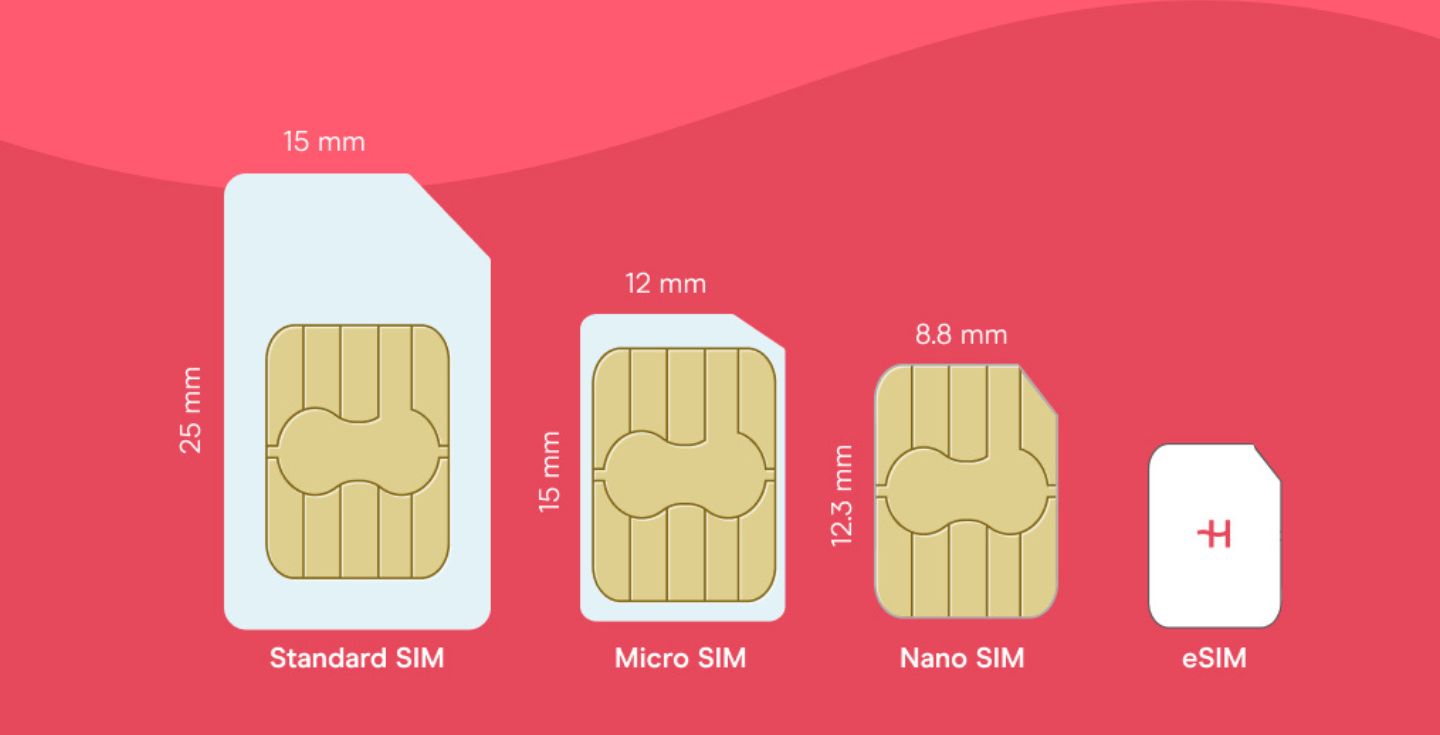
Yes, iPhone 14 is an exclusively eSIM iPhone, but only in the United States. iPhone 14 models sold in the US don’t include a physical SIM card slot. Instead, they rely entirely on eSIM technology for mobile connectivity.
And what about the rest of the world? Does iPhone 14 only have eSIM in Europe or Asia? The answer is no. In other regions, including Europe and most international markets, the iPhone 14 still supports both a physical nano SIM and an eSIM.
But, do all iPhone 14 have eSIM? They do. It’s just that some models have eSIM only and some have eSIM and SIM together.
To recognize which version you have, check the model number in your device settings or on the packaging. US models (such as A2650, A2651, A2649, and A2632) don’t include a SIM tray. Other models include a physical SIM tray and support both eSIM and nano SIM options with your cellular plan.
Never used eSIM before? Here’s a useful article on how to activate an eSIM on your iPhone.
What are the benefits of the iPhone 14 eSIM compatibility?
The iPhone 14 eSIM gives you more flexibility in how you manage your mobile connection and data plans, especially if you travel a lot or use dual SIM options for your second line. Here are several benefits to this Apple model.
- Better flexibility for travel and different plans: eSIM technology makes it easier to add a new data plan, such as a travel eSIM or a local data plan, while keeping your existing one active. Cellular data switching takes seconds. This gives any frequent traveler more control over their cellular plan use while away without dealing with yet another nano SIM.
- Use dual SIM with two eSIMs on one device: The iPhone 14 supports dual SIM via eSIMs, allowing you to use two eSIMs simultaneously. You can store several eSIM plans and use multiple lines (an unofficial number is 8, not confirmed in official sources), but only two can be active at the same time, each with its own cellular plan.
- Manage cellular data and lines with more control: The iPhone 14 supports cellular data switching, letting you choose which line uses cellular data while keeping them both active. You can use one line for data and still receive messages and incoming calls on your primary phone number.
- Easily transfer your eSIM between devices: With features like eSIM Quick Transfer, you can move your eSIM plan from an older device to a new iPhone 14 without using a physical nano SIM card, making upgrades simpler.
Which carriers are compatible with iPhone 14 eSIMs?
In the United States, iPhone 14 models are eSIM phones, so you’ll need a carrier that supports eSIM carrier activation and digital iPhone setup via settings app.
The main US providers that support eSIM for iPhone 14 include:
- AT&T
- T-Mobile
- Verizon
These carriers offer eSIM plans that you can activate directly on your device, often through a specific carrier app or by scanning a QR code. This means you don’t need physical SIM cards to set up your cellular plan or connect to a cellular data network. It also saves you from having to manually enter your eSIM information into the new device.
Most providers allow you to manage your phone number, switch data plans, and control your cellular data directly from your device. So, you can use one cellular data network or switch between plans if you have more than one line.
Other iPhone 14 features
Beyond iPhone 14 eSIM compatibility, it also includes several upgrades that improve its performance and usability when compared to iPhone XS, iPhone XR, and other older Apple iPhone models.
Some of the key features include:
- Super Retina XDR display: A bright, sharp screen that makes everything easier to see, whether you’re on the home screen or using apps.
- Improved battery life: The iPhone 14 uses power more efficiently, so you can stay connected longer while browsing, using Wi-Fi, or managing cellular connectivity.
- Enhanced dual-camera system: The updated camera app delivers better photo quality, especially in low light, which is a great upgrade for everyday use.
- Crash Detection and Emergency SOS via satellite: New safety features that can contact emergency services, even without a cellular data connection, in specific situations.
- A15 Bionic chip: A fast and reliable processor that ensures smooth performance for all apps, including the settings app and other core features.
These updates make the iPhone 14 a quality device that combines performance, safety, and connectivity improvements beyond just SIM cards and mobile networks.
iPhone 14 vs. iPhone 13: What’s the difference?
iPhone 14 isn’t a huge jump from the iPhone 13. It’s more like a refined version with a few practical upgrades. Here is what’s actually new:
- Better low-light photos:
- Crash Detection
- Slight battery improvement
In daily use, both phones feel very similar, as there’s no major speed difference. The iPhone 14 doesn’t change everything, but it adds a few practical improvements across camera, battery, and safety.
From the iPhone 14’s shift to eSIM-only in the US, Apple continued expanding eSIM technology with the eSIM iPhone 15, refining dual SIM and connectivity features in the eSIM iPhone 16, and moving closer to fully digital SIM models across more regions with the eSIM iPhone 17.
eSIM for iPhone 14: Key takeaways
The iPhone 14 offers full eSIM support and an enhanced camera compared to older models. This makes it an excellent choice for travelers, as you are set with a device that offers great connectivity and a tool for making memorable vacation photos.
iPhone 14 eSIM allows you to manage different data plans, switch your cellular data between lines, and use more than one phone number on the same device without dealing with physical SIM cards.
This also opens up some really useful options when you travel. Instead of looking for SIM cards at the airport, you can simply choose a travel eSIM for your destination and stay connected as soon as you arrive. Holafly eSIM store offers digital SIMs for a wide range of countries, so it’s easy to find a plan that fits your trip.
And if you need something longer-term, Holafly Plans are a great option. They work as a monthly subscription, giving you reliable internet, flexible data, hotspot sharing, and even a phone number on some plans. All without having to switch SIM cards.

Don't miss out on a discount
Use the code MYESIMNOW5 to get a discount of 5% off your next order.
Plans that may interest you


With a background in English literature and a focus on storytelling, I’ve turned my interests in travel and technology into a career helping others stay connected abroad. Originally from Serbia, I work remotely with my husband, experiencing local cultures firsthand and bringing that perspective to my writing for Holafly. Fun fact: before focusing on content creation, I was a professional volleyball player.