







 Language


 No results found
Which is the best travel insurance for Nepal?
Discover the best travel insurance policies for Nepal, what each one offers, and which policy is best suited for you.

Wondering which travel insurance options are best for Nepal? Planning a trip to this incredible country and don’t want to go without coverage and support? You’ve come to the right place.
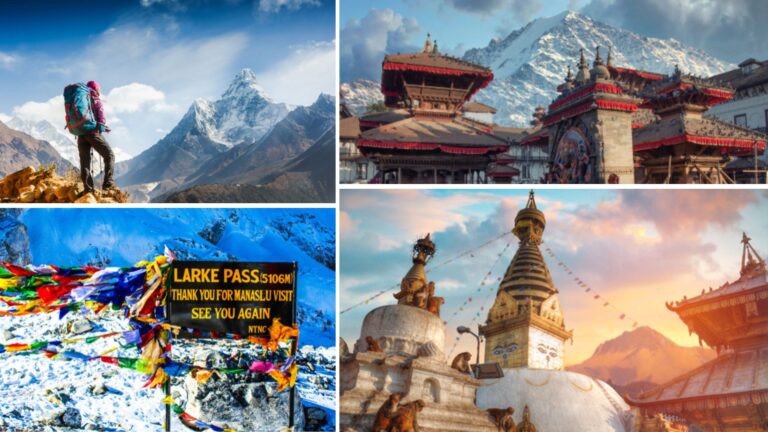
A trip to Nepal can be truly unforgettable, whether you are wandering through Kathmandu, discovering centuries-old temples, or trekking the Himalayas. But it also comes with risks. The high altitude, limited medical facilities outside major cities, and natural hazards like earthquakes or avalanches make having reliable travel insurance a must.
In recent years, several events have highlighted the country’s vulnerability to natural hazards. While this shouldn’t discourage you from visiting, it does emphasize the importance of having coverage that can handle everything from helicopter medical evacuations to health emergencies in remote areas.
That’s why, before planning your itinerary in Kathmandu, Pokhara, or Everest Base Camp, it’s a good idea to compare the top travel insurance options for Nepal. Below, we outline the key coverage you need for this destination and which insurers offer plans suited to this type of trip.
Why should I purchase travel insurance for Nepal?
Visiting Nepal means experiencing a land of striking contrasts. From the vibrant streets of Kathmandu to the peacefulness of the Himalayas, it is truly captivating. However, the country requires extra preparation. High altitudes, challenging roads, and remote locations far from modern hospitals can turn minor problems into serious ones without proper travel insurance.
The first major reason is healthcare infrastructure. In Kathmandu or Pokhara, you can find decent private hospitals, but elsewhere in the country medical care is limited and often basic. If you have an accident while trekking or a serious illness that requires hospitalization, you may need to be airlifted to a more advanced facility. Such rescues can cost between $5,000 and $10,000, and without insurance, you would have to cover the expenses yourself.
Altitude is another key consideration. Nepal is a popular destination for trekking and climbing, but it also experiences some of the highest rates of altitude sickness in the world. A good travel insurance plan will cover medical treatment, medication, oxygen, and emergency evacuations, which are crucial for anyone heading above 3,000 meters.
We also can’t overlook natural hazards. Nepal lies in a seismic zone, and from time to time earthquakes or avalanches occur in the mountains. While these events are rare, having insurance that covers repatriation, disaster assistance, and trip cancellations is a smart way to travel with peace of mind.
On top of that, there are the usual travel hiccups: flight delays at airports like Tribhuvan, lost or stolen luggage, and minor illnesses that can quickly disrupt your plans. In all of these situations, travel insurance provides financial compensation or direct assistance, saving you from having to figure out expensive solutions in a foreign country.
In short, traveling to Nepal without insurance means taking risks that can ruin what should be an unforgettable experience. Getting coverage is not just a formality. It is the difference between feeling exposed in the middle of the Himalayas and knowing that, no matter what happens, you have reliable support ready to help.
What kind of coverage should travel insurance for Nepal provide?
When it comes to travel insurance for Nepal, basic coverage like the kind you might choose for a beach destination or a major European city is not enough. The unique conditions of this country call for more specialized and comprehensive policies.
These are the types of coverage that your travel insurance should definitely offer:
- Comprehensive medical coverage: At a minimum, coverage should be $100,000, though ideally closer to $250,000. This ensures you are covered for hospitalization, medication, and medical transfers at private clinics in Kathmandu or Pokhara.
- Mountain rescue and evacuation: Essential for trekking in the Himalayas. A helicopter rescue can cost between $5,000 and $10,000.
- Assistance for altitude sickness: Coverage for oxygen, hospitalization, and emergency transport if you experience altitude-related symptoms above 3,000 meters.
- Medical and funeral repatriation: Includes transportation to the country of origin in cases of serious emergency or death.
- Trip cancellation and interruption: It protects your investment in flights, tours, and accommodation if natural events like earthquakes or avalanches occur, or if a family emergency forces you to change your plans.
- Theft or loss of luggage: Financial compensation for backpacks, technical clothing, mountaineering gear, or electronic devices, which are commonly carried on this type of trip.
In short, travel insurance for Nepal should cover high medical expenses, mountain rescue, repatriation, trip cancellations, and luggage protection. Only with this kind of coverage can you explore temples, valleys, and mountains with the confidence that you are protected against any unexpected situation.
What are the five best travel insurance policies for Nepal?
After reviewing the key coverage needed for travel insurance in Nepal, the next step is to see which insurers offer suitable plans. Not every policy is designed for high-altitude travel or trekking, so it’s important to check the details carefully. Some shine for their comprehensive medical coverage, others include helicopter rescues or altitude sickness support at no extra cost, and several provide 24/7 assistance, which can be crucial in an emergency.
Here is a comparison table featuring five travel insurance options for Nepal. The goal is to give you a clear overview so you can choose the plan that best fits your travel style, whether you are trekking the Annapurna, exploring Kathmandu, or enjoying the peacefulness of the Pokhara Valley.
| Cobertura / Seguro | IATI Backpacker | Intermundial Totaltravel Sports | World Nomads Explorer | Heymondo Premium | Allianz Assistance |
| Medical coverage | $500,000 | $300,000 | $200,000–$500,000 depending on plan | $12,000 | $200,000 |
| Mountain rescue / helicopter | Included, up to 5,400 m | Included in sports module | Included, up to 6,000 m | Included, up to 5,000 m | Available with supplement |
| Assistance for altitude sickness | Yes, including oxygen and hospitalization | Yes, with trekking coverage | Yes, on all covered treks | Yes, on higher-level plans | Limited |
| Medical repatriation | Included | Included | Included | Included | Included |
| Trip cancellation | Up to $2,000 | Up to $5,000 | Varies by plan | Up to $7,000 | $3,000 |
| Luggage theft or loss | Up to $1,200 | Up to $1,500 | Up to $1,500 | Up to $3,000 | $1,000 |
| 7-day price (approx.) | $65 | $70 | $75 | $85 | $75 |
1- IATI Backpacker
IATI is well-known among adventure travelers, and its Backpacker plan is especially suited for Nepal. It provides $500,000 in medical coverage, including hospitalization, medication, and support for altitude sickness. It covers trekking up to 5,400 meters, enough for Everest Base Camp and most Annapurna routes. The plan also includes helicopter rescues, a crucial feature in areas without road access.
For trip cancellations, it provides up to $2,000, a moderate amount that can be helpful in case of emergencies or natural events. Luggage coverage goes up to $1,200, enough to protect backpacks and technical mountaineering gear.
Estimated price for seven days: $65.
It is perfect for backpackers and adventure travelers who prioritize safety in the mountains. It is also a great option for digital nomads spending time in Nepal who want coverage for both excursions and unexpected medical issues.
| Advantages | Disadvantages |
| Comprehensive medical coverage. | More limited cancellation than other plans. |
| Includes trekking up to 5,400 m and helicopter rescue. | Higher price than basic plans. |
| Assistance for altitude sickness (oxygen, hospitalization). | Luggage covered up to $1,200, less than other insurance policies. |
| Customer service in English and easy online management. |
2- Intermundial Totaltravel Sports
Intermundial is an insurer that offers plans tailored for travelers seeking a mix of culture and adventure. Its Totaltravel Sports plan provides $300,000 in medical coverage, enough for most emergencies in Nepal, including hospital stays and treatments at private clinics in Kathmandu or Pokhara.
What sets this plan apart is its sports module, covering high altitude trekking and helicopter rescues, which is crucial for anyone tackling Himalayan routes. It also offers trip cancellation protection up to $5,000, one of the highest on the market, which is great if you have spent a lot on flights, guides, or mountain permits.
Luggage coverage is up to $1,500, higher than IATI, which provides greater security for those traveling with high-value technical or electronic equipment.
Estimated price for seven days: $70.
It is an excellent choice for families, couples, or groups combining trekking with cultural visits, as it offers well-rounded coverage: solid medical support, luggage protection, and strong trip cancellation benefits.
| Advantages | Disadvantages |
| Includes helicopter rescue and mountain sports. | Less medical coverage than IATI or Heymondo. |
| Very comprehensive cancellation coverage. | Higher price than basic insurance. |
| Luggage covered up to $1,500. | May include specific clauses depending on the sporting activity. |
| 24/7 assistance. |
3- World Nomads Explorer
World Nomads is a popular insurer among international and adventure travelers. Its Explorer plan is designed for those seeking flexibility and coverage for high-risk activities. It provides between $200,000 and $500,000 in medical assistance, depending on the country and plan, and covers trekking up to 6,000 meters. This makes it one of the few insurance options suitable for travelers aiming to reach altitudes above Everest Base Camp.
It includes helicopter rescues, as long as the 24/7 emergency center is notified before the operation, and coverage for altitude sickness, including oxygen and hospitalization costs. Luggage is covered up to $1,500 for loss, theft, or damage. Trip cancellation limits vary by plan and country, but are generally between $2,000 and $3,000.
Estimated price for seven days: $75.
This option is perfect for independent travelers and international backpackers looking for a recognized, flexible global insurance plan, especially if they plan to visit other countries in the region in addition to Nepal.
| Advantages | Disadvantages |
| Trekking coverage up to 6,000 m. | The head office must be notified before helicopter rescue. |
| Includes assistance for altitude sickness. | Cancellation with variable limits depending on the plan. |
| Flexibility and international recognition. | Slightly higher price than other competitors. |
| Ideal for multi-destination trips. |
4- Heymondo Premium
Heymondo has established itself as one of the most comprehensive insurers for adventure travel. Its Premium plan stands out for its exceptional medical coverage, offering up to $11,000,000, well above the market average. It also includes helicopter rescues up to 5,000 meters, along with altitude sickness support, including hospitalization and oxygen in emergencies.
Another strong point is trip cancellation, which covers up to $5,500, protecting your flights, mountain guides, and accommodation bookings. For luggage, it provides coverage up to $2,750, making it especially useful for travelers carrying high-value technical gear.
Estimated price for seven days: $90.
Recommended for travelers who prioritize complete safety, as well as families or couples investing in a high-budget trip who want to avoid costly unexpected events in Nepal.
| Advantages | Disadvantages |
| Very high medical coverage ($11 million). | Higher price than other plans. |
| Includes rescues and altitude sickness up to 5,000 m. | Limited altitude compared to World Nomads (6,000 m). |
| Very generous cancellation and baggage coverage. | May be excessive if the trip is short or undemanding. |
| Digital customer service and app with assistance in English. |
5- Travel insurance for Nepal: Allianz Assistance
Allianz Assistance is one of the most well-known insurers worldwide. While it is not as focused on adventure travel as some others, it offers a reliable plan for Nepal. Its medical coverage reaches $200,000, enough for emergencies and hospital stays at private clinics in Kathmandu or Pokhara.
When it comes to trekking and mountain activities, you need to purchase an additional supplement to cover helicopter rescues and high-altitude excursions. Without this extra, the insurance is not adequate for routes like Everest Base Camp. The plan includes repatriation, trip cancellation coverage up to $3,000, and luggage protection up to $1,000.
Estimated price for seven days: $75.
Ideal for travelers who want the reliability of a major international insurer with a global hospital network and support, but who plan less demanding mountain trips or are willing to pay extra for adventure sports coverage.
| Advantages | Disadvantages |
| Extensive international hospital network and 24/7 assistance. | High-altitude trekking only with additional supplement. |
| Trip cancellation up to $3,000. | Lower medical coverage than Heymondo or IATI. |
| Backing and prestige of a global brand. | Luggage limited to $1,000. |
| Customer service available in English for most plans. |
Which is the best travel insurance for Nepal?
After analyzing the five options, the insurance that best combines coverage, value for money, and support for a trip to Nepal is IATI Backpacker.
With IATI, you get up to $500,000 in medical coverage, enough for complex hospital stays in Kathmandu or helicopter transfers from remote areas. It also covers trekking up to 5,400 meters, including air rescues and altitude sickness support, which is essential in a destination like the Himalayas.
It is priced competitively compared to more expensive options like Heymondo Premium, which, although it offers higher coverage limits, is often more than most travelers require.
If your goal is to explore Nepal and take on the adventures of the Himalayas, the most complete and well-balanced option is IATI Backpacker. It provides peace of mind both on the mountain trails and for more common travel mishaps, all at a reasonable price with coverage tailored to the realities of the country.
The importance of having internet access in Nepal to make the most of your insurance
In a country like Nepal, where most adventures take place in remote and difficult-to-reach areas, having internet access is a top priority.
Keep in mind that many insurance companies offer apps with features like medical chat, real-time tracking, and support for activating helicopter rescues. When trekking in the mountains, being able to share your exact location can mean the difference between getting help immediately or waiting for hours. The same goes for filing a flight cancellation claim or finding a nearby private hospital in Pokhara or Kathmandu.
Relying on hotel or cafe WiFi is not always practical or secure. That’s why the best option is to bring Holafly’s eSIM for Nepal, which provides unlimited data for the duration of your trip. If you plan a longer stay or want to visit nearby countries like China, India, or Bhutan, a Holafly monthly plan is the way to go. Its global eSIM lets you access the internet in over 160 countries and offers either unlimited data or 25 GB, depending on your connectivity needs.
Ultimately, having internet in Nepal not only enhances your travel experience, but also ensures that in any emergency, you can activate your insurance policy and get help right away.
Important: If you are a frequent traveler and want to stay connected without worrying about expensive roaming or looking for a new SIM at every destination, Holafly’s subscription plans are for you. With a single eSIM, enjoy internet in more than 160 countries for a fixed price and no surprises on your bill. Travel without limits and connect easily and securely! 🚀🌍

Frequently asked questions about travel insurance for Nepal
It is not a mandatory requirement for all travelers, but if you plan to trek in the Himalayas, official permits require insurance that covers helicopter rescues and high-altitude medical assistance.
A minimum of $100,000 is recommended, though ideally you should choose a plan with $250,000 or more. Rescues and hospitalizations in Nepal can be very expensive and often require air transport.
Yes, but not all plans cover it. It is crucial to choose insurance that includes treatment for acute mountain sickness, oxygen, and hospitalization, as this is one of the most common risks when trekking above 3,000 meters.
All of them provide 24/7 phone support, and many also offer mobile apps. Having internet while traveling is essential for staying in touch quickly and efficiently.
Plans that may interest you


Hi! I'm a Spanish-English translator working with Holafly, helping bring travel content to life for curious travelers. As a digital nomad with a passion for exploring, I'm always adding new spots to my bucket list. If you love to travel like me, stick around because you're in the right place to find inspiration for your next trip! ✈️🌍
