







 Language
What is Albania known for? 16 Interesting facts about Albania
From over 170,000 bunkers and the largest amount of coffee shops per capita, explore what is Albania known for with 16 interesting facts.
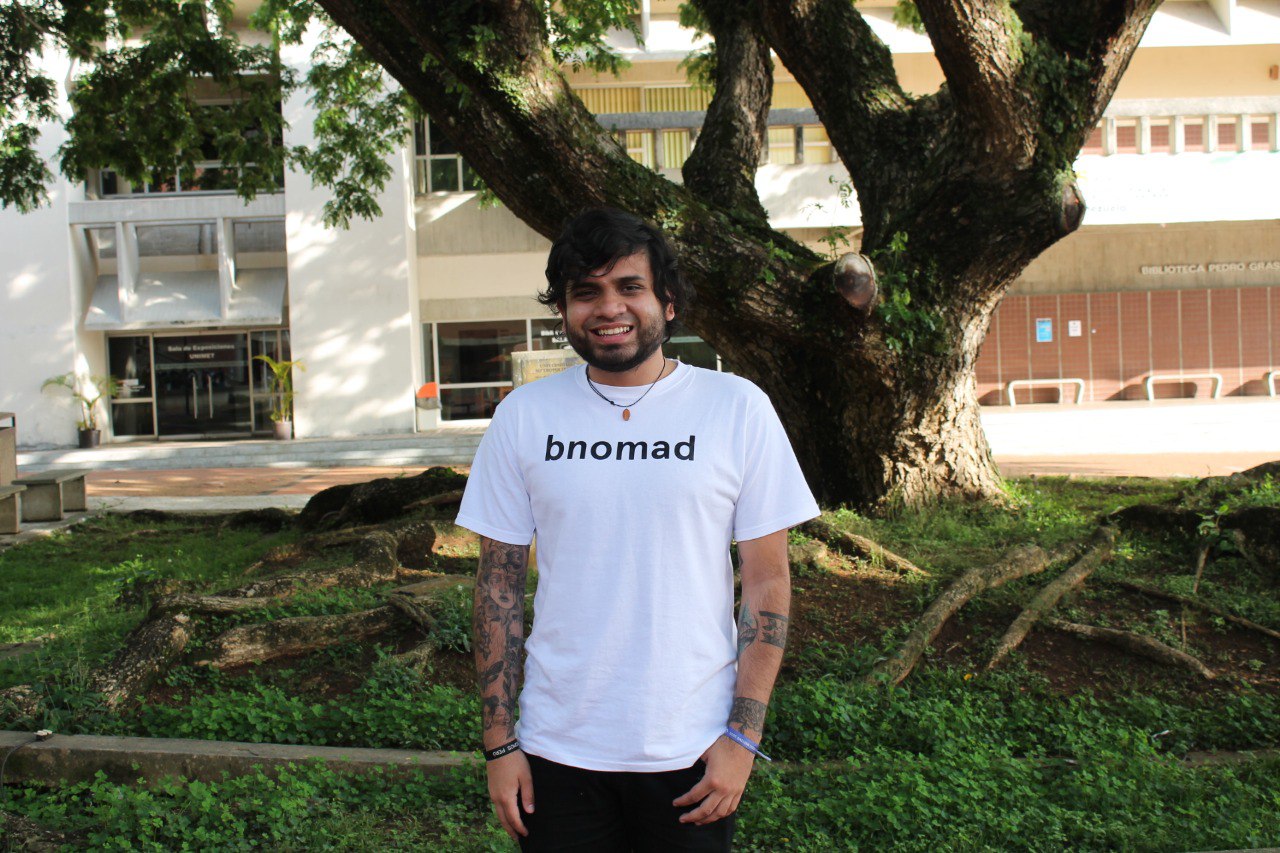
Located on the Balkan Peninsula in Southeast Europe, Albania offers rugged Balkan mountains, thousands of concrete Cold War bunkers, and a sacred cultural code known as “Besa,” which dictates that all guests must be treated with the utmost respect and honor.
This guide covers all these interesting things, including Albania’s most famous sights and fun facts, to help you understand and get along in a culture where head gestures are reversed.
Plus, we tell you how the Holafly eSIM for Albania will help you stay connected while hiking the Accursed Mountains, sipping an espresso at Tirana Square, or exploring the old war bunkers while getting to know the real Albanian culture.
Peace of mind before you fly
Set up your eSIM before travel and get unlimited data on arrival.
1. The ancient code of Besa
The most profound thing Albania is famous for is “Besa,” a traditional code of honor that means “to keep a promise,” and has become a defining element of Albanian culture.
This ancient concept means that an Albanian’s home belongs first to God and the guest, then to the master of the house.
Visitors frequently share stories of locals refusing payment for coffee or offering a place to sleep simply because the traveler is a “guest of the house”.
This spirit of protection was most famously seen during World War II, when Albanians risked their lives to save Jewish refugees, resulting in Albania being one of the few European countries with a larger Jewish population after the war than before it.
2. A landscape of 173,000 bunkers
When looking at any hillside or city corner, you’ll see what Albania is known for in the context of the past communist regime and the profound impact this had on the country’s history.
Between the 1960s and 1980s, the communist leader Enver Hoxha ordered the construction of over 173,000 concrete bunkers across the Albanian countryside, fearing a foreign invasion that never happened. Since then, Albania houses 170,000 bunkers, remnants of its communist past, many of which have been transformed into art galleries and museums.
Today, these mushroom-shaped structures have been repurposed into everything from art galleries and museums to cafes and even chicken coops. Visiting “Bunk’Art” in Tirana offers a deep dive into this era, showing how a nation’s politics became a permanent part of its visual identity.
3. The stunning Albanian Riviera
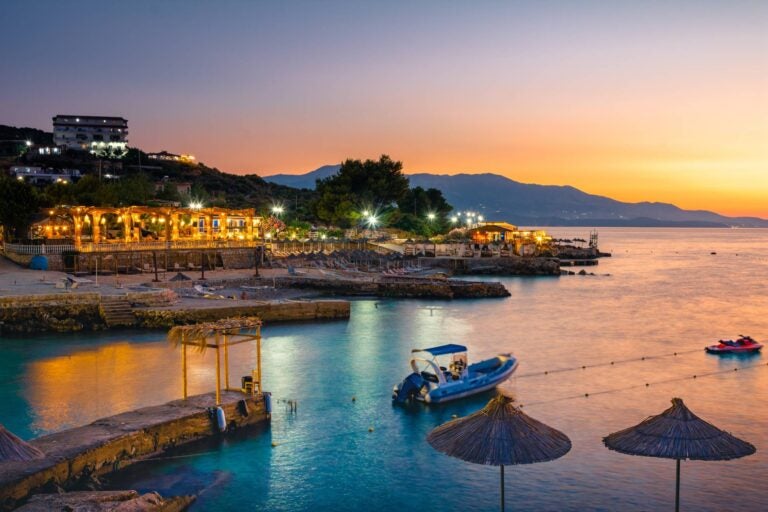
While many travelers head to Croatia, those in the know are flocking to the Albanian Riviera, where a stunning stretch combines the Adriatic and Ionian Seas across the country’s coast.
Located in southern Albania, this region is home to the most scenic beaches and showcases what Albania is known for among budget travelers and sunseekers. It’s also one of the places to travel in summer that many won’t consider.
Ksamil and Saranda offer turquoise waters and white-sand beaches that rival those of the Caribbean. Across the Albanian Riviera, Dhërmi, Himarë, and Ksamil are the most popular beaches, offering scenic views and few visitors.
The Riviera is often compared to the Mediterranean coastlines, such as the Amalfi Coast, but it remains an affordable, less developed destination, making it a hidden gem for travelers.
For many, the Riviera is the “Maldives of Europe,” especially in the islands of Ksmail, which are a short boat ride or swim away. The bright blue waters and small offshore islands attract tourists to Ksmail, making it a popular swimming and relaxation destination and a key reason Albania is rapidly growing as a must-visit Mediterranean destination.
4. Mother Teresa’s heritage
Anjezë Gonxhe Bojaxhiu is one of Albania’s most famous people in all history, better known as Mother Teresa. She was born in Macedonia, but she has Albanian origin and frequently spoke of her “Albanian Blood.”
Nowadays, Albanians are really proud of their legacy of selflessness. The Mother Teresa International Airport is located in Tirana. There are many statues throughout the country, and she remains a symbol of the country’s spirit of hospitality and care for others.
5. Reversed body language for “yes” and “no”
In Albania, nodding your head means no, while shaking your head from side to side means yes, and this is one of the most interesting facts about Albania, as it’s all the opposite of Western cultures.
This can easily lead to confusing interactions at restaurants or shops for first-time visitors. However, many Albanians, especially in tourist areas, speak English, which helps visitors navigate these cultural differences with ease.
A popular joke is the “Albanian shake,” which advises newcomers to watch for verbal cues rather than just looking at head movements to avoid ordering the wrong drink.
6. The Mercedes-Benz obsession
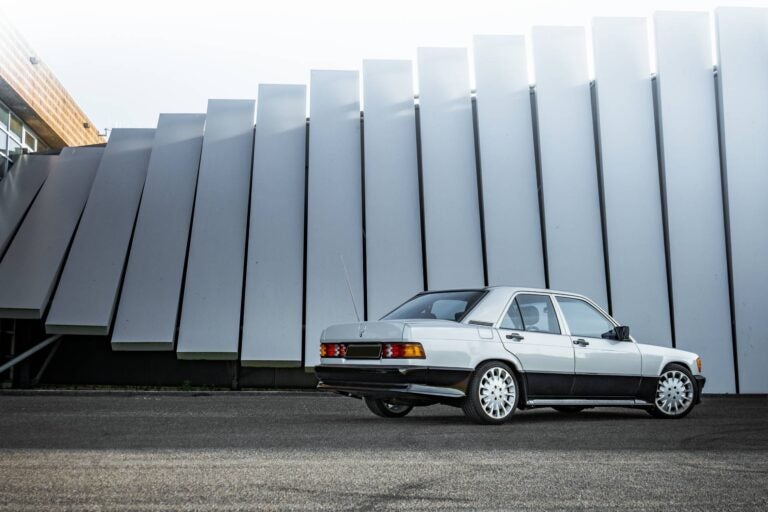
When walking around the streets of Tirana or Shkodër, you’ll notice a recurring theme: Mercedes-Benz. It is a quirky part of what Albanians are known for in modern times.
After communism fell in 1991, the “Benz” became the ultimate symbol of success and freedom. Estimates suggest that a significant percentage of all registered cars in the country carry the silver star.
Whether they are 30-year-old diesel models or the latest luxury SUVs, the obsession remains a visible cultural phenomenon.
7. Skanderbeg – the national hero
Gjergj Kastrioti, known as Skanderbeg, is a symbol of Albania’s rich history and is what Albania is famous for in terms of military heritage. In the 15th century, he led a 25-year rebellion against Ottoman rule, successfully defending his homeland and halting the Ottoman expansion into Western Europe for decades.
His image is everywhere: on currency, the names of plazas, and as the centerpiece of the capital’s main square. His helmet, topped with a goat’s head, is one of the most recognizable symbols of the nation.
Still, Albania was ruled by the Ottoman Empire for over four centuries, evident in its cuisine, architecture, and religious landscape.
8. A language with no relatives
Albanian, known as Shqip, is the official language of the country and is used in daily life, government, and education.
One fun fact about Albania is that its language is a linguistic mystery. As an Indo-European language, Albanian occupies its own completely independent branch, meaning it has no close language relatives and doesn’t sound like Italian, Greek, or Slavic languages. Scholars believe Shqip descends from the ancient Illyrian language.
When traveling, learning words like Përshëndetje (Hello) and Faleminderit (Thank you) will help you show respect to locals. An Albanian SIM card or eSIM can give you access to Google Translate on the move in case you forget.
9. A global model for religious harmony
Albania is often cited by the United Nations and the Pope as a global example of religious tolerance. It’s a country where mosques, Catholic churches, and Orthodox cathedrals often stand on the same street. This harmony is what Albania is known for in a region that has historically seen much religious conflict.
During the communist regime, religion was banned entirely. Albania became the first atheist country in the world, officially declaring itself an atheist state in 1967 and suppressing all religious beliefs.
The communist regime under Enver Hoxha enforced strict secular policies, persecuted religious communities, and sought to eliminate religious practices from public life.
In reality, this period helped forge a national identity that places “Albanianism” above specific religious sects. Today, it’s common for families to celebrate both Eid and Christmas together, reflecting a renewed spirit of religious tolerance.
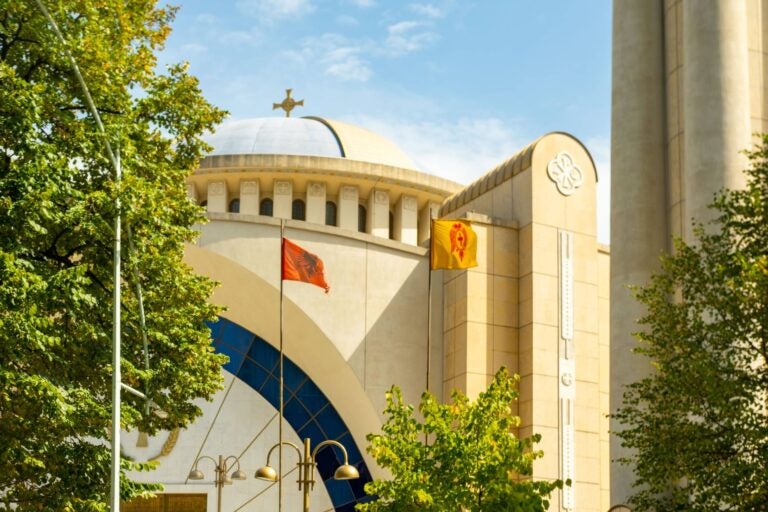
10. Shqipëria – the land of eagles
While the world calls it Albania, locals call their country “Shqipëria,” which means “Land of the Eagles.” The national flag features a prominent double-headed black eagle on a red background, a symbol deeply tied to Albania’s rich history and Albanian origin.
This emblem dates back to the Middle Ages and Skanderbeg’s family crest, reflecting the longstanding national pride and heritage. The eagle represents the fierce independence and bravery of the Albanian people.
If you are hiking in the northern Alps, keep your eyes on the sky; you might just spot the majestic bird that gave the country its name.
11. A world-class coffee culture
If you want to know what is Albania known for on a daily basis, look no further than the nearest coffee shop. Coffee shops are central social spaces in Albanian culture, with the country boasting one of the highest numbers of cafes per capita in the world, with over 15,000 registered stores.
Coffee isn’t just a caffeine fix here; it’s a social ritual that can last for hours. You will rarely see an Albanian with a “to-go” cup. Instead, they sit and enjoy a small, strong espresso or a Turkish coffee while catching up on the news.
If you’re planning to work from one of these beautiful coffee shops, ensure you stay secure with the best VPN for Albania, or rely on Holafly Plans to get unlimited data that travels with you.
12. The evening walk – “Xhiro”
During sunset, cities across the country transform for the “Xhiro,” an unofficial tradition where everyone leaves their homes to walk up and down the main pedestrian streets. It’s a time for people to see and be seen, gossip with neighbors, and enjoy the cooler evening air.
In many towns, the main roads are actually closed to cars during these hours to allow the community to take over the pavement. Xhiro is the heart of Albanian social life and an expression of the warm hospitality for which Albanians are known.
Visitors often find locals eager to share stories, offer help, and recommend their favorite places during the Xhiro, creating a strong connection between travelers and the communities they visit.
13. The Blue Eye (Syri i Kaltër)
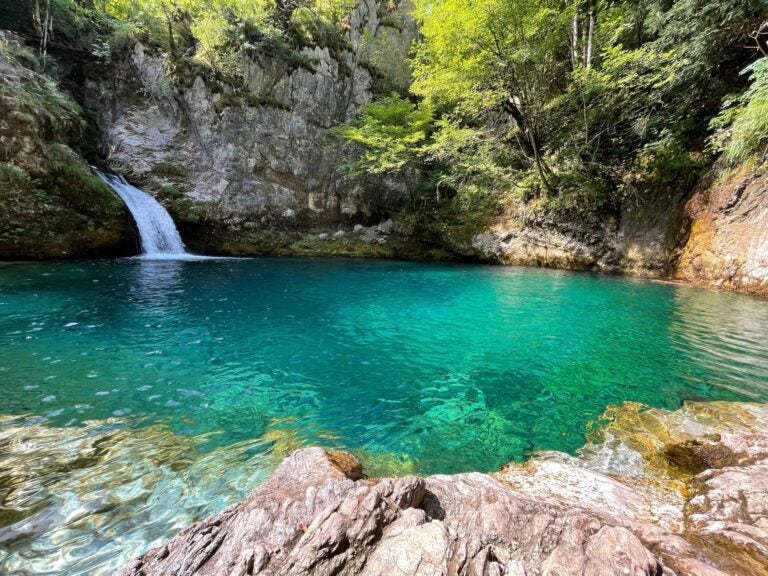
Albania is home to one of the most beautiful natural wonders in the Balkans, the Blue Eye, a natural spring located in southern Albania.
This remarkable phenomenon near Saranda is famous for its vivid turquoise waters, which bubble up from depths of more than 50 meters.
Divers have tried to reach the bottom, but the pressure is so high that no one has yet discovered how deep it truly goes.
The vibrant colors of the water, ranging from electric blue to deep emerald, make it a top spot for enthusiasts of interesting facts about Albania.
14. UNESCO World Heritage Site cities of stone and a thousand windows
Albania is famous for its exceptionally well-preserved Ottoman-era architecture. Gjirokastër, known as the “City of Stone,” and Berat, known as the “City of a Thousand Windows,” are both UNESCO World Heritage Sites.
Berat is nestled among rugged mountains, providing a dramatic backdrop for exploring its historic streets. The historic centers of Berat and Gjirokastër are recognized as UNESCO World Heritage Sites for their well-preserved Ottoman architecture and cultural significance.
These cities feature unique white-washed houses built into the hillsides with large windows that seem to watch over the valley. Walking through their cobblestone streets feels like stepping back 500 years.
15. A country without McDonald’s
In an era of global franchises, Albania remains one of the few European countries without a single McDonald’s.
Instead, the country is celebrated for its amazing food scene, where Albanian cuisine stands out as a highlight for visitors and locals alike.
The government and the people have largely preferred to support their local food scene, emphasizing traditional dishes rooted in Mediterranean and Balkan cuisines. Albanian cuisine is known for its flavorful dishes that combine grilled meats, fresh vegetables, olive oil, and homemade breads, reflecting both regional hospitality and communal eating customs.
16. Byrek and Tavë kosi
The lack of McDonald’s is one of the fun facts about Albania that highlights their pride in traditional cuisine, such as byrek, one of the most popular traditional foods. This is a flaky pastry filled with cheese, spinach, or meat, often enjoyed as a snack or a main dish.
Meanwhile, Tavë kosi, considered a national dish, is a baked lamb dish with yogurt and herbs that showcases the country’s rich culinary heritage.
Other beloved Albanian foods include stuffed peppers, savory pies, fish dishes, and recipes featuring cottage cheese. The influence of Balkan traditions and the integration of Mediterranean and Balkan culinary practices make Albanian cuisine both diverse and distinct, contributing to the country’s authentic and less commercialized appeal compared to many other tourist hotspots.
Discover all the interesting facts about Albania with Holafly
Albania is known for many reasons: from beautiful beaches that rival those of the Caribbean to a unique language with no relatives.
But to discover all this and explore the hidden gems of Albania, like Syri i Kaltër and the Albanian Riviera, you’ll need mobile data, and an eSIM is a great option. It’ll help you translate things from Albanian, look for addresses, or safely work from a local coffee shop.
You can choose either an eSIM for Albania or Holafly Plans based on your travel itinerary. Both include unlimited data, 5G coverage when available, 24/7 customer support, and you can get up to unlimited hotspot data.
Plus, the only thing you need is an eSIM-compatible phone, and you’ll be ready to explore the country with over 170,000 war bunkers and a unique language.
Peace of mind before you fly
Set up your eSIM before travel and get unlimited data on arrival.
Plans that may interest you


I first started my content creation journey as a freelancer in 2019, before connecting with Holafly in 2021. At Holafly, my travel and tech interests come together in one place as I craft high-quality articles about the eSIM and related markets. My content aims to help travelers stay connected, wherever they are.

