







 Language
Things to do in Belgium: The ultimate guide for first-time visitors
Top things to do in Belgium, including visiting major cities like Brussels, Bruges, Antwerp, and Ghent. Explore lesser-known attractions in the country.

Planning your first trip to Belgium? This compact nation offers US travelers an accessible blend of history, culture, and cuisine. If you are a first-time traveler, there are many things to do in Belgium, from visiting the historic architecture in Brussels to the misty mornings of Bruges.
This guide covers iconic must-see attractions in Belgium, top cities to visit, local experiences, and hidden gems beyond the tourist track.
We will also help you stay connected during your trip, with Holafly eSIM for Belgium, offering unlimited data, reliable coverage, and 24/7 customer support.

Peace of mind before you fly
Set up your eSIM before travel and get unlimited data on arrival.
What should you not miss in Belgium?
For your first trip, focus on these five key experiences to enjoy Belgium’s culture, history, and food.
| Attractions | Reasons to visit |
|---|---|
| Grand Place | The central square of Brussels.one of the most beautiful in Europe. |
| Bruges canals | Boat tours along the canals.Unique perspective of the city’s brick Gothic buildings. |
| Ghent Old Town | Vibrant, less-commercialized look at Belgium’s history |
| Belgian waffles and chocolate | Visit traditional chocolatiers in Brussels or Antwerp. |
Best things to do in Belgium by city
As in most European countries, Belgium’s attractions are spread across its major cities.
Things to do in Brussels, Belgium
Brussels is naturally the first place most travelers visit. The capital offers diverse attractions, giving first-time visitors a taste of historic and modern Europe.
Grand Place
The Grand Place is the historical and cultural heart of Brussels, and the first stop for most travelers. This UNESCO World Heritage site is widely considered one of the most beautiful squares in the world, surrounded by opulent, gold-leaf guildhalls.
- Tip: Visit twice, once during the day to appreciate the intricate architectural details, and again at night when the entire square is dramatically illuminated.
Atomium
Originally constructed for the 1958 Brussels World’s Fair (Expo 58), the Atomium is a striking modernist landmark. The structure includes nine massive, stainless-steel spheres, six of which are open to the public, housing permanent exhibitions and a restaurant.
- Tip: Book your tickets online in advance to skip the long elevator lines, which shoot you straight to the top sphere for a panoramic 360-degree view of the city.
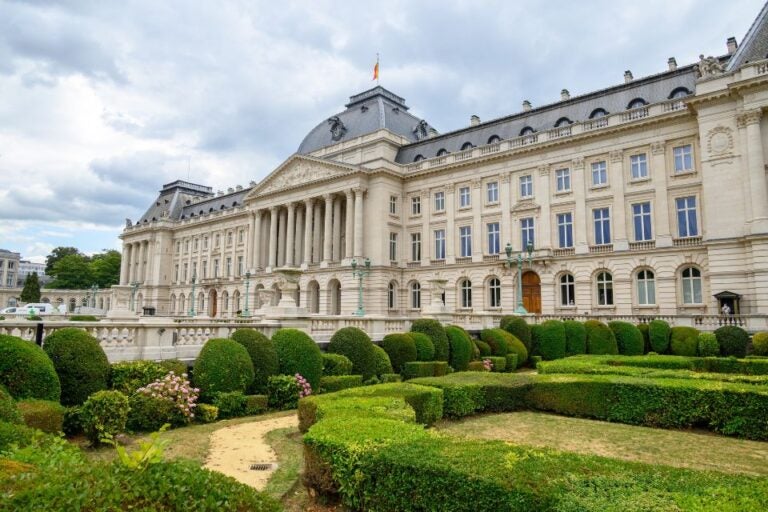
Royal Palace
The Royal Palace is the King and Queen’s official home. This 19th-century Neo-Baroque building features a grand facade that reflects the country’s royal heritage and political history.
- Tip: The palace interior is open for free tours during the summer (late July to late August). Check the schedule to see the Mirror Room decorated with beetle wings.
Brussels’ local tips
To experience Brussels like a resident, explore these distinct municipalities:
- If you like antique shops and daily flea markets, visit Marolles, a historic neighborhood located south of the city center.
- Saint-Gilles is the city’s artistic hub, home to the Horta Museum. It is full of lively cafe terraces, open-air markets, and a diverse, multicultural food scene.
- Visit Châtelain on a Wednesday afternoon to join the locals and enjoy cheese, wine, and socializing.
- Brussels has one of the best Christmas Markets in Europe. Don’t miss the city vibe during this period.
Things to do in Bruges, Belgium
Bruges is the fairytale city of Belgium, captivating first-time travelers with its remarkably preserved medieval charm and mist-covered canals.
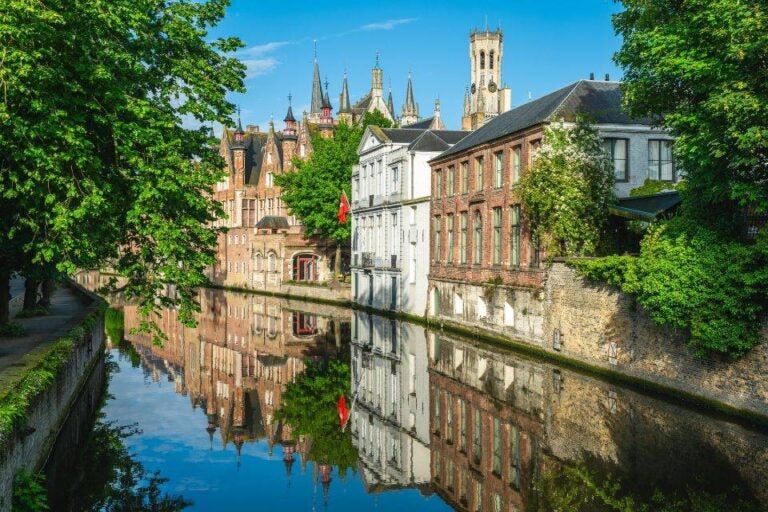
Bruges Canals
The canals of Bruges are the lifeblood of the city, passing historic walls, willows, and gardens. A boat tour provides a unique view of medieval architecture and bridges, showing parts of Bruges you can’t reach on foot.
- Tip: Schedule your boat tour for early morning when the water is still, and the mist is over the canals.
Belfry Tower
The 13th-century Belfry Tower is 83 meters tall and symbolizes the city’s medieval independence and wealth. Visitors can climb the 366 narrow, winding steps to the top to see the treasury and the 47-bell carillon.
- Tip: To avoid long waits and guarantee a morning visit, book your tickets online in advance.
Markt Square
Markt Square is the bustling heart of Bruges, lined with colorful, gabled guildhalls. Since the 10th century, this large public square has been Bruges’ commercial heart. Today, it’s the perfect place to watch people and admire the impressive Gothic buildings that surround it.
Things to do in Ghent, Belgium
Ghent serves as a quieter, less crowded alternative to Bruges. It features the same style of medieval architecture and historic canals, but operates as a functioning university city with a strong local community.
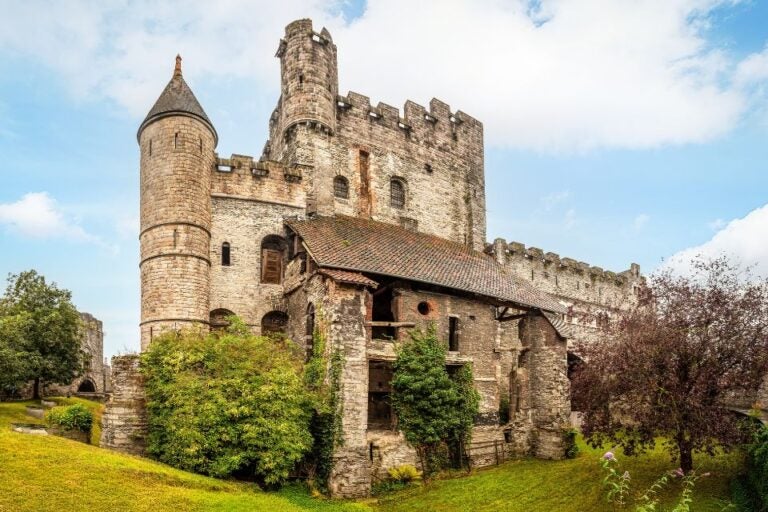
Gravensteen Castle
Gravensteen is a 10th-century fortress in Ghent. It stands as one of the few nearly intact medieval castles left in Flanders, offering visitors a vivid glimpse into the region’s historical heritage.
- Tip: Use the official audio guide during your tour, as it uses humor to make the castle’s complex history easy to understand and engaging.
Canals of Ghent
The canals of Ghent meet at the center of the city, framed by the historic Graslei and Korenlei stone quays. These waterways are lined with beautifully restored 12th-century guildhalls and offer a calm, scenic route for boat tours through both the historic core and industrial outskirts.
Nightlife Vibe
Because Ghent is home to a large university, the city has a relaxed and energetic nightlife. Ghent’s nightlife features cozy historic pubs, jazz bars, and terraces along the canals. Here, locals gather to savor Belgian beers and listen to live music.
- Tip: If you visit Ghent in July during the ten-day Gentse Feesten festival, you can experience the entire city transformed into a huge, free open-air music celebration.
Things to do in Antwerp, Belgium
For visitors interested in contemporary style, shopping, and art, Antwerp offers a direct look at Belgium’s modern, creative side. As a major port city in northern Belgium, it is a global hub for the diamond trade and has an influential fashion scene shaped by local designers.
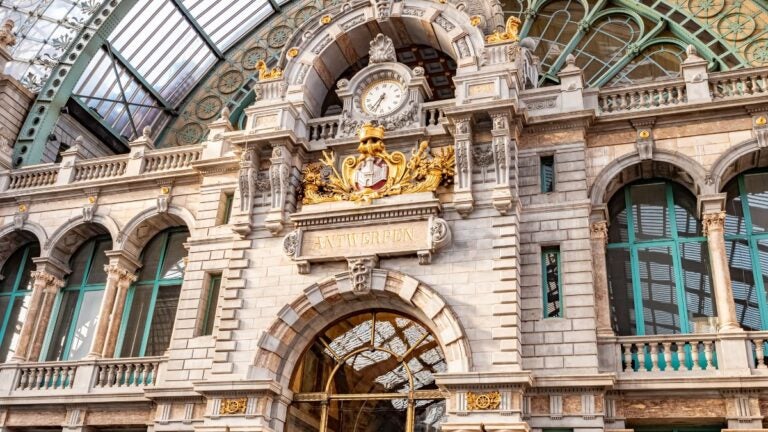
Antwerpen-Centraal Railway Station
Often cited as one of the most beautiful train stations in the world, Antwerpen-Centraal is a monumental stone and glass structure completed in 1905. The station has a large dome and tracks on different levels, acting as a main transport point and a famous building.
- Tip: Even if you do not arrive in Antwerp by train, step inside the main hall to view the grand staircase and intricate ironwork. Entrance is completely free.
The Diamond District (Diamantkwartier)
Located right next to the central station, this small neighborhood consists of a few pedestrian streets that handle the majority of the world’s rough diamonds. It is a highly secure, bustling commercial zone filled with jewelry shops, trading halls, and diamond cutters.
- Tip: Most trading activity happens behind closed doors during the regular workweek, so visit Monday through Friday if you want to see the district at its busiest.
Royal Museum of Fine Arts Antwerp (KMSKA)
The KMSKA is the largest art museum in Flanders, housing a premier collection of paintings and sculptures from the 14th to the 20th centuries. All displayed inside an elegantly restored, grand 19th-century building.
- Tip: Visit on a Thursday evening when the museum extends its hours until 10:00 PM, allowing you to view the galleries with fewer crowds.
Beyond the big cities: Hidden gems in Belgium
For travelers looking to explore outside the major hubs, Belgium offers a variety of lesser-known destinations that feature distinct regional history, natural landscapes, and authentic local life.
Dinant, Durbuy, and Namur
These southern towns in the Wallonia region are defined by their scenic river views and proximity to nature.
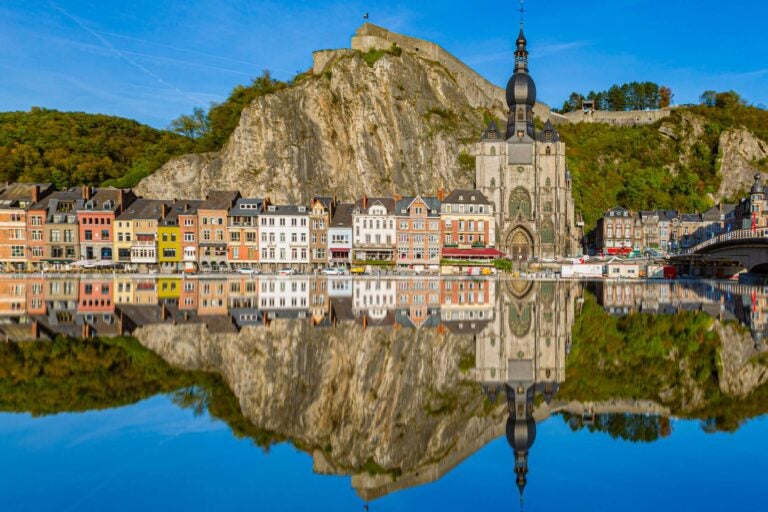
- Dinant sits between a cliff and the Meuse River, known for its citadel and saxophones.
- Durbuy, known as the world’s smallest city, has cobblestone streets amid the Ardennes forest.
- Namur, Wallonia’s capital, has a large hilltop fort and calm riverside vibes.
Leuven, Mechelen, and Mons
These three cities offer rich history with a strong local community focus.
- Leuven: A lively student city with an old university and a Gothic town hall.
- Mechelen: A quiet, historic city located halfway between Brussels and Antwerp, known for its family-friendly atmosphere.
- Mons: A cultural hub in the west with historic Grand Place and unique Baroque architecture.
Liège and Charleroi
These cities, rich in industrial history, provide a raw and genuine glimpse into Belgium’s post-industrial scenery.
- Liège sits along the Meuse River and features a lively food scene, steep historic staircases, and a distinct cultural identity.
- Charleroi, a former industrial center, now features museums and art spaces in its old buildings, attracting those looking for unique travel.
Zeebrugge
Situated directly on the North Sea, Zeebrugge features a wide, uncrowded sandy beach, a busy fishing port, and excellent seafood restaurants. Because it connects directly to the national rail network, it’s an easy day trip to the Belgian coast, perfect for avoiding crowded resorts.
Unique and fun things to do in Belgium
Belgium offers a variety of interactive, cultural, and scenic experiences that allow visitors to engage directly with local traditions:
- Beer Tasting Tours: Visit old breweries and pubs to discover classic beers, brewing methods, and special glasses
- Chocolate-Making Workshops: Participate in hands-on classes to temper chocolate, mold shells, and create your own custom pralines.
- Festivals and Local Markets: Experience local traditions and social life at markets or music festivals.
- Street Art and Alternative Neighborhoods: Visit creative city areas in Brussels and Antwerp for comic murals and street art.
What is a must-eat in Belgium?
One of the most enjoyable things to do in Belgium is to taste different Belgian foods. Belgium’s capital is a top European food destination, with essential flavors that visitors should try, including:
- Carbonnade Flamande: A rich, deeply comforting beef stew slow-cooked with Belgian beer and onions, giving it a savory taste with a subtle hint of sweetness.
- Artisanal Pralines: Bite-sized chocolate shells filled with smooth, decadent hazelnut or cream ganache that melts instantly in your mouth.
- Waffles: Pick between a light, crispy Brussels waffle or a dense, chewy Liège waffle with caramelized sugar.
- Belgian Fries: Thick-cut and double-fried in beef tallow for a crispy exterior and soft interior, traditionally served in a paper cone with mayonnaise.
- Chocolate: Famous for inventing the filled praline shell. Try artisanal shops for fresh, small-batch chocolates using 100% cocoa butter.
- Beer Varieties: Try traditional brews like Trappist ales, Lambics, and Witbiers.
- Moules-Frites: Mussels steamed in white wine and veg broth, served with fries.

Practical travel tips for visiting Belgium
Here are some practical tips for your trip to Belgium.
Is 3 days enough in Belgium?
Yes. Because the country is compact and highly connected, you can see the highlights in a short timeframe:
- Day 1: Explore the historic center and museums of Brussels.
- Day 2: Experience the medieval architecture and canals of Bruges.
- Day 3: Visit the university city of Ghent for a mix of history and local culture.
Do people in Belgium speak English?
Yes. Belgium has three official languages (Dutch, French, and German), but English is widely spoken across the country.
How to get around Belgium?
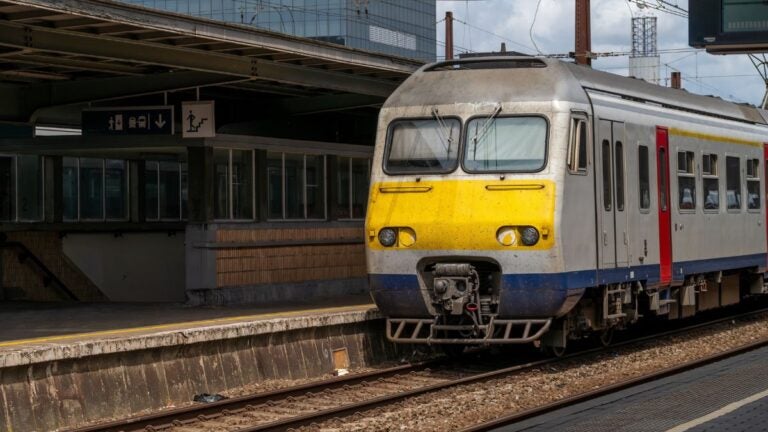
The country features an efficient and dense national train system (NMBS/SNCB). Belgium’s major cities have frequent direct trains, so you won’t need to rent a car.
Trip Planning Tips
- Most major cities are less than an hour away by train, so you can stay in Brussels and take day trips.
- Because Bruges and Ghent sit on the same train line, you can easily visit both in one day.
- While 3 days covers the basics, planning 3 to 5 days allows for a more relaxed pace and a chance to see Antwerp or the Ardennes region.
Tips for Different Travelers
- Young Adults: Focus on the energetic nightlife, summer music festivals, and creative fashion scene in Antwerp and Ghent.
- Families: Keep children engaged by visiting medieval castles (like Gravensteen), interactive chocolate-making museums, and expansive public parks.
- Couples: Spend time in Bruges and scenic southern towns for romantic canal views, intimate boutique hotels, and historic architecture.
Stay connected while exploring Belgium
Exploring Belgium and visiting different cities requires a reliable connection, as you need internet to check the map, book tickets, or share your journey on social media. Most travelers purchase a Belgium SIM card, but it’s not always the best option, as they usually offer limited data. That’s why purchasing an eSIM can be a more cost-effective option.
Holafly eSIM for Europe offers unlimited data, flexible plan durations, and 5G speeds for different travel types, and reliable coverage all around Europe. So, even if you want to visit another European country after Belgium, you won’t need to purchase another SIM card. You can keep the same eSIM and use the same unlimited data wherever you go.
That’s not all. Holafly makes travel easy by including 1 GB of Always On backup data with every eSIM purchase. No hidden fees. Simply keep the Holafly eSIM installed on your device to stay connected whenever travel gets difficult.

Keep your passport in its hiding place
Save your passport for the airport, our eSIMs don't need it.
Plans that may interest you


Formerly a travel journalist turned marketing copywriter, I found my way back to the travel world with Holafly—my dream company that made remote work possible. My motto? “Dream big and make it happen.” I’m passionate about writing, exploring the world, and staying active through walking, running, swimming, and hiking. I also love learning, reflecting, and connecting with inspiring minds.


