Language


 No results found
Surf in the Philippines: Best beaches and prices
Add a touch of adventure to your trip and try surfing in the Philippines! Discover the best beaches, seasons and costs.

Between the Philippine Sea and the Pacific Ocean, more than 7,000 islands offer consistent waves and tropical weather. These conditions turn this destination into a highly sought-after place for surfing. For this reason, this article will explain everything you need about surfing in the Philippines. From the famous waves of Siargao to the beaches of La Union and Zambales, this archipelago suits every level.
We’ll show you where you can find the best spots, which surf schools operate there, and which seasons work best for this watersport and how much it all costs. We’ll also share a few tips so you start this adventure on the right foot and surf responsibly, respecting ocean rules and the environment. In addition, Holafly becomes your best ally in the water, so you always stay online in every corner of the country.
The 5 Best Places To Surf In The Philippines
A surf day in the Philippines starts with choosing which beach you’ll ride, because each one has its own character. Some suit beginners, thanks to gentler swell, while others offer waves that challenge even very experienced surfers. If you’re visiting for tourism or living here for a while as a digital nomad and you want new thrills, we recommend you experience catching a wave here. Below, we’ve picked a guide with the five top places.
1. Siargao – Cloud 9 Wave
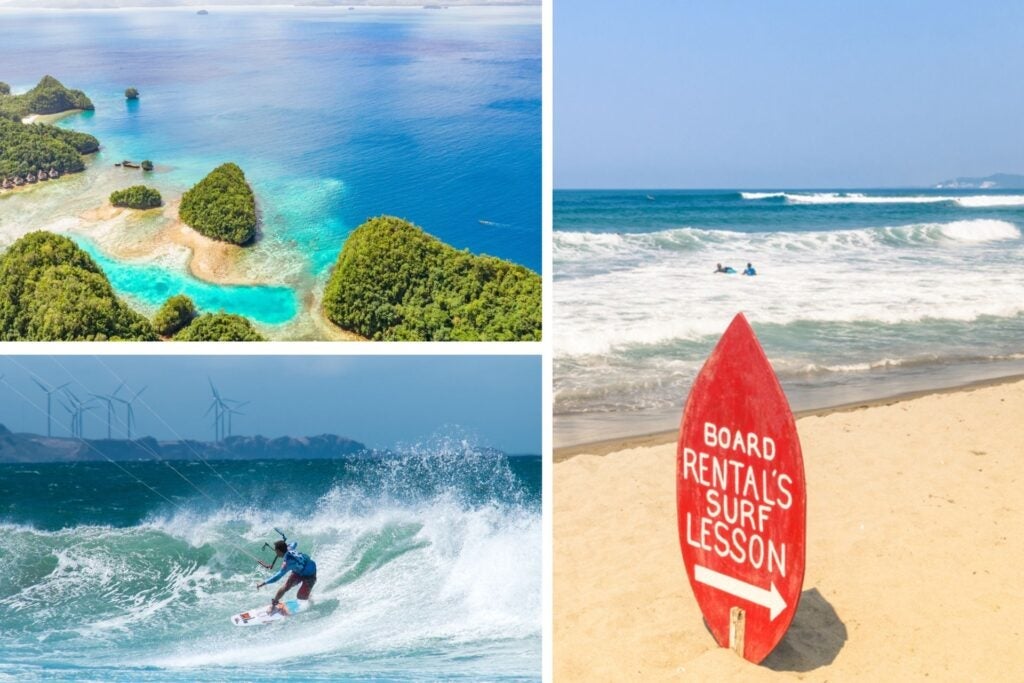
Siargao stands as the surf capital of the Philippines, thanks to its famous Cloud 9 wave, one of the world’s best for its perfect barrel and power. This small island lies in Surigao del Norte and breathes a pure surf atmosphere, with turquoise beaches, palm trees and reggae beach bars. We recommend this beach for intermediate or advanced surfers, because the waves break very fast and with plenty of force.
Every September, the Siargao International Surfing Cup takes place here as part of the World Surf League Qualifying Series (WSL QS), with competitors from across the globe. You can also book lessons at Coconut Surf Siargao or Siargao Bleu Surf School, or stay at Kermit Siargao Surf Resort & Camp.
2. La Union – San Juan
About five hours north of Manila, you’ll find La Union province, often called the surf capital of Northern Philippines. It’s the perfect place to start surfing without leaving Luzon, with consistent year-round waves of moderate intensity. The lively scene, full of restaurants, beach bars and street art, makes this a very comfortable spot to combine tourism and surfing.
You have several schools where you can start practising on a board, such as San Juan Surf School, Monaliza Surf School or Sebay Surf Central. If you get the chance, don’t miss the best-known local festival here, with surf, music and Filipino food, called La Union Surfing Break.
3. Baler – Aurora
Another of the best surf spots in the Philippines sits in Baler Bay, in Aurora province, around six hours from Manila. In the 1970s, US soldiers introduced the sport here, so many locals see Baler as the birthplace of Philippine surfing. Its main beach, Sabang Beach, offers soft, consistent waves, which suit anyone learning to surf. However, you’ll also find more challenging breaks, such as Cemento Reef or Charlie’s Point, if you already surf with confidence.
When it comes to surf schools, you can choose Charlie Does Surf School, Baler Surf School or Aliya Surf Camp, with accommodation included. If you visit Baler in February, don’t miss the Aurora Surfing Challenge, which gathers top local and international surfers.
4. Zambales – San Antonio And San Narciso
We continue our search for the best surf beaches in the Philippines and reach Zambales, about three hours from the capital. If you prefer quieter places, the beaches of Crystal Beach in San Narciso or Liwa-Liwa in San Felipe work well for both beginners and intermediate surfers. Surfing here means riding surrounded by wild nature, with mountains and dark volcanic sand.
Every year, the Zambales Surfing Festival takes place, a local event that promotes surfing and sustainable culture. You’ll also find several surf schools with accommodation in this area, including Liwa-Liwa Surf Camp, Crystal Beach Surfing School and Good Karma Surf Camp.
5. Pagudpud – Saud Beach
Finally, we want to highlight a region in Ilocos province, about ten hours by car from Manila, called Pagudpud. This is the most remote surf destination in the Philippines, but its mountains, rice fields and white sand make the journey worthwhile. The consistent waves suit surfers with an intermediate level and, if you want to improve your technique, you can take lessons at Pagudpud Surf Academy or stay at Kingfisher Surf School & Resort. As a key event, the Ilocos Norte Surf Festival takes place on Saud Beach.
Connectivity While Surfing In The Philippines
From the moment you land in the country, a stable internet connection becomes essential for a more organised and safer trip. In addition, if your main plan is surfing in the Philippines, you’ll need to go online frequently to check surf forecasts, wave conditions or book your lessons at local schools. For that reason, you can choose the eSIM for the Philippines with unlimited data, only for the days you need, which suits short trips of one or two weeks.
On the other hand, if you plan a longer stay and want to visit more Asian countries, Holafly monthly plans work perfectly to keep you connected. You’ll share your data with other devices at the same time, either with the 25 GB plan or the unlimited option, and forget about extra roaming fees. Plus, you can travel to over 170 destinations with the same eSIM!
Important: If you are a frequent traveler and want to stay connected without worrying about expensive roaming or looking for a new SIM at every destination, Holafly’s subscription plans are for you. With a single eSIM, enjoy internet in more than 170 countries for a fixed price and no surprises on your bill. Travel without limits and connect easily and securely! 🚀🌍

Best Seasons For Surfing In The Philippines
The season you visit this country will shape sea conditions, beach state and wave consistency. You can surf in the Philippines all year, but it helps to understand each period’s characteristics. Here’s a summary of the main ocean conditions by season and the most suitable level for each:
- August to November: Only suitable for very advanced surfers, because the swells grow more intense, especially in Siargao with Cloud 9.
- September to October: During these months, Siargao offers the best surfing, with around 80% perfect waves up to three metres high, ideal for advanced and intermediate levels.
- November to March: Waves feel gentler, especially along the west coast, in places like La Union. If you’re a beginner, this season suits you best.
- May to July: This low season brings fewer people and lower prices, perfect for starting in the sport, with calm water but still some bigger sets.
Costs Of Surfing In The Philippines
The Philippines has a low cost of living, so it ranks among the most affordable Southeast Asian surf destinations, especially compared with places like Bali, Sri Lanka or Costa Rica. If you visit the country mainly to surf, we recommend staying at a surf camp, because you’ll have accommodation, meals and lessons in one place. However, if you only want to try surfing for a couple of days, you can book group or private lessons. Here’s a table with the main expenses you’ll probably face:
| Service | Rates |
|---|---|
| Equipment rental (board and wetsuit) | from $7.00 (€6.00) per day |
| Beginner group class | from $30 (€25) for 2 hours |
| Pack of 3 beginner classes | from $105 (€90) |
| Private lesson | from $35 (€30) for 2 hours |
| Surf camp with accommodation, equipment and classes | from $577 (€495) for 7 days |
Approximate costs for surfing in the Philippines.
How To Start Surfing In The Philippines
To enjoy this experience to the fullest, you need more than a list of the best surf spots and seasons in the Philippines. You can also follow the guidelines below. This way, you’ll feel better prepared to enter the water and make the most of every surf session in a safe, responsible way:
- Define your level and goal: Decide whether you’re a beginner, intermediate or advanced surfer, then contact a surf school to learn technique from scratch or keep progressing.
- Choose the area by level: Each region offers beaches with specific conditions for each level. For example, beginners should focus on La Union, Baler or Zambales, while intermediate and advanced surfers should head to Siargao or Pagudpud.
- Book a reliable school: Look for a certified centre with local instructors and solid online reviews.
- Rent gear or bring your own board: If you’re just starting, renting gear at a surf centre usually feels more convenient. However, if you already surf confidently and prefer your own board, you can travel with it after checking the airline’s conditions.
- Learn basic safety: Learn how to spot rip currents and how to leave them calmly, by floating and paddling parallel to the shore. You also need to understand how to read ocean conditions, including swells, wind and tides.
- Stay responsible: Respect protected areas, avoid surfing beaches above your level and always keep the beach clean.
Frequently Asked Questions About Surfing In The Philippines
You don’t need any, because schools offer beginner lessons that teach you from scratch, including standing up and basic safety.
Like any other surf destination, the sea has currents and powerful waves in some areas, so you must always respect beach conditions and avoid surfing spots that don’t match your level.
If you travel mainly for tourism, renting a board there usually feels more comfortable. However, if you’ll stay for a long period and you want a specific board, you can bring it on your trip. We recommend checking your airline’s sports baggage fees.
Yes, you should take out a travel insurance policy that covers watersports such as surfing, including accidents, evacuation and hospital treatment.
You can download apps such as Windy, Magicseaweed or Surfline to check the swell, wind and tides.