Language


 No results found
Surf in Biarritz: Best beaches and prices
Discover how to surf in Biarritz: the best beaches, prices, seasons and tips for making the most of the waves.

Biarritz is a place where the sea and love for waves are felt everywhere. This coastal town, full of history and charm, offers a unique experience for those who seek surf, nature and a relaxed vibe beside the Atlantic. In the lines below you’ll discover why this corner of the French Basque Country became a world surfing benchmark, when it’s best to visit and roughly what you might pay to enjoy this adventure.
Get ready to learn everything needed to plan your trip — from costs and ideal seasons to the most recommended spots to hit the water and soak up the true surfer spirit of Biarritz.
Best places to surf in Biarritz
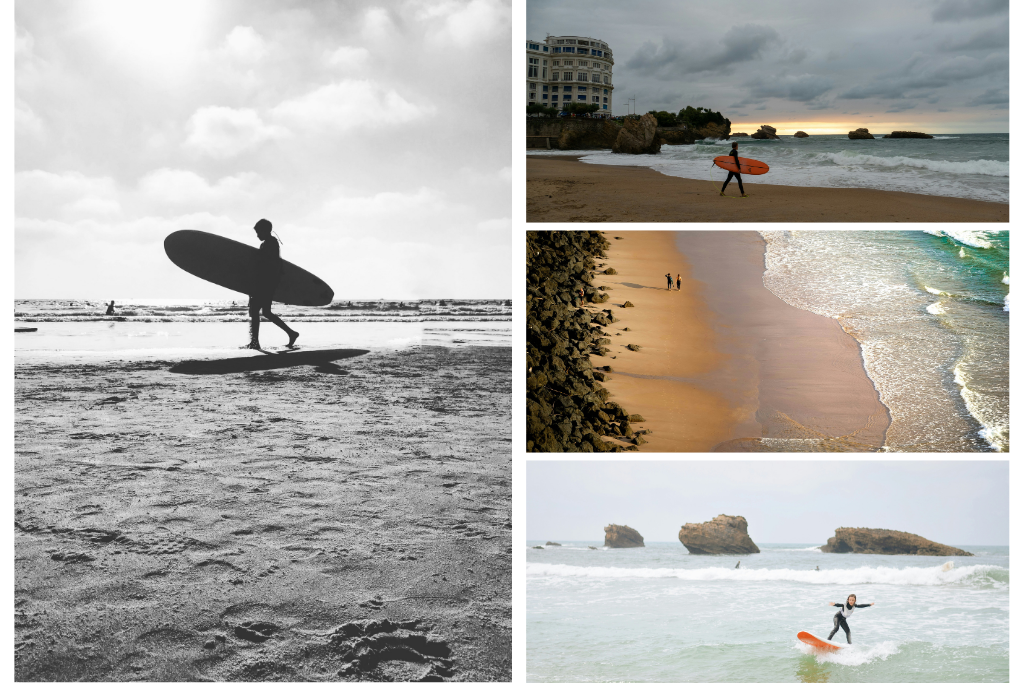
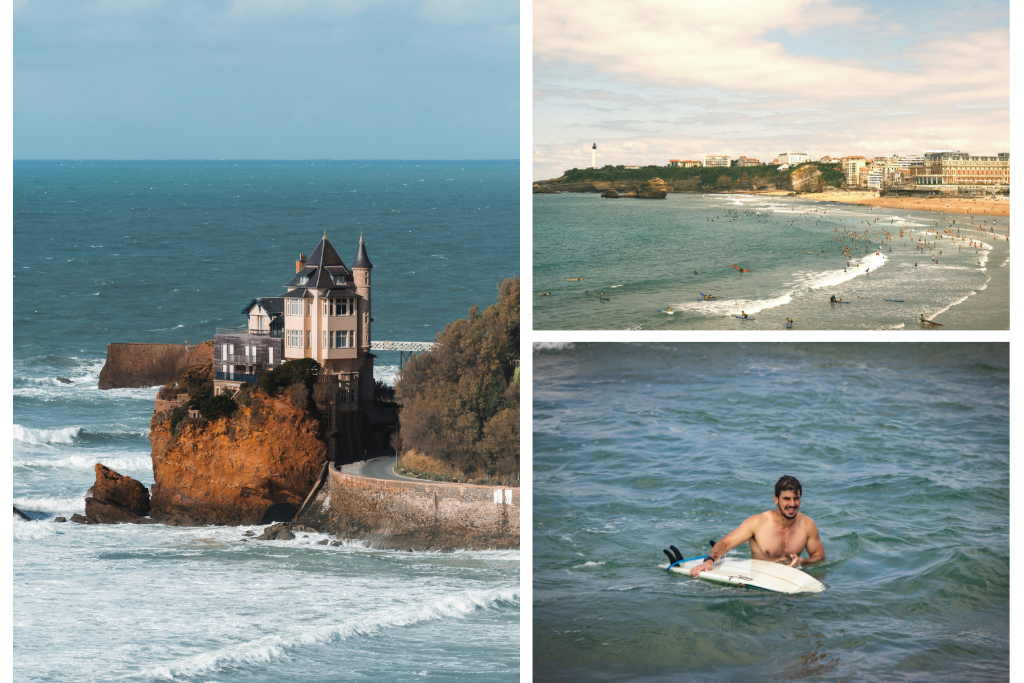
Biarritz breathes surf in every wave, and each of its beaches has distinct character and charm. From calm corners for beginners to powerful breaks for seasoned surfers, this southwestern French destination offers experiences for every skill level. Below we show you the top surf spots in Biarritz, with their special traits, advantages and the unique vibe each brings.
1. La Côte des Basques
Often called the heart of surf in Biarritz, La Côte des Basques lies south of the town centre. Surrounded by cliffs and offering stunning views of the Basque Mountains, this place has been vibrating with the essence of surfing since the 1950s.
Here, the waves are gentle and long, perfect for beginners and intermediate surfers looking to improve their technique without major challenges. When the tide drops, the vibe becomes relaxed and you’ll find surf schools and friendly groups everywhere. In summer you’ll even catch local contests and vintage-surf festivals that celebrate the sport’s history and classic style.
2. Grande Plage
Located right in the city centre, Grande Plage mixes surf with the urban energy of Biarritz. Early in the day the beach fills with local surfers and tourists riding waves with the iconic Hôtel du Palais in the background. The surf can range from gentle in the morning to quite strong as tide shifts, making it ideal for intermediate and advanced levels. Its proximity to cafés, shops and the seafront promenade is great for those who want to surf without leaving the city vibe. Throughout the year you’ll see regional championships and showcases, especially in summer.
3. Marbella
Quieter and less touristy, Marbella lies south of Biarritz, close to Milady beach. It’s a gem for experienced surfers hunting , especially at high tide. The atmosphere feels natural, with fewer schools and more local surfers, giving it an authentic vibe. It’s a perfect spot for those seeking challenge and a more relaxed mood. In autumn, Marbella delivers some of the region’s best waves, fewer people and excellent conditions for intense sessions.
4. Plage Milady
Great for families or groups of friends, Milady beach sits south of town, just after Marbella. While it’s not famed for powerful surf, it offers steady, accessible conditions for beginners, plus a lovely seafront promenade. With wide open spaces, showers and green areas, many surfers choose it for a full day of beach life — swimming, picnics and gentle waves. It’s an excellent option if you’re starting out or want to practise without the pressure of crowded surf spots.
5. Miramar
More discreet and elegant, Miramar sits next to the iconic Hôtel du Palais. It’s a smaller beach where waves can be fast and technical, ideal for intermediate and advanced surfers. Its surroundings are very photogenic. Since it’s less crowded than Grande Plage, it offers a calmer atmosphere. During September and October, when consistent Atlantic swells arrive, Miramar becomes a highly sought-after spot for those chasing great waves without the crowds.
Connectivity while surfing in Biarritz
Since landing in Biarritz, having a good internet connection is essential to make the most of your surfing experience in Biarritz. Whether it’s checking the sea conditions, reviewing wave forecasts, or booking a lesson at a local school, you’ll need to connect frequently. A great option is to get the Holafly eSIM for France, offering unlimited data valid for the days you need, perfect for short trips of one or two weeks.
If you plan to stay longer or travel to other European countries with your board, Holafly’s monthly plans are the best alternative. You’ll be able to share your data with multiple devices, choose between 25 GB or unlimited options, and avoid extra roaming charges. Additionally, with a single eSIM, you can stay connected in over 170 destinations!
Important: If you are a frequent traveler and want to stay connected without worrying about expensive roaming or looking for a new SIM at every destination, Holafly’s subscription plans are for you. With a single eSIM, enjoy internet in more than 170 countries for a fixed price and no surprises on your bill. Travel without limits and connect easily and securely! 🚀🌍

Recommended seasons to surf in Biarritz
The best time to surf in Biarritz depends on your level and what kind of experience you want, but generally the French Atlantic offers surf all year round. Still, some periods stand out more than others.
From May to October the conditions are milder, especially for beginners and intermediate surfers. Water warms (around 18 °C–22 °C), days stretch long, and the town buzzes with festivals, open-air terraces and a full surf vibe. July and August draw the biggest crowds. Yet they’re perfect if you want to blend surf, social life and warm weather.
If you already know how to surf, autumn (September to November) acts as the golden season for surf in Biarritz. Waves grow stronger, offshore winds pop up often, and beaches begin to clear. It’s the perfect time for intense, calm sessions. In contrast, winter (December to March) delivers the biggest swells of the year. That suits only advanced surfers — but you enjoy stunning scenery and nearly empty beaches.
In short: go between May and August for gentle waves and summer vibe; aim for September or October if you prefer consistent waves and fewer people. Whatever you choose, Biarritz will welcome you with the surfer spirit that made it famous worldwide.
Costs to surf in Biarritz
From renting a board for a few hours to intensive courses or full surf-camp stays with lodgings, there are options for every budget and level. Prices shift with seasons — higher in summer, more affordable in spring or autumn — but you’ll always find alternatives that fit your travel style.
From renting a board for a few hours to intensive courses or full surf-camp stays with lodgings, there are options for every budget and level. Prices shift with seasons — higher in summer, more affordable in spring or autumn — but you’ll always find alternatives that fit your travel style.
- Gear rental: Basic board rental for beginners costs from €14.72–15.64 ($16–17) per day. Intermediate boards: €19 – 20 per day ($21-22). Performance boards cost about €24.84 ($27) per day. You can also rent “flash” gear by hour: e.g. one hour with foamboard costs about €11.04 ($12). Wetsuit rental runs around €10.12–11.04 ($11–12) depending on shop. So if you rent board + wetsuit for a day as a beginner, expect roughly €24.84–27.60 ($27–30) to start.
- Surf lessons / courses: A 1-hour 30-minute group lesson for beginners starts from around €45.08–46.00 ($49–50) in normal season. 5-day beginner course (1.5 hours/day): €190 – 195 ($205-210) in low season. Private 1-hour lessons go for €99.36–101.20 ($108–110), or more during high season — roughly €147.20–151.80 ($160–165).
- Full packages / surf-camps: A 7-night all-inclusive stay (accommodation + meals + classes/guiding + gear) costs around €842.00 ($915), depending on months. This is designed for intermediate surfers who already have some experience and want a more “combo” experience.
How to start surfing in Biarritz
- Decide your goal and level: First, be honest with yourself. Do you just want to try a class to say “I gave it a go”, or do you aim to learn seriously? If you’ve never been on a board, it’s wise to book a beginner class at a local school — you avoid bad habits and learn safety from day one.
- Book ahead (class and/or gear): Biarritz gets busy in summer. Reserve your class or package early, especially in July–August. If you prefer simplicity, go for a 3–5 day package: repetition helps you progress fast.
- Check your gear and clothes (or rent there): If you bring your own board, ensure it’s in good shape and check whether your airline allows surfboard transport. For most people, renting in Biarritz is more practical: softboards for beginners and wetsuits available daily. Bring or rent an appropriate wetsuit: Spring/autumn/winter usually require 4/3 mm or even 5/4 mm in winter. In summer (when water is 18–22 °C) a 3/2 mm or shorty works fine.
- Check swell and tide information: Before entering the water, review swell, wind direction and tide. Apps like Magicseaweed, Windy or Surfline help — or ask local schools or surfers about daily conditions. Beaches change with tides: some surf best at low tide, others at high tide.
- Choose the right spot for your level — beginners: Pick beaches with soft waves and long breaks (La Côte des Basques tends to be ideal). Intermediate surfers may enjoy Grande Plage or Miramar with moderate swell. Avoid powerful spots (strong currents or fast breaks) until you have experience.
- Warm-up and follow safety rules: Always warm up 10–15 minutes: Stretch shoulders, legs and warm up with light jumps. Spot safe zones, check where waves break, and ask about rips. Never go in if there’s a red flag or if you don’t feel secure.
- Respect surf etiquette and others in the water: Respect wave order, don’t cut off other surfers, keep distance and don’t attempt to “snatch” waves in training zones. Locals value respect: Say hi, ask, and learn their rules.
- Practice often and be patient: Surfing won’t improve linearly: some days you’ll advance a lot, others less. Try to surf several times a week if possible — repetition (and observation) speeds up learning. Record a video or ask for feedback to correct posture and technique.
- Respect the sea and nature: Don’t litter, avoid protected zones and respect wildlife. Being a good surfer also means caring for the beach that gives you waves.
Surf in Biarritz: Frequently Asked Questions
Yes, it’s one of Europe’s best places to start. Beaches like La Côte des Basques offer gentle waves and surf schools with certified instructors teaching from scratch. The surfer atmosphere also welcomes beginners.
Board and wetsuit hire costs about €27.60 ($30) per day. A group lesson costs around €46.00 ($50). A 5-day course costs roughly €184 ($200). Full surf camps with meals, classes and lodging can reach about €828.00 ($900) per week depending on season.
Yes, you can surf during every month. Wave type and water temperature change through the year. You can use a short wetsuit in summer, while winter requires a full wetsuit.
You only need motivation, swimwear and sunscreen. Schools provide everything: board, wetsuit, leash and guided lessons. If you already surf, you can rent equipment in shops or directly on the beach.
Yes, Biarritz hosts contests and festivals each year, like the Biarritz Surf Festival or European championships. These events offer great chances to watch pro surfers and enjoy the town’s surf culture.