Language


 No results found
Surf in Agadir: Best beaches and prices
Discover the best surfing spots in Agadir, beaches, towns, seasons and tips for a better experience in Morocco.

One advantage of this North African destination is the quick access to several surf spots. It offers gentle waves for beginners and point breaks for advanced surfers. If you’ll soon surf in Agadir, this guide helps you choose the most popular coastal villages. You’ll also see seasonal tips and learn how to stay online while you enjoy your favourite sport in Agadir.
Another strong point of this destination is its infrastructure. You’ll find schools with certified instructors and beachfront camps offering complete packages. These usually include surf equipment, lessons, accommodation and transfers. If you want all the key information about surfing in this region, keep reading.
Best places to surf in Agadir
Anchor Point
Anchor Point marks the boom of surfing in Morocco. This right-hand point break sits on the rocky tip of Taghazout, about twenty minutes from central Agadir. It’s famous for its long, powerful walls, with fast sections that sometimes create barrels. On its best days, the wave demands solid technique, strength and sharp timing.
This spot suits advanced levels best, because rocks, currents and a demanding take-off test your control in every session.
The most attractive thing about Anchor appears when conditions turn perfect. Then the wave can deliver one of the longest rides of your life. Peak season here coincides with the winter months. Many advanced schools and photographers gather to capture unforgettable sessions. If you visit at that time, it’s worth getting up early to avoid wind and midday crowds.
Killer Point
Killer Point, also north of Taghazout, takes its name from the frequent orca sightings during certain times of year. This spot attracts intermediate and advanced surfers with a fast right-hander. The wave offers long rides when the swell lines up well with offshore wind.
Unlike Anchor Point, entry to the water usually feels more accessible here. However, it also forms demanding sections at high tide. On powerful days, the wave grows in size as it runs down the point. That makes it ideal for surfers who want to step up to heavier peaks. You need strong paddling and a good read of the ocean.
Besides wave quality, Killer Point stands out for its atmosphere. Many surf camps organise morning sessions here when conditions look good. This creates a social environment where you can meet other travellers who share your love for surfing. When Anchor feels too crowded, Killer often becomes an excellent alternative. You still get quality waves but feel less pressure at the peak.
Boilers
Boilers offers a wave known for character and power. It sits near Tamraght and you can reach it easily from the road. The name comes from an old rusty boiler between the rocks, which helps you identify the spot. Here you’ll find a fast right-hander that jacks up suddenly. It forms hollow sections that thrill surfers who chase pure adrenaline.
Boilers suits intermediate and advanced surfers, because the rocky bottom and strong wave can surprise anyone without point-break experience. When large swells hit the coast, Boilers turns into a playground for very experienced surfers. They test both their skills and their endurance there.
There’s good news for travellers who still learn. When the ocean calms down, some schools bring intermediate groups here for guided sessions. The wave then helps you practise manoeuvres at higher speed. Boilers usually feels slightly less crowded than the most famous spots. That detail really helps when you want good waves with a bit more space.
Banana Point
Banana Point, in Tamraght, ranks among the most popular places to learn and progress in surfing. This bay offers several peaks in one area. Because of that, you can always find a suitable wave for your level and the conditions that day. At low tide, the wave often runs longer. This helps you practise body position and board control more easily.
Surf camps and schools surround the area. If it’s your first time in Morocco, many of your sessions will probably end here. Easy access, sand underfoot and a relaxed atmosphere help first-time surfers feel comfortable quickly.
Another advantage of Banana Point is its consistency. The spot works during much of the year, so people travel from Agadir to this beach very often. It’s an excellent base if you visit with friends who’ve just started surfing. You can share lessons, relax in seafront cafés and progress together without the pressure of heavier waves.
Devil’s Rock
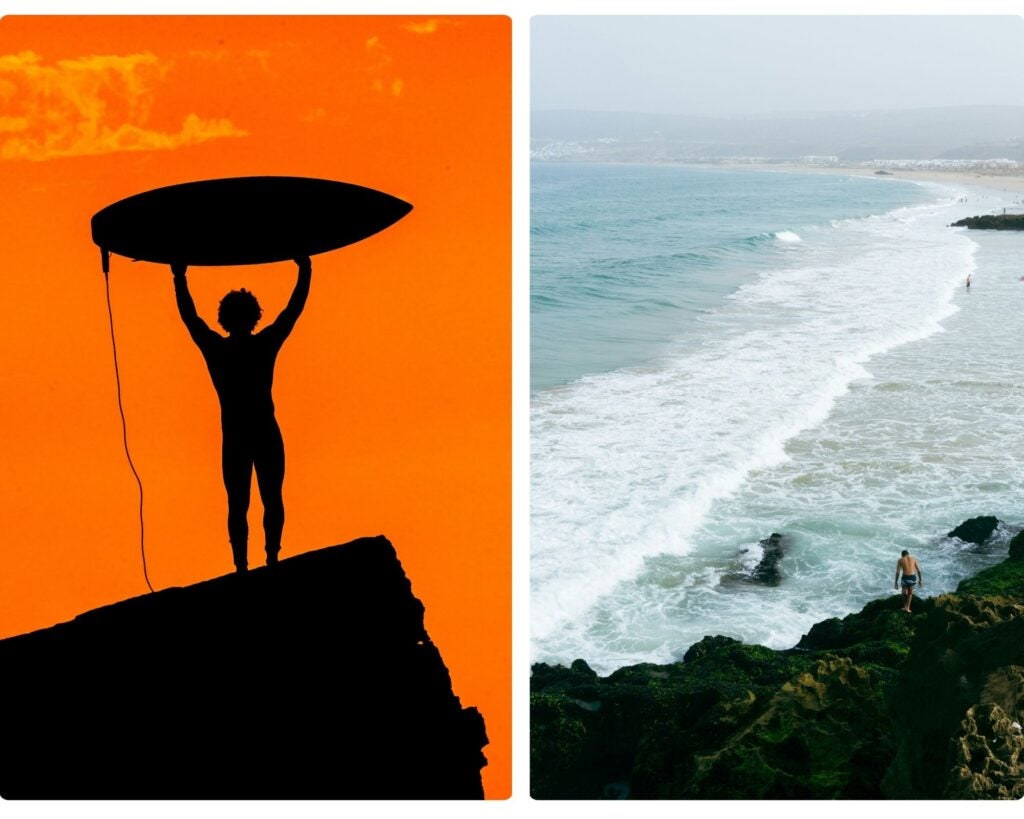
Devil’s Rock is a beach break with rocky sections between Tamraght and Banana Beach. Its big attraction is easy access: you can walk from many nearby accommodations with your board under your arm and paddle out straight away. The atmosphere feels very social, with schools, beginners and intermediate surfers sharing the lineup.
The main wave is a fun right-hander. It sometimes forms fast sections where you can practise turns and other manoeuvres. As the spot usually catches less swell than some neighbours, it works well when nearby beaches look too big. It’s also perfect while you fine-tune technique before moving on to heavier waves.
By late afternoon, Devil’s Rock gains a new charm thanks to its spectacular sunsets. Many people stay on the sand to relax after their session. The beach then becomes a great meeting point to connect with the surf community, enjoy a drink and soak up the local atmosphere.
Hash Point
Hash Point sits right in the heart of Taghazout, so it’s one of the most accessible spots for visitors staying in the village. Its right-hand wave feels friendlier than Anchor’s. It offers smoother lines that let you work on balance and manoeuvres with less pressure.
The spot suits intermediate surfers who want to progress in speed and board control. Although the lineup can fill up, the curve of the wave usually spreads surfers along the peak. Everyone can paddle for waves without too many collisions, as long as people respect priority rules.
Hash Point works perfectly when you want a calmer session. You have cafés and breakfast spots just a few steps from the water. This set-up lets you recharge easily without long drives. That’s why many travellers surf here almost every day during progression trips.
Staying connected while you surf in Agadir
Travellers who visit Morocco for surfing often spend several days exploring beaches. They move between Taghazout, Tamraght and Agadir depending on the conditions. Because of that, mobile internet becomes crucial. You’ll want live surf forecasts, maps to reach spots, lesson bookings and smooth sharing of your best sessions without relying on accommodation Wi-Fi.
Holafly offers monthly plans that don’t need physical registration or SIM pickup. You just scan a QR code and you get unlimited data within minutes. This connection lets you plan sessions with apps such as Windy or Surfline. You also stay in touch with instructors or friends surfing at different peaks.
Important: If you are a frequent traveler and want to stay connected without worrying about expensive roaming or looking for a new SIM at every destination, Holafly’s subscription plans are for you. With a single eSIM, enjoy internet in more than 170 countries for a fixed price and no surprises on your bill. Travel without limits and connect easily and securely! 🚀🌍

Best seasons for surfing in Agadir
Agadir enjoys a very privileged surf climate, with mild weather all year. However, wave quality and power change with the season. These are the best times for surfing depending on your level:
Autumn and winter (October to March)
This period works best for intermediate and advanced surfers. The Atlantic sends consistent swells that feed the iconic point breaks around Taghazout. Anchor Point, Killer Point and Boilers all fire more often. During these months you’ll find the longest, fastest and most challenging waves of the year.
Even then, temperatures usually stay pleasant. You’ll enjoy sunny days and fresh nights, which help you recover after intense sessions. Although this is the busiest time, the wave quality clearly compensates for the extra visitors.
Spring (April and May)
This transition still brings good conditions, especially at the start of spring. Waves often feel more forgiving than in winter. This helps surfers who’ve already left the beginner stage and want steady progression. It’s also a great moment if you’d like to mix surfing with cultural visits and excursions.
The atmosphere becomes calmer than in previous months. However, interesting swells still reach the coast, so you can usually surf almost every day.
Summer (June to September)
Summer brings the softest waves of the year. It’s ideal for beginners who want their first lessons at Banana Beach, Devil’s Rock or Agadir’s main beach. Days feel hotter and life outside the water becomes very active. You’ll find many cafés, terraces and seaside plans.
Although the swell loses intensity, surf camps keep running full programmes. There are always peaks where you can practise without strong currents or extra pressure.
Costs of surfing in Agadir
Your surfing budget in Agadir can stay quite reasonable compared with other international destinations. Prices change depending on whether you book lessons, travel independently with your own equipment or choose an all-inclusive surf camp. Here you’ll find a general guide that helps you plan your trip:
If you already surf and only need equipment, board rental for half a day usually costs between €10-15 ($12-17). Full-day rental often sits between €15-25 ($17-29), depending on the board model, such as softboard, shortboard or longboard. You can also rent wetsuits for about €5-10 ($6-12) per day, which helps a lot in winter.
Surfers who want to improve technique or start from scratch often choose group lessons. These usually cost between €25-40 ($29-47) per day and include board, wetsuit, instructor and, in many cases, transport to the best spot for that day’s conditions. If you prefer a more personalised experience, you’ll also find private lessons. These often range between €50-80 ($58-93) for a two-hour session.
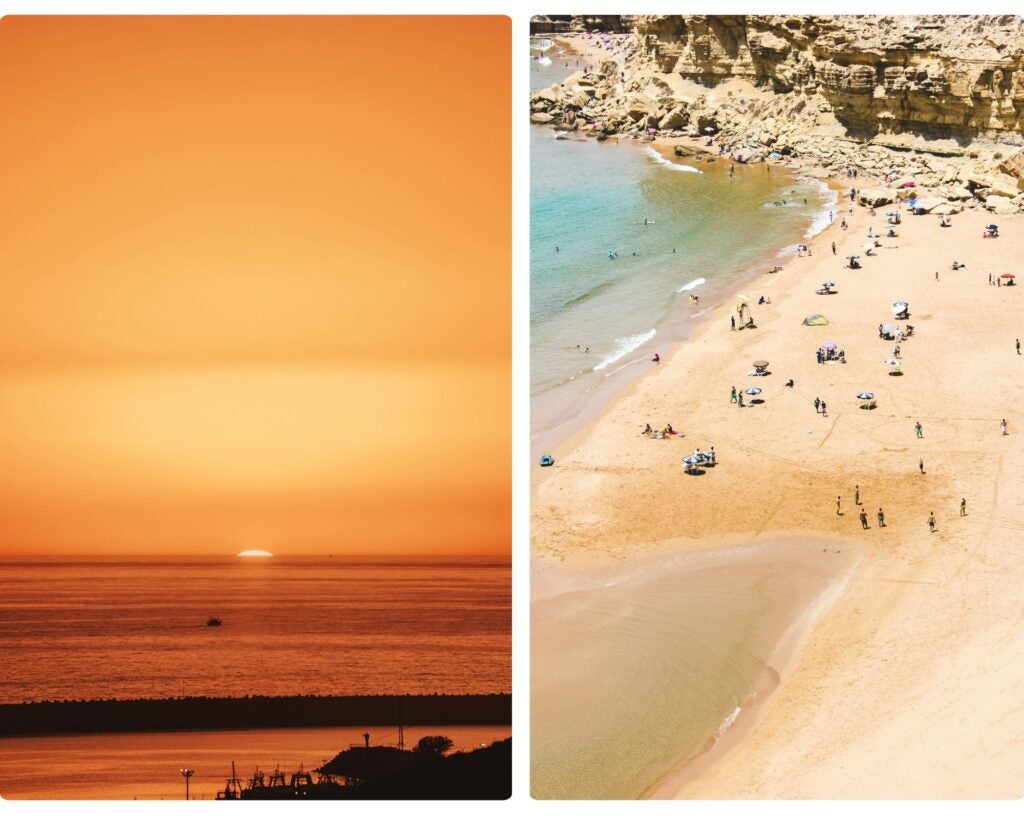
Travellers who want a smooth, hassle-free trip often book surf camps in Taghazout or Tamraght. Weekly packages can include accommodation, three meals a day, guided surf sessions, daily transport and extra activities such as yoga. Prices often start around €350-700 ($408-815) per week, depending on accommodation category and group size.
How to start surfing in Agadir
If this will be your first surf trip to Morocco, Agadir offers an excellent starting point. Accessible beaches and schools with trained instructors make things simple. These are the basic steps to begin:
1. Choose the right area for your level
For beginners, it’s best to stay near beaches such as Agadir Beach, Devil’s Rock or Banana Beach. Waves break more gently there and instructors remain available almost every day. If you already have some experience, you can also explore spots like Hash Point or even Boilers on friendlier days.
2. Take lessons to learn the essentials
Surfing may look simple from the shore, but proper technique from day one really speeds up progress. Lessons in Agadir teach you how to paddle, stand up, choose a wave and stay safe in the water. You’ll also learn surf etiquette, which matters a lot at crowded peaks.
3. Use the right equipment
During your first sessions, a large softboard helps you keep balance and catch waves more comfortably. Don’t worry about buying equipment straight away. Almost every instructor includes board and wetsuit in the lesson price.
4. Check ocean conditions before paddling out
Many travelling surfers use apps to track wind, tide and wave size. Mobile data from an eSIM such as Holafly’s helps a lot. You can easily check whether it’s worth moving to another spot.
5. Rest and look after your body
Surfing tires you more than you expect, especially while you’re learning. Taghazout and Tamraght offer yoga classes designed for surfers. These sessions help you stretch properly and avoid injuries.
With these steps, you’ll enjoy your first waves safely and with plenty of guidance. You’ll also progress in ideal conditions while you discover Morocco from the water.
Frequently asked questions about surfing in Agadir
Autumn and winter bring the most consistent waves for intermediate and advanced surfers. Summer works great for beginners.
Yes, several beaches offer gentle conditions and schools run lessons every day of the year.
Taghazout gives quick access to key spots. Tamraght feels quieter, while Agadir offers more services.
A three to four millimetre wetsuit helps in winter. Many surfers use only a rash vest during summer.
Yes, you don’t need your own gear. You can rent board and wetsuit by day or week in most schools or camps.