Language


 No results found
Scuba diving in the Dominican Republic: Best spots and prices
If you travel to this island, you can't miss out on the experience of scuba diving in the Dominican Republic. Discover its centers and prices!

Its warm, crystal-clear waters teeming with marine life make this island the perfect place to experience the country’s most popular water activity. So whether you’re visiting as a tourist or living here and just haven’t taken the plunge yet, here’s everything you need to know about scuba diving in the Dominican Republic.
In this guide, we will show you the best dive centers, the courses available from beginner options to professional certifications, the top places on the island to enjoy these dives, and what they might cost. We will also share a few tips to help you stay connected to the internet during your trip so you can share this adventure with your friends and family. Get ready to dive into an underwater paradise that is very hard to find anywhere else!
Diving centers and courses in the Dominican Republic
One thing you will never be short of on this island is places to dive. The Dominican Republic has dive centers scattered all across its most visited coastal areas, including Punta Cana, Bayahibe, Samaná, Sosúa, and Las Terrenas. Most of these schools work with PADI or SSI, the leading international organizations that oversee and certify scuba training, so you can trust that their courses follow strict safety and quality standards. Some of these centers include:
- Scuba Fun Dive Center: One of the best-known centers in Bayahibe, offering PADI courses from Open Water Diver to Divemaster.
- Dressel Divers Bayahibe: You will also find this dive school in Bayahibe, which offers combined packages that include lodging, diving, and boat excursions.
- SeaPro Divers: This Punta Cana center operates in more than twenty hotels and is known for its private excursions to Catalina Island and Saona Island, as well as its full range of courses from beginner sessions to advanced certifications.
- Aqua Adventures Punta Cana: You can book personalized excursions or dive on artificial shipwrecks here.
- The Dive Academy Las Terrenas: Located in the tourist town of Las Terrenas in the northeast of the island, this center offers guided snorkeling trips to Levantado Beach, Jackson Beach, Ermitaño Beach, and Cabo Cabrón National Park, along with certified scuba diving courses.
Main diving courses in the Dominican Republic
These schools are spread across the island and offer a variety of scuba diving courses in the Dominican Republic to suit all levels, whether you’re a beginner, an experienced diver, or already certified and looking to advance your skills. Here’s a summary of the main courses:
| Course | Level | Details |
| Introductory diving | Beginners | Basic theory, pool practice, and one open water dive. |
| Open Water Diver | Experts | International certification (PADI or SSI) to dive up to 18 meters anywhere in the world. |
| Advanced Open Water Diver | Certified divers | Deeper dives are made. |
| Specialty courses | Intermediate | Night diving, underwater photography, or wreck diving. |
| Rescue Diver | Experts | Prevention of underwater emergencies using self-rescue techniques. |
| Divemaster | Experts | To work as a dive guide in diving centers. |
The 5 best places to dive in the Dominican Republic
The meeting of the Caribbean Sea and the Atlantic Ocean makes the Dominican Republic a true paradise for diving enthusiasts. Depending on your experience level, you can start out in the calm waters of Bayahibe, explore the shipwrecks near Punta Cana, swim around the rock formations of Sosúa, descend the underwater wall at Catalina Island, or venture into the caves of Las Terrenas. Which one will you choose?
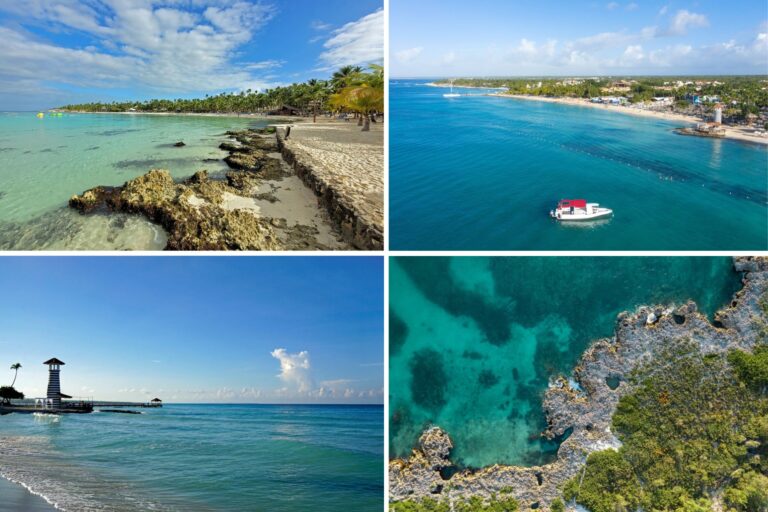
1. Bayahibe
Often called the diving capital of the Dominican Republic, Bayahibe is a charming fishing village with colorful houses, located in La Altagracia province. Its waters are teeming with marine life, including tropical fish, moray eels, hawksbill turtles, seahorses, and vibrant coral reefs.
Some of the best dive spots here include the Viva Shallow Reef, Dominicus Reef, and Cueva del Pirata Reef, as well as the shipwrecks of the Atlantic Princess and the St. George, which have become thriving artificial reefs. You can also take trips to the East National Park and nearby Saona Island.
2. Punta Cana
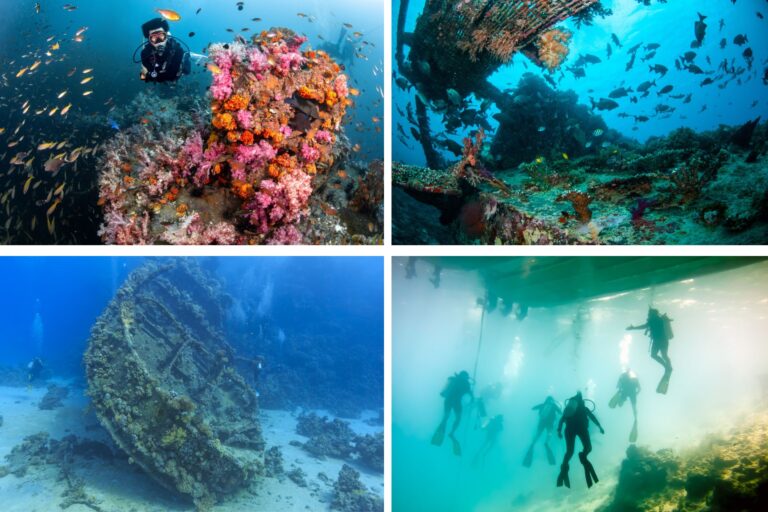
Punta Cana, on the eastern coast, is one of the Dominican Republic’s most visited destinations. Its gentle waters and shallow reefs make it perfect for anyone new to scuba diving or just getting started. You’ll also have no shortage of dive schools, as many resorts and hotels in the area offer them.
What can you expect to see when diving in Punta Cana’s beaches, like Bávaro Reef? The waters are full of marine life, including parrotfish, angelfish, barracudas, rays, and giant sponges. One of the most popular dive sites is the Astron Wreck, a Russian ship that sank in 1979 and now rests just off the coast.
3. Sosúa
If you head to the northern coast in Puerto Plata province, you’ll find Sosúa, a less touristy spot that’s perfect for deep-water diving, with underwater landscapes full of rocky formations. Marine life here includes lionfish, lobsters, groupers, octopuses, and schools of tropical fish. The area has more than 20 dive sites close to shore, with the most popular ones being:
- Three Rocks: Coral-covered rock formations with a depth of about 10 meters, ideal for beginners.
- Airport Wall: An underwater wall that descends to 30 meters, for advanced divers.
- Coral Garden: A colorful, shallow reef with abundant marine life, for beginners and underwater photography enthusiasts.
4. Catalina Island
From La Romana, you can reach this protected natural reserve by boat in just 30 minutes. Its colorful reefs are home to a vibrant array of marine life, including butterflyfish, brain coral, parrotfish, barracudas, and sponges. It’s an ideal spot for divers of all levels, but for advanced divers, the famous Catalina Wall offers a vertical drop of over 100 meters, where you can also spot lobsters, seahorses, and giant sponges.
5. Las Terrenas, Samaná
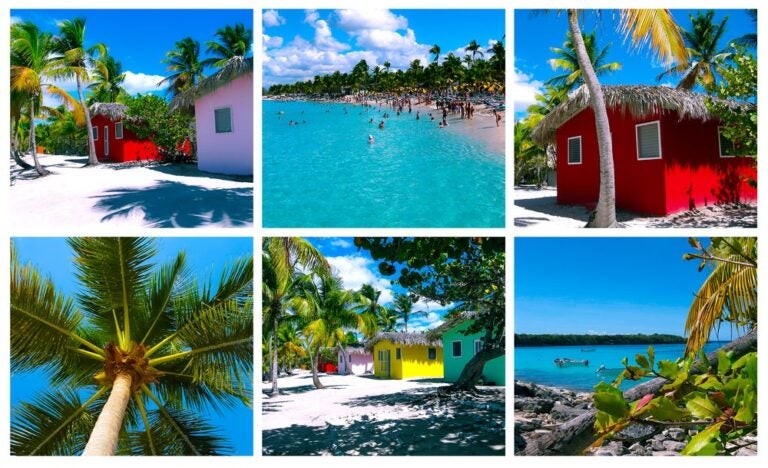
Another great spot for scuba diving in the Dominican Republic is the Samaná Peninsula in the northeast. Las Terrenas, a charming tourist town, is surrounded by beautiful beaches such as Bonita, Cosón, Ballenas, and Terrenas. The area combines lush tropical forests with pristine shores and an underwater world teeming with turtles, eagle rays, lobsters, moray eels, and tropical fish. If you visit between January and March, you might even catch a glimpse of humpback whales.
If you’re looking for a more relaxed setting to start diving, you can explore some of the area’s famous caves and rock formations, such as La Cueva, Piedra Bonita, and Cayo Levantado.
Connectivity while diving in the Dominican Republic
A good internet connection from the moment you arrive can make a huge difference on any trip. Forget worrying about finding reliable Wi-Fi at the airport or hotel and start your adventure stress-free. You’ll be able to share your scuba diving experiences in the Dominican Republic, stay in touch with family through video calls, or even work remotely without interruptions.
For a short visit to the island, Holafly’s eSIM for the Dominican Republic is a great choice, giving you unlimited data and a stable connection for just the days you need. If you are staying longer, you can opt for their monthly plans with either 25 GB or unlimited data, no long term contract, and the option to connect several devices at once. The same eSIM can also be used in more than 160 other countries!
Important: If you are a frequent traveler and want to stay connected without worrying about expensive roaming or looking for a new SIM at every destination, Holafly’s subscription plans are for you. With a single eSIM, enjoy internet in more than 160 countries for a fixed price and no surprises on your bill. Travel without limits and connect easily and securely! 🚀🌍

How much does it cost to go scuba diving in the Dominican Republic?
Now that we’ve covered some of the top places to go scuba diving in the Dominican Republic, let’s check out the prices for the main courses. Although living costs are generally lower than in many U.S. and European cities, they have increased in recent years with the growth of tourism, especially in hotspots like Punta Cana. Let’s take a look at how this impacts the prices at different dive schools:
| Course | Prices |
| Introductory dive | Between $90 and $120 |
| Open Water Diver | Between $380 and $450 |
| Advanced Open Water Diver | Between $300 and $380 |
| Diving excursions | Between $125 and $210 |
| Rescue diving | From $500 |
| PADI Scuba Diver | From $260 |
Beyond the price of the course, it’s a good idea to get travel insurance that covers high-risk activities like scuba diving in the Dominican Republic. Look for a plan that includes medical care, emergencies, hospital stays, and repatriation, since healthcare can be expensive there. Once that’s taken care of, all that’s left is to rent your gear and dive in!
Frequently asked questions about scuba diving in the Dominican Republic
The best time for scuba diving in the Dominican Republic is from November to May, when the seas are calmer and underwater visibility is at its best.
Dive schools in the Dominican Republic operate under PADI (Professional Association of Diving Instructors) and SSI (Scuba Schools International) certifications.
You don’t need any prior experience. You can start with a beginner course called a “Discover Scuba Diving” experience.
The top spots for scuba diving in the Dominican Republic include Bayahibe, Punta Cana, Sosúa, Las Terrenas, and Catalina Island, each offering unique experiences suited to different types of divers.
With so many scuba diving courses available across the island, there are plenty of deals and packages that include accommodation, making it more affordable than other destinations.
Plans that may interest you


Hi! I'm a Spanish-English translator working with Holafly, helping bring travel content to life for curious travelers. As a digital nomad with a passion for exploring, I'm always adding new spots to my bucket list. If you love to travel like me, stick around because you're in the right place to find inspiration for your next trip! ✈️🌍