Language
Philippines plug type: Complete adapter guide for travellers
The Philippines uses plug types A, B, and C and operates at 220V. Find out whether your electronics will work there or if you need a travel adapter.

The Philippines uses three plug types: A, B, and C, with 220 voltage, and depending on where you’re traveling from, you might need a travel adapter or a voltage converter.
This guide explores all the details you need to know to make sure you can use your electronics on your trip to the Philippines. Plus, we tell you how an eSIM for the Philippines from Holafly can help you stay connected on your trip.

Peace of mind before you fly
Set up your eSIM before travel and get unlimited data on arrival.
What plug type does the Philippines use?
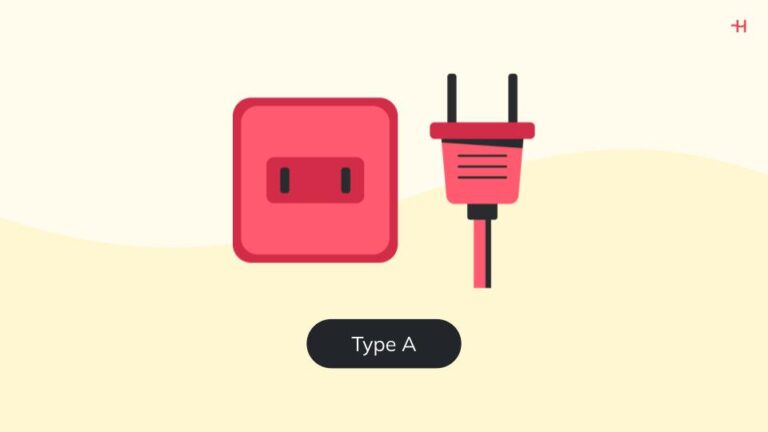
The Philippines plug types are: A, B, and C, with type A plug being the most common.
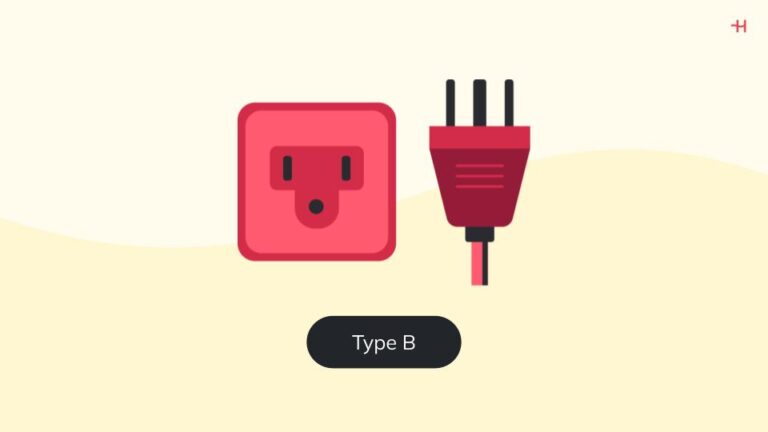
Type A and type B plugs in the Philippines are similar to those used in the US, with two flat parallel pins, while type B has an additional grounding pin.
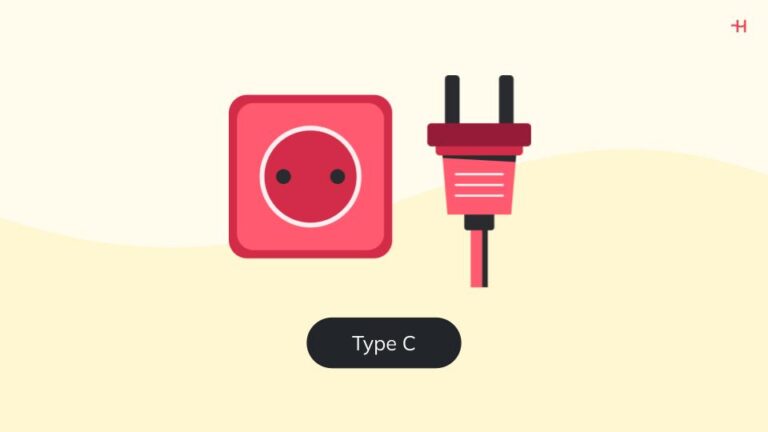
Type C, also known as the Europlug, has two round pins and is becoming more popular in hotels and newer buildings.
In some touristy areas, you can find different plug types, like type G, type F, type D, and other plug types.
What voltage and frequency does the Philippines use?
The Philippines voltage is 220V at 50Hz, which is close to the European standard of 230V but higher than the 110-120V of US and Canadian standards.
Before traveling, check the power supply label on your electronics; newer phones, laptops, cameras, and similar devices are dual-voltage, so you’ll only need a travel adapter when visiting the Philippines.
Do you need a travel adapter for the Philippines?
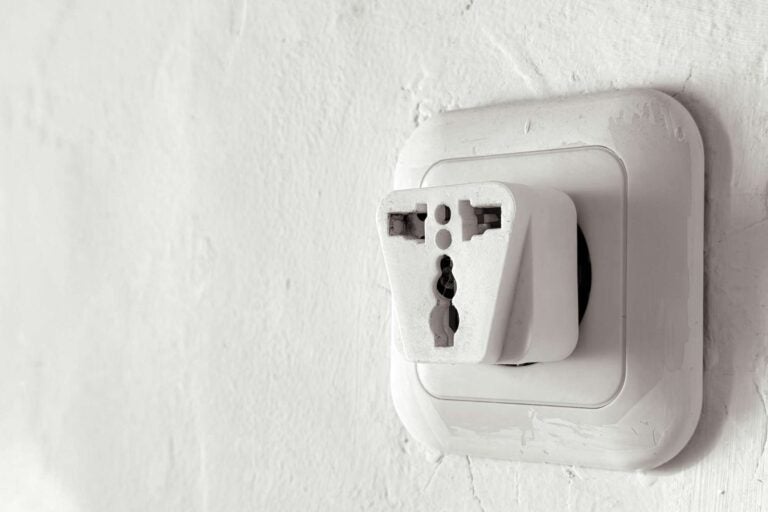
Given the variety of plugs in the Philippines, it’s quite likely travellers will need a travel adapter at some point.
US, Canadian, and European countries have an easier time as they can find plug types A, B, and C, which are the standard in these countries, but they might still need an adapter.
UK, Australian, Irish, and New Zealand travellers will definitely need an adapter for the Philippines, as type G and I plugs aren’t the standard compared to their home countries.
That said, it’s better for travellers to get a universal travel adapter when visiting the Philippines to avoid surprises.
Do you need a voltage converter for the Philippines?
The Philippines uses 220V, which is close to the European and UK standard voltage, so these travellers won’t really need a voltage converter.
However, US, Canadian, Australian, and travellers from other 110V regions need to keep an eye on their electronic devices, as single-voltage devices require a voltage converter for the Philippines.
Either way, it’s better for travellers to always double-check the power supply labels to verify whether these are single or dual-voltage before adding a voltage converter to their packing list.
Travel tip: Pay special attention to hair appliances and older electronic devices, as these are usually single-voltage.
Where to buy Philippines travel adapters
Since a travel adapter is basically a need, you have three options to get one:
- Before you travel: Get a travel adapter from your favorite store, like Amazon, Walmart, or Argos. Buy a universal travel adapter to avoid issues with the variety of plugs; these usually cost around $8 to $30.
- At the airport: Upon arrival at Ninoy Aquino, Mactan-Cebu, or Clark airports, you can buy a travel adapter, but they are usually 3 times the usual price.
- In the Philippines: Easily found at 7-Eleven, Octagon, Puregold, Robinsons, and electronic stores for around ₱200 to 800 (~$3.30 to $13.40). However, try to buy one before arriving if you’re heading to islands or directly to the beach.
Stay connected in the Philippines with eSIM
Aside from keeping your electronics working, having an internet connection is a first-hand necessity in the Philippines.
Whether it is for navigating around Cebu, Manila, or Palawan with Google Maps, booking tours online, or using translation apps, which option is best?
Luckily, there are plenty of options like a Philippine SIM card, but you’d have to look for a store, and the whole purchase process.
International roaming can cost over $10 daily, increasing your trip expenses a lot, even more if you’re using pay-per-use rates.
That said, using an eSIM can help you stay connected at affordable prices. With the Holafly eSIM for the Philippines, you get unlimited data, 24/7 customer support, up to 1 GB daily of hotspot sharing, 5G coverage when available, and plans starting at $3.90 for 1 day.
Or, if you need more of a long-term solution, you could rely on the Holafly monthly eSIM subscription. Plans range from $49.90 to $64.90, include the travel eSIM, and offer up to unlimited hotspot data and a local phone number.
Peace of mind before you fly
Set up your eSIM before travel and get unlimited data on arrival.
Traveling somewhere else? Find out how to use your electronics there.
Plans that may interest you


I first started my content creation journey as a freelancer in 2019, before connecting with Holafly in 2021. At Holafly, my travel and tech interests come together in one place as I craft high-quality articles about the eSIM and related markets. My content aims to help travelers stay connected, wherever they are.