Language
How many days in Peru? How long do you really need to visit
Discover how many days in Peru is enough based on your travel style, is 7 days enough for your trip to Peru or you should take a longer trip, like two weeks.

If you are a first-time traveler to Peru, you may wonder how many days in Peru are enough. Although it mostly depends on your budget or preferences, most travelers find that 7 to 10 days is the ideal timeframe to cover Peru’s primary highlights.
Many visit Peru for Machu Picchu and the Sacred Valley, while others prefer Lima and Cusco for culture and food. For those with more time, a multi-region expedition can cover the coast, the mountains, and the rainforest in a single itinerary.
This guide explains how many days you need in Peru, providing clear options based on your travel style, available time, and priorities. It will also help you find the best way to stay connected during your trip using Holafly eSIM.

Unlimited data. Peace of mind.
Make sure you have travel data that's there when you need it most.
How many days should you spend in Peru based on travel style
The perfect duration depends entirely on your preferred pace, the specific regions you wish to visit, and your travel goals. The following options are defined based on different travel styles. But before that, check the requirements to travel to Peru from the US to be prepared.
First-time visitors (Machu Picchu focus)
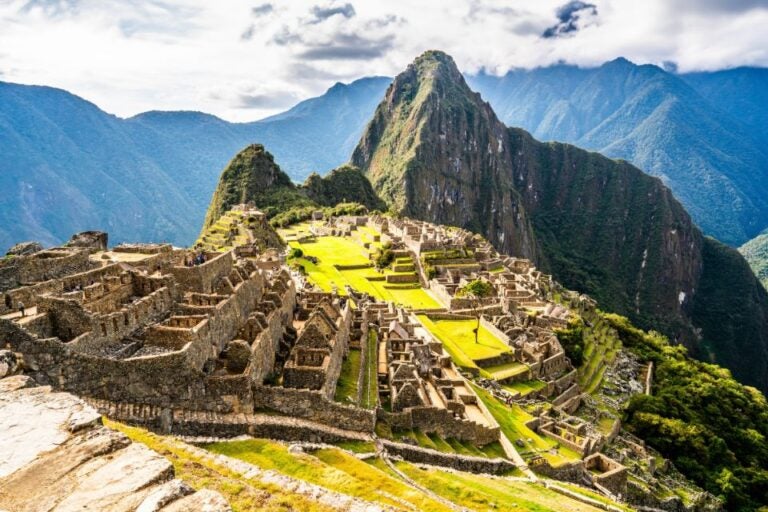
Machu Picchu, the jewel of the Incan empire, is definitely the first thing that Peru is known for. So, most travelers decide to focus their trip on visiting this place.
For travelers coming from the US, 7 days is generally sufficient to experience the country’s primary highlights without feeling overly rushed.
- Recommended stay: 7–10 days
- Days 1–2: A standard route typically begins in Lima, the capital, to enjoy the world-renowned culinary scene and coastal views. This allows for a gentle introduction to the country at sea level.
- Days 3–5: You can then fly to Cusco, the historic heart of the Incan Empire. Spending these initial days here and in the lower-elevation Sacred Valley is a key factor for altitude adjustment, ensuring your body acclimates before further exploration.
- Day 6: Go to Machu Picchu, known as the “Citadel in the Clouds”, via train. Allocating a full day here allows you to explore the ruins at a steady pace.
- Day 7: Spend your final hours exploring Cusco’s markets before flying back to Lima for your international connection.
Note: If you have 10 days, you can extend your stay in the Sacred Valley to visit Ollantaytambo or add a day trip to Rainbow Mountain.
Short trips (time-constrained travelers)
If you are short on time, 5 days is enough to experience Peru’s most iconic landmarks. You can adjust your focus based on whether you want to prioritize Peru’s ancient past or its world-famous culinary scene.
- Recommended time: 5-7 days.
The history enthusiast’s route
If your goal is to immerse yourself in the Incan and Colonial past, skip the extended stay in Lima and head straight to the mountains.
- Days 1–2: Cusco’s Imperial heart: Spend your first 48 hours exploring the Qorikancha (Temple of the Sun) and the massive stones of Saqsaywaman. This way, you can adjust to the altitude surrounded by a wealth of history.
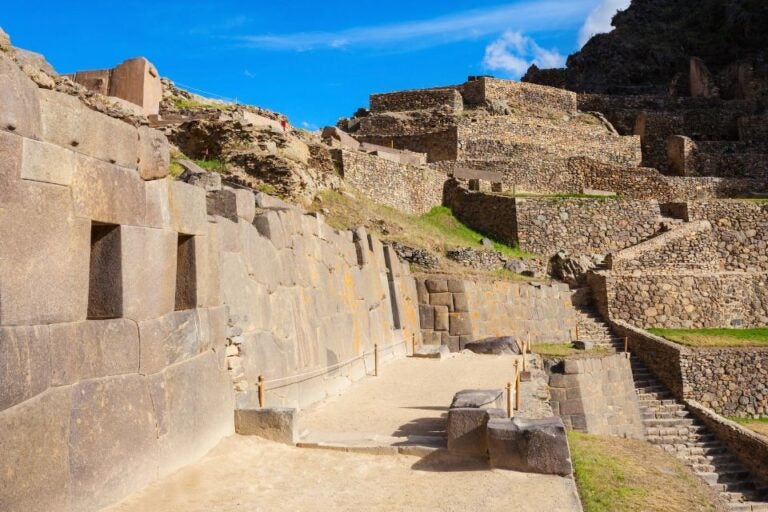
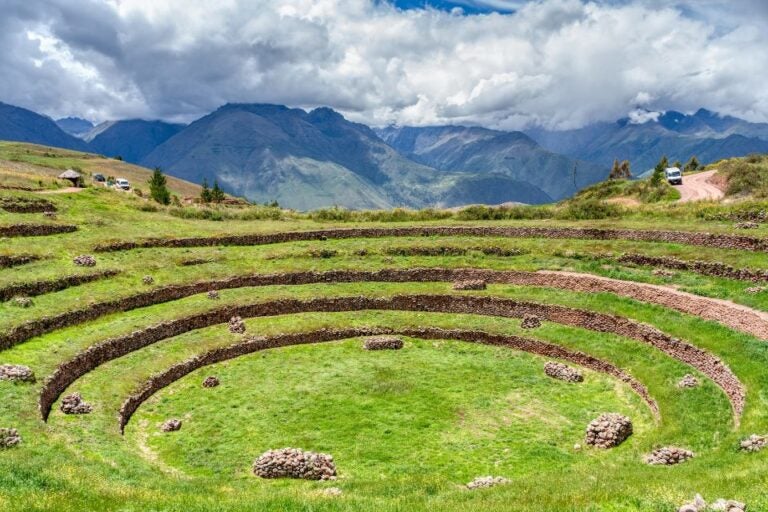
- Days 3–4: The Sacred Valley: Spend two days visiting the agricultural terraces of Moray, the Maras Salt Mines, and the living Incan town of Ollantaytambo.
- Day 5: Machu Picchu: Dedicate your final full day to the “Citadel in the Clouds” before your return flight.
Note: For history enthusiasts, consider planning a trip to Cusco in June to experience the Inti Raymi Peru festival.
The foodie’s flavor route
If you are more eager to taste the flavors of Peru, dedicate more time to its capital, widely recognized as South America’s gastronomic hub.
- Days 1–2: Lima’s gastronomy: Spend two full days in Lima. Visit the Surquillo Market for exotic fruits, take a ceviche-making masterclass, and secure a reservation at one of the world’s top-ranked restaurants like Central or Maido.
- Day 3: Fly to Cusco: Explore the Andes and dedicate your afternoon to San Pedro Market, where you can savor traditional hen soup “caldo de gallina”, or sample local chicha.
- Day 4: Machu Picchu: Take the scenic train to the ruins, enjoying a gourmet Andean lunch on board.
- Day 5: Final bites and departure: Enjoy a traditional breakfast of pan con chicharrón in Cusco before flying out.
The Trade-off:
- Choosing a 5-day window requires a much faster pace and means skipping either the culinary depths of Lima or the biodiversity of the Amazon.
- The History Route offers better altitude acclimation and more ruins, while the Foodie Route provides the best culinary experience but leaves less time for mountain exploration.
Slow travelers and in-depth exploration
For those who prefer a more immersive experience, a 10 to 14-day stay allows you to venture beyond the primary landmarks. You can explore the diverse regions of the coast, the Andes, and the rainforest.
- Recommended stay: 10–14 days.
- Days 1–3: Lima and The Coast: Enjoy the capital’s gastronomy and consider a side trip to the Paracas National Reserve or the Huacachina desert oasis.
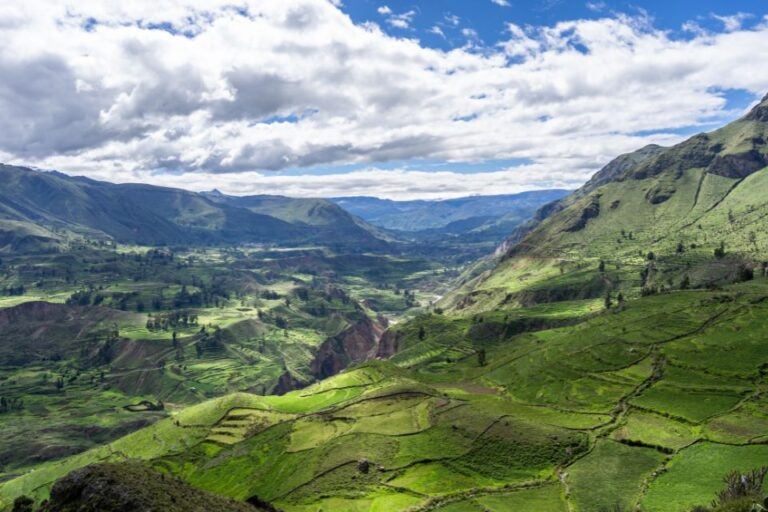
- Days 4–6: Arequipa and Colca Canyon: Visit the “White City” of Arequipa to see its stunning colonial architecture and head into the Colca Canyon, one of the world’s deepest, to watch Andean condors in flight.
- Days 7–10: Cusco and the “jewel of the Incas”: With a longer stay, you can take a more relaxed approach to altitude adjustment in the Sacred Valley before visiting Machu Picchu and exploring the hidden corners of Cusco.
- Days 11–14: Lake Titicaca or the Amazon: Choose between a boat journey to the floating Uros Islands on Lake Titicaca, the world’s highest navigable lake, or a flight into the Amazon for a multi-day lodge stay surrounded by incredible biodiversity.
The primary advantage of this duration is the ability to connect these distinct landscapes without spending half your trip in airports. You’ll have the time to go beyond Machu Picchu and experience the full breadth of Peru’s natural and historical wealth.
Note: Travel insurance in Peru becomes more essential for longer trips.
Repeat visitors or adventure travelers
For those returning to Peru or seeking a deeper physical challenge, a stay of 14 days or more is recommended. This longer period allows for adventures beyond the usual tourist routes, including extended trips into wild backcountry areas or the secluded Amazon jungle.
- Recommended stay: 2+ weeks.
- Epic trekking (5–12 days): Adventure travelers often center their trip on iconic routes like the 4-day Classic Inca Trail or the more strenuous 5-day Salkantay Trek. For an off-the-beaten-path challenge, try the Choquequirao Trek to Machu Picchu’s “sister city”, which is only accessible on foot, or the 10-12 day Huayhuash Circuit near Huaraz for an alpine adventure.
- The Deep Amazon (4–6 days): Two weeks allow for a lodge stay in Iquitos or Puerto Maldonado. Deep-jungle expeditions offer opportunities for wildlife viewing, river travel, and visits to indigenous communities inaccessible on shorter journeys.
- Northern Peru & Hidden Ruins (5–7 days): With extra time, you can head north to explore Chachapoyas. It is the home to the massive stone fortress of Kuélap, often called the Machu Picchu of the North, and the towering Gocta Waterfall.
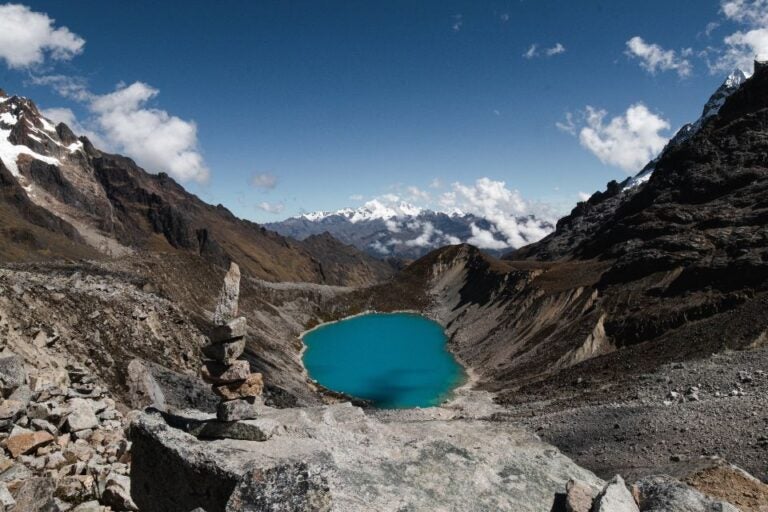
How many days in Peru for Machu Picchu?
While you can technically see Machu Picchu in 3 days, 5 days is the minimum recommended duration to ensure you actually enjoy the experience without altitude sickness or travel exhaustion.
Recommended Machu Picchu itinerary
Rushing through the Andes significantly increases the risk of altitude sickness and reduces the quality of your experience. Proper pacing is essential to ensure you are physically capable of enjoying the steep climbs and thin air of the highlands.
- Day 1: Arrive Lima
- Day 2: Fly to Cusco
- Day 3: Sacred Valley
- Day 4: Machu Picchu
- Day 5: Return
How many days for Lima, Cusco, and the Sacred Valley?
To find your perfect number, consider the following:
- Travel Pace: Peru is physically demanding. Between the steep Incan stairs and the thin air, you will get tired faster than you think. If you enjoy “slow travel” or have children, lean toward 12+ days.
- Budget & Transport: If you have a tighter budget and want to take scenic buses, like the popular Peru Hop, you need more time. If you have the budget to fly between cities, you can compress a lot of sightseeing into 8–9 days.
- Destinations included: Decide how many cities and attractions you want to see.
How many days in Lima, Peru
- Recommended: 1–2 days
- Focus: World-class culinary scene, the UNESCO-listed historic center, and coastal cliff views in Miraflores.
How many days in Cusco, Peru
- Recommended: 2–3 days
- Focus: Essential for altitude adjustment before physical activity. Key cultural sites include Qorikancha and the San Pedro Market.
How many days in Sacred Valley, Peru
- Recommended: 1–2 days
- Focus: Exploring Incan ruins, traditional markets, and scenic Andean landscapes.
How many days in Arequipa, Peru
- Recommended: 2–3 days
- Focus: Architecture featuring white volcanic stone and a base for exploring the deep Colca Canyon.
Quick overview: How many days in Peru
| Destination | Recommended Days | Primary Focus |
|---|---|---|
| Lima | 1–2 Days | Food, History, Coastal Views |
| Cusco | 2–3 Days | Altitude Adjustment, Cultural Sites |
| Sacred Valley | 1–2 Days | Ruins, Markets, Landscapes |
| Arequipa | 2–3 Days | Architecture, Colca Canyon |
How many days in Peru is enough? Final recommendation
- 7–10 Days: The ideal sweet spot: This is the most popular choice for first-time visitors. It provides enough time to explore Lima, acclimate in the Sacred Valley, and spend a few solid days in Cusco and Machu Picchu without feeling like you’re on a treadmill.
- 10–14 Days: The best overall experience: With two weeks, you can comfortably add Arequipa and the Colca Canyon, or fly into the Amazon (Puerto Maldonado) for a 3-day jungle lodge experience. This timeframe also allows for a multi-day trek like the Inca Trail or Salkantay.
- 5 Days: Possible, but rushed: At five days, you are essentially flying into Lima, connecting immediately to Cusco, and heading straight to the Sacred Valley. You’ll see the highlights, but you risk altitude sickness and will likely leave feeling like you missed the soul of the country.
Stay connected during your trip to Peru
Regardless of how many days you spend in Peru, having a reliable connection is required for your trip. It’s crucial for activities such as using navigation apps, booking transportation, and discovering new places to visit online. But using the internet in Peru can be costly, especially for extended stays.
Holafly Peru eSIM helps you avoid high roaming charges by providing unlimited data, 5G speeds, and 24/7 customer support. With flexible plan durations from 1 to 90 days, priced ranging from $7.90 to $2.44 per day, it presents a cost-effective choice for any trip length.

Stay online, not in line
Skip the queues. Purchase and activate your Peru eSIM in minutes with Holafly.
Plans that may interest you


Formerly a travel journalist turned marketing copywriter, I found my way back to the travel world with Holafly—my dream company that made remote work possible. My motto? “Dream big and make it happen.” I’m passionate about writing, exploring the world, and staying active through walking, running, swimming, and hiking. I also love learning, reflecting, and connecting with inspiring minds.