Language
Inti Raymi Peru 2026: History, celebration, and how to attend
Inti Raymi Peru takes place on June 24 in Cusco. Get the festival overview, history, what happens at each location, and ticket guidance.

Inti Raymi in Peru, known as the Festival of the Sun, is Peru’s most famous annual cultural festival. Held every June 24 in Cusco, Inti Raymi is a citywide reenactment that recreates an ancient Inca ceremony.
In this guide, you will learn the festival’s history and meaning, the Inti Raymi date for 2026, how the Inti Raymi festival unfolds, how tickets work, and practical travel tips for attending.
Peace of mind before you fly
Set up your eSIM before travel and get unlimited data on arrival.
What is Inti Raymi in Peru?
Inti Raymi in Peru is the Inca Festival of the Sun, honoring Inti, the sun god, and it is one of Cusco’s biggest cultural events each year.
Its origins go back to the Inca Empire, when Inti Raymi was a major state ceremony tied to seasonal cycles and life in Cusco. It marked the winter solstice period in the Southern Hemisphere and was associated with the Inca New Year.
For locals, the Inti Raymi celebration in Peru is more than a performance. It is a public way to keep Quechua and Inca heritage visible, celebrate Cusco’s identity, and pass traditions forward through music, language, clothing, and ceremony.
When is Inti Raymi celebrated in Peru?
Inti Raymi is celebrated on June 24 every year. In Cusco, June 24 is also recognized locally as Cusco Day, which is why you will see more parades and cultural events around the same period.
For planning purposes, the key takeaway is that the Inti Raymi date on June 24 is fixed, but the exact minute-by-minute schedule can vary. If you are traveling to Inti Raymi Peru 2026, book lodging and transport early and build in extra time for crowds.
Inti Raymi history: Origins, ban, and revival
Inti Raymi began in the Inca period as a major state ceremony honoring the Sun God Inti, tied to seasonal cycles and life in Cusco. In Inca society, it carried both religious significance as a public act of devotion and symbolic renewal tied to the sun, and a social and political role that brought communities together around the Inca state’s rituals and leadership.
During Spanish colonization, many Indigenous religious ceremonies were suppressed, and Inti Raymi, as an official Inca ritual, was halted and lost as a continuous practice. Now, the modern Inti Raymi festival is a revival: it brings the story back as a public cultural reenactment rather than a state religious rite.
Why was Inti Raymi banned?
After the Spanish conquest, colonial authorities promoted Catholicism and discouraged or prohibited many Indigenous religious practices. In practice, that meant Inca rituals tied to deities like Inti were replaced by Christian observances, and public celebrations associated with Inca religion were restricted.
If you are researching what Inti Raymi is in Peru from a historical lens, this ban and suppression context matters because it explains why the modern festival is not a continuous, unchanged ritual from pre-colonial times.
Is Inti Raymi still practiced today?
Yes, Inti Raymi Peru is still performed today, but primarily as a cultural reenactment rather than a formal religious rite of the Inca state. Modern performances in Cusco use elaborate costumes, music, and choreographed ceremonies staged in historic locations, often with hundreds of participants.
That distinction can help set expectations that the Inti Raymi celebration in Peru is designed for public viewing, storytelling, and cultural continuity.
How is Inti Raymi celebrated in Peru?
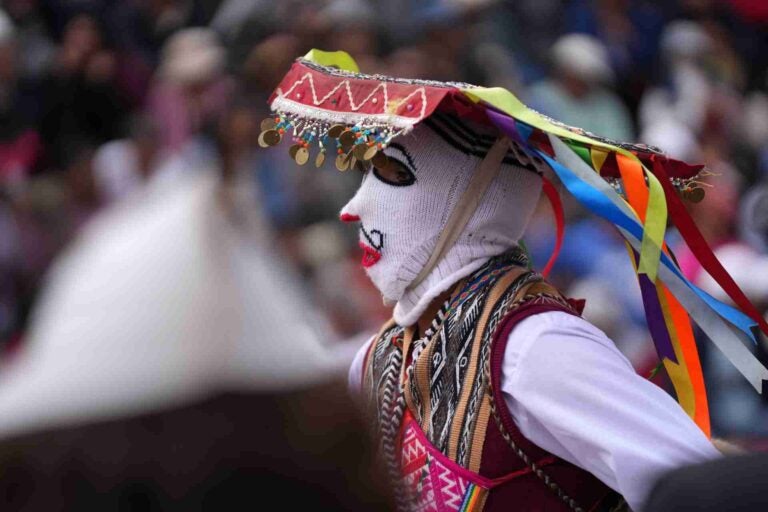
Inti Raymi is essentially a moving, multi-location performance: you will see ceremonial speeches, processions, music, dance, and symbolic offerings as the event shifts through Cusco.
Expect a strong visual focus, such as bright textiles, feathered headdresses, traditional instruments like flutes and drums, and large ensembles.
If you are wondering how Inti Raymi is celebrated in Peru, the most useful answer is to follow the event flow and decide which parts you want to watch in person.
Key ceremony locations in Cusco
The Inti Raymi festival is commonly staged across three main locations:
- Qorikancha: Often described as the Temple of the Sun, where the day’s first staging takes place. While this part of the event is generally free to watch from surrounding public areas, reserved seating tickets are for sale as well, which can be worth it if you want a clearer view without fighting for curb space
- Plaza de Armas: Cusco’s central square, also referred to as the Main Square, where the performance continues in a public setting.
- Sacsayhuamán: The hilltop archaeological site where the main, ticketed spectacle is staged for the largest seated audience. It is set on the fortress esplanade, known for massive stone walls, with a large-scale reenactment. Seats are usually sold in sections, and tickets are limited, so booking a few months ahead is common.
If you are choosing what to prioritize, many travelers treat Qorikancha and Plaza de Armas as free viewing opportunities, then decide whether to buy paid seating for Sacsayhuamán.
What happens during the festival
Inti Raymi Peru follows a three-part flow, and each stop has its own scene with different symbolism. Exact scripts vary by year, but this is what visitors can typically expect to see.
Opening ceremony at Qorikancha
This first segment is the sun greeting. Performers representing the Inca and royal court arrive in ceremonial dress, and the Inca delivers a formal address, which is often in Quechua, with a Spanish translation for the crowd.
You will usually see choreographed movements that face the sun, plus ritual-style gestures and music meant to symbolize gratitude, renewal, and the start of a new seasonal cycle, such as the winter solstice and the Inca New Year tradition.
Procession and public ritual in the Plaza de Armas
The festival then moves into Cusco’s main square, where the focus is on public spectacle. A larger procession, more dancers, and coordinated formations with drums and flutes.
This portion often includes proclamations from the Inca and responses from the surrounding groups, like nobles, representatives of regions, or delegations, which act as a symbolic unifying moment — Cusco as the center where the community gathers and witnesses the ceremony together.
Final performance at Sacsayhuamán
This is the longest, most theatrical part. Expect a full-staged reenactment with large ensembles, set-piece choreography, and extended speeches. The storyline usually centers on honoring Inti, asking for protection and prosperity, and symbolically renewing the bond between the people, the land, and the sun.
Visitors will also often see stylized offerings (since it’s not an actual religious ritual in the modern event), live Andean music, and coordinated dances that represent different groups or regions.
Inti Raymi tickets, prices, and viewing tips
Tickets are required for the main Inti Raymi Peru event at Sacsayhuamán, where the final ceremony is staged in a seated grandstand format. The earlier stages in central Cusco, especially Qorikancha and the Plaza de Armas, can be watched from public areas, so the big decision is whether you want paid seating for comfort and sightlines or prefer free viewing and don’t mind crowds.
Inti Raymi ticket prices and seating sections at Sacsayhuamán
Sacsayhuamán tickets are typically sold in three seating sections: green, red, and orange. In general, orange offers a more central view, while red and green are more side-angled.
| Seat section | Adults (general) | Children |
|---|---|---|
| Green tribune | 407 S/. (about $106) | 204 S/. (about $53) |
| Red tribune | 633 S/. (about $165) | 306 S/. (about $80) |
| Orange tribune | 632 S/. (about $164) | 306 S/. (about $80) |
Paid seating vs. free viewing: What to know before you choose
- Paid seating at Sacsayhuamán: Best if you want a clearer view, less jostling, and a more set experience. Tickets typically cover entry and a seat only, which means transport, food, and guides are usually separate unless you book a tour.
- Free viewing at city stages: Best for budget travelers who want to experience the atmosphere in Cusco’s historic center. Expect dense crowds, partial sightlines, and the need to arrive early to hold a spot.
- Planning tip: Availability is limited, so if you have your heart set on a specific section, buying a few months ahead is the safer play.
How to attend Inti Raymi in Cusco
If you are traveling from the US, attending Inti Raymi Peru in person is mostly about three things: arriving early enough to acclimatize, choosing your viewing strategy, such as free city stages vs. Sacsayhuamán seating, and booking logistics well ahead of June 24.
How to get to Cusco: Flights via Lima or domestic connections
From the US, most routes go through Lima, then connect to Cusco. If you can, plan to land in Cusco 2–3 days before June 24 so you are not dealing with travel delays and altitude right before festival day.
Where to stay: Book early due to high demand
Cusco fills up fast around the Inti Raymi festival. Book early if you want a central base near Qorikancha or the Plaza de Armas, since those areas make it easier to watch the morning stages and get around on foot.
Weather: Dry season, cool temperatures
June is dry season in Cusco, but mornings and late afternoons can feel cold. Dress in layers, and bring sun protection. The high-altitude sun can be strong even when temperatures are mild.
Avoiding crowds: Arrive early
Crowds build early at Qorikancha and the Plaza de Armas. If you want a better view without fighting for space, consider reserved seating at Qorikancha (price varies by vendors), then plan whether you will head to Sacsayhuamán for the main ticketed show.
Altitude adjustment: Allow time to acclimatize
Cusco’s altitude can affect even experienced travelers. Keep your first day light, such as short walks, early night, and lots of hydration, and avoid scheduling your biggest activities right after arrival.
Day-of plan: a simple, realistic flow
If you are doing a see-everything day, expect it to feel hectic. A more manageable approach is:
- Watch Qorikancha or the Plaza de Armas stage–pick one based on where you are staying.
- If you have Sacsayhuamán tickets, head up early since the main show typically starts around 2 pm and runs about 2.5 hours.
- If you are trying free hillside viewing near Sacsayhuamán, plan to arrive 2–3 hours early for a spot.
- Since street closures and crowds can make meeting up tricky, having an eSIM helps you keep maps and messaging working reliably throughout the day.
Fit Inti Raymi into a wider Peru itinerary
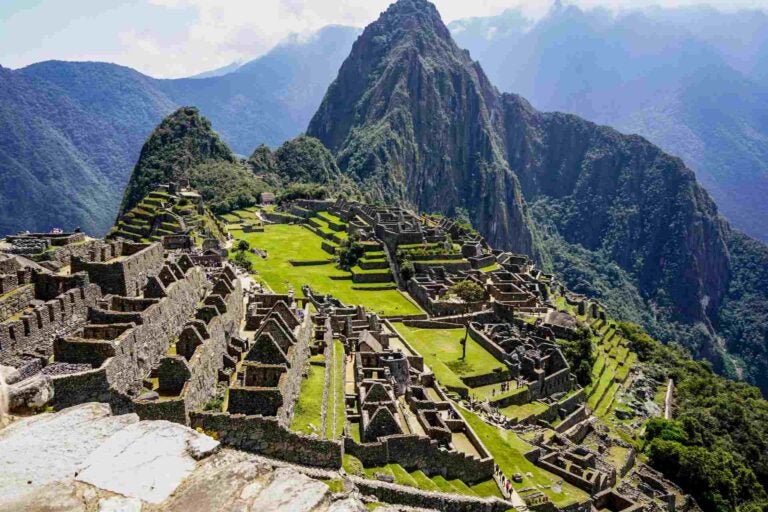
If Inti Raymi is the anchor of your trip, build your days around acclimatization and Cusco-area highlights, like Sacred Valley, then Machu Picchu after the festival. A guide on how many days in Peru can help you decide whether to stay Cusco-focused or add another region without rushing.
Stay connected at Inti Raymi Peru with Holafly eSIM
Want reliable data during Inti Raymi Peru 2026? A Holafly eSIM makes it easier to use maps, message your group, and manage day-of logistics without worrying about roaming fees. If Peru is your main stop, an eSIM for Peru is a straightforward option, and you can compare plans in the Holafly eSIM Store before you fly.
If you plan to visit multiple countries beyond Peru, consider Holafly plans, a monthly subscription with unlimited data that covers 170+ destinations. It offers a practical way to stay connected with one setup across multiple destinations while you travel the world.

Unlimited data. Peace of mind.
Make sure you have travel data that's there when you need it most.
Plans that may interest you


Formerly a travel journalist turned marketing copywriter, I found my way back to the travel world with Holafly—my dream company that made remote work possible. My motto? “Dream big and make it happen.” I’m passionate about writing, exploring the world, and staying active through walking, running, swimming, and hiking. I also love learning, reflecting, and connecting with inspiring minds.