







 Language


 No results found
Best time to travel to Europe from Australia
The best time to travel to Europe from Australia is during the shoulder seasons, May to June and September to October.
For Australians, travelling to Europe usually involves connecting flights totalling 20 hours or more, so picking the right time to visit helps make the long journey worth the trouble. Overall, the best time to travel to Europe from Australia is during the shoulder seasons, specifically May to June and September to October.
But the best time really depends on what you’re looking for, whether that’s warm summer weather, fewer crowds, or better value. Below, we outline the ideal timing for different travel priorities and regions to help you plan your trip to Europe with ease.

An eSIM you can rely on
Join over 10 million Holafly customers and get connected with our trusted, global services.
When is the best time to go to Europe?
The best time to travel to Europe from Australia is usually late spring (May to June) and early autumn (September to October). These months offer comfortable weather for sightseeing, fewer crowds than the peak summer period in Europe, and generally more reasonable prices.
With such a long trip from Australia, travelling at this time helps you get more out of Europe while avoiding the busiest and most expensive part of the year, which is typically July and August.
Europe seasons overview
Europe’s seasons are the opposite of Australia’s. When it is summer in Australia, it is winter in much of Europe, and the reverse is also true. Daylight hours change more across the year, with long bright days in summer and much shorter days in winter.
Summer in some regions can bring heatwaves, while European winter temperatures, especially in northern and central Europe, can be very cold. These differences can shape what you see, do, and experience during your trip.
Here’s a quick look at each season in Europe, along with where to go and what to expect at that time of year.
| Season | Months | Typical weather | Crowds | Best regions to visit |
|---|---|---|---|---|
| Spring | March to May | Mild temperatures, some rain, flowers in bloom | Moderate | France, Italy, Spain, Netherlands |
| Summer | June to August | Warm to very hot, long daylight hours, possible heatwaves | Highest | Greece, Croatia, Mediterranean coast, southern Italy |
| Autumn | September to November | Cooler but pleasant, fewer heatwaves, autumn colours | Moderate to low | Portugal, France, Germany, Central Europe |
| Winter | December to February | Cold, short days, snow in many areas | Lowest except holidays | Switzerland, Austria, Germany’s Christmas market cities, Northern Italy |
Best time to visit Europe for good weather
For comfortable temperatures and pleasant sightseeing conditions, the most reliable weather in much of Europe is usually in late spring (May to June) and early autumn (September), just outside the peak summer heat.

Late spring (May–June)
May and June bring mild temperatures, longer daylight hours, blooming parks, and countryside landscapes. This period is ideal for walking tours, outdoor cafes, coastal visits, and major attractions before peak summer crowds and heat arrive.
Early autumn (September)
September offers warm but more comfortable temperatures after summer, along with thinner crowds and slightly lower prices. It is a great time for city sightseeing, scenic train travel, harvest festivals, and enjoying outdoor spaces without extreme heat.
Best time to visit Europe to avoid crowds
If you prefer quieter streets, shorter queues, and lower prices in Europe, timing your trip outside the summer peak makes a big difference. Europe’s shoulder and low seasons offer the best time to visit Europe to avoid crowds while still allowing you to see major sights comfortably.
Shoulder seasons (April, October)
April and October balance pleasant weather with fewer tourists across many European cities. Attractions are easier to access, accommodation prices are lower than in summer, and you can still enjoy outdoor sightseeing, seasonal European festivals, and local culture without heavy crowds.
Low seasons (November–March, excluding holidays)
The quietest period in most of Europe runs from November to March, outside the Christmas and New Year holidays. Travellers benefit from the lowest prices, minimal tourist queues, and a slower local atmosphere. That said, colder weather and shorter daylight hours mean more indoor sightseeing and winter-focused experiences.
Best time to travel to Europe by region
Europe’s climate, festivals, and travel costs vary widely by region, so choosing the right timing helps you avoid extreme weather, reduce crowds, and enjoy each destination at its best.
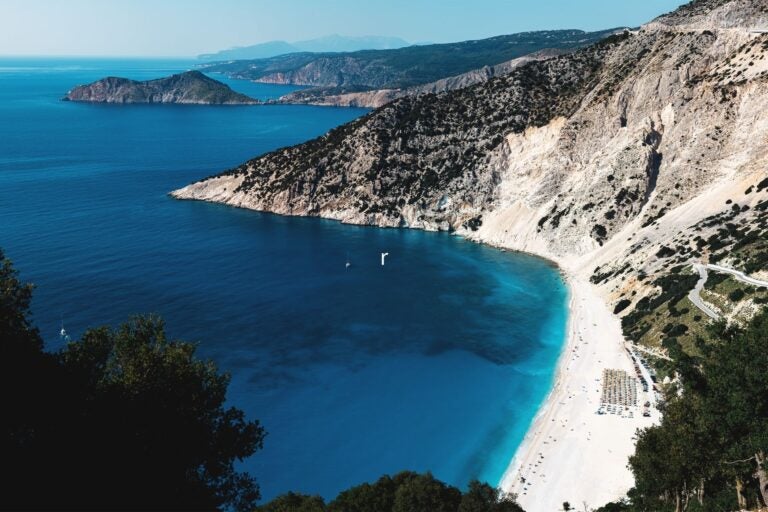
Southern Europe
Southern Europe, including countries such as Spain, Italy, Greece, and southern France, is most enjoyable from May to June and from September to October. During these months, temperatures are warm enough for beaches, coastal towns, and historic walking tours, without the extreme heat of July to August or the heavy tourist crowds.
Food festivals, vineyard harvests, and easier access to famous landmarks also make this period ideal.
Northern Europe
Northern Europe, including Norway, Sweden, Finland, Denmark, and Iceland, is best visited from June to August, when milder temperatures and longer daylight hours make fjords, national parks, and coastal cities easier to explore.
Summer also brings outdoor festivals and midnight sun experiences. In contrast, December to March is better for Northern Lights viewing, snow scenery, and cosy city breaks, though daylight hours are short.

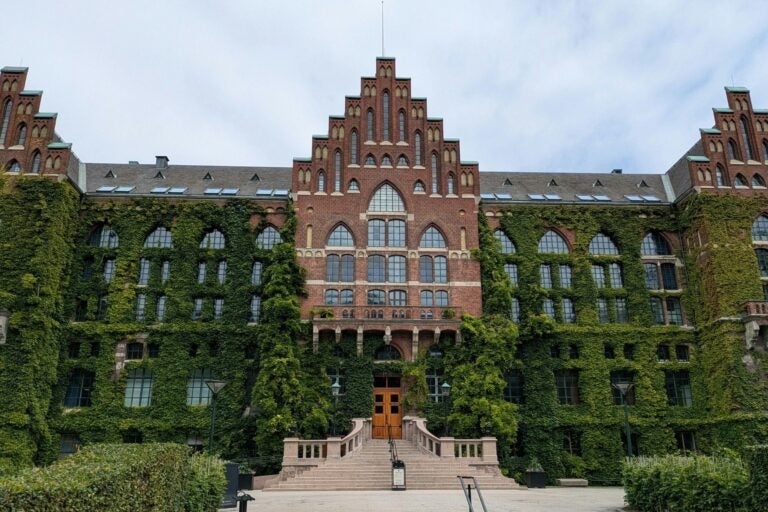
Western Europe
Western Europe, including France, the United Kingdom, Belgium, and the Netherlands, is most comfortable from April to June and September.
You’ll enjoy mild walking weather, spring flowers, early autumn colours, and shorter lines at major sights than in summer. Early autumn is also ideal for visiting European wine regions as the harvest season begins.
Eastern Europe
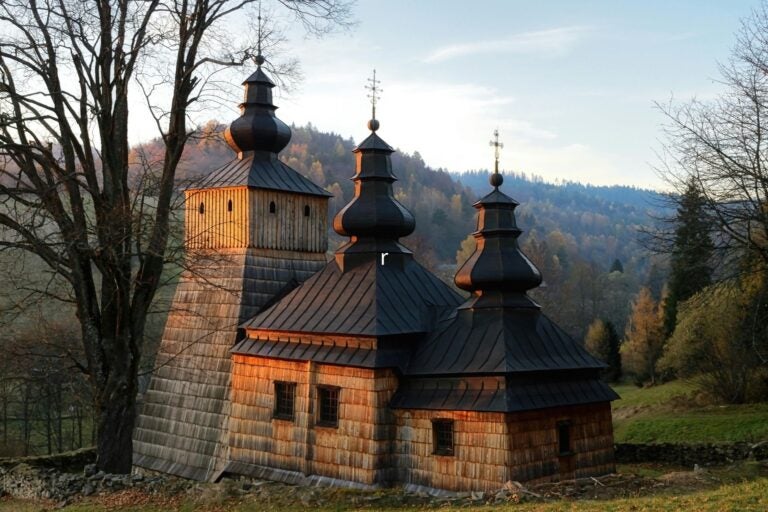
Eastern Europe, with destinations such as the Czech Republic, Hungary, Poland, and Slovakia, is best visited from May to June and September.
Travellers can expect pleasant temperatures for exploring old towns, castles, and riverfront districts, along with fewer tourists and lower prices. Cultural festivals, open-air markets, and relaxed cafe life are also easier to enjoy outside the busy summer season.
Practical tips for Australians planning a European trip
Planning a trip to Europe from Australia takes a bit of extra thought. These practical tips can help you save money, stay comfortable, and make the most of your time overseas.
- Avoid travelling during extreme heatwaves, especially when temperatures reach 40°C or higher.
- Allow full travel days when moving between European cities.
- Sample must-try European food to make sure you eat the region’s best dishes.
- Use Europe’s train travel services for fast and convenient transport.
- Consider long-distance buses for a cheaper, though less comfortable, alternative.
- Plan a longer stay to make the long flight from Australia worthwhile.
- Pack based on the season and regional weather differences.
- Book flights and accommodation early to secure better prices.
- Use a travel eSIM to stay connected without expensive roaming fees.
Tip! You can explore Europe with Holafly Plans, a global eSIM that gives you unlimited data across the region.
Enjoy unlimited data in Europe with Holafly
No matter when you decide the best time to travel to Europe from Australia is, Holafly’s eSIM for Europe keeps you connected wherever you travel in the region. It includes unlimited data, flexible plans from 1 to 90 days, 24/7 customer support, and up to 1 GB for daily hotspot sharing. Prices start at AUD 5.90 for a one-day unlimited data plan.
If you travel internationally often, Holafly Plans offer a monthly global eSIM subscription with unlimited data in more than 160 destinations, plus a local number and unlimited hotspot sharing wherever you go.

Get an unlimited data eSIM
Use code MYESIMNOW5 for 5% off at checkout
Plans that may interest you


哈囉我是來自台灣的 Wen,平常最喜歡旅遊,也喜歡將旅遊的種種化成文字跟大家分享,希望大家能在我的文章中找到有用的資訊,加上 Holafly 的 eSIM,讓你的旅程更美好!✈️✈️✈️ Hi! I'm Wen, a passionate content writer and travel enthusiast from Taiwan. I transform my wanderlust adventures into engaging stories and practical guides, helping fellow travelers make the most of their journeys.Through my articles, I strive to provide travel tips while introducing how our eSIM technology can enhance your travel experience - keeping you connected wherever your adventures take you!

