Language
Living in El Salvador as a foreigner: What is it really like?
El Salvador, the smallest country in mainland America, is becoming a growing destination for expats. Keep reading to know more!

If you’re thinking about living in El Salvador, you’ll find everything you need to know here.
El Salvador has shifted from being one of Central America’s hidden gems to a growing hotspot for surfers, investors, and digital nomads. Nicknamed the “Tom Thumb of the Americas” due to its size, it’s a place where you can wake up with a volcano view and end the day watching the sun set over the Pacific.
There you’ll find a country in the midst of a transformation. It’s a place where the warmth of its people is without a doubt its greatest asset, while traditional colonial towns coexist with the rise of modern tech hubs.
El Salvador made history as the first country to adopt Bitcoin as legal tender. Far from being just a fun fact, this move has reshaped how many digital nomads handle their money and day-to-day finances.
Keep reading and decide if this country of perfect waves and great coffee is your next destination.
What is the quality of life like in El Salvador?
Living in El Salvador today is very different from what it was five years ago. The country is going through a period of profound change that has drawn the attention of international organizations.
Recent data from the Global Social Progress Index highlights significant improvements in public safety, while also noting that structural challenges remain, especially in rural areas where access to basic services is still limited.
For foreigners, living in El Salvador is often a very positive experience, especially for those looking for a balance between modern life and nature. Let’s take a closer look at what kind of quality of life the country offers.
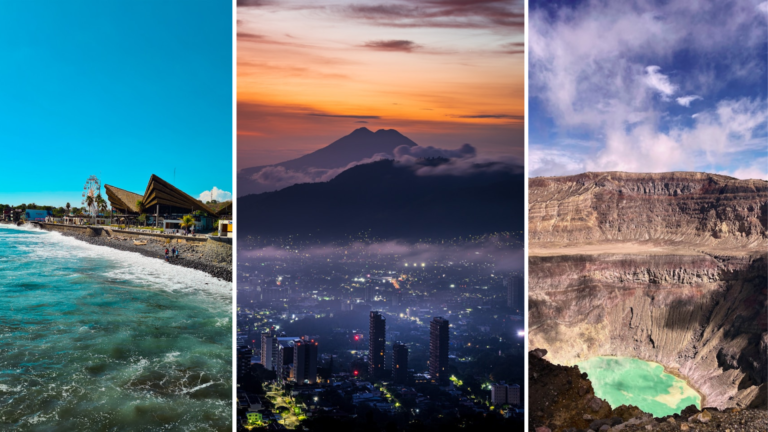
Safety and the social environment
Historically, safety was the biggest concern for anyone considering living in El Salvador. However, in recent years, crime rates have dropped dramatically. Data from institutions like the Statista Research Department, along with local reports, now place El Salvador among the safest countries in the region.
This shift has helped nightlife and tourism make a strong comeback. It’s now common to see foreigners strolling safely through San Salvador’s Historic Center or enjoying La Libertad’s “Surf City” well into the night.
The social environment is lively and very welcoming. Salvadorans are known for their hospitality, which makes it easy to feel at home from day one. That said, you may also notice that society remains fairly conservative in certain family and religious matters.
The economy, Bitcoin, and the cost of living
Since 2001, El Salvador’s official currency has been the US dollar, which makes things much easier for foreigners, as there’s no risk of currency devaluation.
But in 2021, the country made history by adopting Bitcoin as legal tender. That means you can pay with a digital wallet, such as Chivo Wallet or Strike, in almost any business.
On top of that, the cost of living is relatively affordable compared to Europe or North America. Rent, usually the biggest expense, also remains fairly reasonable. For instance, a modern apartment in upscale areas of San Salvador such as Colonia Escalón or San Benito typically ranges from about $800 to $1,500 a month. As for food, you can get a full lunch menu for around $5 to $8, both in the capital and in smaller towns.
In coastal areas, prices have risen due to demand from digital nomads, but they remain competitive.
Healthcare system
El Salvador’s healthcare system is split between public and private services. For expats, having private health insurance is generally the best option. Hospitals such as Diagnóstico and Hospital de la Mujer in San Salvador offer modern facilities, advanced technology, and doctors trained abroad.
Private health insurance in El Salvador usually costs around $60 to $120 per month per person, depending on age and health history. While it may seem like an added expense, it’s really about peace of mind. If you’re just visiting, travel insurance can be enough, but for longer stays, proper health coverage is the smarter choice.
The public healthcare system (MINSAL) has seen major investment, including Hospital El Salvador, but non-urgent care often still involves long wait times.
International education and training
If you’re moving with family, San Salvador offers high-quality education options. There are international schools with U.S. and European academic calendars, and institutions like the American School, Colegio Maya, and the Lycée Français are among the top choices for expat families.
These schools offer programs like the International Baccalaureate (IB) or a U.S. high school diploma, making it easier for students to apply to universities around the world. That said, tuition typically ranges from about $400 to $900 per month.
Higher education is also strong, with private universities such as ESEN and UCA, which are renowned for their academic excellence in the Central American region.
Internet access: The driving force behind the digital nomad
El Salvador has grown in popularity among the digital nomad community (especially among those who, in addition to their laptop, travel with their surfboard).
Infrastructure has improved significantly in urban and tourist areas, and 4G and 4.5G coverage is strong across most of the country. Even in beach towns like El Zonte and El Tunco, known as “Bitcoin Beach,” cafés and hotels are well equipped with high-speed internet for remote workers.
Online shopping options have also expanded, with local and regional platforms delivering products right to your doorstep in less than 24 hours.
So how do you take full advantage of all this? With Holafly. Their eSIM for El Salvador gives you unlimited data throughout your stay. And if you’re planning to stay longer or move there, the monthly plans are a convenient option.
With a single subscription, you get either unlimited data or 25 GB that works across El Salvador and in over 160 countries, including many in the region. For digital nomads, being able to move across borders without losing internet access is a real advantage.

What are the advantages of living in El Salvador?
If you’re looking for a place that mixes adventure, modern life, and a warm welcome, El Salvador is a strong option. Living here offers benefits from lower costs to unique landscapes, making for a flexible and exciting lifestyle. Here are the main advantages:
Tax benefits and an open investment climate
One of the biggest advantages of living in El Salvador in 2026 is its strong push to attract foreign talent. Recent reforms include income tax exemptions for foreign professionals and specialists earning up to $100,000 a year.
For those planning to settle long-term, there are also laws that allow you to bring in household goods and work equipment worth up to $100,000 without paying import duties, making the initial move much easier.
A surfer’s paradise and “Surf City”
For ocean lovers, the “Surf City” initiative has reshaped the La Libertad coastline. Beaches like El Tunco, El Zonte, and Punta Mango now offer world-class waves that draw surfers and digital nomads from all over the world.
Tourism infrastructure in these areas has expanded quickly, with a mix of bohemian hostels, boutique hotels, and ocean-view coworking spaces, all within an hour of the capital.
By the way, we have a very comprehensive article on surfing in El Salvador that we recommend you read if you’re a fan of the sport.
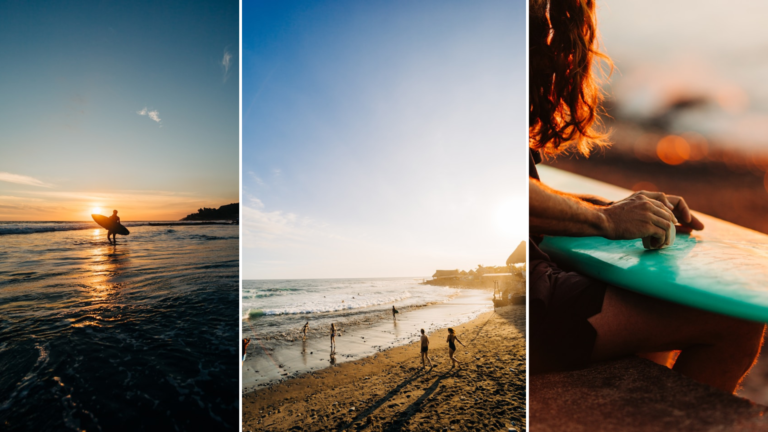
An eternal summer climate
If you’re looking to escape the cold, this is the place for you. El Salvador has a warm tropical climate year-round, with average temperatures around 25°C. There is a rainy season from May to October, but even then, most days are sunny with short, heavy showers in the late afternoon.
If you prefer cooler weather, you can head to mountain areas like Apaneca or El Pital, where temperatures can drop to around 10–15°C, offering a refreshing break without ever leaving the country.
Short distances and diverse landscapes
Thanks to its small size, one of the biggest perks of living in El Salvador is how close everything is. You can work in the morning by Lake Coatepeque, a volcanic lake with striking turquoise water, and be surfing the Pacific by the afternoon.
That proximity means you can make the most of your free time without spending hours stuck in traffic or on long drives, which is a huge plus when you want to get the most out of your downtime.
Hospitality and a vibrant community
Salvadorans have a well-earned reputation for being hardworking and very welcoming to foreigners. Once you’re there, you’ll find it’s easy to strike up conversations and make friends.
There’s also a growing community of expats and digital nomads who connect through networking events, food fairs, and artisan markets. This openness makes moving to a new country feel much warmer and far less isolating than in many other places.
What are the challenges of living in El Salvador as a foreigner?
Although the country is going through a period of optimism and change, moving to the heart of Central America means adjusting to a different reality. To live successfully in El Salvador, it’s important to weigh up these challenges:
Traffic in the metropolitan area
If you plan to drive around San Salvador, you’ll need some patience, as the number of cars has grown much faster than the road infrastructure. During rush hours (around 6:30–9:00 a.m. and 5:00–7:30 p.m.), trips that would normally take 15 minutes can easily stretch to an hour.
Even though the government is building new overpasses and viaducts, traffic remains one of the main complaints among both locals and foreigners.
Quality of basic public services
Despite ongoing modernization, challenges in resource distribution remain. In some areas, access to clean water can be inconsistent, so residents often rely on storage tanks or cisterns as a backup.
Likewise, while the power grid is generally reliable, electricity prices are among the highest in the region. If you’re living in El Salvador and plan to use air conditioning regularly, you should expect monthly bills in the range of $100 to $200.
Traditional public transportation
Unlike European cities, El Salvador’s urban bus system is still in the process of modernization. Many buses are old, don’t have air conditioning, and are often overcrowded.
For foreigners, the system can feel confusing and uncomfortable. Most expats end up buying a car or relying on ride-hailing apps like Uber or InDrive, which adds an extra cost to their monthly budget.
The infrastructure gap in rural areas
If your dream is to live in El Salvador but far from the city, you should know that the quality of services declines as you move away from urban centers.
While San Salvador and Surf City have high-speed fiber optic internet, in mountain towns or remote beaches you may have to rely entirely on mobile data or satellite internet, which tends to be more expensive.
In addition, reaching specialized hospitals or major supermarket chains can take over an hour, often on roads that aren’t always in the best condition.
Natural disasters and extreme weather
Located along the Pacific “Ring of Fire,” El Salvador sits in an active seismic zone. Earthquakes are common, and while most are too mild to notice, they’re something you’ll need to get used to.
On the other hand, the rainy season can bring heavy tropical storms that sometimes lead to flash floods or minor landslides in hillside areas. Adapting your home and staying up to date with Civil Protection alerts are just part of everyday life in the country.
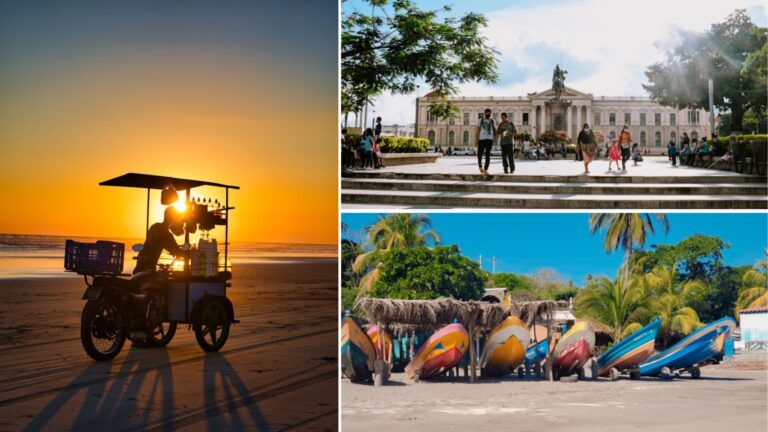
Living in El Salvador means experiencing a country that’s quickly reinventing itself. It’s a great choice if you want a mix of the energy of a developing capital and the calm of peaceful beaches with great waves.
If you’re a digital nomad who values financial freedom, tax perks, and the option to pay with Bitcoin at the supermarket, you’ll find a truly unique ecosystem here.
Of course, it’s not without its challenges. Adjusting to San Salvador’s traffic or the more basic infrastructure in rural areas takes an open mind and a sense of adventure. Still, the positives tend to outweigh the drawbacks, thanks to the warmth of the people, an affordable cost of living, and the feeling of being somewhere actively shaping its future.
Frequently asked questions about living in El Salvador
Yes, El Salvador has introduced options to make it easier for remote workers to stay. The Digital Nomad Visa allows foreigners to live in the country legally for up to a year, with the possibility of renewal. Requirements typically include a minimum monthly income of around $1,460, international health insurance, and a clean criminal record.
If you’re after urban comfort and upscale services, the best areas are Colonia Escalón, San Benito, or Antiguo Cuscatlán in San Salvador. For a beach lifestyle with a strong international community, El Zonte (known as Bitcoin Beach) and El Tunco are major hubs for digital nomads. And if you prefer cooler weather and a quieter, colonial atmosphere, Santa Tecla or Ataco are excellent choices.
It’s not required, but it’s definitely convenient. The US dollar is still the main currency and accepted everywhere. That said, having a digital wallet lets you take advantage of promotions, make quick payments in modern businesses, and connect with the local tech community. Living in El Salvador, you’ll quickly see that using both systems side by side is much easier than it might seem from the outside.
Opening a bank account as a foreigner can be a slow, bureaucratic process. You’ll usually need your passport, proof of address, and in some cases a local reference or a temporary residency card. Because of this, many digital nomads stick to their international accounts and rely on local ATMs, card payments, or Bitcoin while they sort out their legal status.
Private healthcare in San Salvador is of excellent quality. Hospitals like Hospital de Diagnóstico have international accreditations and English-speaking staff. Costs are a fraction of what you’d pay in the United States; for example, a specialist consultation typically ranges from about $50 to $80. That said, having private insurance is essential to access these facilities without financial strain.
Plans that may interest you


Hi! I'm a Spanish-English copywriter working with Holafly, helping bring travel content to life for curious travelers. As a digital nomad with a passion for exploring, I'm always adding new spots to my bucket list. If you love to travel like me, stick around because you're in the right place to find inspiration for your next trip! ✈️🌍