







 Language


 No results found
Volunteering in Medellín: Get ready to go
Thinking about volunteering in Medellín? Learn about the requirements, costs, types of projects, and tips to get you ready.

If you want to see the city from a deeper perspective, volunteering in Medellín is a meaningful way to connect with local communities and support projects that create real impact. It takes time, commitment, and a bit of planning to make the experience positive for both you and the organization.
In this article, you’ll find the key information you need to prepare with confidence, from the different types of volunteer opportunities available in Medellín to what organizations typically expect, the possible costs involved, and the practical details worth sorting out before you arrive. If you’re considering this experience, this guide will help you get off to a great start.
Why volunteer in Medellín? Real benefits
Volunteering in Medellín is not only a way to contribute to meaningful social projects with local impact, but also an opportunity to experience a city that has shaped much of its recent identity around inclusion, education, and community driven initiatives. Here are some of the key benefits of choosing to have this experience in Medellín.
- You become part of projects that create real impact in a city that has invested heavily in social development. Medellín is known for urban initiatives focused on inclusion, such as the Metrocable system and comprehensive programs in underserved neighborhoods. That commitment has led to community based projects where volunteering tends to be hands on, practical, and closely connected to the people they support.
- You gain access to a strong network of educational and cultural spaces within local communities. The city created the library parks to bring culture, learning, and public services to neighborhoods on the outskirts, and many social initiatives connect to these spaces through workshops, tutoring programs, and community activities.
- There’s a wide range of causes to get involved with in the city (education, children’s programs, community development and environmental work). For example, some programs focus on restoring green spaces and creating community gardens while teaching about sustainability, while others support children through tutoring and educational activities.
- Getting around the city is usually pretty straightforward. The Metro and Metrocable system has connected areas that were once isolated, making them part of the city’s daily life. For a volunteer, this makes it easier to reach projects and get a deeper understanding of the different neighborhoods.
Requirements for volunteering in Medellín
Before getting started, it’s important to be aware of certain requirements that may be mandatory depending on your personal situation, the length of your volunteer work, and the type of organization.
- Valid passport: It’s the essential document for entering Colombia and for any immigration procedures. Make sure it’s valid for the entire duration of your stay.
- Entry permit or visa, depending on the duration and type of volunteer work: For short-term volunteering, many people enter the country with the authorization given when they arrive. If your volunteer work is long-term or the organization requires it, you’ll need to apply for a volunteer visa (type V) before traveling. This visa allows you to take part in volunteer activities but does not allow paid work.
- Acceptance letter from the host organization: If you’re applying for a visa or taking part in an official program, you’ll often need a letter from the NGO or project outlining your role, responsibilities, and the length of your volunteer commitment.
- Medical insurance with coverage in Colombia: Many organizations require you to have it to join their programs, and any volunteer will benefit from having it. It should cover basic medical care, emergencies, and, if possible, repatriation.
- Minimum age and special permits (if applicable): Some projects set a minimum age for participation. Volunteers who are under 18 usually need extra permissions to travel and take part in activities in the country.
Understanding these basics from the beginning makes your arrival easier and lets you focus on the most important thing: experiencing volunteering in Medellín in a relaxed and well-prepared way.
Connectivity during your volunteer work in Medellín
Before wrapping up this section, it’s worth pointing out a practical detail that people often overlook but that becomes essential when you volunteer in Medellín: having internet from day one. It is not just for navigating the city or using maps, but also for staying in touch with the organization, coordinating schedules, handling unexpected situations, and getting around the city more easily.
For extended stays, Holafly’s monthly plans work perfectly with the flow of volunteering. You can set up the eSIM before you leave, arrive in Colombia ready to go, and avoid dealing with local SIM cards or paperwork. Starting with reliable data gives you independence and peace of mind, which helps you a lot when you join a social project in an unfamiliar city.
Important: If you are a frequent traveler and want to stay connected without worrying about expensive roaming or looking for a new SIM at every destination, Holafly’s subscription plans are for you. With a single eSIM, enjoy internet in more than 160 countries for a fixed price and no surprises on your bill. Travel without limits and connect easily and securely! 🚀🌍

Best volunteer programs in Medellín
In Medellín, you can choose all-inclusive programs, great for first-timers, or local volunteer projects where you manage your own plans and get closer to the community.
International Volunteer HQ (IVHQ)
IVHQ partners with local organizations in Medellín to run social projects. Their programs often focus on community support, children, and vulnerable groups, and are designed for people looking for a structured volunteering experience. Participants usually need to be over 18 and meet the necessary immigration requirements. Program lengths are flexible, ranging from one week to several months.
The program offers a welcome orientation, airport transfer, housing, some meals, and local support throughout your stay. Costs depend on the length of your stay, with weekly rates clearly outlined.
Globalteer
Globalteer offers a volunteer opportunity in Medellín focused on working with children and youth, supporting educational, recreational, and tutoring activities. Participants usually need to be adults, have a basic level of English or Spanish, and provide a background check since they work with minors. Program lengths range from one week to several, depending on the project. It includes local support, orientation, transport to the project, and depending on the package, accommodation and cultural activities. Costs vary based on duration and whether housing is included, and are charged as a weekly fee.
Sueños y Huellas Medellín
This program blends social volunteering with a richer cultural experience in the city. Volunteers take part in community projects and, depending on the plan, also enjoy guided tours, cultural classes, and local support. The organization usually handles requirements through an application form, and they vary depending on the plan you choose. Programs are available for short, medium, and long stays, ranging from two weeks to several months. Plans include accommodation, meals on certain days, basic insurance, internet, and cultural activities. Prices depend on the length of stay and room type and are offered as an all-inclusive package.
TECHO Colombia
TECHO, a social organization in Medellín, allows people to join different volunteer activities at their own pace. It is not a tourist program or sold in weekly packages, but focuses on hands-on community work. You usually don’t need prior experience or to pay fees, and anyone interested in supporting local projects can join. How long you stay depends on your level of commitment and the available opportunities, and the organization coordinates the details of each activity directly with you.
Types of volunteer projects in Medellín
In Medellín, local communities play a central role in volunteering, especially in neighborhoods where social work has shaped the area in recent years. Here are the most common types of projects and what participating in them is like.
- Educational and school support projects: These projects are very common and take place in working-class neighborhoods and communities where children and youth need extra academic support and guidance. Volunteers often help with homework, reading, games, or basic workshops in areas like languages, art, or sports. In Medellín, many of these programs also aim to provide a safe space for kids after school.
- Working with children and young people: Beyond academic support, volunteers work on projects that focus on emotional guidance, play, and personal development. Volunteers work with children and teenagers in vulnerable urban areas, helping establish routines, safe spaces, and activities that build social skills and self-confidence.
- Community and social support: These projects focus on strengthening communities through neighborhood events, support at community centers, participatory workshops, or working directly with families. In Medellín, this type of volunteering is often closely linked to social change initiatives that come from within the neighborhoods themselves.
- Projects with women and social empowerment: Some initiatives focus on supporting women in vulnerable situations, offering basic education, community workshops, social support, or activities that strengthen personal and economic independence. Volunteers usually take on a supportive role, always approaching their work with respect.
- Environmental and urban projects: In Medellín, volunteers can also take part in projects that care for the environment, such as planting urban gardens, restoring community spaces, teaching about sustainability, and running activities in nearby green areas. These are not large nature reserves but local initiatives aimed at improving the connection between communities and their surroundings.
- Volunteering with animals (in urban shelters): Animal-related projects usually focus on dogs and cats, often in local shelters or foundations. Common tasks include cleaning, assisting with daily care, socializing the animals, and helping out during adoption events. These initiatives are typically based in the city rather than in rural areas.
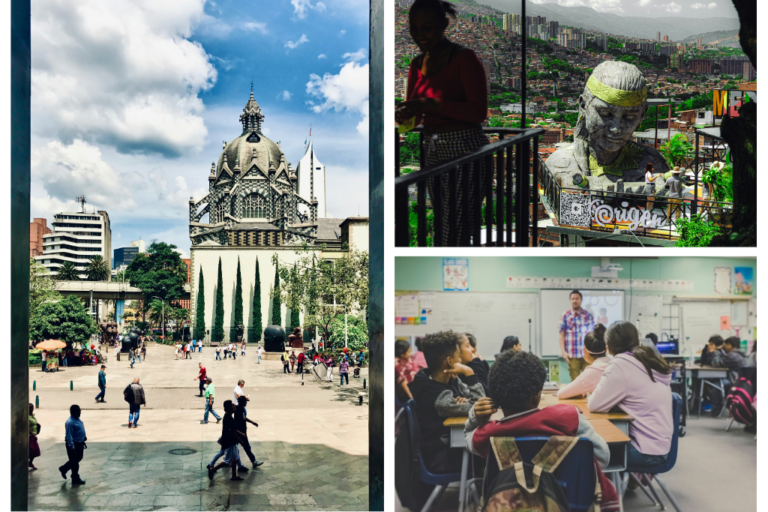
How much does it cost to volunteer in Medellín?
The cost of volunteering in Medellín mostly depends on the type of program. Local community projects are often free or ask for a small contribution, usually up to $100. Organized programs for international volunteers typically cost more, around $150 to $300 per week, covering support, coordination, and often accommodation and meals.
If accommodation isn’t included, it will be one of your biggest expenses. In Medellín, a shared room typically costs between $250 and $400 per month, while a private room ranges from $400 to $700 depending on the area. Food is fairly affordable, with a reasonable monthly budget around $150 to $250, and even less if your volunteer program provides some meals.
You’ll also need to factor in local transportation, usually around $30 to $50 per month, and health insurance, which many organizations require and typically costs between $30 and $60 per month. If you need a volunteer visa, there may be extra administrative fees, often ranging from $50 to $200. Overall, volunteering tends to cut down many of the usual travel expenses, making it easier to keep a manageable budget.
Frequently asked questions about volunteering in Medellín
It depends on the length of your volunteer stay and how the program is set up. For short-term volunteering, many people enter Colombia using the authorization given upon arrival. For longer programs or when required by the organization, you may need to apply for a volunteer visa before traveling.
Spanish isn’t always mandatory, but it’s strongly recommended. In community projects, knowing the language makes connecting with the organization and local people much smoother. Some programs welcome volunteers with only basic Spanish and treat the experience as an opportunity to improve their language skills.
The most common projects focus on education, working with children and youth, community support, and social initiatives.
It depends on the project, but generally staying at least two to three weeks gives you time to adjust to the pace of volunteering and contribute more consistently. In community projects, longer stays are usually more appreciated.
In organized programs, the program usually includes accommodation, an initial orientation, and local support. Some programs also provide weekday meals and cultural activities. It’s always a good idea to check exactly what each program offers before signing up.
Plans that may interest you


Hi! I'm a Spanish-English translator working with Holafly, helping bring travel content to life for curious travelers. As a digital nomad with a passion for exploring, I'm always adding new spots to my bucket list. If you love to travel like me, stick around because you're in the right place to find inspiration for your next trip! ✈️🌍
