







 Language
How to volunteer in Switzerland: Requirements and best programs
Un voluntariado en Suiza te permitirá trabajar en las montañas y granjas del país, con el respaldo de grandes organizaciones.

Volunteering in Switzerland gives you the chance to experience a country known for its efficient way of life, mountain landscapes, and strong culture of social responsibility. Beyond its reputation for luxury, Switzerland is a hub for major international organizations, giving volunteers the opportunity to gain valuable experience and be part of meaningful work in an inspiring setting.
Planning ahead is important if you want to volunteer in Switzerland. Opportunities can range from helping maintain hiking trails in the Alps to supporting international organizations in Geneva. Being well prepared is essential to making the most of the experience and meeting the country’s strict standards and regulations. In Switzerland, things are expected to run smoothly and efficiently.
Switzerland is known for its neutrality and care for the environment, but in 2026 it also faces challenges like climate change and social integration. That’s why volunteers are expected to bring not only enthusiasm, but also useful skills that can make a real impact.
In this article, we’ll help you prepare for a smooth and rewarding experience in Switzerland. We’ll explore why Switzerland stands out from other European destinations, explain the entry requirements for 2026, and highlight some of the volunteer programs available across the country in 2026.
If you want a volunteer experience that helps you grow both personally and professionally, keep reading this guide. You’ll learn how to move around Switzerland easily and how your work can help protect some of Europe’s most beautiful landscapes. Getting ready for Switzerland is the first step toward an unforgettable experience.
What are the benefits of volunteering in Switzerland?
Switzerland is known for being organized, efficient, and highly reliable. Volunteering there gives you the chance to experience a culture built on respect, punctuality, and strong values. If you’re looking for a well-structured volunteer experience, Switzerland offers a unique mix of professional opportunities and incredible natural beauty.
Here are the main benefits of choosing Switzerland for your next volunteer experience:
- Access to international networks: Switzerland hosts global organizations like the UN and the Red Cross. Working on projects there puts you in direct contact with professionals in diplomacy and international cooperation, offering exceptional networking opportunities for your career.
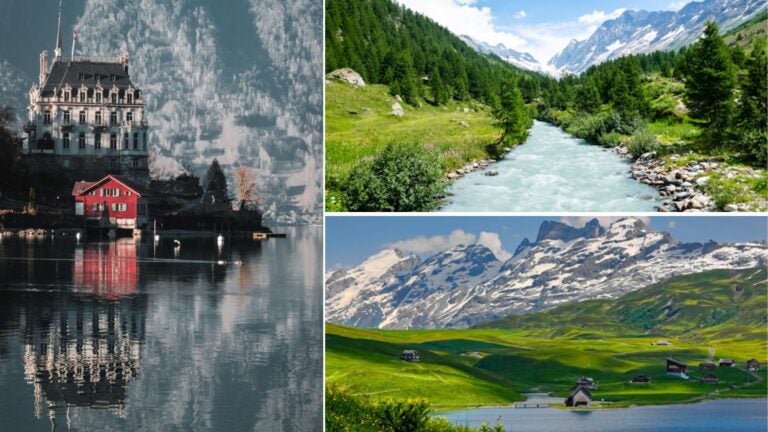
- Protected natural environment: Working on environmental projects in the Alps lets you live in clean, beautiful mountain landscapes. You can help protect glaciers and trails that are part of the world’s natural heritage, and wake up every day surrounded by mountains.
- Safety and quality of life: Switzerland is one of the safest countries in the world. As a volunteer, you can move around freely at any time and use any form of transport without worry.
- Multicultural language exchange: Switzerland has four official languages: German, French, Italian, and Romansh. Depending on the region, you can switch between languages even within the same day. That said, most international projects use English as the main working language.
- Cutting-edge sustainability: You’ll learn about recycling, resource management, and eco-friendly transport from some of the world’s leading experts. In Switzerland, sustainability is part of everyday life, giving you a fresh perspective on how to care for the planet.
- Impeccable transportation infrastructure: On your days off, you can travel across the country on trains that run with incredible punctuality, reaching even the most remote places. Volunteering also gives you the perfect excuse to explore lakes and historic towns with ease.
In the end, choosing Switzerland means going for a top-level volunteer experience. Instead of struggling with basic logistics, the real challenge here is to grow and learn within a system built on discipline and the public good. It’s a way of traveling that shows volunteering can be both meaningful and highly professional.
What’s especially striking is the contrast between the urban life of cities like Zurich and the quiet of Alpine farms. You might spend the morning working on digital innovation projects and the afternoon helping maintain a mountain refuge. Switzerland offers a rare balance between a high-tech future and deep respect for tradition.
What are the requirements for volunteering in Switzerland?
Planning a volunteer trip to Switzerland involves meeting clear and specific requirements. Because Switzerland is outside the EU but part of Schengen, entry rules vary depending on your passport. By 2026, everything is handled online, so the process is much smoother.
Here are the legal and personal requirements you should consider:
Documents and visas
The type of permit you need depends mainly on your country of origin and the length of your stay:
- EU and EFTA citizens: If you’re from the EU or the European Free Trade Association, you don’t need a visa for stays of up to 90 days. You just need a valid ID card or passport.
- Visa-exempt countries: For short stays of under 90 days, you can enter as a tourist. However, starting in 2026, you’ll need an approved ETIAS authorization before you travel.
- Short-stay permit (L permit): If your volunteer stay lasts longer than three months, or if the organization officially requires it, you’ll need to apply for a permit through the local cantonal authorities.
- Passport: Must be valid for at least three months beyond the expected date of departure from the Schengen Area.
Profile and required skills
Switzerland is looking for volunteers with technical backgrounds or a strong willingness to engage in physical and organized work. The common requirements are:
- Minimum age: You must be at least 18 years old. Some farm programs accept young people as young as 16 with very specific notarized permissions.
- Languages: Depending on the region (canton), knowing some French, German, or Italian is often appreciated. English is the main working language in international NGOs in Geneva.
- Criminal record check: This is required if you plan to work with children, the elderly, or in healthcare facilities.
Health insurance: A non-negotiable requirement
Switzerland has one of the most expensive healthcare systems in the world. Having international health insurance that covers you in Switzerland is mandatory, but not just any policy will do. Make sure it provides at least $32,000 in coverage, including hospital care and repatriation.
If you are an EU citizen, your European Health Insurance Card is valid, but additional insurance is always recommended to cover local copayments.
Physical fitness and commitment
A lot of volunteer work in Switzerland takes place in the Alps, which means you need to be in good physical shape to handle hikes on steep terrain or maintenance work at high altitude. Punctuality and respect for schedules are also key cultural expectations you’re simply expected to follow.
How do I connect to the internet while volunteering in Switzerland?
Staying connected in Switzerland is essential for both safety and practical reasons. If you’re volunteering in the Alps or in rural areas between cantons, you’ll need reliable access to maps, train schedules, and translation apps. And if you work remotely, a stable internet connection is key to doing your job without problems.
A common mistake travelers make is assuming their regular mobile data plan will work in Switzerland at no extra cost just because it’s in Europe. However, many mobile providers exclude Switzerland from their “free roaming” agreements. This means using your usual data can quickly lead to unexpected charges.
On the other hand, while cities do offer good Wi-Fi coverage in stations and public areas, these networks often require a local phone number to register. They also aren’t ideal for handling sensitive information or doing work.
So what are your options? You can buy a SIM card when you arrive, but they’re often expensive and require your passport to register. And if you cross into nearby countries like France or Germany, you may even need to switch SIM cards again.
A better option is Holafly’s eSIM for Switzerland, which you can set up without visiting any store and, unlike a physical SIM card, it offers unlimited data. You simply install it by scanning a QR code sent to your email, and the data is available for the number of days you choose when you buy it.
For a volunteer stay of several weeks, Holafly’s monthly plans are a good option. They work like an eSIM but are more flexible and have coverage in over 160 countries! So if you keep traveling around Europe after Switzerland, you can stay connected without worrying about losing signal at each border.
In Switzerland, many daily tasks are only done through apps. Having reliable data on your phone is the best way to enjoy Switzerland’s efficiency without any hassle.

What are the best volunteer programs in Switzerland?
Choosing a volunteer program in Switzerland requires attention to detail. By 2026, organizations have refined their application processes to ensure volunteers are placed in roles where their skills are truly used.
Unlike other destinations, Switzerland offers a wide range of opportunities, from hands-on work in the high mountains to helping out at world-famous cultural festivals.
If you’re not sure where you fit in, learning about the five most reliable programs for volunteering in the country might help you figure it out:
1. Bergwaldprojekt (Mountain Forest Project)
It’s a leading organization for people who love nature and aren’t afraid of physical work. Its goal is to preserve Switzerland’s mountain forests in order to protect communities from avalanches and erosion.
As a volunteer, you’ll help maintain forests, build and repair hiking trails, and protect young plants in different parts of the Alps.
You must be over 18, in very good physical condition, and willing to work in all kinds of weather. A strong connection to nature is also expected. After all, you can’t take care of a forest unless you truly understand why it matters.
The program runs in weekly shifts, from Sunday to Saturday. It’s free to join, but you’ll need to pay for your trip to the meeting point. Accommodation is basic, often in mountain cabins, and food and work tools are included.
2. Agriviva (volunteering on farms)
It’s a well-known program with over 70 years of history, connecting volunteers with Swiss farming families who need help during harvest seasons or with caring for animals.
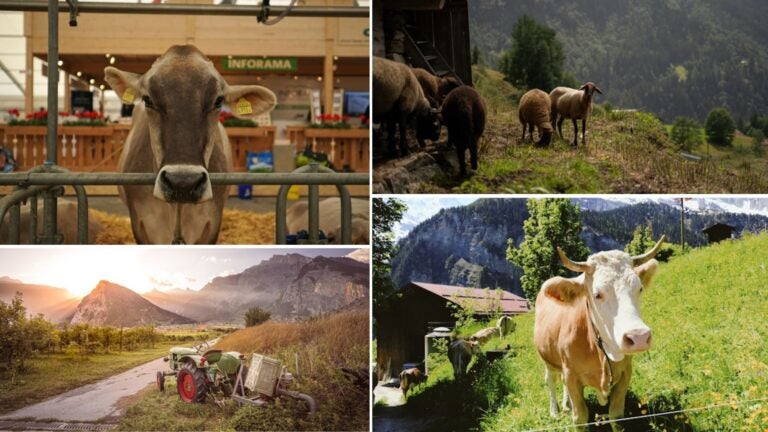
Your job will be to help out with the daily tasks on a farm: from milking cows and gathering hay to helping in the vegetable garden and looking after the family’s children.
Volunteers are usually between 14 and 24 years old, although some farms accept people up to 30. You should be interested in rural life and used to farm schedules. A basic A2/B1 level in a foreign language is also required, along with residency in Switzerland or the EU.
The duration varies, ranging from a minimum of two weeks to a maximum of two months, and the program costs approximately $45.
It includes accommodation and meals with the family, plus a small allowance for personal expenses.
3. SCI Switzerland (Service Civil International)
This organization promotes peace through short-term work camps. It’s ideal for people looking for a quick but immersive multicultural experience.
Projects include things like restoring cultural centers, helping run events for people with disabilities, or supporting sustainable film festivals. There’s a good chance you’ll find something that matches your interests.
Participants are expected to show a strong commitment to the values of peace and social justice. No prior technical skills are required.
It lasts two to three weeks. The registration fee depends on the volunteer’s country of origin (around $150–$200) and includes shared accommodation and meals.
4. UNESCO World Heritage Volunteer (Jungfrau-Aletsch)
This program takes place in the heart of the Alps, in one of the most beautiful protected areas in the world. It’s a high-impact environmental volunteer experience where you’ll take part in a variety of tasks.
Among other tasks, you’ll help control invasive species, remove shrubs that threaten alpine pastures, and support environmental education for visitors to the UNESCO site.
Requirements include a strong interest in ecology, the ability to work at high altitudes, and an intermediate level of English or German.
These are usually two-week summer camps that are free to join, though a small donation is often requested to cover materials (around $110). Accommodation is in mountain hostels, with shared group meals included.

5. Swiss Parks Network
Switzerland has numerous regional parks where volunteers play a key role in maintaining a balance between tourism and conservation.
In this context, the Swiss Parks Network runs volunteer programs where you can help track wildlife, support local events, or take part in maintaining park facilities across the country.
Requirements vary depending on the park, but knowledge of local languages and the ability to work independently are highly valued. Programs also vary in length, from intensive weekend stays to month-long placements.
Costs also vary, but most projects are free or only require a small administrative fee. Some include accommodation, while others just provide logistical support.
What kinds of volunteer projects are available in Switzerland?
Switzerland offers a very different volunteering experience from other parts of the world. Since it’s a highly developed country, the focus is not on basic aid, but on conservation and supporting local communities. If you’re a digital nomad, many of these projects are a great way to spend time in nature and balance out your screen time.
These are the most common types of projects you’ll find in Switzerland:
Environmental conservation and mountaineering
Environmental projects are a big part of volunteering in Switzerland. With climate change threatening glaciers and Alpine forests, protecting these natural areas has become a major priority.
- Trail maintenance: Switzerland has more than 65,000 km of marked hiking trails. Volunteers help maintain and restore paths damaged by erosion and melting snow, helping keep them safe for hikers.
- Forest management (Bergwald): You’ll help plant native trees and build natural barriers to reduce the risk of avalanches.
- Glacier conservation: You will help with monitoring and awareness-raising projects related to glacial retreat in areas such as the Aletsch Glacier.
Agricultural and livestock support
Mountain farming is a key part of Swiss culture and identity. But it’s demanding work that requires extra help, especially during the summer months.
- Life on the farm (agritourism): You’ll support local families with tasks like making traditional cheese, harvesting vegetables, and caring for cows and goats in the mountain pastures.
- Viticulture: In places like Lavaux and Valais, you can help with the grape harvest. It’s hard work but also fun and a great way to experience Swiss wine culture and meet people.
Cultural and elite sporting events
Switzerland hosts some of the world’s most important events. Volunteering here allows you to experience these festivals first-hand.
- Film and music festivals: Events like the Locarno Film Festival or the Montreux Jazz Festival rely on hundreds of volunteers to help with logistics, accreditation, and supporting artists.
- Winter competitions: People organize Ski World Cup events and take part by preparing slopes or managing spectators.
Social action and integration
Despite its wealth, Switzerland is constantly working to promote the integration and support of specific groups.
- Support for refugees: Projects that seek to integrate displaced people through local language classes or community cooking workshops.
- Care for the elderly: Support programs for older adults in rural areas, promoting intergenerational exchange.
These projects give you a full experience. You’ll help, but also learn about top-level environmental and social work. In Switzerland, every hour of volunteering helps build a more sustainable future.

How much does it cost to volunteer in Switzerland?
Planning a volunteer stay in Switzerland requires some financial planning. Even though Switzerland is expensive, most programs structure things so that cost isn’t a major barrier.
For 2026, the key is to take advantage of benefits like accommodation and meals offered by organizations, which can greatly reduce your day-to-day costs.
As a tourist, a basic room in cities like Geneva or Zurich usually costs at least $165 per night. As a volunteer, accommodation is often free in places like mountain huts, farms, or volunteer houses. This can save you over $3,300 per month.
Most projects, like Agriviva or Bergwaldprojekt, also include all meals. Since food in Switzerland is expensive, this saves you a lot of money.
In any case, even if you have the basics covered, there will always be expenses you’ll have to pay for yourself:
- Transportation (Swiss Pass): Switzerland has one of the best transport systems in the world, but it isn’t cheap. A trip between cities can cost anywhere from $33 to $100. It’s worth looking into the Half Fare Card if you plan to travel a lot in your free time.
- Health insurance: As mentioned, it’s required. If you don’t have the European Health Insurance Card, expect to pay around $88–132 per month for solid international health insurance.
- Personal expenses: Coffee, some Swiss chocolate, or dinner out. A cup of coffee costs about $5.50.
- Connectivity (eSIM): Essential for avoiding roaming charges. Holafly’s plans for Switzerland let you save hundreds of francs on phone bills.
| Concept | Estimated Cost (USD) |
| Local transportation | $165–275 |
| Health insurance | $88–132 |
| Leisure and extras | $220–330 |
| Connectivity (Holafly) | $44–66 |
| ESTIMATED TOTAL | $515–800 |
With $500 to $800 a month, you can fully experience volunteering in Switzerland. It’s one of the best ways to see the country without spending too much.
Frequently asked questions about volunteering in Switzerland
Not really. Depending on the canton, the main language will be German, French, or Italian. In international and environmental projects, English is often enough. Still, learning a few local phrases goes a long way and helps you connect with people in daily life.
Yes. Many Latin American countries and others outside the EU have visa-free agreements for stays of up to 90 days. Just make sure you have your approved ETIAS authorization (required in 2026) and an invitation letter from the Swiss organization. For longer stays, you’ll need to apply for a specific permit through the relevant canton.
Life in the Swiss countryside is active. Days start early and involve physical tasks like picking fruit, helping with livestock, or maintaining the garden. You don’t need to be an athlete, but you should be in good health and willing to do hands-on work. Families are usually very understanding and adjust tasks to each volunteer’s abilities.
Switzerland is a small country with excellent transport links. On your days off, you can reach almost any city or lake in under two or three hours by train. It’s a good idea to download the SBB (CFF/FFS) app to plan your trips.
Yes, if the program allows it. Many conservation or cultural projects take about six to seven hours a day, so you still have time for your own work. Just make sure your accommodation has good internet, or use your own data, since Wi-Fi in mountain huts can be unreliable.
Plans that may interest you


Hi! I'm a Spanish-English copywriter working with Holafly, helping bring travel content to life for curious travelers. As a digital nomad with a passion for exploring, I'm always adding new spots to my bucket list. If you love to travel like me, stick around because you're in the right place to find inspiration for your next trip! ✈️🌍
