Language
How to volunteer in Spain: Programs, visas & requirements
Would you like to volunteer in a Spanish city but don't know how? We'll explain how to volunteer in Spain and what projects are available.

The best way to get to know this Southern European country is by living alongside its people, and if you’re also able to help in a meaningful, supportive way, the experience becomes even more rewarding. Volunteering in Spain goes far beyond traditional tourism; it offers an immersive way to integrate into local life, work with communities in need, and contribute to social, environmental, or educational causes that are essential for creating real impact.
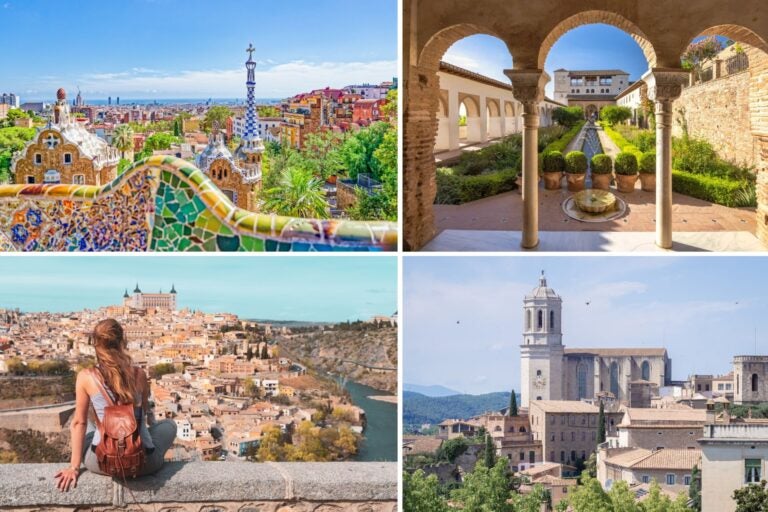
Spain offers a wide range of volunteer opportunities, from conservation projects in natural parks to social support initiatives for people at risk of exclusion in cities like Madrid, Barcelona, Granada, or Valencia. On top of that, its lifestyle, sunny weather, and outstanding cuisine make it an increasingly popular destination for people from abroad who want to experience the country in a more meaningful and unconventional way.
In this article, we explain the benefits of volunteering in Spain, the key requirements you’ll need to meet, and some of the best programs you can join. We’ll also go over the types of activities you might take part in, the costs to consider, and everything else you should know to help you choose the project that suits you best.
Why volunteer in Spain?
Volunteering in Spain is a transformative way to travel, combining personal and professional growth with real social impact and the chance to discover a new culture if you’re coming from abroad. There are plenty of benefits to look forward to while dedicating a few hours a day to supporting social or environmental causes. These include the country’s pleasant climate, the open and welcoming nature of its people, and its relaxed way of life. Take a look at some of the advantages below:
- Experience Spanish culture first-hand: In this country, you’ll find a rich cultural mix and a wide variety of regions, with cities as different as Seville and Bilbao. You’ll get to take part in local traditions, try the food, and experience everyday customs in a way that would be hard to do as a tourist.
- Improve your Spanish: It’s one of the best places to learn Spanish. By living and working alongside locals, you’ll have the chance to practice it every day in real-life situations.
- Wide range of social projects: The country has thousands of active organizations working in areas like social inclusion, immigrant support, education, and the environment. You can choose from more than 30,000 registered and trusted NGOs.
- Affordable cost of living: Costs vary depending on the city, but living in Spain is generally more affordable than in other European countries like Germany or Switzerland. If you choose to volunteer in a smaller town, you can also keep your expenses lower.
- Climate and quality of life: Many parts of Spain, especially in the south and along the Mediterranean coast, get over 300 days of sunshine a year. This sunny climate strongly shapes daily life and the local culture, with people spending a lot of time outdoors and enjoying an active lifestyle.
- Free and flexible programs: The country also takes part in programs like the European Solidarity Corps, which provides fully or partly funded volunteering opportunities for young people.
Requirements for volunteering in Spain
Before you get started, it’s worth checking whether you meet the basic requirements to volunteer in Spain. Each organization has its own rules, but the most common ones include age, entry or visa requirements, and sometimes prior experience or training. See if you’re eligible to volunteer in the country:
- Visa for non-EU citizens: If you’re not from the EU, you may need to apply for a volunteer visa or a long-stay visa at the Spanish embassy in your home country. If you are an EU citizen, you can enter with your passport or ID and stay for up to 90 days without needing a visa.
- Minimum age: 18 years old, or 16 years old with parental consent.
- Education or prior experience: Some specific projects, especially in health or education, may require prior experience, but in most volunteering roles no previous experience is needed.
- Health insurance: You must have health insurance that covers your entire stay in Spain if you’re not from the EU. If you are an EU citizen, you can use the European Health Insurance Card.
- Basic documentation: Valid passport, motivation letter, criminal background check, and criminal record.
- Time commitment: The programs require a certain level of responsibility and expect you to commit to the duration of the project.
How to connect to the internet while volunteering in Spain
When volunteering in Spain, having a reliable internet connection is important, especially for everyday tasks that can be harder in rural areas due to limited coverage. Whether it’s handling online paperwork, using GPS, coordinating with the organization, translating, or making video calls and running workshops, Holafly can be a very convenient solution.
If you’re staying in the country for more than a month, Holafly’s monthly plans are a great option. You can choose between different subscriptions, including 25 GB or unlimited data, all with stable and secure 5G coverage and no extra roaming charges. You can also connect multiple devices at once and use the same eSIM in over 160 destinations, starting from $49.90 per month with no commitment. For shorter stays, Holafly also offers a Spain eSIM with unlimited data for only the days you need, starting from $3.90.

The 3 best volunteer programs in Spain
Choosing the right volunteering project in Spain is an important decision. They don’t all focus on the same areas or offer the same conditions, so it’s best to start by picking a cause you care about. Then check the location, requirements, and tasks involved. To help, we’ve selected three of the best options based on quality, impact, and accessibility.
1. SEO/BirdLife in Valencia
If you’re passionate about nature and want to live in a Mediterranean city, SEO/BirdLife is a volunteering project in Spain focused on biodiversity conservation, founded in 1954. It mainly involves caring for and monitoring common, migratory, and nocturnal birds in the Albufera Natural Park, as well as helping clean the area and remove invasive plant species that harm local vegetation.
| Features | Details |
| Requirements | Must be of legal age and have an interest in nature |
| Duration | 1 to 13 days |
| What’s included | Accident and medical insurance provided by the association |
| Price | Free |
2. Madrid Food Bank
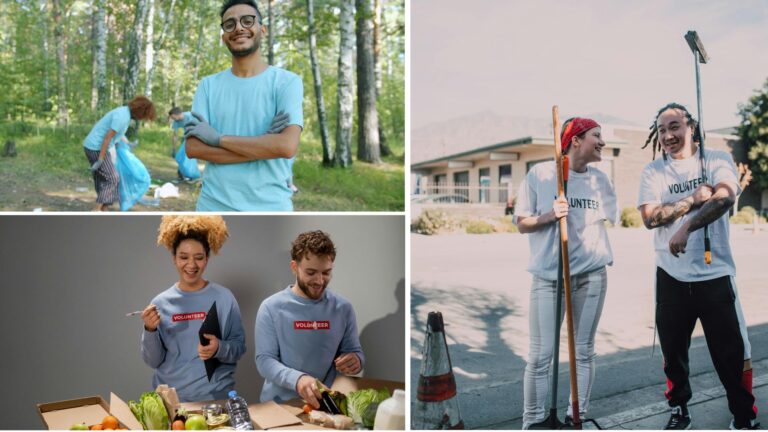
This organization has 380 volunteers and has already helped over 95,000 vulnerable people. Its work focuses on distributing donated food to those in need, helping reduce waste while supporting at-risk communities. The program is flexible, allowing you to volunteer occasionally or more regularly in roles like logistics, packing, administration, or driving.
| Features | Details |
| Requirements | Must be of legal age and committed |
| Duration | Starting at 4 hours, two or three days a week |
| What’s included | Basic training |
| Price | Free, funded by the City Council |
3. WOMET, education for children in Málaga
In southern Spain, you can help children in disadvantaged areas of Málaga with schoolwork and learning. You’ll take part in tutoring and workshops like languages, IT, theatre, and dance to support their education and creativity. This volunteering project is aimed at people with experience working with children.
| Features | Details |
| Requirements | Must be of legal age and have a clean criminal record |
| Duration | Several weeks or months |
| What’s included | Basic training |
| Price | Free |
Types of volunteer projects in Spain
If you’re wondering what kind of volunteering you can do in Spain, there are plenty of options thanks to its cultural, social, and geographical diversity. You can choose between big cities like Madrid or Barcelona, rural areas, or protected natural spaces, each offering a very different experience. Here are some of the main types available:
Education and training
In cities like Valencia, Barcelona, and Madrid, there is a big need for support with children from immigrant, refugee, or vulnerable families. You don’t need to be a teacher, but you should have good communication skills, patience, and empathy. Common activities include tutoring, language classes, workshops, and help in community centres.
Support for vulnerable groups
This type of volunteering in Spain is usually based in big cities and focuses on supporting people in vulnerable situations. The country has a very active network of NGOs in this field, such as Cáritas and the Red Cross, so there are opportunities available throughout the year. Work may include food distribution, supporting elderly people, helping the homeless, or assisting with the integration of migrants and refugees.
Environmental and animal-related volunteering
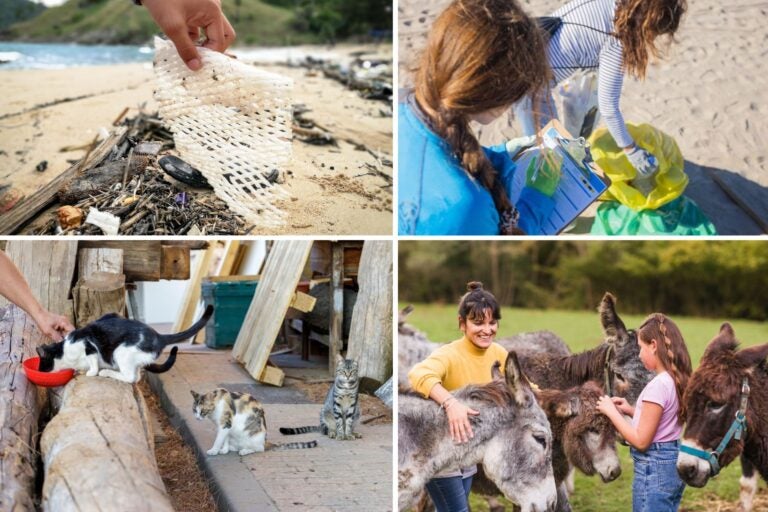
If you’d rather make a difference by helping animals and protecting the environment, you can join conservation projects in natural parks such as Doñana National Park or the Ebro Delta. There are also many animal shelters and associations that need support with cleaning facilities, feeding and walking dogs, helping with adoption paperwork, or even fostering puppies, like Las Reinas del Biberón, Asoka, or ANAA.
Gender equality and support for women
In recent years, there has been a rise in organizations focused on gender equality and supporting women in vulnerable situations, driven by stronger policies on equality and social rights. Through job integration programs, psychological support, and training workshops, many women are able to access better professional opportunities and build a more secure future.
Cultural and community
Another very active type of volunteering in Spain is in the cultural sector, especially in Madrid. If you’re interested in music and culture in general, you can help organize festivals, events, cultural centres, and community projects. You may also get involved in major celebrations like the Fallas in Valencia, the San Sebastián International Film Festival, or La Tomatina in Buñol, helping with tasks such as logistics, assisting attendees, providing tourist information, handling accreditations, or supporting guests.
How much does it cost to volunteer in Spain?
Now that you know the different types of volunteering in Spain and what you need to join one of its programs, it’s time to look at the costs involved in this experience. These can vary depending on the city you choose to live in, especially since rent is much higher in big cities. On the other hand, most projects are free and don’t require a monthly fee, which helps keep overall costs down. Here are the main expenses you should keep in mind:
| Category | Approximate cost |
| Program fee | Usually free |
| Flight from Europe | $46–115 |
| Flight from the Americas | $461–1,040 |
| Health or travel insurance | $28–92 per month |
| Food | $200–350 per month |
| Local transportation | $23–57 per month |
| Accommodation (room) | From $576 per month |
| Personal expenses | $173–230 per month |
Frequently asked questions about volunteering in Spain
It depends on your nationality. If you’re from the EU, you can take part without a visa for stays of up to 90 days. If you’re from outside the EU or plan to stay longer, you’ll need to apply for a visa at the Spanish embassy in your country
It’s not required, but it is recommended. At the very least, you should have a basic level so you can understand the organization’s instructions and communicate with the people you’ll be helping.
No, volunteer positions in Spain are not paid, but they may cover certain expenses such as meals, lodging, or transportation.
Programs can range from a single day to several weeks or even several months. You can choose the one that best suits your needs in terms of schedule and length of stay.
The most common types are social, educational, and environmental volunteering. Cultural projects also stand out, especially in major cities like Madrid and Barcelona.
Plans that may interest you


Hi! I'm a Spanish-English copywriter working with Holafly, helping bring travel content to life for curious travelers. As a digital nomad with a passion for exploring, I'm always adding new spots to my bucket list. If you love to travel like me, stick around because you're in the right place to find inspiration for your next trip! ✈️🌍