







 Language
Volunteer programs in Palestine: What to know
Volunteering in Palestine will give you a firsthand understanding of the conflicts in the region, while also allowing you to contribute.

Volunteering in Palestine is probably one of the most meaningful experiences a traveler can have. It’s not a typical destination. Many volunteers describe Palestine as a place where community ties are strong and personal connections matter. Despite the political and economic difficulties many communities face, visitors are often struck by the hospitality and generosity of local people.
Volunteering in Palestine asks for real dedication, both personally and socially. You might support local communities through education, human rights initiatives, or environmental and farming projects. To have a positive impact, proper preparation is key. Understanding the local reality, staying aware of safety considerations, and planning carefully will help you make your contribution genuinely meaningful.
Palestine has a long and complex history that continues to shape everyday life today. But in 2026, people there still face many daily challenges, including movement restrictions and humanitarian difficulties. That’s why volunteers are so valued.
In this article, we’ll guide you through everything you need to plan your trip responsibly. We’ll look at the benefits of volunteering in Palestine, explain the current legal requirements, and cover how they may differ from other countries. We’ll also share which programs are currently active and considered safe to join.
If you’re considering volunteering in Palestine, this guide will help you understand what to expect and how to prepare responsibly. You’ll learn how to engage respectfully with a fascinating culture and discover how your skills can make a real difference in the lives of children, young people, and local farmers.
What are the benefits of volunteering in Palestine?
Palestine leaves a strong impression on many travelers and volunteers. Volunteering in Palestine is often as much about listening and learning as it is about contributing your time. If you’re a remote worker or a traveler looking for purpose, you’ll find something here that’s hard to find anywhere else.
Here are some of the key benefits of choosing Palestine for your next volunteer experience:
- Hospitality and community: Palestinian people are known for their warmth. Many volunteers say local communities are extremely welcoming. It’s common to be invited for coffee or a meal, and to experience daily life up close.
- Global perspective and policy: Being on the ground gives you a direct, unfiltered understanding of the geopolitical reality. Spending time in local communities gives volunteers a more direct understanding of daily life and the political realities affecting the region.
- Building resilience: Seeing how local communities keep their joy and culture alive despite the challenges is truly inspiring. As a volunteer, you’ll build adaptability and emotional resilience that will stay with you in both your personal and professional life.
- Cultural immersion: Palestine has a heritage that goes back thousands of years. From the architecture of Bethlehem and Hebron to the lively student life in Ramallah, there’s so much to discover. Getting involved in local projects lets you experience traditions, music, and celebrations that many short-term visitors rarely experience.
- Direct social impact: Because of the challenges in the region, even small actions make a real difference. Whether you’re teaching a digital skill or helping with the olive harvest, you’ll see how your efforts ease daily burdens and support ongoing community projects.
- Network growth: You’ll meet other international volunteers, activists, and professionals from global organizations. This kind of network is especially valuable for remote workers, building connections based on shared values and mutual support.
Choosing Palestine means doing volunteering that really makes a difference. You’ll become part of an experience that goes beyond ordinary tourism, and you’ll go home seeing the world with a broader perspective on the region and its people.
Food is another highlight in itself. Enjoying authentic hummus, falafel, or maqluba with your fellow volunteers becomes a simple but unforgettable experience. Daily life often revolves around conversation, shared meals, and strong community ties.
What are the general requirements for volunteering in Palestine?
Going to Palestine for a project takes careful planning. There’s no airport in the Palestinian territories, so most volunteers arrive through Ben Gurion Airport in Tel Aviv or the Allenby Bridge from Jordan.
Requirements for volunteering in Palestine can vary depending on the organization. However, there are some general guidelines that apply to most programs. Here’s what you need to know.
Documents and visa requirements
Palestine does not issue its own entry visas, as access is controlled by Israeli authorities. To travel there, you’ll need to obtain one of the following types of visas:
- Tourist Visa (B2): Most international volunteers enter using a tourist visa issued on arrival. In many cases, the visa allows stays of up to 90 days. Entry procedures can vary, so it’s important to follow the guidance provided by your volunteer organization before traveling.
- Valid passport: It must be valid for at least six months from your date of entry. Make sure you also have blank pages for entry stamps, or for the entry card, which is now often issued separately from the passport itself.
- Invitation letter: It’s strongly recommended to have an official invitation letter from the organization hosting your project. This should explain your role, how long you’ll stay, and where you’ll be staying.
Volunteer profile
Palestinian organizations place a strong value on ethical commitment and cultural sensitivity. Requirements usually include being at least 18 or sometimes 21 years old, depending on the project’s level of responsibility.
You’ll also need international health insurance with full coverage, including emergency evacuation. Medical care in the region can be expensive and not always easy for foreigners to access.
In addition, for projects that involve working with children or young people in refugee camps, you’ll usually need to provide a criminal background check from your home country.
Health and physical fitness
As of 2026, no specific vaccines are required for entry, but it’s wise to be up to date on routine ones like tetanus and hepatitis. Be prepared to do a lot of walking too. Many Palestinian cities, such as Hebron and Nablus, have steep hills and cobblestone streets.
Cultural sensitivity and dress code
This is an “unwritten” but important requirement. Palestine is a largely conservative society, so volunteers are expected to dress modestly (covering shoulders and knees), especially in rural areas and refugee camps.
It’s just as important to learn about local customs in advance to avoid misunderstandings. Being adaptable will be your best way to build trust with the community.
How can you connect to the internet while volunteering in Palestine?
Staying connected in Palestine is a key part of being prepared. As a volunteer, you’ll likely move between cities like Ramallah, Bethlehem, and Hebron. Having access to real-time maps, translation tools, and a way to reach your organization is essential. And if you’re a digital nomad, a reliable internet connection will be crucial for keeping up with your work.
Internet in the Palestinian territories can be a bit unpredictable. In big cities you’ll usually find Wi-Fi in cafés and places to stay, but it can get slow or unstable when it’s busy. Outside the cities, public connections aren’t always reliable or safe to depend on.
Fortunately, there are several ways to set up your internet connection, each with its own pros and cons:
- Local SIM cards: You can buy them in Palestinian cities from providers like Jawwal or Ooredoo. However, in some areas they may only offer 2G or 3G service due to technical limitations, which isn’t enough for video calls or heavy work.
- International roaming: It’s the most expensive option. Traditional carriers often charge high rates, which can lead to unpleasant surprises when you get your bill at the end of the month.
In this case, a Holafly eSIM for Palestine is a more convenient option. It can connect to different networks to get the best signal without needing a physical SIM card. It also includes unlimited data, so you don’t have to worry about running out and can focus on your volunteering.
For an extended volunteer stay, Holafly’s monthly plans are our top recommendation.
You won’t need to look for local shops or deal with complicated setup in another language. You can stay connected while traveling in the Middle East, since the plans work in over 160 countries. It doesn’t work in Palestine itself, but it does work in Israel, which can help you contact your coordinator if you have delays at crossings.

What are the best volunteer programs in Palestine?
Choosing the right volunteer organization in Palestine is important both for your safety and for having a well-organized experience.
Some organizations provide structured programs with help arranging accommodation, transport, and local orientation. Many also help volunteers better understand the local culture and daily life during their stay.
If you’re considering volunteering in Palestine, the organizations below are among the most established and widely recommended options.
1. Volunteer in Palestine (Engage in Palestine) – Hebron
It’s probably the most active and well-known center right now. Based in Hebron, it offers a full immersion into Palestinian life by combining volunteering with Arabic language learning.
- What the program is about: You can choose from different focus areas, such as human rights, journalism, teaching English, or supporting local refugee camps.
- Specific requirements: Must be at least 18 years old, have fluent English skills (for teaching), and be open-minded and respectful of local customs.
- Duration: From one week to three months (13 weeks maximum).
- What’s included: Accommodation (usually with local families or in the organization’s dorms), daily Arabic classes, breakfast, and guided tours around the city.
- Price: Rates start at approximately $800 for two weeks, depending on the program selected.
2. The Excellence Center – Refugee support and education
This center is highly respected internationally and focuses on empowering the local community through education and professional skill-sharing.
- What the program is about: Mainly focused on “Volunteer with Palestinian Refugees” and “Teach English.” You’ll work directly with young people in the center and in nearby rural areas.
- Specific requirements: No prior teaching experience is required, but you should be able to run engaging workshops and provide a criminal background check.
- Duration: Flexible, with recommended stays of four to eight weeks.
- What’s included: Shared accommodation, Arabic classes, educational materials, and ongoing support.
- Price: Approximately $400-600 per week (the cost decreases the longer your stay).
3. Project Hope – Nablus
Project Hope is an organization that strongly believes in the power of art, sports, and education to heal and bring hope to children growing up in difficult conditions in Nablus.
- What the program is about: They look for volunteers to run workshops in photography, theatre, languages (French, English, Spanish), and sports activities in schools and community centers.
- Specific requirements: Creative individuals with artistic or teaching skills. Proactivity in proposing new projects is highly valued.
- Duration: At least one month to ensure the continuity of the educational workshops.
- What’s included: Logistical support, safety orientation, and access to their network of volunteer homes in Nablus.
- Cost: They typically ask for a modest monthly contribution (around $400–500) to cover accommodation and coordination expenses.
4. Zajel Youth Exchange Program (An-Najah University) – Nablus
This program is run through the public relations office of Palestine’s largest university. It’s ideal for students or young professionals interested in academic exchange.
- What the program is about: You’ll take part in international summer camps, running workshops for university students and visiting rural communities to help document their living conditions.
- Specific requirements: You must be a college student or recent graduate with a strong interest in communication and international relations.
- Duration: Specific programs lasting two to three weeks (usually in the summer or winter).
- What’s included: On-campus housing, meals during activities, and an official certificate of participation.
- Price: Typically around $600–800 for the full two-week program.
5. Olive Tree Campaign (YMCA-YWCA) – Sustainable agriculture
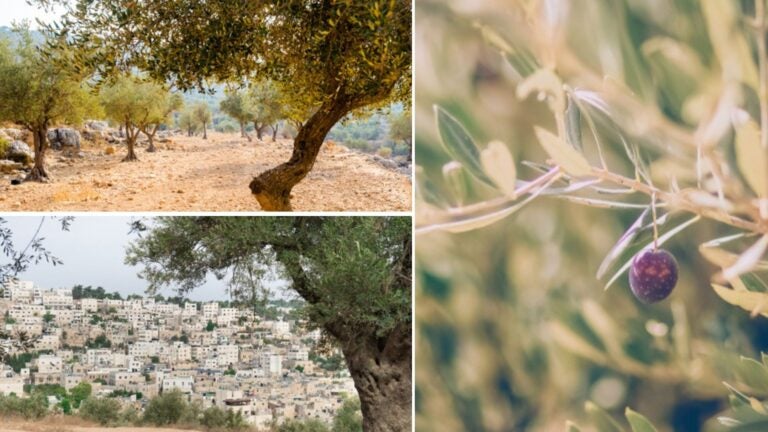
If you prefer outdoor work and being close to the land, this is a well-known program. Olive trees are a symbol of Palestinian resilience, and the harvest is one of the most important times of the year.
- What the program is about: Support Palestinian farmers during olive planting (February) or harvest (October), while also acting as an international protective presence in the fields.
- Specific requirements: Good physical condition for fieldwork and a willingness to work outdoors in the sun.
- Duration: Seasonal programs lasting 10 days to two weeks.
- What’s included: Basic accommodation, transportation to the farm fields, and training on the agricultural situation in Palestine.
- Price: Participation fee of approximately $500–700 (includes accommodation and local logistics).
What are the most common types of volunteer projects in Palestine?
Palestine offers many different projects where travelers can get involved in meaningful work. More than picking an activity, what matters most is understanding how your presence supports and strengthens local communities.
In 2026, most volunteer programs focus on areas like education, community support, and cultural exchange. Here are some of the most common types of volunteer projects available.
Education and language teaching
This is one of the main pillars of volunteering in cities like Hebron and Nablus. For many young Palestinians, access to education with an international perspective is a way to open up to the world, which is why there are many projects like this.
- English and Spanish instruction: Many centers look for volunteers to teach languages, as it helps improve students’ academic and job opportunities.
- Digital literacy workshops: If you’re a digital nomad, you can teach skills like design tools, basic programming, or social media management.
- Academic support at summer camps: You’ll work with children in places like Fawwar or Aida camp, running activities that support and complement their school education.
Human rights and community journalism
Palestine is a place where students of law, sociology, or communications can learn from real life. Many projects focus on recording daily life and sharing it with the world.
- Documentation and observation: You’ll join projects that monitor checkpoints or support communities living in sensitive or high-tension areas.
- Journalism and content creation: You’ll help local organizations write articles, take photos, and create videos that share stories of resilience and Palestinian culture.
- Women’s empowerment: You will collaborate with centers that offer workshops on leadership, legal rights, and technical training for women in rural areas.
Agriculture and food sovereignty
Land and agriculture play an important cultural and economic role in Palestine. Agricultural projects are vital not only for the economy but also for the preservation of cultural identity.
- Olive Tree Campaign: This is the flagship project. During harvest season, international volunteers often work alongside local farming families in the fields.
- Urban gardens and permaculture: In cities where space is limited, rooftop gardens are being developed to help improve families’ food security.
- Maintenance of community lands: Restoration of stone walls, repair of old irrigation systems, and clearing of traditional farmland.
Art, sports, and psychological support
In a context of constant stress, recreational activities are an essential tool for the mental health of young people.
- Art and theater workshops: Organizations like Project Hope use art to help children express their emotions and develop their creativity.
- Sports camps: Football is a huge passion in Palestine. Helping out with training sessions and local tournaments is a great way to connect with young people.
- Music therapy: If you’re musically inclined, you can lead small workshops or performances that bring joy and a break from daily life in community centers.
Volunteering in Palestine also gives travelers more direct contact with local communities and everyday life beyond the usual tourist experience. Most projects are built around collaboration and cultural exchange, and many volunteers leave with a broader understanding of the region and the people who live there.
How much does it cost to volunteer in Palestine?
Volunteering in Palestine is an investment in your personal growth, but it does require clear financial planning. Unlike more touristy destinations, costs can vary depending on the city you’re in.
While Hebron and Nablus tend to be more affordable, costs in Ramallah are higher.
Having a clear budget will help you travel more comfortably and focus on your volunteering. First, you should know the usual costs and where you can save money by volunteering in Palestine.
Expenses you avoid by volunteering
When you join a formal program, the biggest benefit is accommodation. This can save you around $30 to $70 per night compared to a hotel or apartment in a safe area.
Most Palestinian organizations also include traditional breakfast, and in many cases Arabic classes too.
What expenses will you have to cover?
To avoid any surprises, break down your expenses into these main categories:
- Program fees: This is the main cost. It covers coordination, your safety, accommodation, and local support. The average price is around $400–600 per week, though it’s often cheaper if you stay for a full month.
- Meals (lunch and dinner): Street food is delicious and very affordable. A falafel wrap or shawarma costs very little, and eating at local restaurants is also reasonably priced. You can expect to spend about $15–20 a day.
- Local transportation: In Palestine, people mainly get around using shared taxis called “services.” They’re efficient and connect all the main cities. A trip between cities usually costs around $5 to $10.
- Travel and health insurance: This is a mandatory requirement and must include broad international coverage, which typically costs around $70–120 per month.
- Holafly monthly plan: As you know, relying on Wi-Fi isn’t really an option. Monthly unlimited data plans cost about $64.90, while 25 GB plans are around $49.90. An eSIM for Palestine starts at $20.
Estimated monthly budget
If you add up the program fees and your personal expenses (extra meals, transport, and maybe a small souvenir like local olive oil), volunteering in Palestine can cost around $1,200 to $1,600 per month.
It’s important to always carry some cash, since many local shops and shared taxis don’t accept credit cards. Palestine has a very active local economy, and spending money in small businesses is also a way of supporting the community.
Frequently asked questions about volunteering in Palestine
In volunteer areas like Hebron, Ramallah, and Nablus, personal safety is generally good, and locals are very protective of international volunteers. That said, the geopolitical situation can change quickly. It’s essential to stay in daily contact with your organization, follow their guidelines, and avoid any protests or active political gatherings.
In 2026, having stamps from Arab or Muslim countries won’t prevent you from entering, but it may lead to longer questioning at Tel Aviv airport. Stay calm, answer honestly, and keep all your volunteer program documents ready. Also, Israel usually doesn’t stamp passports anymore, and instead issues a separate entry card.
Yes, many volunteers are digital nomads who work on the project in the morning and remotely in the afternoon. The key is having a reliable connection, since Wi-Fi in shared housing can be unstable. A Holafly eSIM helps you stay connected without depending on shared networks.
The most common option is to take a shared taxi or bus from Tel Aviv airport to Jerusalem, and then another bus or taxi (for example from Damascus Gate) to cities like Bethlehem or Ramallah. Organizations usually send detailed instructions or even arrange private transport for volunteers arriving for the first time.
Palestine is a conservative society. Both men and women are expected to dress modestly, avoiding shorts above the knee and sleeveless tops. Cities like Ramallah are a bit more relaxed, but in places like Hebron or refugee camps, dressing respectfully will help you fit in better and earn people’s trust.
Plans that may interest you

Hi! I'm a Spanish-English copywriter working with Holafly, helping bring travel content to life for curious travelers. As a digital nomad with a passion for exploring, I'm always adding new spots to my bucket list. If you love to travel like me, stick around because you're in the right place to find inspiration for your next trip! ✈️🌍
