



 Language
How to volunteer in Latin America: Requirements and best programs
A volunteer program in Latin America offers numerous personal and professional benefits. Discover the best projects!

Volunteering in Latin America is a great way to travel with a purpose, discover new countries and cultures, and make a positive impact on local communities and the environment. You can take part in social, educational, environmental, or animal protection projects in countries like Honduras, Costa Rica, Cuba, and Mexico.
However, before joining a volunteer program in Latin America, it’s important to understand what it involves and what requirements you may need to meet. You should know what your tasks will be, where the project takes place, how long it lasts, and whether accommodation, meals, or transport are included. In this guide, you’ll find everything you need to know, including the benefits, requirements, best volunteer programs, and the different types of projects available.
5 benefits of volunteering in Latin America
If you’re thinking about volunteering in Latin America but aren’t sure if it’s right for you, here are some of its benefits. It’s one of the most diverse regions in the world, with big cities, rural areas, unique nature, and rich culture. Whether you already live there as a student, digital nomad, or resident, or you’re planning to travel there to help, these are some of the benefits you can expect:
- Personal growth: You’ll face new challenges that push you out of your comfort zone and help you build skills like empathy, resilience, and adaptability.
- Real social impact: In rural areas of countries like Mexico, Peru, Colombia, or Bolivia, you’ll help local communities get better education by teaching languages, giving school support, or running health workshops. This can improve the lives of vulnerable children and adults.
- Enhancing your professional profile: Volunteering in Latin America shows initiative, commitment, and intercultural skills, all of which are highly valued in social, educational, environmental, and international careers.
- Language learning: By volunteering in Spanish- or Portuguese-speaking countries in Latin America, you can improve your language skills through daily contact with local people. You’ll also meet volunteers from around the world, giving you the chance to practice other languages.
- Connecting with nature: You can join conservation projects in places like the Amazon in Peru and Ecuador, the Lacandon Jungle in Mexico, or nature reserves in Costa Rica. You’ll be surrounded by the unique wildlife and biodiversity of these regions.
Requirements for volunteering in Latin America
Before you start volunteering in Latin America, it’s good to be aware of the basic requirements that most organizations and NGOs usually ask for. These can change depending on the program, country, your nationality, and the kind of work involved, but there are some common things every volunteer is expected to meet. Here are the main ones:
- Visa or entry permit: Many Latin American countries allow you to enter as a tourist for up to 90 days. If your program lasts longer than that, you’ll need to apply for a volunteer visa at the embassy of the country you plan to visit.
- Passport: It is important that your passport is in good condition and remains valid for the entire duration of your stay in the destination country.
- Minimum age: Most programs require participants to be at least 18 years old, or younger with parental consent.
- Education or prior experience: Projects related to health or education may require academic qualifications or prior experience.
- Languages: You will need to know Spanish to communicate with the local community, or English, since many volunteers are international.
- International health insurance: Although it’s not always required, some organizations do ask you to have health insurance that covers accidents, illness, medical care, and repatriation.
- Vaccinations and health requirements: If you’re planning to volunteer in countries like Brazil or Bolivia, you may need a yellow fever vaccine, especially if you’ll be working in rural areas.
- Other documents: You may also be asked to provide documents such as your CV, a reference letter, a criminal record check, or a child safeguarding certificate, especially if you’ll be working with children.
How to connect to the internet while volunteering in Latin America
A stable internet connection is very important when volunteering in Latin America. It helps you do paperwork, work with your team, translate, and find your way to your placement. Many volunteers also study or work online at the same time, so having reliable internet like Holafly from the beginning can make things easier and less stressful.
If you’re volunteering for more than a month, Holafly’s monthly plans are a good option. You can choose between 25 GB or unlimited data and stay connected with 5G across the region, without roaming fees. You can also connect multiple devices at the same time, starting from $49.90 a month, with no contracts. For shorter stays, Holafly also offers a Latin America eSIM with unlimited data for just the days you need, starting at $9.90.

The 3 best volunteer programs in Latin America
Out of all the volunteer programs in Latin America, we’ve chosen three that are well known and highly rated by past volunteers. Each one focuses on something different, like animal care, helping children with education, or building homes for families in need.
1. Latin American Sea Turtles Foundation (LAST) – sea turtle conservation – Costa Rica
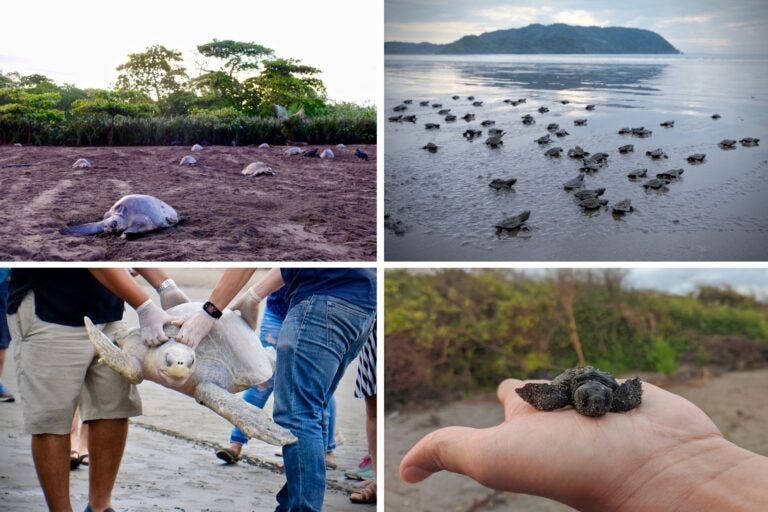
Can you imagine helping protect sea turtles? With this NGO, you can do that on the Caribbean and Pacific coasts, in places like Tortuguero, Playa Grande, and Pacuare in Costa Rica. The goal of the organization is to protect endangered turtles such as the leatherback, green, and hawksbill turtles.
If you love animals, this volunteer program is a great fit. You’ll take part in night patrols, monitor nesting sites, and give talks on environmental education in local communities. You’ll also work closely with local biologists and gain valuable insight into marine ecosystems.
| Features | Details |
| Requirements | Must be of legal age, in good physical condition, and have a basic knowledge of English or Spanish |
| Duration | Starting at one week |
| What’s included | Training, accommodation, meals, and 24/7 support from the team |
| Price | Starting at $460 per week |
2. Honduras Child Alliance (HCA) – El Porvenir
This program supports children in El Porvenir, Honduras, by improving their access to education. You’ll help teach English, computer skills, art, science, teamwork, and social skills. You’ll work with a small group of international volunteers, and affordable accommodation is provided. It’s ideal if you have experience in education.
| Features | Details |
| Requirements | Must be of legal age, preferably 20 or older |
| Duration | Minimum one-week commitment |
| What’s included | Training, accommodation for $49 per week, and meals for $40 per week. |
| Price | One-time fee of $190 |
3. Habitat for Humanity
This U.S.-based foundation in Georgia was founded in 1976 as a nonprofit focused on building affordable housing for low-income families in over 70 countries, many of them in Latin America. With the help of volunteers, it secures material donations, local funding, and access to basic services like water and electricity. You can take part in countries such as Mexico, Guatemala, El Salvador, Honduras, the Dominican Republic, Brazil, and Paraguay. This program is suited for people willing to do physically demanding work. Here are the details:
| Features | Details |
| Requirements | Must be of legal age and in good physical condition |
| Duration | One to twelve weeks |
| What’s included | Training, housing, meals, transportation, and cultural activities |
| Price | Flat fee starting at $1,625 |
Types of volunteer projects in Latin America
When choosing a volunteer program in Latin America, pick one that fits your interests, skills, or experience. You’ll spend a few hours a day for weeks or months, and while it’s rewarding, it can also be challenging at first. That’s why it’s important to do something you care about, so you can enjoy the experience and give your best.
Schooling and educational support
This is one of the most common types of volunteering in Latin America, due to unequal access to education in many rural and vulnerable communities. For example, in Peru you might teach English, math, or IT in public schools, while in Guatemala many projects support Indigenous communities with limited access to education. It’s ideal if you enjoy teaching or working with children and teens.

Support for women and empowerment
If you’re interested in social development, gender equality, or women’s entrepreneurship, you can work with rural or Indigenous communities in countries like Mexico or Bolivia. These projects may involve training in entrepreneurship, literacy, human rights, or job skills. For example, in Oaxaca, many volunteers support craft cooperatives and learn how traditional textiles are made.
Environmental protection and sustainability
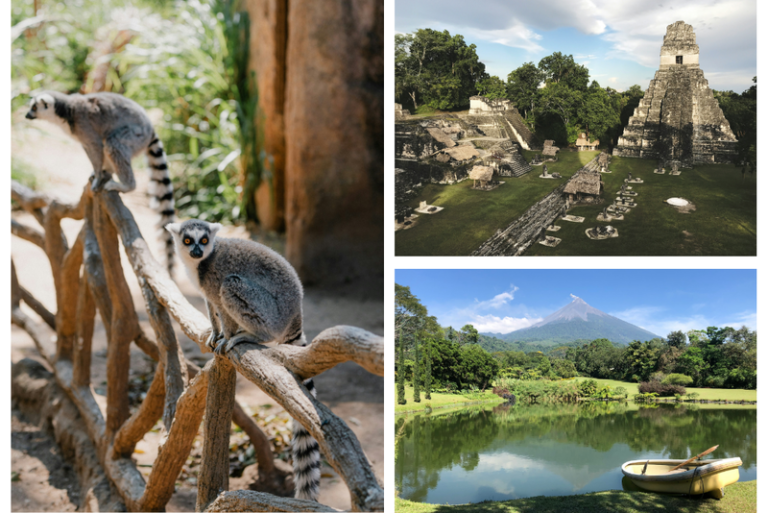
Latin America is home to some of the world’s most important ecosystems, including the Amazon rainforest, the Andes, and the Caribbean reefs. If you care about nature and want to help protect the planet, you can join projects in national parks in Costa Rica, Guatemala, or the Amazon regions of Ecuador and Brazil. These programs focus on conservation, reforestation, protecting natural reserves, and environmental education.
Community health and care
To volunteer in health projects in Latin America, you usually need medical or nursing training, but some support or education roles don’t require it. In countries like Nicaragua or Honduras, you can help with prevention campaigns, hygiene workshops, vaccinations, or health education in poorer areas.
Animal protection and care
We’ve already mentioned sea turtle conservation in Costa Rica, but there are also other animal volunteering projects in Latin America. You can help protect species like pumas, birds of prey, and foxes in places like Patagonia or Honduras, or work in animal shelters in cities like Santiago, Medellín, and Lima, which care for abandoned dogs and cats, including the Peruvian hairless dog.
How much does it cost to volunteer in Latin America?
The total cost of volunteering in Latin America depends on the country, organization, type of project, length of stay, and whether it’s government-funded or not. Programs tend to be more affordable in countries like Mexico, Colombia, Peru, and Costa Rica. Many organizations also include accommodation and meals in exchange for a fee. The table below shows the most common expenses you should consider:
| Concept | Approximate cost |
| Program fee | From $300 for two weeks |
| Flight from Europe | $700–1,000 |
| Flight from the Americas | $200–400 |
| Health or travel insurance | $40–80 per month |
| Local transportation | $30–100 per month |
| Accommodation | From $49 per week, if not included |
| Personal expenses | $150–250 |
Frequently asked questions about volunteering in Latin America
It depends on the country and how long you stay. Most countries allow you to enter as a tourist for up to 90 days without a visa. For longer programs, you’ll need a special volunteer visa.
Not always, but it’s recommended, especially if you’ll be working in rural communities where people mainly speak these languages, such as in Guatemala or Brazil.
It usually includes free or low-cost housing, meals, local orientation, training, and some cultural workshops.
Yes, as long as you choose a reputable and trustworthy organization. It’s also a good idea to get health insurance and follow the organization’s local guidelines.
Volunteer programs in Latin America are usually quite flexible, lasting from at least two weeks to several months. The longer stays are typically needed for projects in education or environmental work.
Plans that may interest you


Hi! I'm a Spanish-English copywriter working with Holafly, helping bring travel content to life for curious travelers. As a digital nomad with a passion for exploring, I'm always adding new spots to my bucket list. If you love to travel like me, stick around because you're in the right place to find inspiration for your next trip! ✈️🌍