







 Language
How to volunteer in Guatemala: Requirements and best programs
Find out how to volunteer in Guatemala: requirements, costs, top programs, types of projects, and tips for this experience.

Volunteering in Guatemala offers a mix of cultural immersion, community work, and hands-on learning experiences. The country offers opportunities in fields such as education, childcare, environmental conservation, community development, and healthcare, especially if you plan to stay connected with family or work remotely during your placement.
It’s also important to learn about the local culture, climate, and safety conditions, as well as practical matters like transportation and internet access, which are essential for staying in touch with your family or even working remotely while you’re volunteering.
In this article, we’ll explore the benefits of volunteering in Guatemala. If you’re looking for a meaningful way to travel while contributing to local communities, keep reading to the end to find out how to prepare properly and make the most of this opportunity.
Why volunteer in Guatemala?
Volunteering in Guatemala can change how you see things. The country has rich culture, strong communities, and beautiful nature, making it a great place to give back and grow. Here are the main benefits of this experience.
- Break out of your routine and develop practical skills: Working with local communities means adapting to different ways of doing things, communicating across cultures, and finding solutions even when resources are limited.
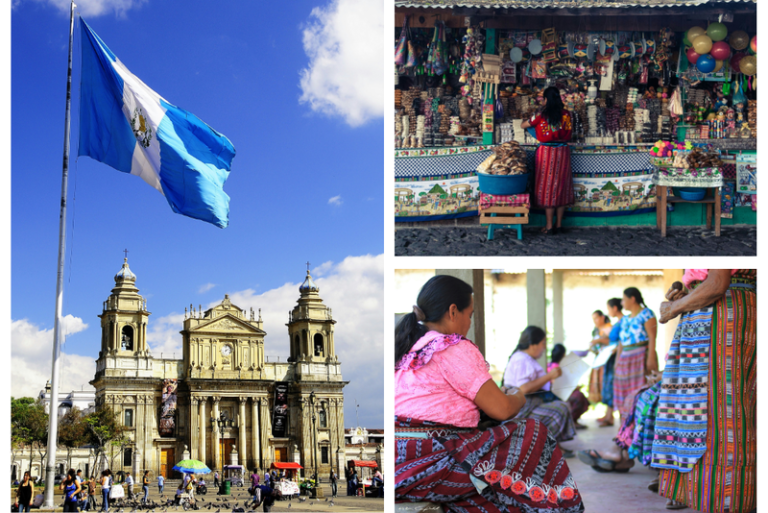
- Get to know Guatemala beyond the tourist experience: The country is home to many Indigenous communities and a living Mayan heritage. Taking part in a social project gives you a deeper understanding of its educational, economic, and cultural realities.
- Practice Spanish in everyday situations: Guatemala is a great place to improve your Spanish, as it’s widely and clearly spoken in everyday life, even though Mayan languages are also present. You get to practice it in real-life situations, not just in a classroom.
- Contribute to specific, hands-on projects: Many volunteer programs focus on educational support, activities with children and young people, environmental initiatives, or community projects. The impact is usually small and specific, but it can still be helpful as part of ongoing efforts.
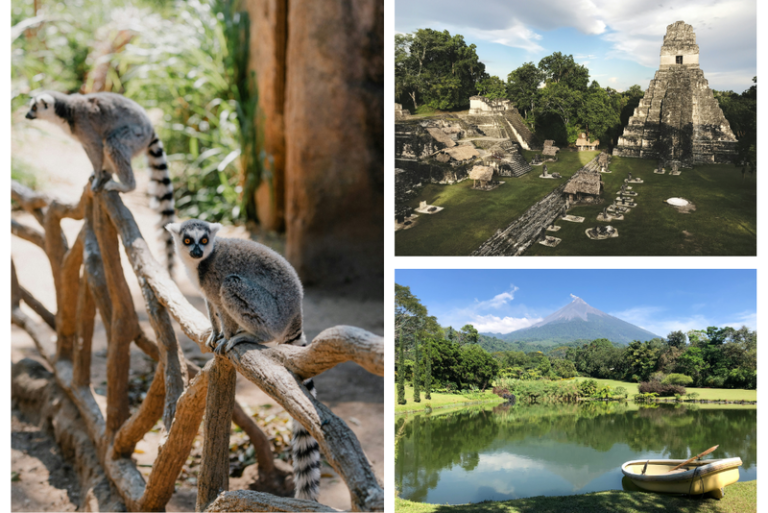
- Live in close contact with unique natural environments: Volcanoes, lakes, and ancient ruins are part of daily life in many parts of the country. In your free time, you can explore places like Lake Atitlán, Antigua Guatemala, or Tikal, which adds another cultural and outdoor element to the experience.
- Add international experience to your professional profile: Participating in projects shows initiative, adaptability, and the ability to work in diverse settings.
- Build connections with people from different countries: Many programs bring together international volunteers and local community members. This helps broaden your cultural perspective and can lead to lasting personal and professional connections.
Requirements for volunteering in Guatemala
Before volunteering in Guatemala, it helps to understand the basic requirements and what to expect before you travel. This will help you plan your trip, understand how long you can stay, whether you’ll need a visa, and what your role and responsibilities will be. Here are the main things to prepare before your trip.
- Valid passport: Before planning your volunteer trip, make sure your passport is valid. Ideally, it should have at least six months left before it expires when you travel. It’s easy to overlook, but checking this early can save you unnecessary stress later.
- Confirm whether you need a visa based on your nationality: Many travelers can stay in Guatemala for up to 90 days as tourists without needing a visa, and most short-term volunteering is done under this arrangement. Still, it’s worth checking the latest visa rules with the Guatemalan consulate, especially if you plan to stay longer than 90 days.
- Acceptance letter: It’s not a case of just “showing up and hoping for the best.” You apply first, go through a selection process, and if you’re accepted, the organization sends you an official letter. This letter confirms the purpose of your visit and may be useful when entering the country.
- Have international health insurance: Healthcare is available, but treatment at private hospitals can get expensive in an emergency. Travel insurance that includes emergency medical coverage is strongly recommended.
- Meet the minimum age requirement: Most programs require you to be at least 18 years old. If you’re younger, the process is usually more complicated and may require additional permissions.
- Check whether you need prior education or experience: Not all projects require specific training, but some do. In education, experience working with children is valued; in healthcare, relevant studies are usually expected; and in environmental projects, what matters most is your willingness and commitment.
- Verify recommended vaccinations: There are usually no required vaccines, but some may be recommended depending on the area you’ll be staying in, especially if it’s rural. It’s best to check with a healthcare provider before you travel.
- Understand that many volunteer programs have a fee: Most volunteer programs charge a fee that usually covers accommodation, meals, and on-the-ground support.
How to connect to the internet while volunteering in Guatemala
Good internet access during a volunteer stay in Guatemala is more important than many people think. Even if you’re focused on your project, it helps you stay in touch with family and friends, handle things like transport or housing, use maps, and communicate with the organization if anything changes.
One of the easiest ways to stay connected is to get an international data plan before you travel. Holafly is a popular option for volunteers, offering an eSIM for Guatemala that works as soon as you arrive, along with monthly plans for longer stays. It lets you use data on your phone without relying on Wi-Fi from your accommodation or public places.

Best volunteer programs in Guatemala
Choosing the right volunteer program in Guatemala is one of the most important decisions before you travel. Not all programs work the same way, include the same things, or suit the same type of volunteer. Some programs are highly organized and structured, while others are more flexible and community-based.
That’s why we’ve rounded up some of the best volunteer programs in Guatemala below, with details on what each one includes, the cost, and the kind of experience you can expect. The aim is to give you clear, practical info so you can pick the option that best suits your budget, time, and interests.
1. International Volunteer HQ (IVHQ)
It’s one of the best-known international volunteering platforms, with programs based around Antigua and nearby communities. They offer projects in education, childcare, construction, medical support, and community development.
You need to be at least 18 years old, and some projects require basic Spanish. Stays are flexible, starting from just one week. The program usually includes airport pickup, accommodation, and some meals. Prices generally start at around $400–500 per week, depending on the project and length of stay.
2. IFRE Volunteers
IFRE is a cheaper option with a strong focus on community work. They run projects in different towns and cities, usually in education, social support, and cultural exchange. The experience feels more personal because you often stay with a local family, which helps you see daily life in Guatemala up close. You usually need to be 18 or older and open-minded, and while it’s not always required, basic Spanish is helpful.
You can join for as little as one week, and the program includes accommodation, three meals a day, local orientation, and in some cases Spanish classes. It’s quite affordable compared to other organizations, starting at around $110 per week, although there’s also a separate registration fee.
3. RCDP International Volunteer
RCDP is similar to IFRE in price and approach. They work directly with local projects and keep things simple. It’s a good option if you want something affordable and hands-on. You need to be 18 or older, committed, and open to community life. You don’t always need experience, but you do need to be responsible, especially when working with children.
Placements can last from one week to several months, depending on the arrangement you make with the organization. They usually include homestay accommodation, meals, and project coordination. Prices typically range from about $110 to $150 per week, plus an initial administration fee.
4. Programs with local organizations in Guatemala
Another option is to volunteer directly through local organizations in Guatemala. They often work in areas like education, community projects, or the environment. This approach is usually more independent, which means organizing your own accommodation and transport. What you need depends on the project. Some may require experience or training. You also agree on how long you’ll stay directly with the organization.
Unlike international programs, there’s often no all-in-one package. There may be no participation fee, but you’ll usually need to cover your own accommodation, food, and transport. It can be cheaper in terms of program costs, but it requires more planning on your side.
Types of volunteer projects in Guatemala
Before choosing a volunteer program in Guatemala, it helps to know what kinds of projects are out there and where you can actually make a difference. The country has many different needs, from education and community work to environmental conservation and wildlife rescue. Each project reflects a different local reality, whether in rural highlands, around Lake Atitlán, or in urban areas.
Below, we break down the main types of volunteer projects you can find in Guatemala so you can get a clear idea of what each one involves and which might best match your interests and skills.
1. Schooling and educational support
One of the most common volunteer opportunities in Guatemala is education support, particularly in rural highland communities around Lake Atitlán and Quetzaltenango. Many public schools have limited resources and overcrowded classrooms, so volunteers often help by supporting reading, writing, basic math, or even giving introductory English lessons.
In many parts of Guatemala, children grow up speaking a Mayan language at home and only learn Spanish at school. This can make learning harder and requires patience. Volunteers don’t replace teachers. They help support learning in a fun way, often through games, songs, and simple activities.
2. Childcare and support
In both urban and rural areas, there are community centers and children’s homes that support kids in vulnerable situations. Here, volunteering here is usually more about building trust and spending time with children than formal teaching. It involves playing, organizing activities, helping with homework, and creating safe spaces where children can feel safe, play, and express themselves.
In Guatemala, where many families work long hours or face economic hardship, these community spaces play a very important role. That’s why organizations often look for volunteers who can commit for a reasonable amount of time, so children don’t have to deal with constant changes in the people around them.
3. Support for women and local cooperatives
In many parts of the country, especially in Indigenous communities, there are women’s cooperatives that produce traditional handmade textiles, such as huipiles and other woven crafts. These projects aim to support women’s economic independence while preserving cultural traditions.
This type of volunteering is usually more skills-based than physical. You might help with sales, photos, social media, workshops, or basic admin and English. It’s also a chance to learn more about Mayan culture and the traditions behind the textiles made in different communities.
4. Environmental projects and reforestation
Guatemala is one of the most biodiverse countries in Central America, but it also faces issues like deforestation, pollution, and poor waste management.
Environmental volunteering can include activities like reforestation in affected areas, beach cleanups along the Pacific coast, helping with community gardens, or running environmental education workshops in rural schools. It’s usually hands-on outdoor work, and usually done alongside communities that rely directly on nature for their livelihood.
5. Animal rescue and care
In Guatemala, there are rescue centers for animals rescued from illegal wildlife trafficking, especially monkeys, exotic birds, and some reptiles. There are also urban shelters that care for abandoned dogs and cats.
In wildlife centers, volunteering usually involves cleaning enclosures, preparing food, and helping maintain the facilities. Direct contact with animals is often limited, since the goal is to rehabilitate them and, when possible, release them back into the wild. In pet shelters, on the other hand, volunteers may help feed the animals, take them for walks, and support adoption campaigns.
6. Health and community outreach
In rural areas where access to healthcare is limited, some organizations provide medical outreach programs. Students or healthcare professionals can take part by helping with patient registration, logistics, health education, and supporting medical consultations.
One important thing in Guatemala is that in Indigenous communities there can be language and cultural barriers, so the work often involves mediation and respect for traditional practices. The work often focuses not only on medical care, but also on hygiene education and disease prevention.
7. Construction and community improvement projects
In some rural villages, projects focus on improving schools, community centers, or homes that need basic repairs. Volunteers might help with painting, small building tasks, or setting up furniture.
This type of volunteering is usually based on very specific community needs rather than large, long-term construction projects. It’s hands-on and practical work, where you can clearly see the results.
How much does it cost to volunteer in Guatemala?
Volunteering isn’t completely free. Even if the program covers accommodation or meals, you still need to budget for your flight, insurance, and often a program fee as well.
Here are the actual costs you should consider:
- International flight: This is usually the biggest expense. Depending on the country and the season, it can range from $350 to $1,000.
- International health insurance: It isn’t always required, but it is highly recommended. For a week, it can cost between $40 and $100, and more for longer stays.
- Program fee: It’s the main cost. In more structured organizations, it can range from about $110 to $800 per week, depending on the project and what’s included, such as accommodation, meals, and coordination.
- Membership in work exchange platforms: If you choose this option, you usually pay an annual fee of around $49–59, and then you work in exchange for accommodation (and sometimes meals).
- Personal activities and excursions: Optional. Tours to places such as Antigua, Lake Atitlán, or Tikal can cost between $20 and $90 per activity.
- Expenses not included: Additional meals: $40–70 per week; local transportation: $10–30 per week.
Frequently asked questions about volunteering in Guatemala
It depends on your nationality. Many countries can enter as tourists for up to 90 days, but if you plan to stay longer, you’ll need to check the specific visa requirements.
It can last anywhere from one or two weeks to several months. The duration depends on the program and your availability.
Not always. Many projects do not require experience, but they do require commitment, responsibility, and, in some cases, a basic knowledge of Spanish.
Most programs include accommodation and at least one or two meals a day, which significantly reduces expenses.
Between the program fee, flight, and personal expenses, costs can vary, but many people spend between $800 and $2,000 depending on how long they stay.
Plans that may interest you


Hi! I'm a Spanish-English copywriter working with Holafly, helping bring travel content to life for curious travelers. As a digital nomad with a passion for exploring, I'm always adding new spots to my bucket list. If you love to travel like me, stick around because you're in the right place to find inspiration for your next trip! ✈️🌍
