


 Language


 No results found
Surf in El Salvador: Best beaches and prices
Surf in El Salvador is ideal for both beginners and experienced surfers. Discover everything you need to know and ride the waves.

Did you know many people call El Salvador the “land of eternal waves”? No wonder surfing in El Salvador now attracts so many visitors. In recent years, the sport became one of the country’s main tourist draws. Beginners and pro surfers from across the globe now visit. The Pacific coast stretches over 300 kilometres of beaches. It offers consistent waves and warm weather all year. The local infrastructure also grows fast and welcomes travellers who chase adrenaline and salt water.
In this article you’ll find everything you need before you jump on a board in El Salvador. You’ll discover the best spots to surf, the recommended seasons for perfect waves and the approximate cost of lessons and equipment rental. You’ll also get tips so you know how to start if you never tried the sport before.
Which spots work best for surfing in El Salvador?
El Salvador remains one of Central America’s best kept secrets. The country sits between Honduras and the Pacific Ocean, below Guatemala. This small nation shows off Mayan ruins, coffee plantations, many volcanoes, beaches, busy cities and colonial towns.
El Salvador also earned a place on the world surf map thanks to consistent waves and varied beaches. Along its Pacific coast you’ll find world famous points and quieter corners with excellent breaks. Some beaches feel young and lively. Others hide inside the jungle and feel like retreats. Each spot delivers a different experience.
1– El Tunco
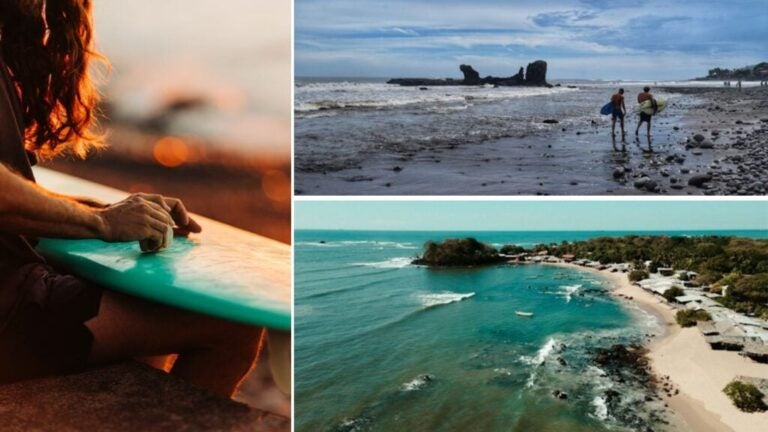
El Tunco sits in the department of La Libertad, only 35 kilometres from San Salvador. Many travellers consider it the country’s best known surf spot. Its small black sand beach with volcanic rocks works as the heart of surf tourism. Hostels, bars and schools stand just a few metres from the sea.
El Tunco offers one huge advantage: Very consistent waves. You can usually surf here almost all year. The waves tend to suit intermediate and advanced surfers. However, nearby sections feel calmer and help absolute beginners. You’ll also notice an international scene here. The village hosts surf, music and culture festivals. Because of that, the place delivers far more than a simple sports trip.
2– El Sunzal
El Sunzal also lies in La Libertad, only a few minutes from El Tunco. Surfers love El Sunzal for its long right-handers, often ranked among the best in the Pacific. The wave lets you practise long manoeuvres and enjoy rides that seem endless.
The spot works well for every level. Beginners learn on softer sections. More experienced riders look for the bigger peaks and get a real challenge. El Sunzal also hosted international competitions such as the ISA World Surfing Games. These events gave the beach even more global exposure.
3– Punta Roca
Many surfers call Punta Roca the “crown jewel” of Salvadoran surf. This point break also sits in La Libertad. The waves here feel fast, powerful and hollow. The spot therefore suits high technical levels and only welcomes experienced surfers.
Punta Roca stands out for its world class wave quality. Many surfers compare it with iconic destinations such as Hawaii or Indonesia. The World Surf League (WSL) Championship Tour holds events here and attracts the planet’s top surfers.
4– Mizata
Mizata lies around 80 kilometres from San Salvador. The spot combines high wave quality with a quiet, less crowded setting. It works perfectly for travellers who want consistent surf without the noise of very touristy beaches.
Mizata’s waves offer both left and right peaks. The spot suits surfers with intermediate or advanced level. On the beach you’ll also find small eco–lodges and surf retreats.
5– Las Flores
In the east of the country, near San Miguel, Las Flores grows in popularity. The spot stands out for long, perfect right-handers. Many surfers compare them with El Sunzal’s waves, but the setting feels wilder and less developed.
The beach suits intermediate and advanced surfers, because the waves allow long rides. The jungle surroundings and remote feel add extra charm. Surfing here also brings a deep sense of escape. In recent years Las Flores hosted regional contests that support new local talents.
Connectivity in El Salvador: Stay online in and out of the water
Surf always invites you to share that perfect wave. You’ll also want easy contact with friends to plan the next session. In beaches such as El Tunco, El Sunzal or Las Flores, hotel and restaurant Wi-Fi usually works well. However, once you move away from the busiest areas, the signal often weakens or disappears.
The best way to secure internet everywhere involves travelling with a Holafly eSIM for El Salvador, which offers unlimited data in El Salvador from the moment you land. You can then send surf videos instantly, check tides and wind reports from the sand and even work remotely between sessions without worrying about dropouts.
If you plan to explore other destinations in the Americas for more surf adventures, Holafly Plans also offers great value. One subscription gives you unlimited data not only in El Salvador but in more than 160 countries. You don’t need to swap physical SIMs or deal with complicated paperwork. You also avoid nasty surprises on your phone bill. You install the eSIM in a few minutes and activate your plan as soon as you land.
With Holafly your surf trip doesn’t end when you leave the water. You can document every moment, share it easily and stay connected without extra roaming charges.
Important: If you are a frequent traveler and want to stay connected without worrying about expensive roaming or looking for a new SIM at every destination, Holafly’s subscription plans are for you. With a single eSIM, enjoy internet in more than 160 countries for a fixed price and no surprises on your bill. Travel without limits and connect easily and securely! 🚀🌍

When does surf season work best in El Salvador?
El Salvador enjoys surfable waves almost all year. However, some months stand out for strong, consistent swells. Others feel easier and suit people who just start.
Peak surf season runs from April to October and matches the country’s rainy period. Southern Pacific swells during these months bring bigger, more powerful waves. Intermediate and advanced surfers love these conditions. Spots such as Punta Roca, El Sunzal and Las Flores show their very best then, with long rides and perfect barrels. Between May and July organisers usually schedule international competitions. The whole coast then turns into a proper sports arena.
The dry season from November to March brings calmer conditions. The waves stay smaller and easier to handle. That period works perfectly if you start surfing or want to improve technique without heavy shore breaks. As a bonus, these months bring the local summer. You enjoy sunny days, little rain and the right atmosphere to mix surf, beach time and cultural trips.
In short, choose April to October if you want big waves and adrenaline. Choose November to March if you prefer gentle conditions and a more relaxed holiday.
How much does surfing in El Salvador cost?
Surfing in El Salvador usually costs less than trips to famous destinations such as Hawaii or Costa Rica. Prices depend on whether you only rent equipment, book a single lesson or choose a full package with accommodation and surf trips.
The price depends on board quality and whether you get leash and wax included. If you never surfed before, a beginner lesson with an instructor normally ranges from €23 to €36 ($25–$40) per session.
The price includes the board and sometimes transport to the spot. If you want a full immersion, surf camp packages combine accommodation, lessons, equipment and transfers. These weeks usually start around €270 and reach €540 ($300–600) per week. Final prices depend on comfort level and how many sessions you book.
Here you can see a table with approximate prices. They may change according to the beach, surf school and travel season.
| Service | Estimated Price (USD/EUR) | What’s included |
|---|---|---|
| Board rental (one day) | $10 –20 (€8.60 – 17) | Board, leash and wax |
| Private beginner lesson | $25 –$40 (€19 – 33) | Instructor, board, beach and water practice |
| Group lesson (two to four people) | $20 – 30 per person (€18 – 28) | Instructor, board and equipment |
| Basic weekly surf camp package | $300 – 400 (€280 – 370) | Simple accommodation, daily lessons, equipment |
| Premium weekly surf camp package | $500 – 600 (€465 – 560) | Superior accommodation, lessons, transfers and extras |
Typical costs related to surfing in El Salvador
In conclusion, you’ll find options for every budget. You can simply try a few fun waves or plan a full week dedicated to surfing in El Salvador.
How do you start surfing in El Salvador?
Surf may seem challenging at first. However, El Salvador offers ideal conditions for your first steps. Local instructors help you and different waves match each level. Starting then feels easier than it looks.
If you still feel unsure, this short guide on how to start surfing in El Salvador will help you.
1– Choose the right spot
For your first time, you’ll learn faster on beaches such as El Sunzal or the gentler sections of El Tunco. Waves there feel softer and longer. These conditions let you learn to paddle, stand up and glide without strong currents or heavy shore breaks.
2– Book a lesson with certified instructors
Booking at least one lesson with an instructor gives you confidence and safety. Most local schools offer beginner packages with board, leash and rash vest. They also include a land introduction before you enter the water. Many instructors speak both English and Spanish. Communication then feels easy for international travellers.
3– Prepare a basic beginner kit
You don’t need to buy your own gear straight away. Schools rent soft-top boards between seven and eight feet long, perfect for learning thanks to their float and stability. They also provide a leash and wax. You only need reef-safe sunscreen, a comfortable swimsuit and, on rocky bottoms, water shoes to protect your feet.
4– Check the best times and conditions
The first hours of the morning and late afternoon usually bring the best sessions. Wind stays lighter and the sea feels more organised. From November to March, during the dry season, waves stay smaller and more manageable. Learning then becomes much easier.
5– Focus on safety and steady progress
As with any sport, safety matters. Before you paddle out, observe the spot and locate the take-off zones. Ask locals about currents. Start in the whitewater. Then try small green waves in the channel. Little by little, move towards deeper sections. If you want faster progress, a surf camp often brings the best value. Camps usually include daily lessons, video analysis and transfers to different beaches that match your level.
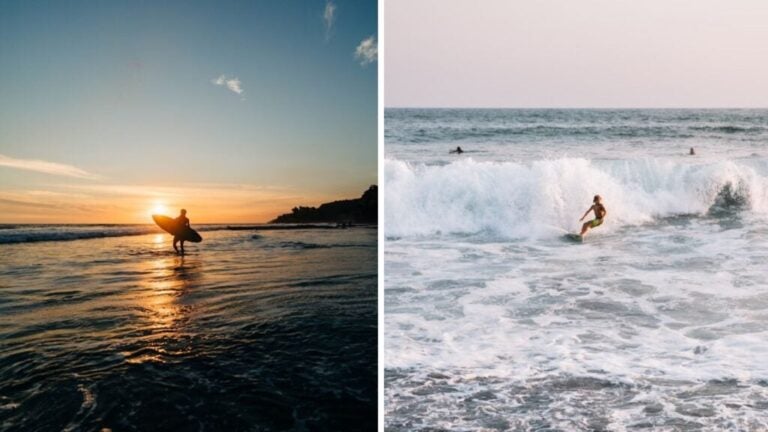
Now you know this: El Salvador stands among the most complete surf destinations in Latin America. Consistent waves, beaches for every level and a community that lives and breathes surf make every session special. The main spots also lie close to each other. You can therefore maximise your time. In just a few days you can explore several breaks and enjoy conditions that rival far more expensive, distant destinations.
Ultimately, surf in El Salvador offers more than a sport. It lets you discover the country from a different angle: The rhythm of the waves that shape its Pacific coast.
Surf in El Salvador: Frequently asked questions
You don’t need experience. Beaches such as El Tunco or El Sunzal offer many schools and shops that rent boards from €9 ($10) per day. If you already surf and own your gear, you can bring it, though airlines often charge extra to transport boards.
Yes, especially in surf towns such as La Libertad or El Tunco, which provide services designed for travellers. Still, follow basic advice: don’t leave valuables alone on the beach and use safe transport when you visit remote spots.
Definitely! In fact, you should do it. The country feels compact, so you can surf in the morning and visit volcanoes, colonial towns or waterfalls later. This mix of beach, nature and culture makes the trip very special.
Yes. Spots such as Punta Roca and El Sunzal host World Surf League (WSL) events and International Surfing Association (ISA) championships. These contests place the country among the top destinations for competitive surfing.
Most people recommend El Sunzal, because its long, gentle waves make learning easier. Some calm sections of El Tunco also suit beginners, and schools sit very close to the beach.