Language


 No results found
Scuba diving in Mexico: Best spots and prices
Diving in Mexico offers experiences for all tastes and levels, from the calm of the Caribbean to encounters with the large species of the Pacific.

Few places in the world offer such rich underwater diversity as Mexico. From the freshwater cenotes in the Yucatán Peninsula to the Caribbean reefs of Cozumel and the lively Pacific currents, the country gives divers a true paradise. Therefore, scuba diving in Mexico stands out for its wide range of ecosystems: caverns, caves, reefs, wrecks, vertical walls and close encounters with pelagic species like manta rays, hammerheads, turtles and whale sharks.
This natural variety comes with warm waters, visibility that often goes beyond thirty metres and world-class dive centres along both coasts. So, if you love this sport, diving in Mexico may become one of your best experiences.
Whether you dream of floating inside the dim light of a cenote, prefer descending among vibrant Caribbean corals, or seek the thrill of meeting large species in the Pacific, Mexico undoubtedly offers an ideal setting for every diver. In fact, with its diverse underwater landscapes, the country provides something for every type of diving enthusiast. From the mystical charm of cenotes to the rich marine life of the Caribbean and Pacific, there is always a unique experience waiting beneath the surface.
Stay right here and follow every detail we’ll share. You’re about to discover one of the most impressive underwater ecosystems on the planet.
Which are the best dive centres and schools in Mexico?
With more than eleven thousand kilometres of coastline, Mexico delivers two completely different marine worlds: the Caribbean, with colourful reefs, cenotes and calm waters, and the Pacific, with deep canyons, strong currents and encounters with large pelagic animals.
The main schools concentrate in well-established diving hubs: Cozumel, Playa del Carmen, Cancún, and Tulum in the Caribbean, plus La Paz, Cabo Pulmo, and Puerto Vallarta in the Pacific. All of them offer PADI, SSI, or NAUI certifications, international instructors, and a professional setup that supports beginners and advanced technical divers.
Below, you’ll find a selection of the best-rated and most representative schools in the country:
Blue Magic Scuba – Cozumel, Quintana Roo
Located in central San Miguel de Cozumel, Blue Magic Scuba ranks among Mexico’s most prestigious schools and a major Caribbean reference. It operates as a PADI 5 Star Dive Center and has over fifteen years of experience.
They teach courses from Discover Scuba Diving to Divemaster, with specialities in deep diving, wrecks and underwater photography. Their daily trips cover the stunning reefs of Cozumel Marine Park, including Palancar, Colombia Reef, Santa Rosa Wall, and Tormentos, with visibility that often exceeds thirty meters. In fact, the clear waters allow divers to explore these vibrant ecosystems in exceptional detail, making each dive a memorable experience.
Their reputation grows through strong safety standards, personalised service and high-quality equipment. They also organise diving and accommodation packages, ideal for longer stays.
Scuba Tony – Cozumel, Quintana Roo
Also in Cozumel, Scuba Tony offers very attentive service and excellent guidance. It holds PADI certification and focuses on small groups, with instructors assisting divers from start to finish.
Their trips explore the same protected reefs within the marine park, and you can enjoy day dives, night dives and drift dives. They also provide professional underwater photography and an eco-friendly approach that protects corals and local marine life. So, it suits divers who want a calm, unhurried experience with strong guidance.
Phantom Divers – Playa del Carmen, Quintana Roo
Founded in 1983, Phantom Divers stands among the oldest schools in the Mexican Caribbean. It sits on Playa del Carmen’s Fifth Avenue, just steps from the main pier.
It’s a PADI 5 Star Dive Center and offers many experiences: dives on local reefs, guided cenote dives and trips to Belize’s Blue Hole.
Their speciality is bull shark diving from November to March, managed with strict safety and conservation protocols. Plus, they also teach every level, including advanced certification and underwater photography.
Pro Dive International – Riviera Maya (Cancún, Playa del Carmen, Cozumel)
With more than a dozen branches across the Riviera Maya, Pro Dive International ranks among Mexico’s largest and most reliable operators. It’s a PADI 5 Star CDC, the highest level available, which makes it perfect for professional training.
They offer diving in Cozumel, Playa del Carmen, the cenotes and Cancún, plus excursions to Isla Mujeres or Banco Chinchorro. Their private fleet and multilingual staff ensure a premium experience.
They also partner with resorts like Occidental Allegro Cozumel, Catalonia Playa Maroma and Iberostar Paraiso, which makes trip planning easier.
ScubaCaribe – Cancún, Quintana Roo
Present at several points across the Mexican Caribbean, ScubaCaribe Cancún stands out for clear organisation and a focus on beginners and families. It’s a PADI 5 Star Dive Resort based in hotels like Riu Palace Peninsula and Royalton Splash Riviera.
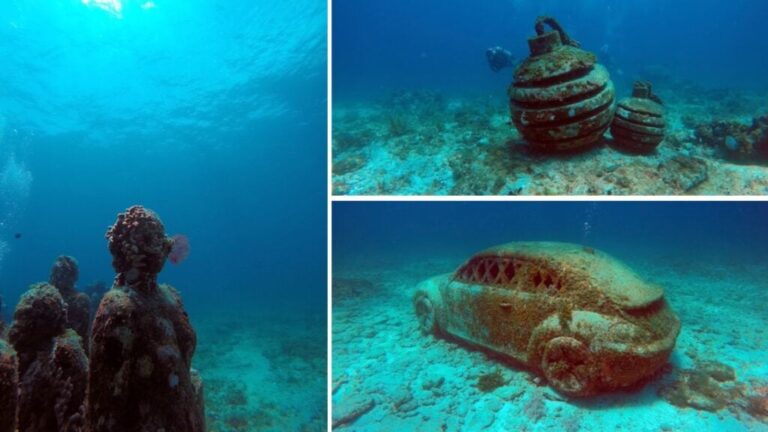
They offer PADI courses, local dives, snorkelling, dives in the Underwater Museum of Art (MUSA), and trips to the nearby Manchones and Punta Nizuc reefs. Thanks to its comfort and hotel structure, it’s an excellent choice for people who want to start diving without leaving Cancún.
Koox Diving – Tulum, Quintana Roo
In the Tulum area, Koox Diving focuses on cenote diving, a unique experience worldwide. It’s a PADI and RAID school with a strong technical approach, perfect for divers exploring caves, caverns and underground systems like Dos Ojos, The Pit, Gran Cenote and Calavera.
Their instructors hold cave diving certifications and always prioritise safety and ecosystem care. They also offer snorkelling, freediving and tours that mix archaeology and Mayan culture. This diving school suits intermediate or advanced divers seeking something more adventurous than reefs.
The Dive Gurus – La Paz, Baja California Sur
We move to the Mexican Pacific with The Dive Gurus, a PADI 5 Star Dive Center located opposite La Paz’s malecón. They run dives in Espírito Santo National Park, a UNESCO Biosphere Reserve, and in the famous El Bajo Seamount, known for hammerhead and oceanic manta encounters.
They also organise trips to dive with sea lions at Los Islotes, an iconic and beginner-friendly experience. Their courses range from introductory levels to Divemaster, and they also offer on-site accommodation for longer training stays.
Cabo Pulmo Divers – Cabo Pulmo, Baja California Sur
In the heart of Cabo Pulmo National Park, one of the Pacific’s oldest reefs and a UNESCO World Heritage Site, you’ll find Cabo Pulmo Divers, a local cooperative with PADI certification.
Their instructors mostly live inside the park, know the conditions perfectly and strongly support marine conservation. Their trips include dives at El Vencedor, El Bajo and Los Morros, where you can see bull sharks, groupers, jacks and turtles.
This school’s community-based approach suits divers seeking an authentic and ecological experience.
PV Ocean Adventures – Puerto Vallarta, Jalisco
On the central Pacific coast, PV Ocean Adventures offers recreational and technical diving around the Marietas Islands, Los Arcos and Majahuitas, three of Bahía de Banderas’ most iconic spots.
It’s an authorised PADI centre with international instructors and a strong reputation among travellers. Besides courses and daily trips, they organise night dives and seasonal manta encounters from November to May.
Their mix of professionalism, solid logistics and easy access from Puerto Vallarta makes it a convenient and complete choice.
Nautilus Dive Tech – Cabo San Lucas, Baja California Sur
For divers seeking advanced or technical experiences, Nautilus Dive Tech stands among Mexico’s most respected schools. It specialises in technical diving, trimix and rebreather training and collaborates with expeditions to the Revillagigedo Archipelago (Socorro Islands), one of the planet’s most spectacular destinations.
Their team includes certified TDI and IANTD technical instructors, ensuring strong training and safe conditions in demanding environments. It’s the ideal starting point for professional divers or those aiming for deep, exploratory dives.
Diving in Mexico offers countless faces: Caribbean colour, cenote mystery and Pacific adrenaline. Whether you start from zero or join a professional expedition, each school offers a unique opportunity to experience the country’s best underwater adventures. In either case, you’ll be immersed in unforgettable diving experiences that showcase the incredible beauty beneath Mexico’s waters.
Best Diving Spots in Mexico
Few countries enjoy such varied marine geography as Mexico. In the Caribbean, coral reefs, cenotes and wrecks create colourful and unique dives. Meanwhile, the Pacific’s nutrient-rich currents attract manta rays, hammerheads and humpbacks.
The country offers more than 150 registered dive sites across the Gulf of Mexico, the Caribbean and the Pacific. Below, you’ll find the most remarkable spots for all levels, from beginners to technical divers.
Cozumel Reefs (Quintana Roo – Mexican Caribbean)
Depth: 10 to 30 metres
Recommended level: All levels
Cozumel sits opposite Playa del Carmen and stands among Mexico’s top diving destinations. Its location makes it easy to combine reef and cenote diving in a single trip.
The reason why this paradise island is so popular in the diving world is that it is located in the heart of the Mesoamerican Reef System, the second largest coral reef in the world. In fact, the Cozumel Reefs National Park is the epicentre of diving in Mexico and one of the best in the world. The reefs are shallow and visibility is unbeatable, making it perfect for both novice and experienced divers.
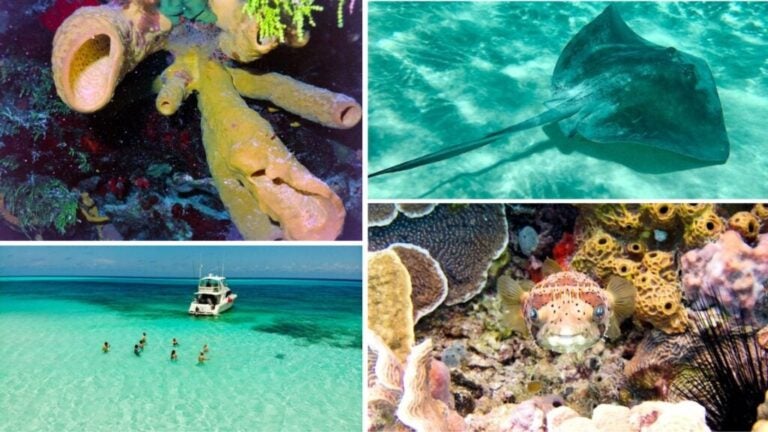
The most popular sites include Palancar Reef, Santa Rosa Wall, Colombia Reef and Tormentos. You’ll see hawksbill turtles, moray eels, eagle rays, nurse sharks and parrotfish. Visibility often exceeds 40 metres and the water stays near 28 °C all year, which allows reliable diving in any season.
Underwater Museum of Art (MUSA) – Cancún / Isla Mujeres (Mexican Caribbean)
Depth: 8 to 10 metres
Recommended level: Beginners and snorkellers
The Underwater Museum of Art (MUSA) ranks among the world’s most original marine projects. Opened in 2009, it was created with the aim of protecting the natural reefs of the Mexican Caribbean, diverting part of the tourism to an artificial space where art and nature merge.
The museum displays more than 500 life-sized sculptures built with pH-neutral cement. They encourage coral and sponge growth and eventually form a living reef full of angelfish, sergeant majors, rays and turtles.
MUSA divides into two main galleries:
- Manchones (Isla Mujeres): Located at about 10 metres, it suits certified divers and try-dives. You’ll find iconic works like The Silent Evolution, featuring over 400 human figures.
- Punta Nizuc (Cancún): Shallower at four to six metres, ideal for snorkel and beginners. Highlights include El Jardinero de la Esperanza and Antropoceno, a coral-covered car.
MUSA blends art, ecology and sustainable tourism, creating new habitats and reducing strain on natural reefs. It’s also one of Cancún’s most visually powerful and educational diving experiences.
Fun fact: MUSA grows every year with new sculptures and now covers more than 420 m², making it one of the largest underwater museums on the planet.
Dos Ojos Cenote – Tulum (Yucatán – Mexican Caribbean)
Depth: 5 to 25 metres
Recommended level: Intermediate to advanced
It’s said that the same meteorite that caused the disappearance of the dinosaurs in prehistoric times was responsible for the creation of the incredible cenotes of the Riviera Maya and the Yucatan Peninsula Whether this is true or not is not known for certain. Scientists debate this idea, but cenote diving remains one of Mexico’s most extraordinary experiences.
Among the region’s many cenotes, Dos Ojos stands out as one of the world’s most impressive cave systems. It offers surreal visibility above 100 metres and breathtaking light beams that pierce its crystal-clear water.
Dives follow certified cave-diving guides and take you through galleries, stalactites and tunnels that feel otherworldly. It’s perfect for divers seeking an unusual and unforgettable adventure.
The Pit Cenote – Tulum (Yucatán)
Depth: up to 40 metres
Recommended level: advanced
The Pit lies inside the Dos Ojos system between Playa del Carmen and Tulum. Divers consider it a favourite among technical sites worldwide. This vertical sinkhole reaches more than 119 metres, making it the deepest known cenote. Sunlight enters in a straight, glowing column that creates a stunning natural spotlight. At 30 metres, you’ll cross a halocline where fresh and salt water mix, creating a hypnotic visual effect.
It’s ideal for experienced divers and underwater photographers seeking ethereal scenes.
Banco Chinchorro – Costa Maya (Mahahual – Mexican Caribbean)
Depth: 10 to 25 metres
Recommended level: All levels
Near the fishing village of Mahahual, Banco Chinchorro stands as one of Mexico’s finest diving spots. A vast barrier reef shapes the coastline and creates many colourful sites.
Inner-reef points sit sheltered from currents and suit beginners. Meanwhile, outer dives at Banco Chinchorro require more experience due to their depth and drift conditions. This Caribbean treasure holds Biosphere Reserve status. It’s the northern hemisphere’s largest atoll and one of Mexico’s most untouched ecosystems.
You can explore 19th-century wrecks, swim beside Caribbean reef sharks and enjoy a pristine marine environment free from mass tourism. It’s perfect for divers seeking raw nature and abundant life.
Holbox Island and Cabo Catoche – Quintana Roo
Depth: 8 to 20 metres
Recommended level: all levels
Holbox offers a peaceful Caribbean escape ideal for diving or relaxing on the beach. Its sunsets and calm vibe attract many travellers.
From June to September, whale sharks gather near Holbox and Cabo Catoche. These gentle giants create one of Mexico’s most iconic marine encounters. Most excursions involve snorkelling, yet local dives still deliver manta rays, turtles and sardine schools. Meeting the whale shark often becomes the highlight of any visit.
Puerto Morelos Reef National Park (between Cancún and Playa del Carmen)
Depth: 6 to 18 metres
Recommended level: Beginners
The Puerto Morelos Reef National Park forms part of the Mesoamerican Reef System and offers calm, colourful and biodiverse diving conditions.
Unlike deeper sites in Cozumel or Mahahual, Puerto Morelos offers easy and accessible dives ideal for newcomers or relaxed sessions. Water stays warm and visibility often reaches 25 metres.
Popular spots include El Tajo, La Bocana and Cuevones, where you may see parrotfish, hawksbill turtles, lobsters, angelfish, rays and brain coral. Barracudas and moray eels appear more often in open areas.
A key detail: The park represents a successful sustainable tourism model. It balances conservation and education while guiding all visitors through certified local centres.
Cabo Pulmo National Park – Baja California Sur (Mexican Pacific)
Depth: 10 to 30 metres
Recommended level: All levels
A UNESCO World Heritage Site, Cabo Pulmo protects the oldest coral reef in the eastern Pacific. After its protection began in the 1990s, marine biomass increased more than 400%.
It’s the only living coral reef in the Sea of Cortez and one of the most outstanding diving sites on the planet, with large schools of fish, bull sharks, groupers, jacks, turtles, rays and giant schools of manta rays. Divers enjoy huge fish schools, bull sharks, jacks, groupers, turtles and manta rays. Its top dives include El Bajo, Los Frailes, El Cantil and El Vencedor.
Revillagigedo Islands (Socorro, San Benedicto, Roca Partida and Clarión – Mexican Pacific)
Depth: 15 to 40 metres
Recommended level: Advanced or technical
Known as the “Mexican Galápagos”, the Revillagigedo Islands form a remote volcanic archipelago. Socorro, San Benedicto, Roca Partida and Clarión. Declared a Natural World Heritage Site by UNESCO in 2016 and a National Park in 2017, its waters are one of the last great refuges for pelagic fauna in the eastern Pacific.
Only liveaboards reach the islands, departing from Cabo San Lucas or Puerto Vallarta. The region stays wild and untouched due to its isolation. Dives take place in open water with strong currents and significant depth. These conditions suit experienced divers seeking world-class interactions with pelagic species.
Diving in Revillagigedo is demanding: Currents can be unpredictable, visibility varies between 15 and 40 metres, and dives are usually made from a dinghy (inflatable boat) with rapid descents. However, those who experience it agree that there’s no other place like it in the world.
Isla Espíritu Santo – La Paz, Baja California Sur (Mexican Pacific)
Depth: 5 to 25 metres
Recommended level: All levels
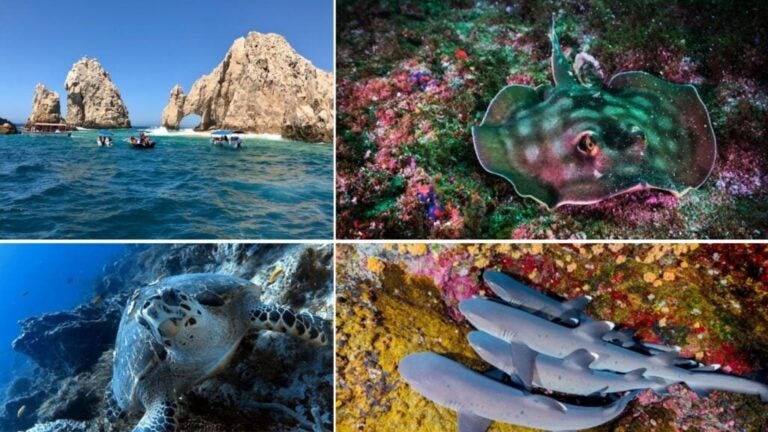
Isla Espíritu Santo sits within the UNESCO Biosphere Reserve of the Espíritu Santo Archipelago. It’s part of the Espíritu Santo Archipelago Marine National Park, declared a Biosphere Reserve by UNESCO in 1995, and is a model of marine conservation worldwide.
Its waters host more than 500 fish species and 200 invertebrates. You may encounter sea lions, turtles, mantas, whale sharks and unique coral formations. The island is uninhabited, ensuring a pristine environment and a completely natural diving experience.
The most iconic spot is Los Islotes, home to a permanent colony of California sea lions. Young sea lions often approach divers, play with bubbles and swim around with curiosity. It’s one of the few natural interactions with marine mammals permitted in Mexico, under strict protection regulations.
Diving Espíritu Santo means exploring the heart of the Sea of Cortez, which Jacques Cousteau famously called “the aquarium of the world”. You’ll discover an untouched harmony between nature and adventure.
Marietas Islands – Bahía de Banderas (Nayarit / Jalisco – Mexican Pacific)
Depth: 10 to 25 metres
Recommended level: All levels
The Marietas Islands form part of a protected National Park and attract travellers with their underwater landscapes and famous Hidden Beach.
Dives take place at El Morro, La Boya and Piedra Pelona. You’ll see eagle rays, pufferfish, moray eels, octopus, turtles and large snapper schools. Between December and March, diving takes on a special touch: divers can hear the song of humpback whales during their tours of the bay.
Visibility averages 15–20 metres with gentle currents, which suits all levels, especially beginners who want scenic and relaxed dives near shore.
Bahía de Banderas – Puerto Vallarta (Mexican Pacific)
Depth: 10 to 30 metres
Recommended level: All levels
Bahía de Banderas ranks among the world’s largest bays and blends tropical scenery with rich marine life. It’s the starting point for several of the best dives in the central Pacific, with sites accessible from the port of Puerto Vallarta or from the beaches of Nuevo Vallarta and Boca de Tomatlán.
Beyond the Marietas, Bahía de Banderas includes iconic sites like Los Arcos de Mismaloya. Its steep walls descend to 30 metres and shelter moray eels, pufferfish, eagle rays and turtles. Another favourite, Majahuitas, offers shallow reefs full of soft corals, angelfish, jacks and sardines.
During winter, migrating humpbacks create a unique setting. From December to March, divers often hear whale songs and sometimes spot distant breaches. Operators also organise trips to observe giant mantas and offshore dolphins.
Visibility usually ranges from 15 to 25 metres, and water stays warm most of the year. The bay delivers versatile diving that blends nature, comfort and local culture.
Isla Guadalupe – Baja California
Depth: 10 to 20 metres (cage diving)
Recommended level: All levels (no certification required)
Located 240 km off Ensenada, Isla Guadalupe is synonymous with great white sharks. This volcanic island ranks among the world’s finest places to observe them naturally.
Diving takes place in metal cages lowered to 10–15 metres under certified supervision. You don’t need previous diving experience because surface-supplied air makes the activity accessible for everyone.
The season runs from July to November, when clear water improves sightings to over 95%. Sharks often approach the cages with curiosity, creating an unforgettable yet respectful encounter.
Access is only possible through liveaboards departing from Ensenada or San Diego, with 20–24 hour crossings.
Los Cabos – Cabo San Lucas, Baja California Sur
Depth: 8 to 35 metres
Recommended level: all levels
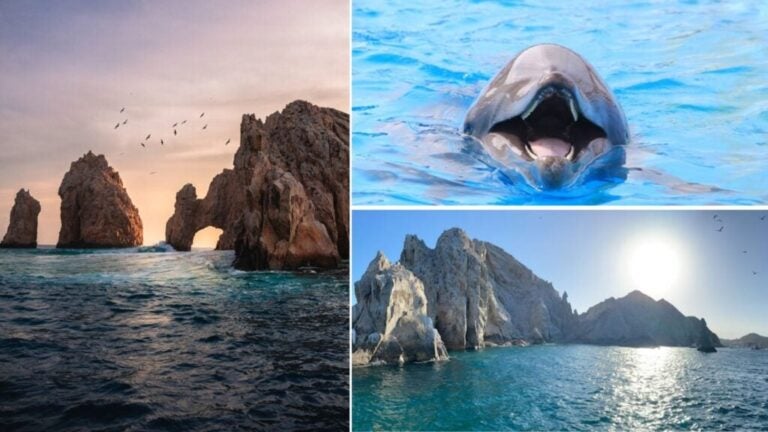
The Cabo San Lucas Marine Park offers one of the most accessible and vibrant diving areas along the Mexican Pacific. Its location near the famous Arch provides dramatic landscapes and rich marine life.
Top sites include Pelican Rock, Neptune’s Finger and The Sand Falls. Visibility usually ranges from 15 to 25 metres and temperatures stay between 22 and 28 °C. Many dive centres offer PADI courses and mixed snorkel–dive excursions ideal for varied groups
Important: If you are a frequent traveler and want to stay connected without worrying about expensive roaming or looking for a new SIM at every destination, Holafly’s subscription plans are for you. With a single eSIM, enjoy internet in more than 160 countries for a fixed price and no surprises on your bill. Travel without limits and connect easily and securely! 🚀🌍

How Much Does Scuba Diving Cost in Mexico?
Scuba Diving in Mexico can feel affordable or exclusive. The Caribbean offers lower prices thanks to calm seas and many operators. Meanwhile, Pacific trips often cost a bit more because of logistics, distance and demanding conditions.
On average, a single dive costs $70–100 (€64–92), although prices vary depending on depth, location, marine life and boat access.
PADI courses offer competitive prices compared with other global destinations. Most schools include full equipment, boat transport, certified guides, tanks and environmental fees.
Here’s a reference with updated 2025 prices:
| Type of Experience or Course | Destination / Notable Centre | Approx. price (USD/EUR) | Includes | Recommended Level |
|---|---|---|---|---|
| Discover Scuba Diving | Puerto Morelos Reef or Cozumel | $80–100 (€73–92) | Theory lesson, shallow-water practice and one guided dive with full equipment | Beginners |
| PADI Open Water Diver Course | Blue Magic Scuba (Cozumel) / Phantom Divers (Playa del Carmen) | $500–600 (€460–552) | Four open-water dives, study materials and international certification | Beginners |
| Double Dive (2 tanks) | Cozumel / Mahahual / Cancún | $130–150 (€120–138) | Two guided dives, certified guide, boat and snacks | Certified divers |
| Cenote Diving (Dos Ojos or The Pit) | Koox Diving (Tulum) | $120 – 150 (€103 – 129) | Two guided dives, local transport and underwater torch | Intermediate / Advanced |
| MUSA Dive (Underwater Museum of Art) | ScubaCaribe Cancún or Pro Dive Riviera Maya | $95 – 120 (€81 – 103) | One dive, full equipment and museum access | All levels |
| Banco Chinchorro Day Trip | Mahahual / XTC Dive Centre | $250–300 (€230–276) | Two dives, boat transfer, snacks and reserve fees | Certified divers |
| Advanced Open Water Diver course | Pro Dive International (Riviera Maya) | $550–650 (€506–598) | Five themed dives, theory and PADI certification | Intermediate |
| Bull Shark Diving | Phantom Divers (Playa del Carmen) | $140–160 (€129–147) | One guided dive, safety briefing and full equipment | Advanced |
| Sea Lion Diving | The Dive Gurus (La Paz) | $120 – 140 (€103 – 129) | Two guided dives, transport to Los Islotes and snacks | All levels |
| Cabo Pulmo Diving (National Park) | Cabo Pulmo Divers | $160–180 (€147–165.60) | Two dives, park permits and local guide | All levels |
| Revillagigedo Liveaboard (Socorro Islands) | Nautilus Explorer / Solmar V | $3,500–4,500 (€3,220–4,140) | Six–seven days, 20+ dives, meals, lodging, guides and park fees | Advanced |
| Great White Shark Cage Diving | Isla Guadalupe – Nautilus Liveaboards | $3,000–3,800 (€2,760–3,496) | Liveaboard, three cage-diving days, meals and guide | All levels |
| Rescue Diver + EFR Course | La Paz / Cozumel | $750–900 (€690–828) | Materials, theory and open-water training | Advanced / Professional |
Diving costs in Mexico
In Mexico, your diving budget depends mainly on the experience you choose. You can enjoy a simple Caribbean try-dive or join world-class expeditions in Revillagigedo or Isla Guadalupe, where every bubble tells a story.