



 Language


 No results found
What is Iran known for? 15 Interesting facts about Iran
Discover what Iran is known for, from ancient empires and stunning mosques to saffron, poetry, and deserts. 15 interesting facts about Iran.

Iran is a country of ancient empires, poetic traditions, colourful mosques, vast deserts, and warm hospitality. It’s where one of the world’s oldest civilizations began, and where culture, history, and nature still shape the world daily.
Here are 15 things Iran is known for, including some interesting facts, that show exactly what makes the country so unique. Plus, learn how you can stay connected with an unlimited data eSIM for international travel.

An eSIM you can rely on
Join over 10 million Holafly customers and get connected with our trusted, global services.
1. The heart of the Ancient Persian empire
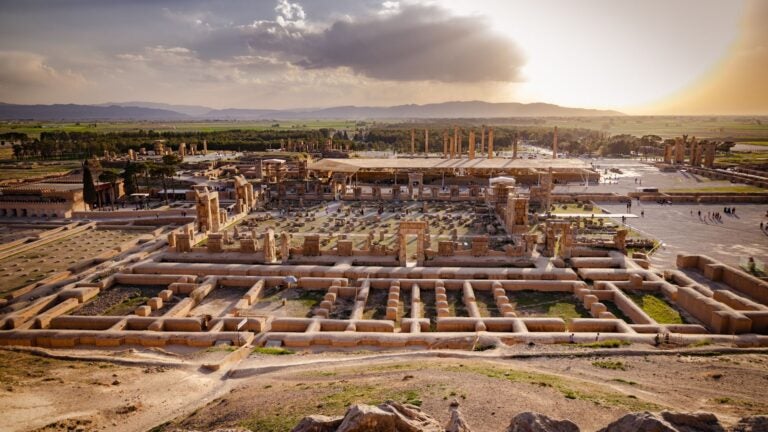
One of the most important facts about Iran is that it was once the centre of the Persian Empire. Founded by Cyrus the Great around 550 BCE, it became the largest empire the world had seen at the time.
Today, you can visit Persepolis, the ceremonial capital. Its towering columns and detailed stone carvings will make you feel like you’ve stepped into ancient history.
2. The Cyrus Cylinder and early human rights
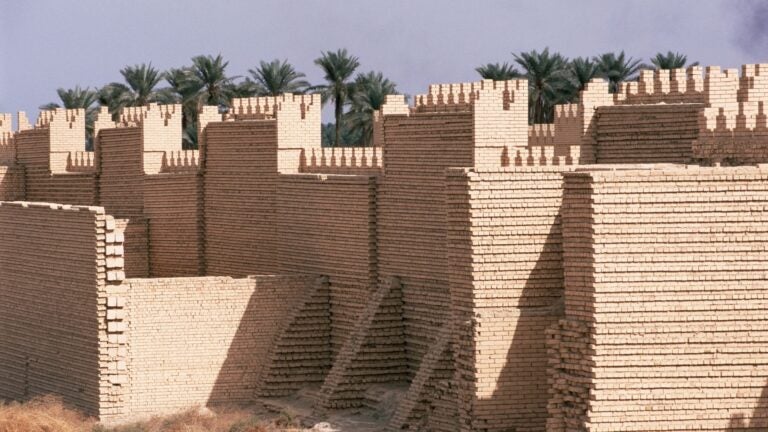
One of the more interesting facts about Iran is that the earliest declarations of human rights were created here.
The Cyrus Cylinder, introduced by Cyrus, is a 6th-century BC artifact. It’s a small clay cylinder outlining policies about religious freedom and respect for different cultures. These ideas were incredibly progressive for the time. Today, it’s permanently housed in the British Museum in London.
3. Why is it called Iran and not Persia?
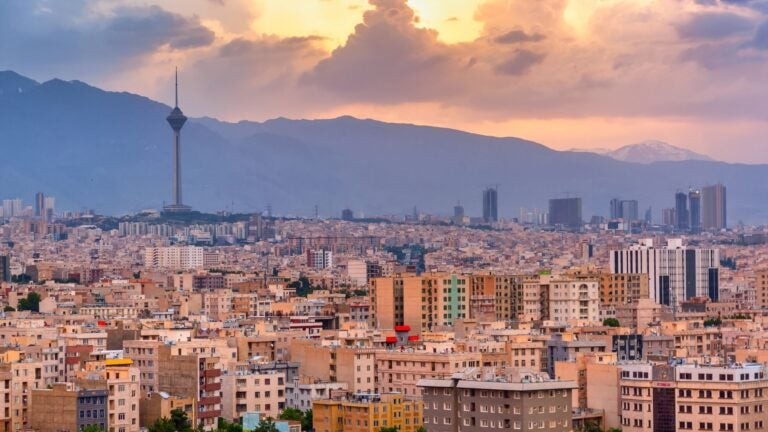
For centuries, the West called the country “Persia”. But in 1935, the government asked the international community to use “Iran” instead, which translates to the “Land of the Aryans”. “Persia” refers to one ethnic group and the ancient empire, while “Iran” represents the country’s identity and diverse population.
4. Home to Isfahan — “Half the world”
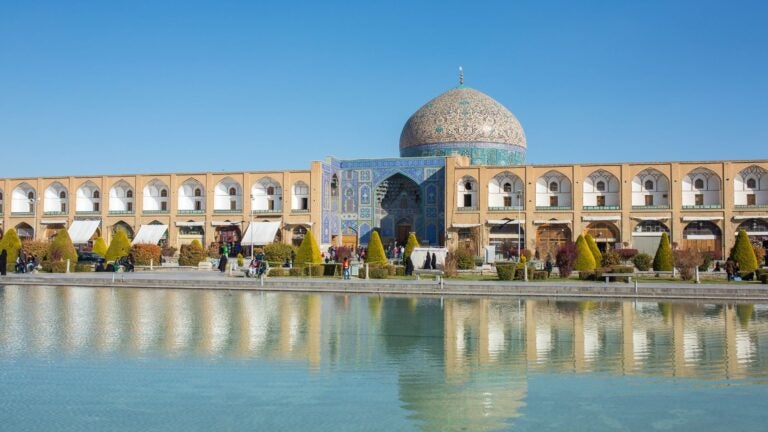
The beautiful city of Isfahan is often described as “half the world” for its architectural beauty. The Naqsh-e-Jahan Square sits at its heart and is one of the largest public squares in the world.
Surrounded by mosques in vibrant blue tiles, it’s one of the most breathtaking sights in the country.
5. One of the hottest places on Earth
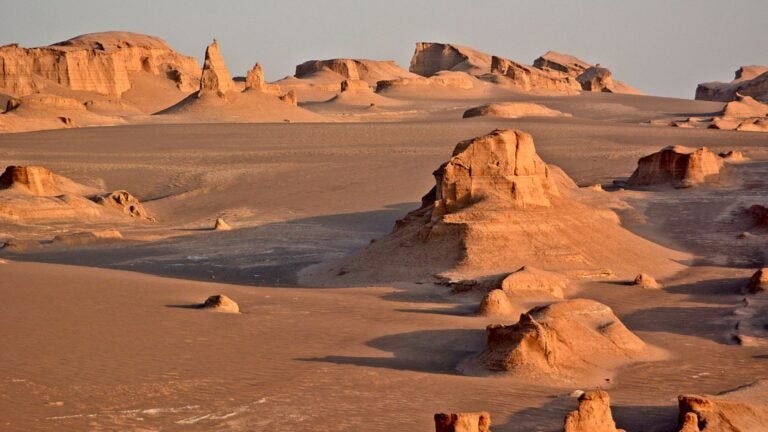
Iran is known for the Lut Desert, one of the hottest places on Earth. NASA has recorded some of the highest surface temperatures on the planet, reaching over 70°C.
Besides sky-rocketing temperatures, the desert is also famous for its “kaluts”, wind-carved rock formations that resemble sandcastles.
6. The world’s saffron capital
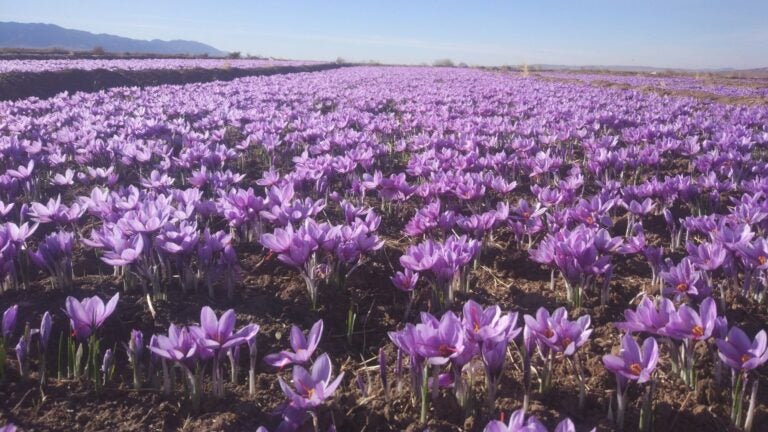
If you have saffron in your kitchen cabinet, chances are it came from Iran. The country produces more than 90% of the world’s supply.
Known as “red gold”, saffron is the world’s most expensive spice and can cost between $10,000 and $20,000 per kilogram. This is due to the hand-harvesting process of delicate crocus flowers.
On the hunt for the prettiest saffron fields in Iran? Make sure you have mobile internet in Iran to find the best spots and best the harvest.
7. Iran’s Persian carpets are world famous
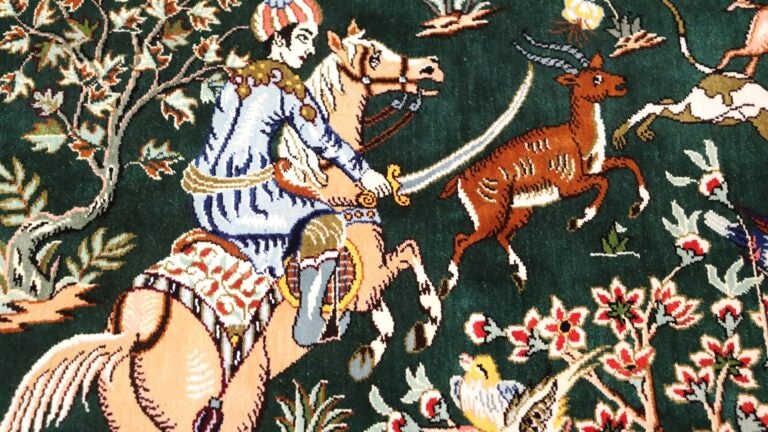
Persian carpets are one of Iran’s most famous exports, but they’re more than just mere rugs. They’re artistic pieces and woven stories.
A single high-quality rug can take years to complete, with thousands of knots per square inch. A high-quality, handmade Persian rug is a valued investment that lasts generations.
8. A nation of poets
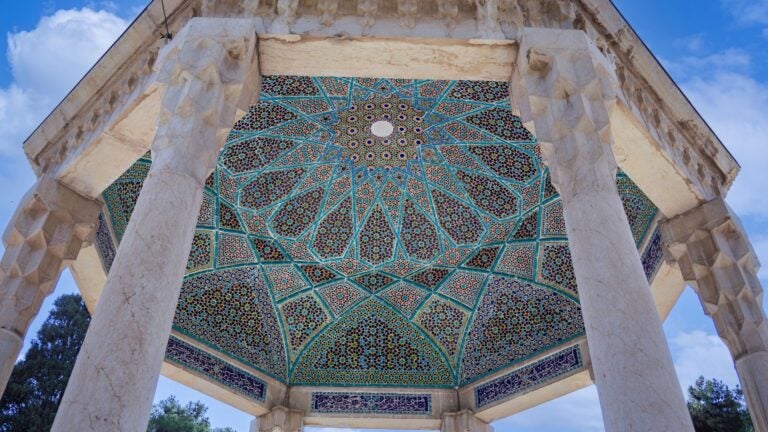
An interesting fact about Iran is that poetry is an integral part of Iranian culture. Poets like Hafez and Rumi are deeply loved, and their verses are remembered in everyday conversations.
The Tomb of Hafez in Shiraz is a popular gathering place where people read poetry and reflect.
9. The birthplace of Zoroastrianism
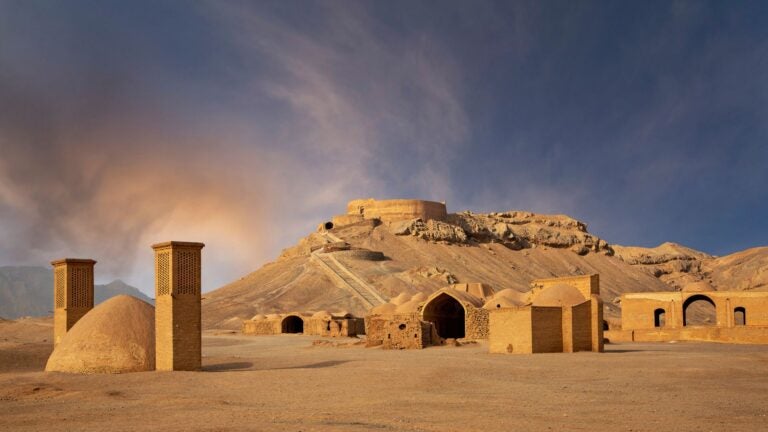
Before Islam, Iran was the centre of Zoroastrianism, one of the world’s oldest monotheistic religions. In the desert city of Yazd, you can visit the Atash Behram, where a sacred flame is said to have been burning for over 1,500 years.
10. Ancient air conditioning
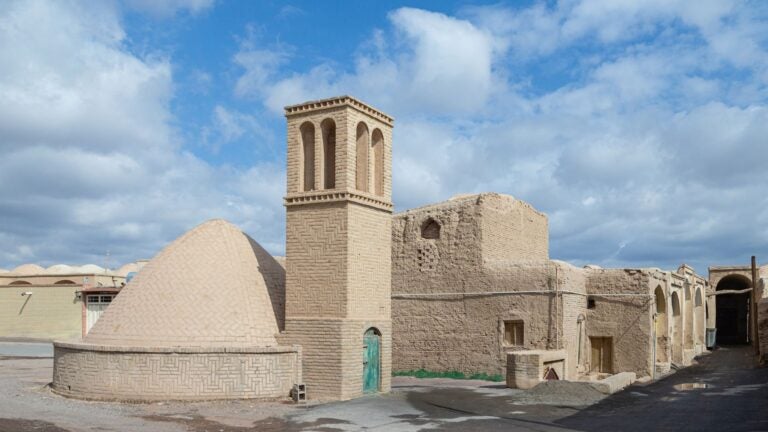
One of the more fun facts about Iran is related to the invention of “badgers”, or windcatchers. These ancient towers, built atop houses in desert regions, capture breezes to funnel cool air into homes. This natural air-conditioning system was designed centuries ago and still exists today!
11. Ski resorts and beaches in one county
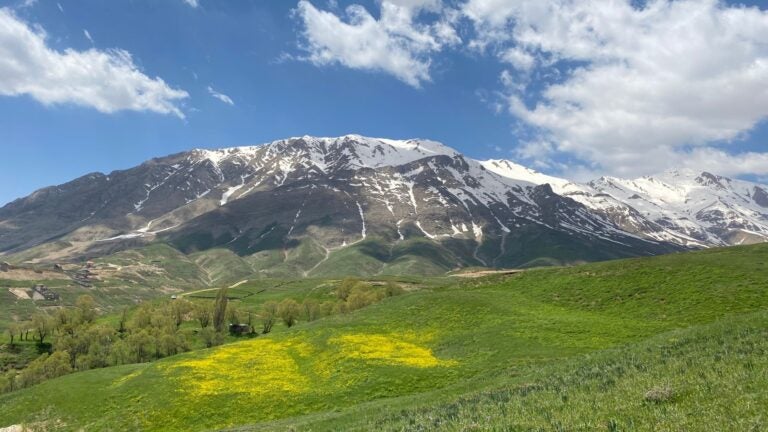
Iran is a vast country with incredibly diverse geography and 4-season climates. In the winter, you can go skiing in the Alborz Mountains, where peaks reach over 5,000 meters, and then take a short flight to the Persian Gulf islands to enjoy beach weather.
12. The Asiatic cheetah
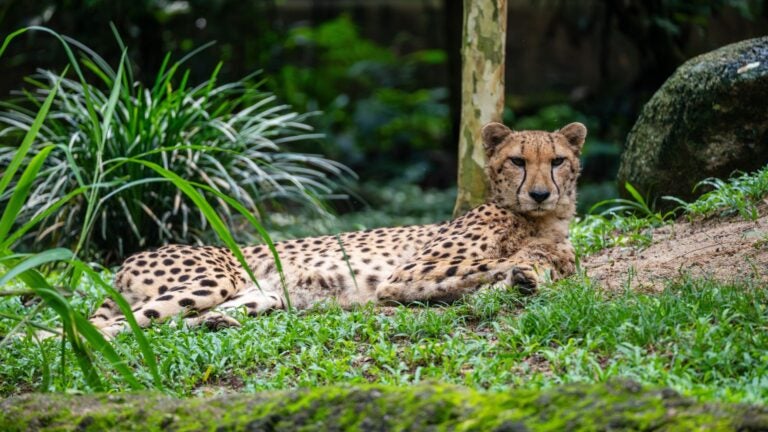
Iran is the only place in the world where you can still find the Asiatic Cheetah in the wild. This endangered cat is a national symbol, and conservation efforts are ongoing to save the remaining few dozen individuals living in the central plateaus.
13. Hospitality and Iranian “taarof”
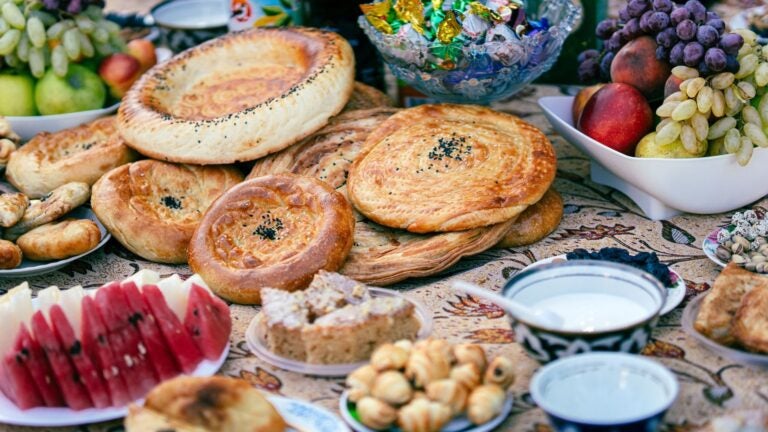
One of the best Iran facts and most memorable things visitors mention is Iranian hospitality.
A cultural practice called taarof involved polite offers and gestures, sometimes repeated several times before being accepted. It may feel unfamiliar at first, but it reflects deep-rooted generosity and respect.
Don’t be shocked if a stranger invites you to their home for tea or a full Persian feast!
14. The world’s largest Adobe City
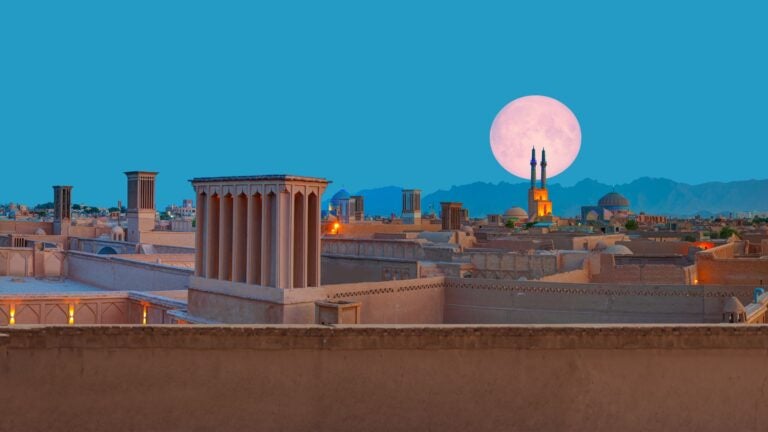
The historic city of Yazd is not just famous for the ever-burning sacred flame, but for its mud-brick architecture and maze-like alleyways. It’s recognised as a UNESCO World Heritage Site and is one of the largest adobe-built cities in the world.
15. Pink mosques and rainbow islands
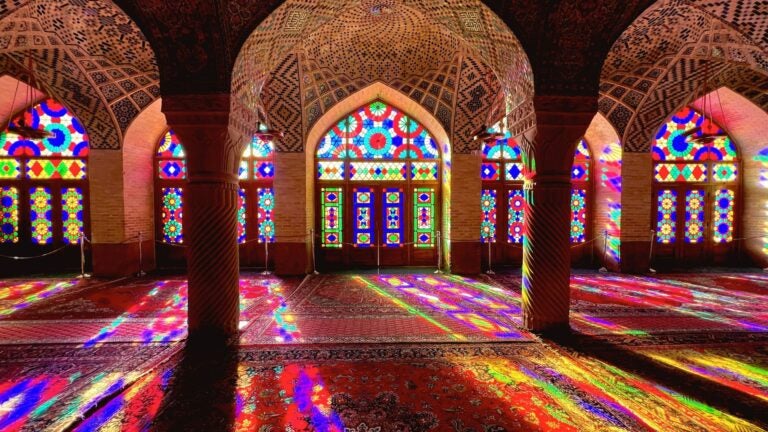
Iran is known for its vibrant colours. The Nasir al-Mulk Mosque, also known as the Pink Mosque, fills with rainbow light each morning as sunlight passes through stained glass windows.
Hormuz Island is famous for its red soil and striking, multi-coloured landscapes. Many describe the mountains as looking like they were painted with a rainbow.
Stay connected with Holafly
Holafly’s travel eSIMs are the best way to experience an international trip with peace of mind.
Whether you’re exploring the ruins of Persepolis, wandering through Isfahan’s blue-tiled squares, or watching the sunrise through the stained glass of Nasir al-Mulk Mosque, staying connected with an eSIM for Iran makes everything easier.
With a Holafly unlimited data travel eSIM, you can:
- Connect instantly and as soon as you land
- Access high-speed data
- Get 24/7 customer support in your own language
- Activate a daily hotspot allowance of up to 1 GB for the rest of your devices
No physical SIM cards, no roaming surprises — just reliable data from the moment you land.
An eSIM you can rely on
Join over 10 million Holafly customers and get connected with our trusted, global services.
Note: We advise being mindful of current world events before planning trips, and to check your government’s travel advisory board before setting off.
Plans that may interest you


Born and raised in Queens, New York, I'm a Psychology graduate with a passion for writing that I've been nurturing since 2019. Over the years, I've enjoyed creating meaningful content across various niches, including sports, hospitality, and career development. At Holafly, I focus on crafting useful and inspiring pieces to make your adventures more effortless. One of the best perks of this role? Creating travel content always seems to inspire my next vacation destination!