Language


 No results found
Visiting vs living in Olympic cities: Is life really as exciting after the games?
There’s a big difference between visiting vs living in Olympic cities. Here’s how the vibe, living costs, and daily rhythm shift after the games!

Arguably, the most exciting time to visit any major city is when it’s hosting the Olympic Games.
For 16 days, the streets come alive with thrilling sports, epic events, and cultural exchanges that stay with you for life. It’s no wonder so many visitors head home dreaming about what life would be like if they lived there full-time.
But here’s the thing: Olympic cities are only seen through a “visitor lens.”
The energy is heightened, and everything feels larger than life. This makes it easy to overlook the city’s drawbacks, and let’s be honest, NO city is perfect.
In this article, we reveal how the Olympic Games transform cities and what it’s really like to live there once it’s all over.
Visiting vs living in Olympic cities: What’s the difference?
Visiting a city during the Olympics is like taking a vacation 2.0. The energy is buzzing, and the city’s priority becomes making your trip (and the Olympics) a success.
However, during this trip, you mostly see only the Olympic zones, where the infrastructure is new or recently upgraded. This gives you a polished perspective of the entire city.
After the games end and the energy fades, that’s when you see what the city is truly like:
- The focus returns to daily life
- The cost of living can rise as a result of the city’s reputation boost
- Tourism can increase, making getting around more stressful and challenging
Visiting vs living in Olympic cities (by city)
Cities invest heavily in infrastructure ahead of the Olympics, creating long-term improvements such as better roads, faster trains, improved airports, and revitalized neighborhoods. But this doesn’t remove all the city’s previous flaws.
Let’s explore how each Olympic city evolves differently and what living there long-term really looks like.
| Olympic City | Highlights | Drawbacks | Olympic Infrastructure Upgrades |
|---|---|---|---|
| Paris | Iconic culture, art, cafés, global cuisine | Expensive, crowded transport, language barrier | Improved public spaces, upgraded public transport and sports facilities |
| Milan | Fashion capital, nearby mountains and ski resorts | Seasonal crowds, cold winters and extremely hot summers | Ski lift upgrades, airport improvements |
| Los Angeles | Beaches, entertainment, creative culture | Heavy traffic, high rent, city feels spread out, | Boosts to youth sports, revived neighborhoods |
| Brisbane | Subtropical climate, relaxed lifestyle, walkable city | Less cosmopolitan energy than Sydney or Melbourne | Sustainable city solutions, sports facility development |
Paris (Summer Olympics 2024)
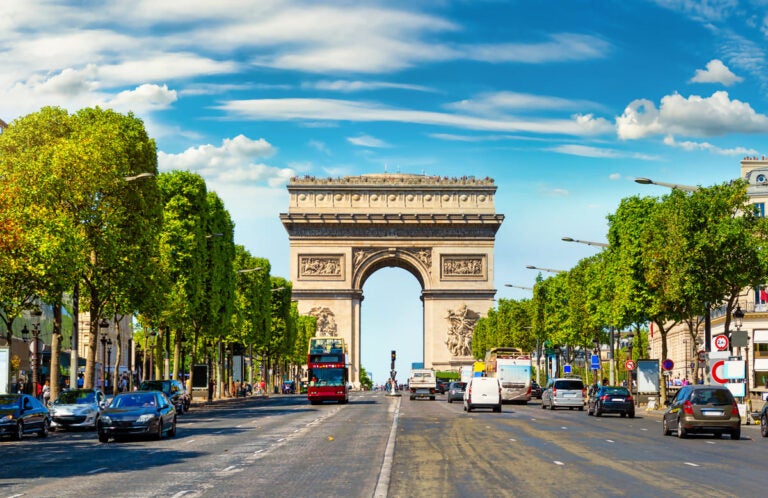
In the summer of 2024, Paris transformed into a giant open-air celebration. The streets filled with fans from all over the world, the cafés stayed lively late into the night, and public spaces hosted screenings and events, all set against a backdrop of iconic landmarks.
What’s it like to live there long-term
While the city is undeniably beautiful, living in Paris is far from cheap; it even ranked in the top 5 of the Expatistan Cost of Living Index. And while the Olympic legacy lives on through improved infrastructure and refreshed public spaces, the public transport is busy, and everyone is in a rush.
Post games, Paris doesn’t feel quite as glamorous either. Things like litter and graffiti are more apparent, and the locals are much more reserved towards tourists than they were during the games.
Went to Paris for the 2024 Summer Olympics? If you’re planning a return, Holafly eSIM for France makes travel simpler next time.
Milan & Cortina d’Ampezzo (Winter Olympics 2026)
As Milan prepares for the upcoming Italy Winter Olympics, the city feels like Vogue meets Alpine charm. Milan is super stylish, while Cortina d’Ampezzo has the most breathtaking mountain scenery you’ve ever seen.
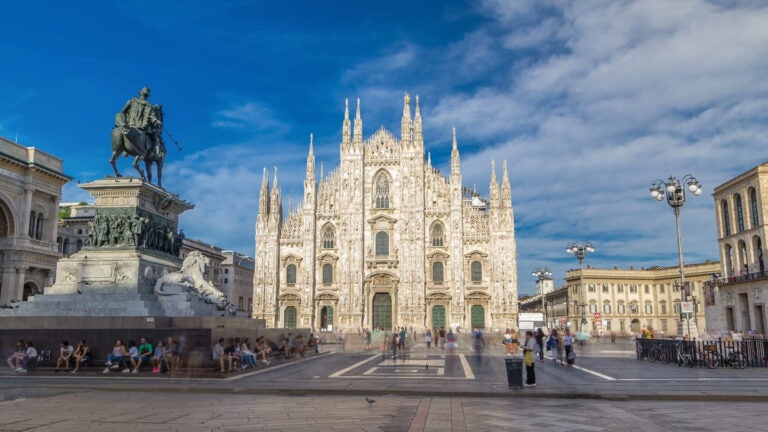
With the focus on the games and tourism, Italians (who are very welcoming by nature) are keen to make you feel right at home. Before you know it, you’ve got used to spending your days drinking Aperol Spritz and eating pizza in the sunny plazas, and you’re dreaming about selling everything back home and moving there.
What’s it like to live there long-term
Milan is the fashion capital of the world, and the streets in the city center ooze style and elegance. But, honestly, unless you’re the next “Giorgio Armani,” Milan can feel a bit grey and boring. Sure, there are some nice spots, such as the Duomo and the historic canals, but in my opinion, other cities like Rome and Florence are far more beautiful.
The experience you have in Milan is also determined by the season, as the pace and weather change drastically. In the summer, Milan gets very crowded, and at times, unbearably hot. In the winter, it’s much quieter but also very cold.
Living in Italy long-term can also become quite stressful, as the Italian bureaucracy system frustrates even the most laid-back of people. A vacation in Italy is truly “la bella vita,” but living there… not so much.
If you’re traveling to Milan for the 2026 Winter Olympics, stay connected with a Holalfy eSIM for Italy.
Los Angeles (Summer Olympics 2028)
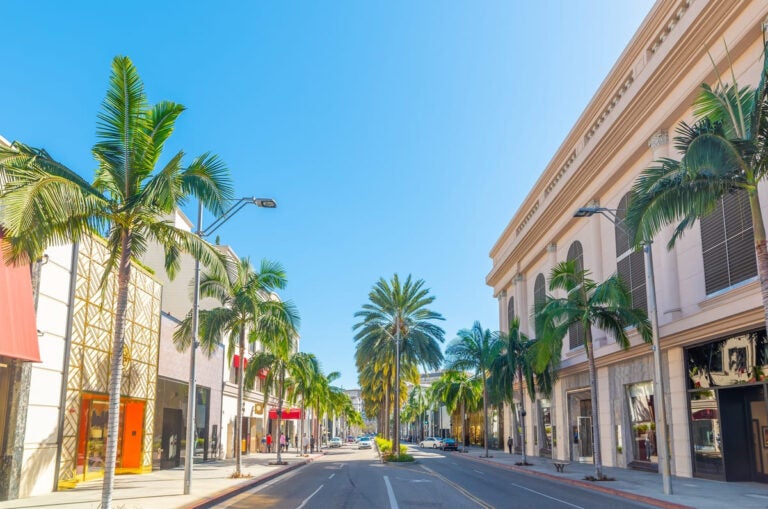
Los Angeles has long had a reputation for being glamorous and innovative, and during the 2028 Summer Olympics, this will be further amplified. As both a vacation hotspot and Olympic city, LA has many advantages, including beaches, Hollywood, and a diverse mix of cultures.
LA is already somewhere many people aspire to live in, and after the Olympics, even more will want to flock to the city where “anything is possible.”
What’s it like to live there long-term
While the Olympics will connect LA as a whole, outside of the games, the city often feels like many small cities joined together. Neighborhoods are spread out, so you need a car to get anywhere, leading to heavy traffic and long commutes.
The upside is that the Olympics are sure to boost the city’s already thriving creative, tech, or wellness scenes. However, the pace of living in Los Angeles can sometimes feel more exhausting than exhilarating.
In addition, renting in Los Angeles isn’t cheap. The average LA rental cost is $2717, and this will likely increase further after the games.
Planning a trip to LA for the next Summer Olympics? A Holafly eSIM for LA keeps you connected from the moment you land.
Brisbane (Summer Olympics 2032)
Visiting Brisbane during the 2032 Summer Olympics will give you a glimpse of the Australian dream. The vibe is relaxed, the sun is shining, and every day ends with a BBQ in one of the city’s awesome outdoor spaces.
Brisbane has already seen significant investment in its infrastructure, including the renovation of the city’s riverfront and the construction of an artificial beach. Likely, the 2032 Olympics will bring further developments, highlighting the city’s outdoor lifestyle and subtropical climate.
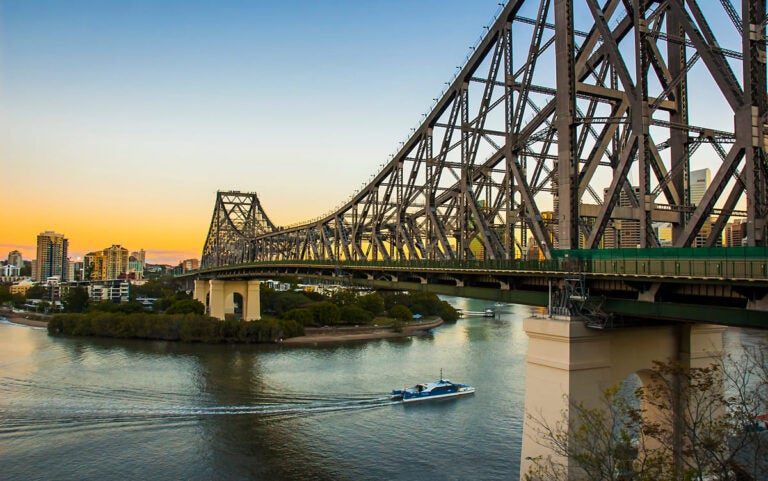
What’s it like to live there long-term
Life in Brisbane is not bad at all. As a reasonably small city, it’s easy to navigate, and many parts are walkable. The Queensland city also enjoys year-round warm weather, which is definitely one of its biggest pros.
Even so, compared to other Australian cities like Melbourne and Sydney, Brisbane on an average day is a little dull. The nightlife is quieter, the arts scene is smaller, and with half the population, Brisbane lacks the constant buzz you’ll find in the southern capitals. Considering this, Brisbane without the Olympic energy is more “comfortable” than captivating.
Visiting Brisbane during the 2032 Summer Olympics? A Holafly eSIM for Australia takes the stress out of mobile data.
Are Olympic cities always better for visiting than living?
Living in an Olympic city isn’t necessarily bad, but it’s crucial to understand that what you see during the Games is a heightened version of reality. That’s why I suggest you visit post-games and during the off-season, when the city’s daily rhythm is most apparent.
If you love modern cities, urban energy, and international communities, an Olympic city might be for you. Even so, before planning a long-term move, ask yourself:
- Would you enjoy the city’s everyday life without the constant ‘big event’ energy?
- Can you handle the higher costs and crowds that may arise after the Games?
Your answer will help you decide whether an Olympic city is truly your dream home or just a nice place to visit.
Stay connected with Holafly wherever life takes you
Many things change after the Olympics: the crowds, the energy, the cost of living. But your connection doesn’t have to be one of them.
With Holafly, you can stay connected and explore freely, on both short stays and international moves.
Holafly travel eSIMs give you hassle-free, unlimited data while visiting Olympic cities. Explore the full range in the eSIM store.
And if you do decide to start a new life abroad, Holafly Plans keep you covered 24/7 with a monthly rolling contract that works globally.

Peace of mind before you fly
Set up your eSIM before travel and get unlimited data on arrival.
Plans that may interest you


Hey, I’m Mika! I’m an SEO specialist with 7+ years of experience and a passion for travel info that actually helps you explore smarter. I write travel guides and tips backed by SEO insights so you can spend less time searching and more time adventuring.