







 Language


 No results found
Valentine’s Day in Japan: Traditions, meaning, and modern customs
Curious how Valentine’s Day in Japan is celebrated? Learn why women give men chocolates, what each type of chocolate means, and how White Day works.
Valentine’s Day in Japan doesn’t center on roses or candlelit dinners. For nearly 70 years, it has culturally revolved around chocolate, with different types carrying different meanings.
It’s also not just for couples. Chocolate appears in offices, among friends, and even as a personal treat, from giri-choco given out of obligation to honmei-choco for that special someone, making it one of the most unique Valentine’s Day traditions around the world.
So, whether you’re traveling to Japan in February or just curious about how the holiday works over there, understanding these customs helps explain why Valentine’s Day in Japan often surprises people encountering it for the first time. For inspiration on romantic destinations elsewhere, check out our guide to best places to go for Valentine’s Day.

An eSIM you can rely on
Join over 10 million Holafly customers and get connected with our trusted, global services.
When is Valentine’s Day in Japan?
Valentine’s Day in Japan is celebrated on February 14, the same date as in many other countries. One month later, on March 14, Japan observes White Day, when gifts are traditionally returned, completing the Valentine’s Day exchange.
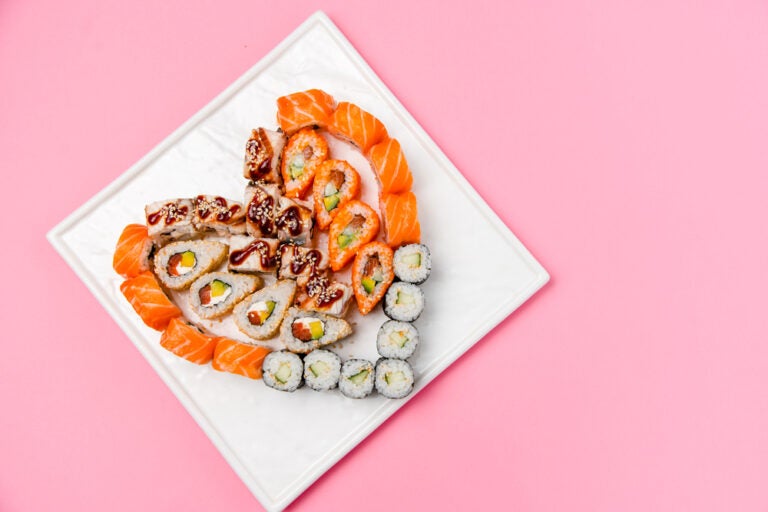
How is Valentine’s Day celebrated in Japan?
Valentine’s Day in Japan is celebrated very differently from Western traditions. Instead of couples exchanging gifts, women traditionally give chocolate to men, using it as a way to express feelings, fulfill social obligations, or mark relationships without overt public romance.
This custom, however, is widely traced back to marketing rather than ancient tradition. In 1958, a confectionery company launched a Valentine’s Day sales campaign at a Tokyo department store, which helped shape the chocolate-centered ritual still followed today.
Much like Japan’s KFC Christmas tradition, what began as a promotion evolved into a nationwide custom. Unlike Valentine’s Day in Mexico, which celebrates both love and friendship with lively public events, or Valentine’s Day in France, which emphasizes intimacy and elegance, Japan’s chocolate-focused Valentine’s Day is now one of the most surprising things to experience in Japan for visitors in February.
Types of Valentine’s chocolate in Japan
In Japan, Valentine’s Day chocolate is categorized by purpose rather than price or presentation. Because each type reflects a different relationship and intention, you should know what message your chocolate may send.
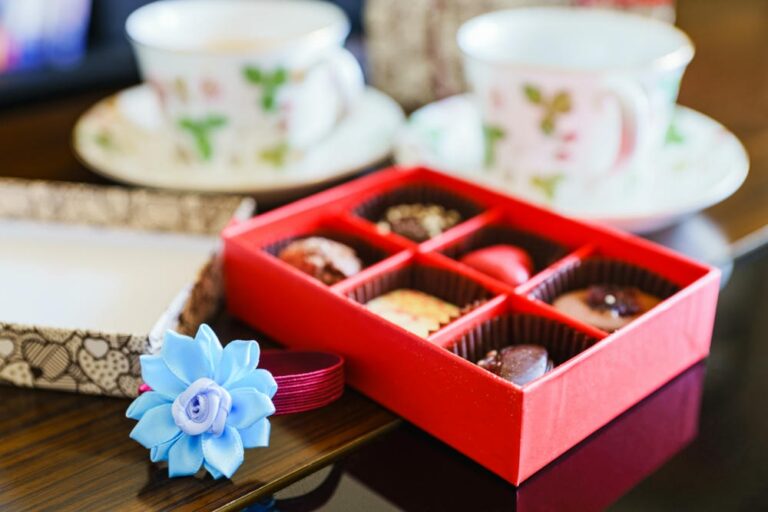
Giri-choco
Giri-choco (obligation chocolate) is typically given to coworkers, bosses, or acquaintances. This is seen as polite rather than romantic, and the chocolate given is often store-bought.
Honmei-choco
Honmei-choco (“true feeling” chocolate) is reserved for romantic partners or someone the giver has genuine feelings for. This chocolate is usually of higher quality, sometimes even handmade, and carries a clear emotional meaning.
Jibun-choco
Jibun-choco (self chocolate) is chocolate you buy for yourself. The trend has grown in recent years and offers a chance to treat yourself to your favorite chocolate.
Tomo-choco
Tomo-choco (friend choco) is chocolate exchanged between friends, most commonly among women. It’s casual and friendly, with no romantic expectations attached.
Gyaku-choco
Gyaku-choco (reverse chocolate) is chocolate given by men to women on Valentine’s Day, reversing the traditional custom. While still uncommon, it reflects changing attitudes toward gender roles and gift-giving.
Kazoku-choco
Kazoku-choco (family chocolate) is chocolate shared with family members, including parents and siblings. It reflects care and appreciation within the family.
Sewa-choco
Sewa-choco (gratitude chocolate) is given as a thank-you gesture to people who have helped or supported you, such as mentors or colleagues.
What is White Day in Japan?
White Day takes place on March 14, one month after Valentine’s Day. This is the day when men return gifts to women who gave them chocolate on February 14.
The name “White Day” comes from its origins in the late 1970s, when the custom centered on white-colored sweets, especially marshmallows. Over time, the tradition expanded to include white chocolate, cookies, candies, and other small gifts.
White Day also comes with the idea of sanbai kaeshi, or “three-fold reciprocation.” It reflects the expectation that men return a more expensive gift than the chocolate they received on Valentine’s Day. In practice, expectations today are more relaxed and vary by individual.
How to celebrate Valentine’s Day if you’re traveling to Japan
Valentine’s Day in Japan favors small, thoughtful experiences over grand gestures. For visitors in February, there are simple ways for you to take part in the holiday.

Buy chocolate for your partner
Chocolate remains central to Valentine’s Day in Japan. Department stores and specialty shops release limited-edition sweets in early February. You can also make the chocolate yourself, which reflects the spirit of honmei-choco and adds a personal touch.
Stay at a romantic ryokan or onsen hotel
A stay at a ryokan or onsen hotel offers a quiet, intimate way to mark the occasion. Many properties feature private baths fed by a Japanese natural hot spring, traditional multi-course meals, and scenic surroundings. This option suits couples who prefer relaxation to busy nightlife.
Enjoy seasonal desserts or a special dinner
Many restaurants and cafes offer Valentine’s-themed desserts and set menus in February. Options range from fine dining to casual cafes, which helps manage the cost of Japan without missing out on seasonal experiences.
Enjoy night views and Valentine’s Day illuminations
Winter illuminations appear across Japan in February, with night views especially popular around Valentine’s Day.
In Tokyo, places like Shibuya Sky, Tokyo Tower, and Omotesando offer skyline views and seasonal lights that often resemble anime-inspired destinations. Waterfront areas such as Yokohama’s Minato Mirai provide a calmer, romantic alternative for evening walks.
Tip! Check out our list of the best places to visit in Japan to help plan your Valentine’s Day holiday.
Stay connected while celebrating Valentine’s Day in Japan
Heading to Japan to experience a different kind of Valentine’s Day? A Holafly eSIM keeps you connected across the country, with unlimited data, flexible usage periods from 1 to 90 days, and reliable 4G/5G coverage in cities throughout Japan.
Get a Holafly eSIM for Japan here!
Get an unlimited data Japan eSIM
Use code MYESIMNOW5 for 5% off at checkout
Plans that may interest you

哈囉我是來自台灣的 Wen,平常最喜歡旅遊,也喜歡將旅遊的種種化成文字跟大家分享,希望大家能在我的文章中找到有用的資訊,加上 Holafly 的 eSIM,讓你的旅程更美好!✈️✈️✈️ Hi! I'm Wen, a passionate content writer and travel enthusiast from Taiwan. I transform my wanderlust adventures into engaging stories and practical guides, helping fellow travelers make the most of their journeys.Through my articles, I strive to provide travel tips while introducing how our eSIM technology can enhance your travel experience - keeping you connected wherever your adventures take you!

