



 Language
Best places to visit in Japan, according to a local
Tokyo, Kyoto, and Osaka are Japan's classic must-sees. Here is where to go for first-time visitors — plus the underrated spots a local actually recommends.

The best places to visit in Japan are Tokyo, Kyoto, and Osaka. Together they cover modern city life, ancient history, and some of the best food in the world.
Beyond that trio, the real standouts are the places most travellers skip: Mount Fuji, Hiroshima, and a few underrated cities a local would send you to instead of Kyoto.
For this guide, we spoke to Masumi and Chie. Both are Holafly locals based in Tokyo, and both are Japanese natives. Their picks and warnings run through every section below, alongside the practical detail you need to plan the trip itself.
From navigating the Tokyo metro to translating a menu in Kanazawa, that’s where Holafly comes in. An eSIM for Japan gives you data the moment you touch down. No SIM shop, no airport counter.

Connectivity made easy
Activate your Japanese eSIM in a few simple steps and manage your plan through our dedicated app.
Tokyo
Tokyo is Japan’s trendsetting capital, and for most travellers, the natural place to start. New culture, technology, and lifestyle trends emerge here first.

The contrast between neighbourhoods is part of the appeal. Shibuya and Akihabara feel decades ahead. Asakusa and Meiji Jingu feel centuries old, just a few train stops away.
Start with Shibuya Crossing, the busiest pedestrian crossing in the world. Then walk to Sensoji Temple in Asakusa for the opposite pace entirely.
For a view over the whole city, the observation decks at Tokyo Tower or Tokyo Skytree are worth the queue.
Tokyo also has more Michelin-starred restaurants than any other city on Earth.
Our guide to Tokyo street food covers the cheaper end of that spectrum — backstreet stalls and small bars in Ginza and Kagurazaka that don’t need a reservation.
Masumi puts it well: Tokyo is full of contrasts. Futuristic districts like Shibuya and Akihabara sit right alongside quiet, traditional pockets. From cutting-edge fashion in Harajuku to tech innovation in Roppongi, the city gives you a front-row seat to what’s next in Japan.
Kyoto
Kyoto is the heart of historic Japan, home to 17 UNESCO World Heritage Sites, including Kiyomizu-dera and Fushimi Inari Taisha.
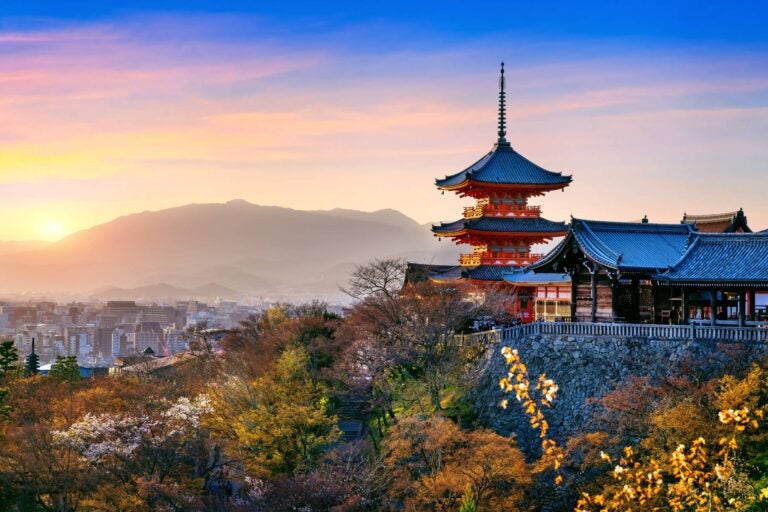
Cherry blossoms in spring and fiery maple leaves in autumn turn the city into something close to a living painting. Traditions like tea ceremonies and geisha districts have survived here in a way they haven’t elsewhere.
The catch is that everyone knows this. Kyoto’s most famous sites — Kiyomizu-dera, Kinkaku-ji, and Arashiyama especially — get seriously crowded during peak cherry blossom and autumn foliage weeks.
Chie is honest about it: Kyoto can feel overrated because of overtourism. Crowds at Kiyomizu-dera, Kinkaku-ji, and Arashiyama often take away from the serenity visitors expect. My recommendation instead is Kanazawa. It has beautifully preserved samurai and geisha districts, the Kenroku-en Garden, and a thriving contemporary art scene — the same cultural depth as Kyoto, with far fewer crowds.
Visit early morning if you can. Or treat Kanazawa as a genuine alternative, not a consolation prize. Temple etiquette matters more here than almost anywhere else in Japan.
Our guide to things not to do in Japan is worth a read before you visit a working shrine, not just a tourist attraction.
Osaka
Osaka is Japan’s kitchen and its most vibrant street city outside Tokyo. It’s famous for takoyaki, okonomiyaki, and kushikatsu.
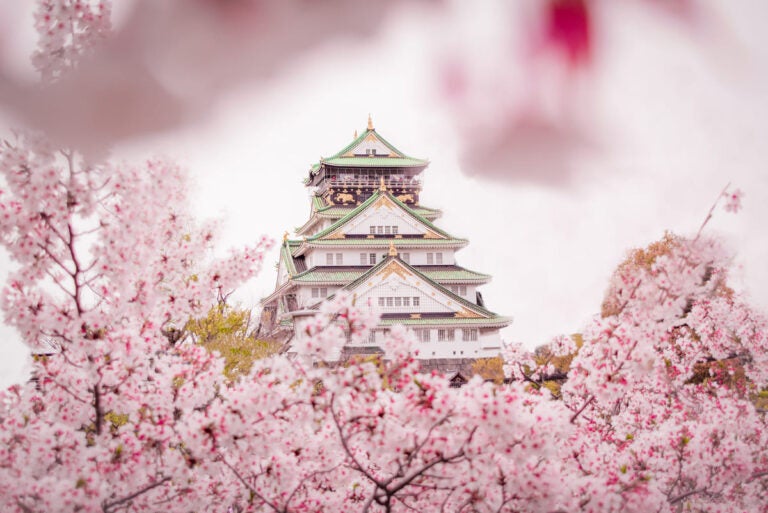
Tip: Osaka has a rougher reputation in specific districts — Nishinari and Shinsekai in particular. Central areas like Shinsaibashi are safe but can have late-night motorbike noise near busy intersections. Choose your hotel location with this in mind.
The Dotonbori district earns its neon-lit reputation. It’s genuinely one of the best places in the country for street food and a late night out.
If your dates line up, the city also hosts the Kishiwada Danjiri Festival every September — one of Japan’s most thrilling and historic festivals.
As Masumi tells it: Osaka has the most vibrant street life and café culture you’ll find outside Tokyo. The neon-lit Dotonbori district is a must-visit, with streets packed with takoyaki, okonomiyaki, kushikatsu, and ramen. The giant outdoor billboards make an iconic backdrop for photos too.
Mount Fuji
Mount Fuji is Japan’s most iconic landmark. You don’t need to climb it to make the trip worth it.

The snow-capped peak is best seen from nearby lakes or observation towers. Hakone and the Fuji Five Lakes region both offer excellent views without the multi-hour hike.
Both make an easy day trip from Tokyo. You don’t need a whole extra leg of your itinerary for it.
The wider Fuji-Hakone-Izu region is a UNESCO cultural site, recognised specifically for its significance in Japanese art and culture — not just its scenery. Worth knowing if you want more than a photo stop.
Hiroshima and Miyajima
Hiroshima is one of the most moving stops in Japan. The Peace Memorial Park and museum document the atomic bombing directly, without softening it.
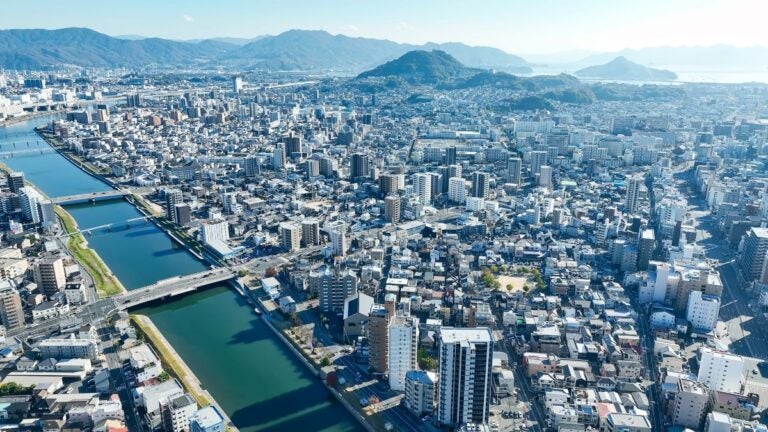
Most visitors leave with a different sense of the city than they arrived with.
A short ferry ride from central Hiroshima takes you to Miyajima Island, home to the famous floating torii gate. It’s one of the most photographed sights in the country, and worth the trip on its own.
If you try okonomiyaki here, know that Hiroshima’s version is genuinely different from Osaka’s. Locals consider it a distinct regional dish, not a variation — worth trying both if your trip covers both cities.
Nara Park
Nara Park is open green space filled with hundreds of freely roaming deer, many of which bow to visitors for food. It’s a strange, genuinely charming stop.
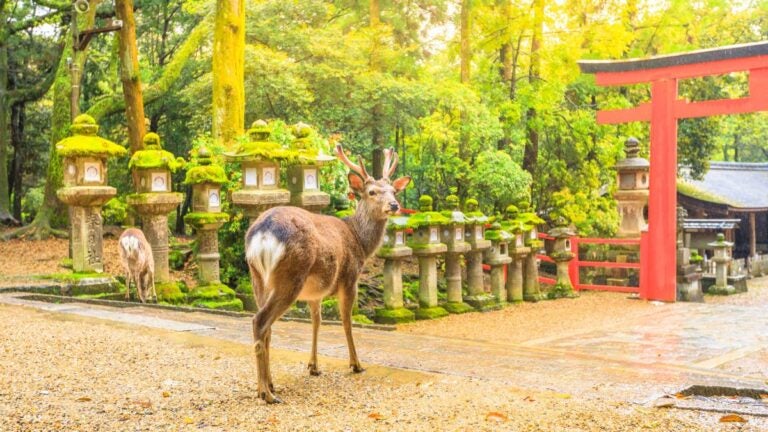
It’s also an easy one. A short train ride from both Kyoto and Osaka makes it one of the simplest side trips in the country to add on.
Tip: Nara’s deer are wild animals, not pets. Feed them only the official “shika senbei” crackers sold on-site, and avoid sudden movements around them.
Kanazawa
Kanazawa is the clearest answer to “what if I want Kyoto without the crowds.”
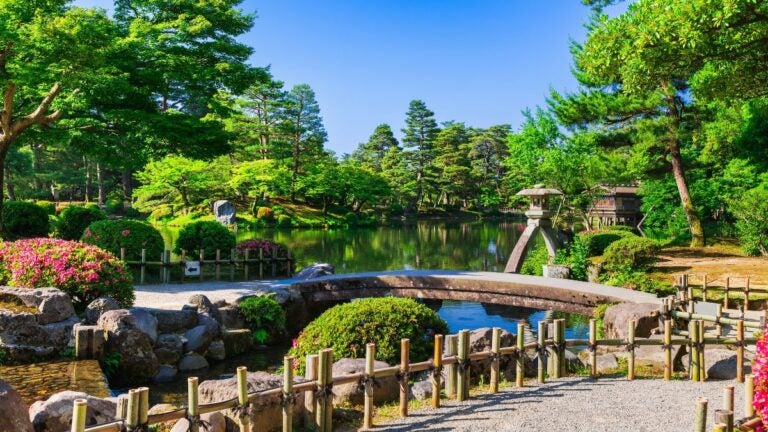
It has beautifully preserved samurai and geisha districts, and the Kenroku-en Garden — considered one of Japan’s three great gardens. It also has a genuinely active contemporary art scene, not just historic architecture.
The historic Higashi Chaya geisha district is worth a full afternoon on its own. Unlike Kyoto’s equivalent, you won’t be sharing the street with a tour group every few metres.
Chie again: It’s the cultural depth of Kyoto without the crowds — the samurai and geisha districts are beautifully preserved, and the contemporary art scene here has really grown.
Takayama
Takayama sits in the Japanese Alps and feels genuinely different from the rest of the country. It’s less a city you visit and more a place you step back into.
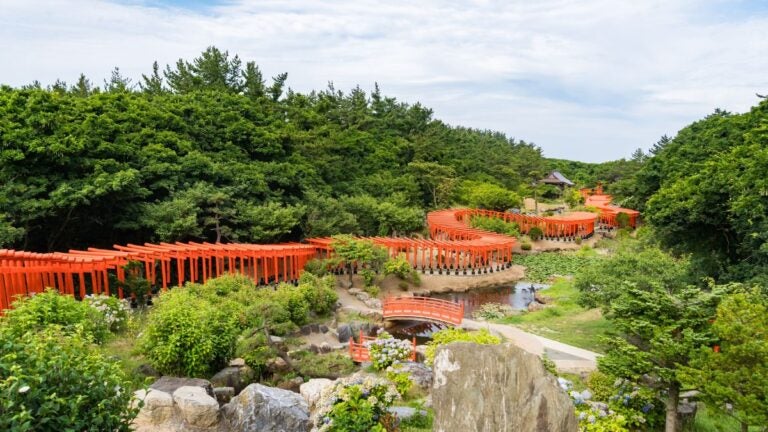
Its Edo-period merchant streets, traditional sake breweries, and the seasonal Takayama Festival floats have kept the atmosphere of centuries past largely intact.
Walking through the Sanmachi streets is the closest most travellers get to old Japan without a museum in between.
Masumi describes it well: Takayama, up in the Japanese Alps, feels like a time capsule. Between the Edo-period merchant streets, the traditional sake breweries, and the seasonal Takayama Festival floats, the atmosphere of centuries past is still very much alive.
Nagoya
Nagoya is often overlooked by international travellers, largely because it doesn’t have one single landmark to build a trip around.
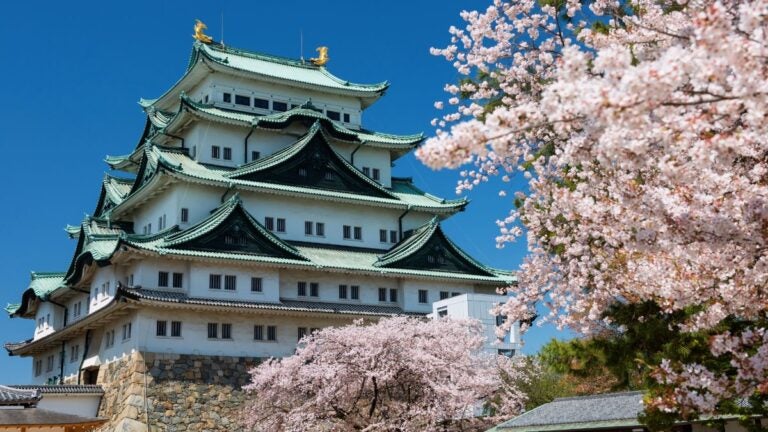
What it does have is Nagoya Castle, the Tokugawa Art Museum, and Ghibli Park. Its food culture rates highly with locals even if outsiders rarely hear about it — miso katsu and hitsumabushi are both worth going out of your way for.
Chie sums it up: International travellers often overlook Nagoya, but locals know its charm well.
Best places to visit in Japan for first-time visitors
If this is your first trip and time is limited, prioritise Tokyo, Kyoto, and Osaka. They cover the essential range of what Japan offers within easy Shinkansen reach of each other.
- Short trip (5-7 days): Tokyo and Kyoto only. Add Osaka as a day trip from Kyoto if time allows.
- Standard trip (10-14 days): Tokyo, Kyoto, Osaka, plus one side trip — Hakone for Mount Fuji views, or Nara for the deer park.
- Extended trip (2+ weeks): Add Hiroshima, Kanazawa, or Takayama for deeper cultural range beyond the classic route.
Before you go: our guide to what to pack for Japan covers the essentials.
The best travel apps for Japan will make navigating between these cities far easier.
Budgeting for the trip? See our full breakdown of how much a trip to Japan costs. Travelling alone? Our guide to solo travel in Japan covers this exact route with a solo traveller’s pacing in mind.
For a full step-by-step planning framework, see our guide on how to plan a trip to Japan.
Best time to visit each place in Japan
Timing varies by destination. Kyoto and Tokyo are best in spring or autumn. Kanazawa and Takayama are excellent in autumn for foliage and quieter crowds. Hokkaido-bound trips (not covered here) are best planned for winter or summer specifically.
For the full seasonal breakdown, see our guide to the best time to visit Japan.
Once you’re moving between cities day to day, an IC tourist card like a Suica or Pasmo will save you from buying a paper ticket at every station.
Stay connected across Japan with Holafly
Moving between cities, navigating train transfers, and translating menus all get easier with reliable data. A Holafly eSIM for Japan gives you unlimited data from the moment you land.
Holafly offers travel eSIMs for 200+ destinations with unlimited data and 24/7 support. Extending your trip? Holafly Plans covers 170+ destinations on one eSIM.
Every eSIM includes Always On — 1 GB backup data free, for checking a train time or finding your hotel in an unfamiliar neighbourhood.

Navigate the world with ease
Use map apps as much as you wish with unlimited data eSIMs from Holafly.
Plans that may interest you

I am a Liverpool-based SEO content specialist with years of experience crafting content that connects. I combine my love for clear communication with a passion for travel and languages (currently diving into Japanese!). At Holafly, I'm here to help you understand everything about staying connected abroad, turning technical jargon into straightforward advice you can actually use.