Language


 No results found
Transport in Greece: How to get around in 2026
A practical guide to getting around Greece, with local insights on ferries, metros, buses, flights, and car rentals.

Greece blends island-hopping ferries with modern metro systems, creating transport experiences you won’t find elsewhere. Understanding how transportation in Greece works helps you move efficiently, and staying connected with solutions like Holafly ensures you can navigate seamlessly from Athens to even the most remote islands.
In this guide, I’ll cover every major transport option, with insights from Katarina Mirkovic Arsic, a Holafly eSIM writer who lived in Greece for several years.
Athens metro and urban transport
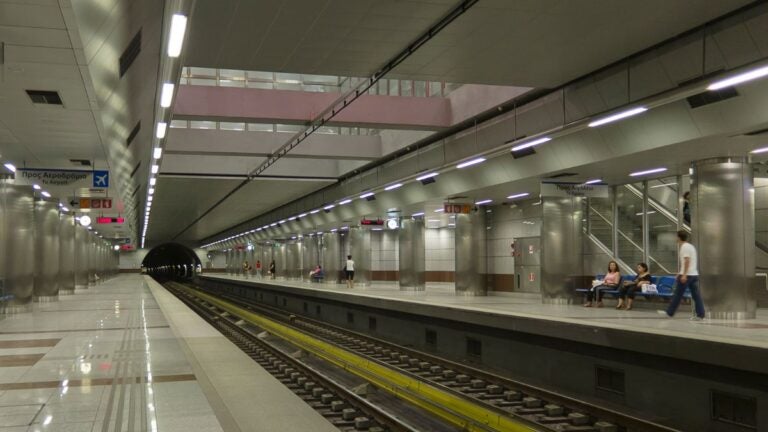
Athens uses a simple three-line metro system across the city. Line 1 runs from the northern suburbs to Piraeus. Line 2 serves central areas, including Omonia, Syntagma, and the Acropolis. Line 3 connects the port with downtown Athens and the airport.
Metro services run from 5:00 AM to midnight, with Lines 2 and 3 operating until 2:00 AM on Fridays and Saturdays. Katarina says that a standard 90-minute ticket will cost €1.40 and be valid on the metro, buses, trams, and trolleybuses (excluding airport routes).
The airport is served by Line 3, with trains every 30–45 minutes. A one-way airport ticket costs €10, and a return ticket costs €18. Taxis are plentiful (Kavala Taxi is a common local provider), with fixed airport fares of €45 by day and over €60 at night. Alternatively, you can try ride-hailing apps, such as Beat and Uber.
Buses (although “unreliable and complicated” according to Katarina) fill gaps beyond the metro. At the same time, the coastal tram connects central Athens with seaside suburbs.
Ferries: Island-hopping across Greece
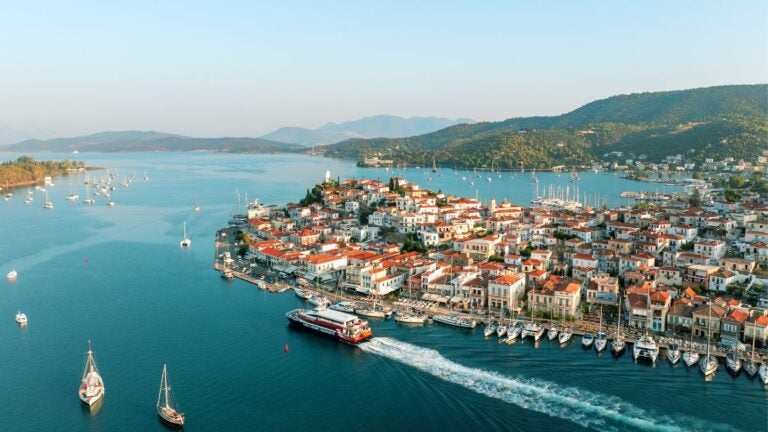
Ferries are the main way people travel between Greek islands. Most routes depart from Piraeus, with regular links to the Cyclades, the Dodecanese, and Crete. In summer, busy islands like Santorini, Mykonos, Naxos, and Paros have multiple sailings each day.
Katarina points out that several operators shape ferry travel across Greece. Blue Star Ferries runs conventional ferries that prioritize comfort and stability. SeaJets provides high-speed connections that reduce travel time but come at a higher cost and can be rough when conditions are windy. Minoan Lines primarily serves Crete, often with overnight services and cabins.
Choosing between ferry types comes down to time and budget, Katarina says.
Conventional ferries are more affordable and make the journey part of the experience, with open decks and cafés to enjoy along the way. High-speed ferries are usually much faster but can cost more. Travel times to Crete from Piraeus (a popular longer route) fall between seven and twelve hours.
Katarina also explained that on many islands, short hops are often handled by local water taxis and day boats rather than large ferries.
Insider tip: For the best balance of weather and schedules, May, June, and early July offer smoother seas and fewer crowds than August.
Domestic flights within Greece
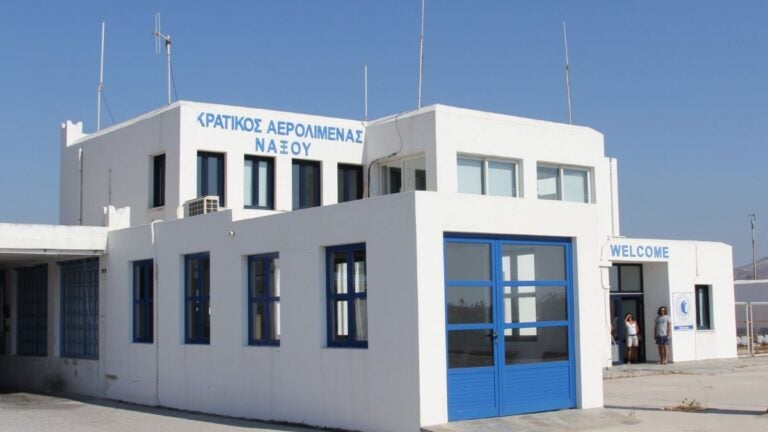
Domestic flights are the fastest way to reach distant islands.
The main airlines flying within Greece are Aegean Airlines, Olympic Air, and Sky Express. Aegean and Olympic Air include checked bags; Sky Express charges baggage fees. Frequent connections link Athens with Santorini, Mykonos, Rhodes, and Crete, as well as other islands such as Paros, Naxos, Corfu, and Kos.
When does flying make the most sense?
During her time in Greece, Katarina noticed that travelers prone to seasickness often prefer flights, as do those connecting from an international arrival at Athens Airport. Ferries, on the other hand, are better suited for nearby island hops, those with tighter budgets, or routes without airports.
When it comes to cost, one-way flights on popular routes often fall between €50 and €150 if booked early, while last-minute fares can climb well above €150. Katarina also advises booking two to three months in advance, especially in summer and on routes to smaller islands where seats sell out quickly.
KTEL buses: Mainland intercity travel
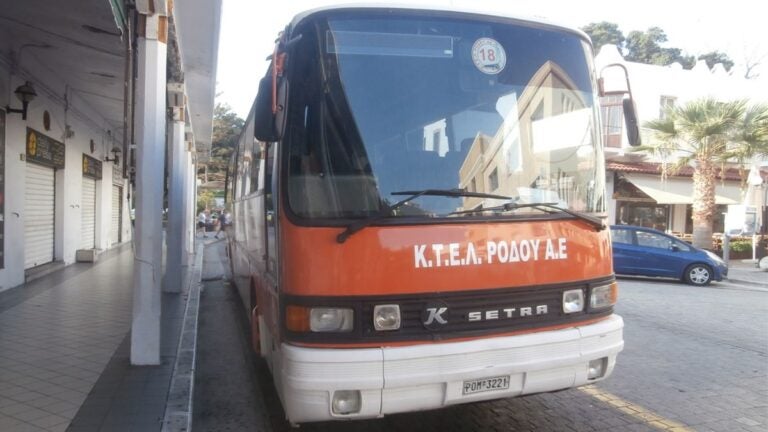
KTEL buses make up Greece’s national intercity network and are often the easiest way to travel across the mainland. They connect Athens and Thessaloniki with major towns, regional centers, and many smaller villages that trains don’t serve.
Popular routes include Athens to Delphi, with multiple daily departures taking about three hours, and Athens to Meteora, which usually takes 4.5 to five hours. Buses also run between Athens and Thessaloniki.
Katarina tells me you can buy KTEL tickets at station counters on the day of travel, but many operators also sell tickets online, allowing you to choose seats. In peak summer months, book ahead, especially if you choose busy routes.
KTEL buses are modern, air-conditioned, and comfortable, with luggage storage beneath the seats. What’s more, they are generally punctual, with rest stops on longer journeys.
Trains in Greece
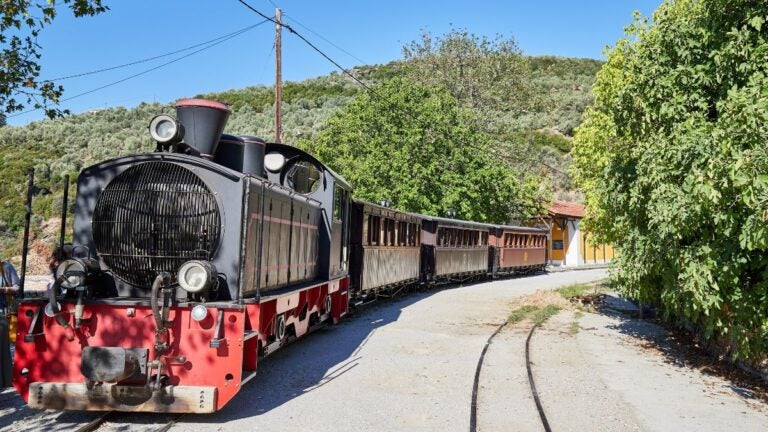
Greece’s rail network is limited but useful on key mainland routes.
The leading operator, Hellenic Train, runs intercity services, with the Athens-Thessaloniki line as its flagship route. This service is fast and reliable, with the quickest trains covering the distance in just over four hours and running several times a day.
Trains on this route are modern and air-conditioned, with two travel classes. Second class offers comfortable seating and access to a café car. First class provides more space, a quieter cabin, and light refreshments on high-speed services.
Tickets can be booked online through Hellenic Train’s website or app, with e-tickets sent directly to your smartphone. Buying in advance helps secure lower fares, which typically range from about €27 to €45 in second class, Katarina notes.
Renting cars, scooters, and ATVs

Cars work best for places like Crete, where beaches, villages, and archaeological sites are spread out. Non-EU drivers must carry an International Driving Permit (IDP) in addition to their home license.
Keep in mind that driving conditions vary widely.
Highways such as the Athens to Thessaloniki route are modern toll roads. Mountain and island roads are often narrow, steep, and winding, with limited visibility. Katarina recommends getting “comprehensive insurance coverage”.
In turn, scooters and ATVs are popular on islands for short trips and easy parking. Scooters over 50cc require an A1 motorcycle license or higher. ATVs require a car license. Helmets are legally required, as these vehicles are less stable on steep or gravel roads.
What’s driving like in Greece? Katarina notes, “It can feel aggressive, with frequent overtaking and limited patience. Luckily, on larger islands like Crete, Rhodes, and Corfu, local buses and taxis offer a safer alternative if you prefer not to drive.”
Stay connected while exploring Greece
Getting around Greece depends on real-time information. Without it, even simple trips can become slow and confusing.
This is where a Holafly Greece eSIM comes in handy. It offers unlimited data across Greece, activates instantly upon arrival, and spares you from buying a local physical Greece SIM and international roaming charges. Frequent travelers visiting Greece, or those staying longer, can also check Holafly Plans, a pay-monthly global eSIM with hotspot support and a local number for receiving SMS.

Peace of mind before you fly
Set up your eSIM before travel and get unlimited data on arrival.
With steady coverage, you can use apps like Ferryhopper or Let’s Ferry to check ferry times, book Beat or Uber rides in Athens, navigate with Google Maps or Waze while driving, translate Greek signage on the go, and access metro and transport apps anywhere in the country.
Visit the Holafly Shop to begin.
Plans that may interest you


I am a Liverpool-based SEO content specialist with years of experience crafting content that connects. I combine my love for clear communication with a passion for travel and languages (currently diving into Japanese!). At Holafly, I'm here to help you understand everything about staying connected abroad, turning technical jargon into straightforward advice you can actually use.