







 Language


 No results found
10 Unforgettable things to do in Greece in 2026
Looking for the best things to do in Greece? Explore Athens, the Greek islands, Nafplio, Olympia, ancient ruins, beaches, and practical travel tips.

Here’s a curated list of 10 unforgettable places and experiences to enhance your trip to Greece in 2026, including the Acropolis, Meteora, Mykonos, Nafplio, and more. It includes what to prioritise and what’s worth the detour. From ancient sites to islands, towns, and meals you’ll think about long after you’re home, these are 10 things that make Greece unforgettable, not just Instagrammable.
One or two sunset posts won’t hurt, so staying connected with a travel eSIM makes getting around, booking on the go, and sharing the moment effortless.

Peace of mind before you fly
Set up your eSIM before travel and get unlimited data on arrival.
1. Explore the ancient Acropolis and Athens
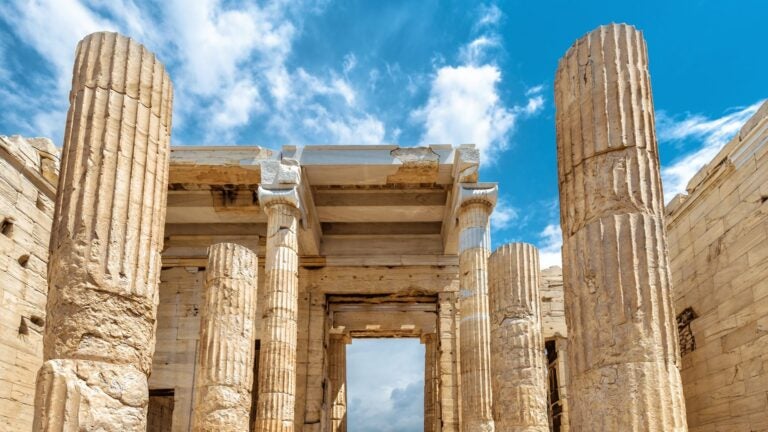
Greece is full of rich history and remnants of ancient ruins and Greek civilisation, so it only makes sense to start this list with the Acropolis in Athens. This is one of the best historical sites in the world and one of the best things to do in Greece.
You’ll find key tourist sites like:
• The Parthenon: the iconic and ancient temple sitting on the Acropolis hill
• The Acropolis Museum: We advise visiting after the Acropolis so the artefacts actually make sense. Plan the Acropolis Museum for late afternoon. It’s air-conditioned and a perfect cool-down after climbing the hill.
• Ancient Agora: The lively city center where Socrates is said to have walked
- How to get there: Metro to Acropoli or Monastiraki stations
- Ticket prices: ~$35 USD combo ticket (multiple sites)
- Best time to visit: Enter early morning from the south slope if possible. It’s less crowded and gives you a gradual build-up instead of an immediate rush. (Athens can get incredibly hot in July)
2. Watch the sunset in Santorini
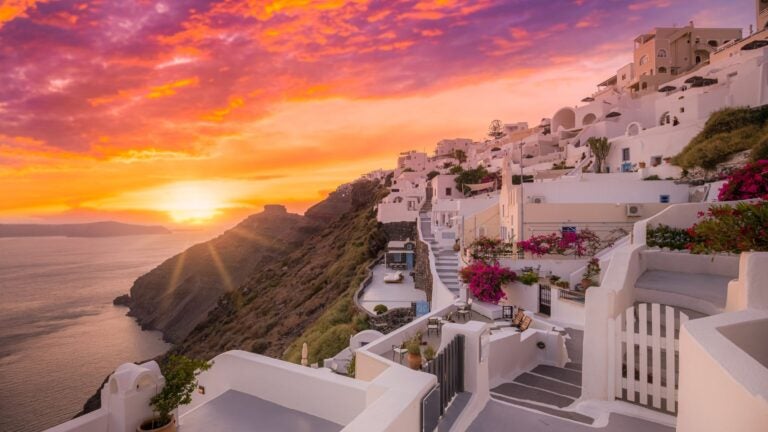
Santorini is more famously known as one of the most romantic places in the world to propose in 2026. Oía Village’s cobbled streets and whitewashed buildings against a vibrant blue backdrop offer the most scenic caldera views. Most people leave the moment the sun dips, but the soft light afterwards is just as striking.
If you want a less-crowded and more peaceful viewpoint, walk a few minutes east or west of the castle ruins for the same sunset without the shoulder-to-shoulder crowds.
Visit the island’s most popular wineries: Santo Wines, Domaine Signals, Argyros Estate and Gaia Winery. Book a winery at sunset instead of fighting for space; many offer caldera views with far less chaos.
- How to get there: Ferry from Athens or a short 45-minute flight
- Best time to visit: May to June or September to October for more pleasant weather and fewer tourist crowds
3. Visit the monasteries of Meteora
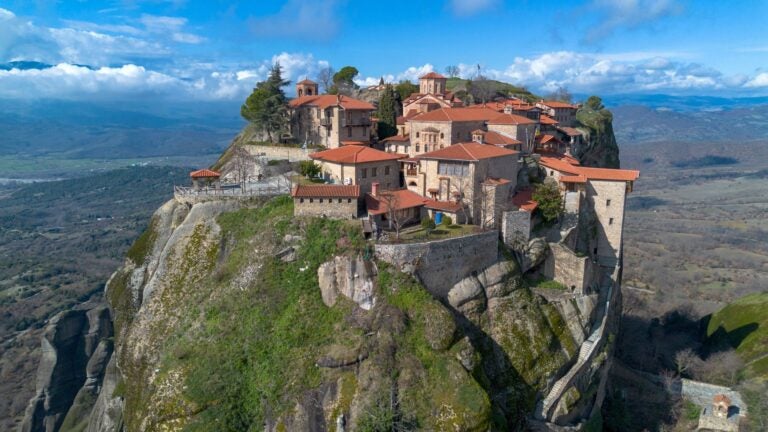
Meteora literally means “suspended in the air”, referring to its 60-million-year-old towering rock formations. Monks built 24 monasteries on top of these pillars, a feat which is still marvelled at today. Besides Mt. Athos, Meteora is considered to be one of the holiest places in Orthodox Christianity.
It is not a place for those who have trouble walking or navigating challenging terrain. Plan hiking routes in advance. Some of the best viewpoints are only accessible on foot and aren’t clearly signposted.
Only six monasteries remain active in this UNESCO World Heritage site, and they’re open to tourists to enjoy. You don’t need to see all six monasteries. Two or three are enough to appreciate the scale without monastery fatigue.
- How to get there: 4-hour drive from Athens or train to Kalambaka
- Entry fee: ~$4 per monastery. Carry cash, as many entry fees are cash only.
- Best time to visit: Sunrise or sunset
- Important: Ensure you comply with the dress code (Long skirts for women and covered knees/shoulders for everyone. Wrap skirts are often provided, but bringing your own is easier.)
4. Island-hop through the Greek islands
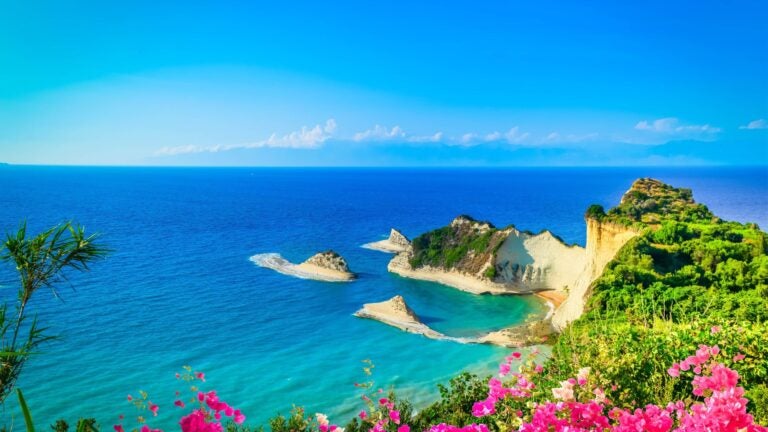
You can also live out your island dreams in Greece; most of them are short ferry rides away from each other. Some of the best Greek islands to visit are:
• Mykonos: known for parties and vibrant nightlife
• Ios: a party island with the best sandy beaches
• Corfu: Charming fishing villages and laid-back nightlife
• Santorini: Iconic whitewashed villages and breathtaking sunsets
Pair one high-energy island (Mykonos or Ios) with one slower base (Naxos, Paros, or Corfu). Avoid stacking multiple “photo-heavy” islands back-to-back — they blur together fast.
- Popular ferry companies: Blue Star, SeaJets
- Booking apps: Ferryhopper, Let’s Ferry
- Top tips: Not all ports are near towns. Some arrivals mean a 30–40 minute transfer you didn’t plan for.
5. Discover Delphi and the Oracle
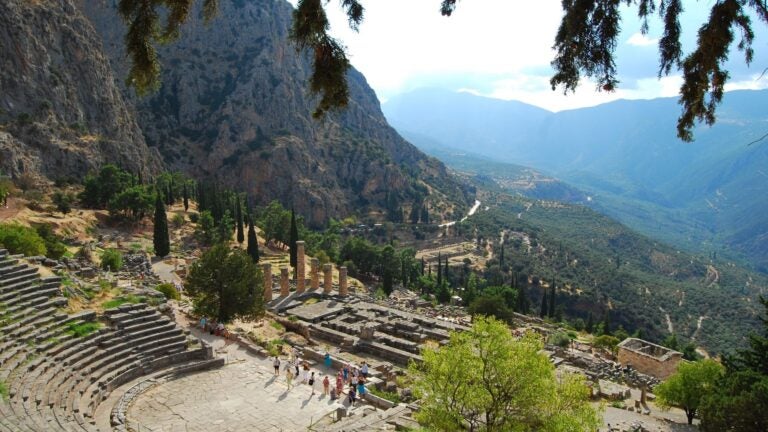
Any Greek mythology, ancient history, or Percy Jackson fans? Delphi and the Oracle is an Ancient Greek sanctuary, considered the center of the world. The ruins sit on the slopes of Mount Parnassus, overlooking a dramatic valley that instantly explains why the site felt sacred to the ancient Greeks.
Delphi is not a half-day trip if you want it to stick. Rushing in and out misses the atmosphere entirely. The climb is steady and exposed. The site is built uphill; pace yourself and bring water.
You can visit the Temple of Apollo, an important archaeological site on Mount Parnassus. There’s a nearby Delphi Archaeological Museum to explore treasures found on the site.
- How to get there: 3-hour drive from Athens
- Entry fee: ~$13 (including the museum)
- Best time to visit: Spring to fall for pleasant weather and less rush
6. Relax on Crete’s stunning beaches
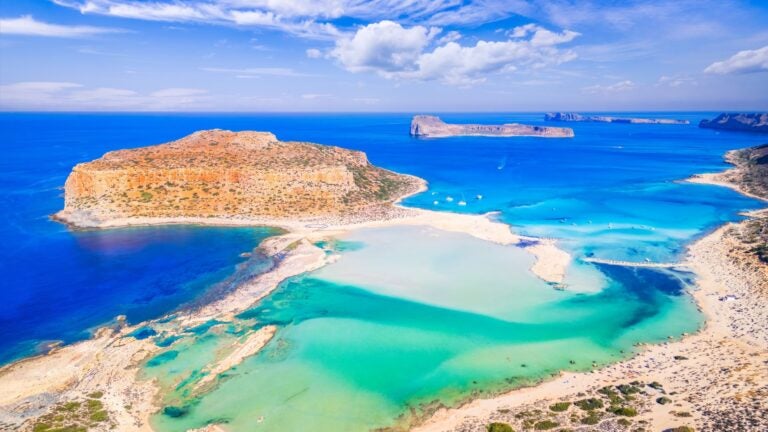
Crete is Greece’s largest island and one of the best places to visit if you’re thinking of fun things to do in Greece. It doesn’t behave like other Greek islands. It’s vast, diverse, and impossible to “do” quickly.
Crete is too big for hopping. Pick west or east — not both. The food scene is great here, and you’ll find the best organic cuisines, including local cheese, olive oil, honey, goat, rabbit, and smoked pork dishes.
The beaches steal the spotlight in Crete. Elafonissi, Balos Lagoon, and Vai Beach are the most popular beaches to visit. Elafonissi is known for its pink sands, Balos Lagoon for its vibrant turquoise waters, and Vai Beach for its palm trees.
- How to get there: A 50-minute flight from Athens or a ferry (7-9 hours)
- Must-sees: Palace of Knossos, Samaria Gorge
- Best time: September (warm, fewer crowds)
- Top tips: Base yourself near Chania for beaches, food, and scenery without long drives.
7. Taste authentic Greek cuisine
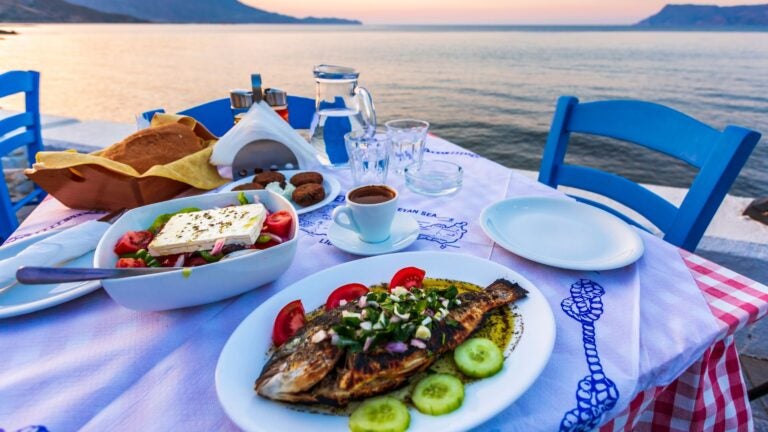
Speaking of authentic Greek cuisine, one of the best things to do in Greece is enjoy the incredible food. The main ingredients of any Greek recipe include olive oil, fresh vegetables and seafood, and herbs (oregano, mint and dill).
Some popular Greek food dishes include Moussaka, Souvlaki, Gyros, Horiatiki (Greek salad), Tzatziki, grilled octopus/fish, Dolmades (stuffed vine leaves), Fava dip, Spanakopita, and sweets like Baklava and Loukoumades.
- Must-try dishes: Moussaka, Souvlaki, Tzatziki, and Baklava
- Where to eat: Try to stay away from tourist areas and eat at local tavernas
- Cost: ~$10-20 per meal
- Experience: Athens cooking class (~$60-80)
How to know if you are in the right place:
- If locals are eating late (after 9 PM), you’re in the right place.
- Avoid menus with photos. It’s a reliable red flag.
- In family-owned tavernas, it’s common for the owner to sit down at your table and talk through the meal with you. Trust their recommendations, ask what’s best that day, and let them guide the meal.
8. Experience Mykonos beaches and nightlife
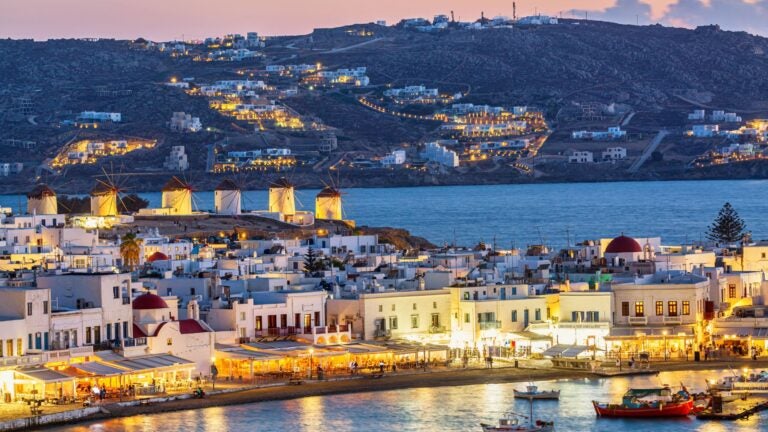
If Mykonos is your only stop, it doesn’t mean you won’t be able to enjoy the best places to see in Greece. Mykonos works best when you use it selectively: mornings for exploring, afternoons for beaches, nights only if you want them.
Treated this way, it becomes far more than a party stop. A classic Mykonos itinerary consists of visiting Little Venice and the windmills in Mykonos’ old town. You could also take a day-trip to the nearby Delos island.
Beaches to choose based on mood:
- Psarou: Polished, upscale, and calm if you go early
- Agios Sostis: Unorganised, local, and one of the island’s best swims
- Fokos Beach: Wild, windy, and dramatic — bring your own everything!
- Paradise Beach: Lively, social, and loud by afternoon
Use a local Greece SIM card or an unlimited data travel eSIM to coordinate your trip and ensure everything happens on schedule.
- How to get there: Ferry or flight from Athens
- Budget: One of Greece’s most expensive islands
- Insider information: Mykonos is quiet before 11 AM. This is when it feels like a completely different island.
9. Wander through Nafplio’s old town
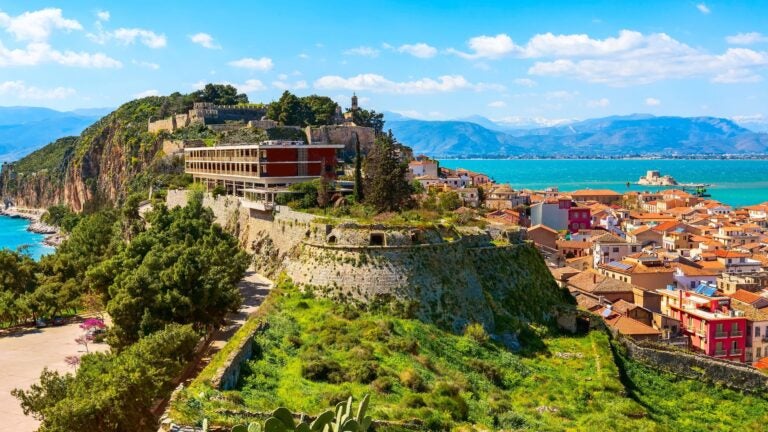
Nafplio was once Greece’s first capital. Now, it’s considered the most beautiful town on the mainland with its history and seaside charm. The heart lies in its old town with cobbled streets and pastel buildings.
You can also visit the Palamidi Fortress, which towers above the town and is a Venetian stronghold. From here, you’ll be able to see panoramic views over Nafplio and the Argolic Gulf. While you’ll have to climb 999 steps, the views are definitely worth it.
- How to approach Nafplio properly: Arrive in the afternoon. Do nothing until evening. Walk after dinner. Spend the night. Leave late the next morning.
- How to get there: Two hours by bus/car from Athens
- Ticket price for the Palamidi Fortress: ~$25
Insider cues:
- If no one brings the bill, you’re welcome to stay. That’s intentional.
- If the owner asks where you’re from but doesn’t change the menu, you’re in a good place.
- If dinner starts after 9 PM and no one is rushing, you’ve hit Nafplio’s real rhythm.
10. Visit Olympia, Birthplace of the Olympics
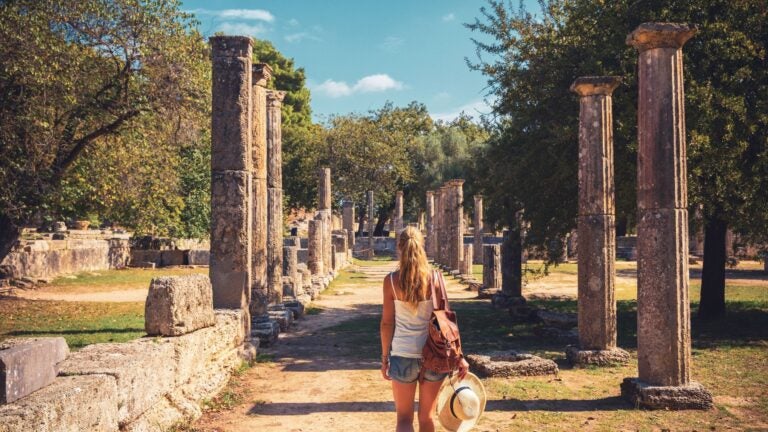
Few places in Greece are as historically powerful as Olympia. Olympia doesn’t try to impress you. It asks something quieter: attention. And if you give it that, it becomes one of the most grounding places in Greece.
It’s home to the original Olympic Games and one of the most important archaeological sites in the country. Walking through the ancient stadiums where athletes competed over 2,000 years ago.
How to experience Olympia properly:
- Walk the site slowly. Faster than an hour is too fast.
- Sit in the stadium. Don’t take photos immediately.
- Run the track only after you’ve stood still on it.
- Visit in the morning or late afternoon, when the light is soft, and voices are few.
Nearby, the ruins of the Temple of Zeus are definitely a must-visit. The Archaeological Museum of Olympia displays statues, artefacts, and sculptures that bring the history of the games to life.
- How to get there: Western Peloponnese (around 3 1/2 hours from Athens)
- Entry fee: ~$15
Stay connected in Greece with Holafly
Managing ferry schedules and finding your way through Greece’s old towns requires reliable mobile data. Plus, you’ll want to stay connected to send those Santorini sunset photos to family and friends.
Consider a Holafly eSIM for Greece as a stress-free way to stay connected. With unlimited data, instant activation, and no need to swap SIM cards, you can land in Greece and get online straightaway.
On the other hand, if Greece is only a stop on your Euro trip, Holafly also offers an eSIM for Europe, which includes Greece. Stay connected smoothly across borders without buying separate SIMs.

Connect to the fastest networks
International eSIMs, local networks. Enjoy the best of both worlds with Holafly.
Frequently Asked Questions about things to do in Greece
A well-rounded trip usually takes 7–10 days, allowing time for Athens, one or two islands, or a mix of mainland highlights. If you want slower travel or island hopping, two weeks is ideal.
Greece can suit a range of budgets. While popular islands like Santorini and Mykonos are pricier, many mainland towns and lesser-known islands are very affordable, especially for food and accommodation.
Both! The mainland offers ancient walls and ruins, charming towns, and fewer crowds, while the islands deliver iconic beaches and relaxed vibes. If time is limited, choose based on whether you prefer culture and history or beach-focused travel.
Greece has an extensive ferry network, especially in summer. With some planning (and mobile data for real-time schedules), island-hopping is straightforward and one of the highlights of visiting Greece.
The best months are May to June and September to October, when the weather is warm, crowds are smaller, and prices are lower. July and August are hot and lively, but also the busiest and most expensive.
Plans that may interest you


Born and raised in Queens, New York, I'm a Psychology graduate with a passion for writing that I've been nurturing since 2019. Over the years, I've enjoyed creating meaningful content across various niches, including sports, hospitality, and career development. At Holafly, I focus on crafting useful and inspiring pieces to make your adventures more effortless. One of the best perks of this role? Creating travel content always seems to inspire my next vacation destination!

