




 Language


 No results found
Top 13 best things to do in Bangkok: attractions, food, and experiences
The best things to do in Bangkok include temples, street food, markets, and river cruises. Discover top attractions, food, and travel tips.
The best things to do in Bangkok range from iconic temples and river cruises to street food, markets, and cultural shows. This guide covers the top things to do in Bangkok, organised by activity type, so you can quickly decide what to see, eat, and experience, especially if it’s your first visit.

An eSIM you can rely on
Join over 10 million Holafly customers and get connected with our trusted, global services.
The best things to do in Bangkok at a glance
If you’re short on time, this overview highlights the best things to do in Bangkok and who each activity suits the best.
| Activity | Category | Best for |
|---|---|---|
| Grand Palace & Wat Phra Kaew | Sightseeing | First-time visitors |
| Wat Pho (Reclining Buddha) | Sightseeing | Culture and history |
| Wat Arun | Sightseeing | Photography |
| Chao Phraya River boat | Sightseeing | Scenic transport |
| Thai massage | Cultural | Stretch and relaxation |
| Muay Thai experience | Cultural | Sports fans |
| Cabaret show | Cultural | Evening entertainment |
| Food tour | Food | First-time visitors |
| Cooking class | Food | Hands-on travellers |
| Night markets | Food | Street food lovers |
| Chatuchak Market | Shopping | Weekend visitors |
| ICONSIAM | Shopping | Modern Bangkok |
| Floating markets | Shopping | Day-trippers |
Sightseeing attractions — must-see places to visit in Bangkok
Bangkok’s sightseeing highlights focus heavily on temples, riverside landmarks, and historic areas. These attractions are especially popular with first-time visitors and are easy to combine in a single day using public transport or river boats.
Visit the Grand Palace and Wat Phra Kaew
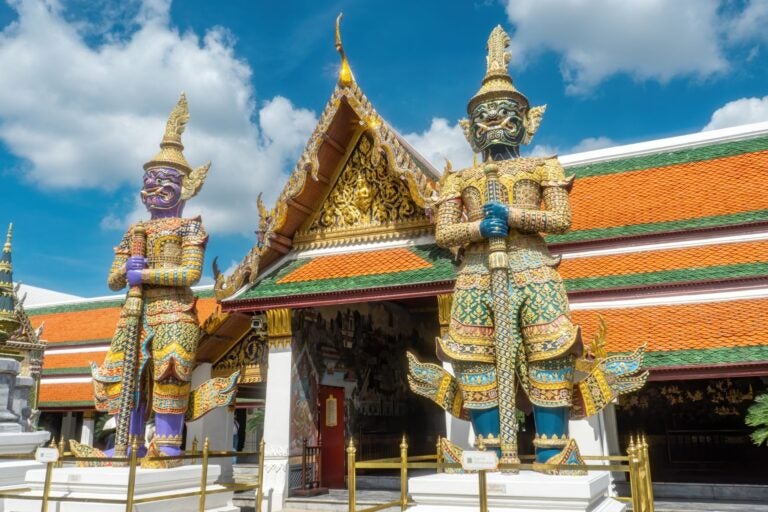
The Grand Palace is Bangkok’s most iconic landmark and a top highlight for first-time visitors. Inside the complex, Wat Phra Kaew houses the Emerald Buddha, Thailand’s most sacred religious image.
- Dress code: Covered shoulders and knees (no short skirts/shorts; respectful clothing required)
- Best for: First-time travellers and those interested in Thai history and culture
- Cost: Around THB 500
See the Reclining Buddha at Wat Pho
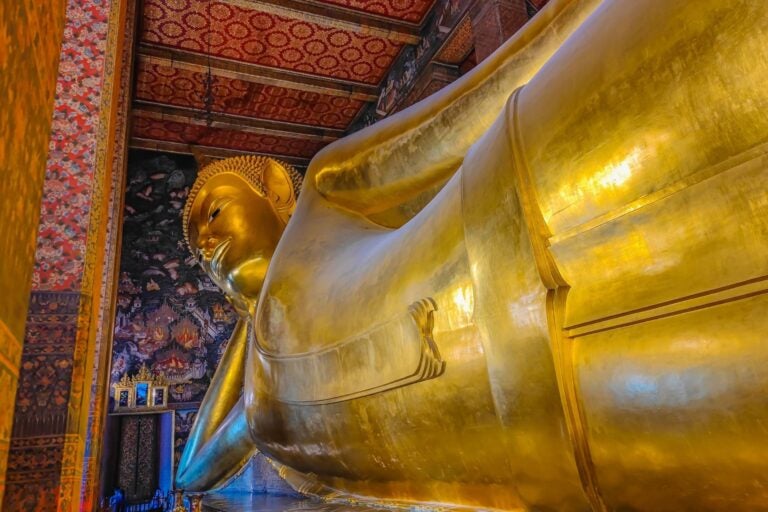
Wat Pho is famous for the massive Reclining Buddha and is one of the city’s oldest temple complexes. It’s also closely linked to traditional Thai massage training, which adds extra interest beyond the main statue.
- Dress code: Modest clothing (covered shoulders and knees recommended)
- Best for: Culture lovers and travellers who want a calmer temple stop
- Cost: Around THB 200
Explore Wat Arun and the riverside area
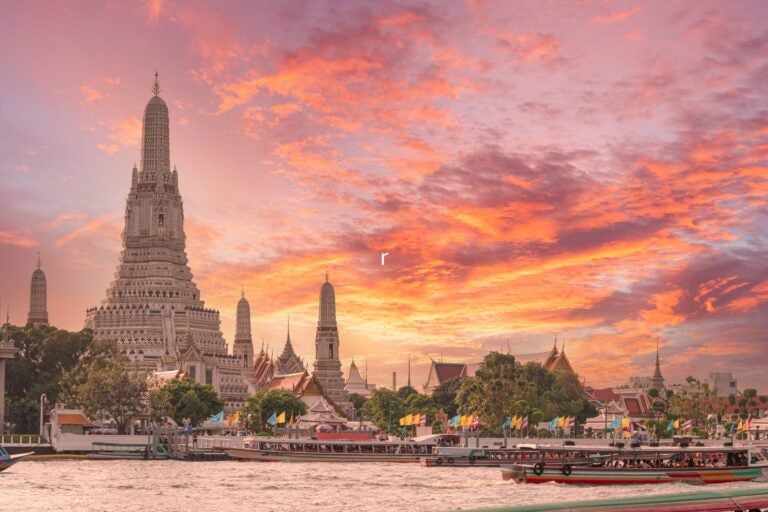
Wat Arun sits on the Chao Phraya River and is known for its distinctive spires covered in intricate ceramic details. It’s especially popular for photos, and the nearby riverside area is great for a relaxed stroll.
- Dress code: Modest clothing recommended (temple etiquette applies)
- Best for: Photographers and travellers who enjoy scenic landmarks
- Cost: Around THB 200
Take a Chao Phraya River boat ride
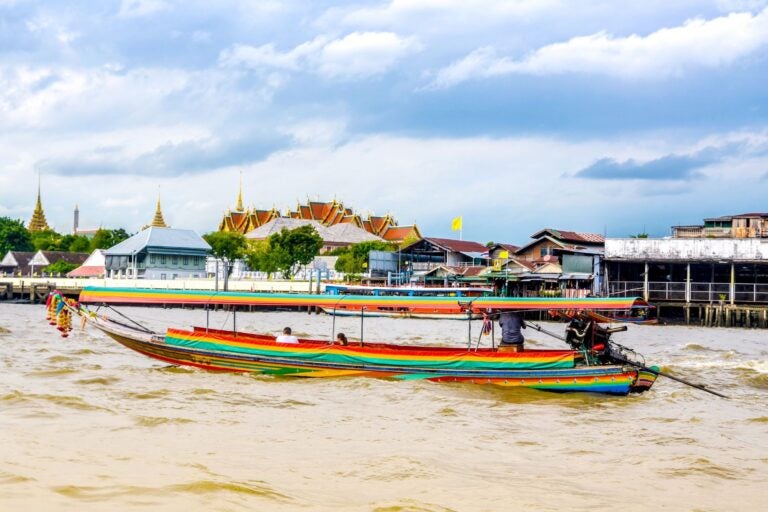
A boat ride on the Chao Phraya is both a practical way to get around and one of the easiest sightseeing experiences in Bangkok. You’ll pass major landmarks and avoid road traffic at the same time.
- Best time to visit: Daytime for views, late afternoon is also popular
- Best for: First-time visitors, budget travellers, and anyone short on time
- Cost: Budget-friendly fares (varies by boat/service type)
Cultural experiences — traditional things to do in Bangkok
If you want more than temples and sightseeing, Bangkok has classic cultural experiences that are easy to fit into an itinerary. These options work well as evening plans or rest-day activities between busy sightseeing days.
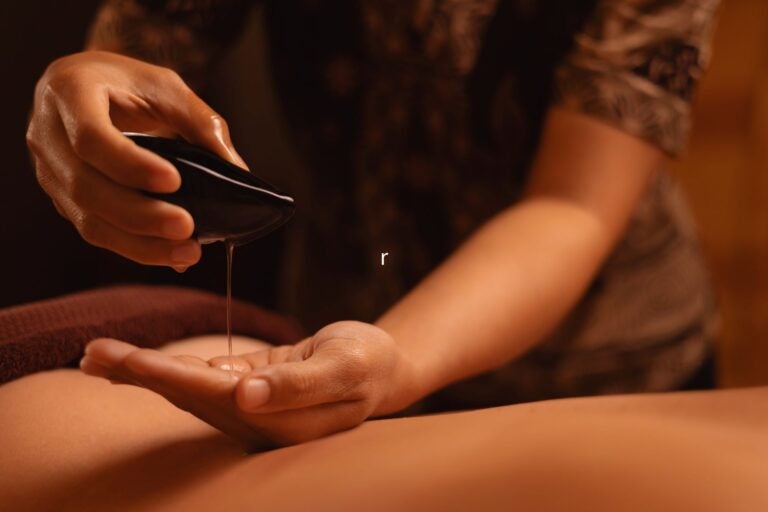
Try a traditional Thai massage
Traditional Thai massage is more stretching and pressure than oil-based spa massage, so it can feel intense if you’re not used to it.
- Where to go: Massage shops in central areas (Sukhumvit, Siam, Silom) are convenient; spa-style venues tend to be quieter and more polished.
- What to expect: You’ll usually change into provided clothing; sessions often focus on legs, back, shoulders, and stretching.
- Travel tip: If you prefer gentler pressure, say so at the start (and during the session). Avoid deep stretching if you have injuries.
Learn Muay Thai
Muay Thai classes in Bangkok often cater to beginners, with basic technique drills and light conditioning. Even one session can be a memorable cultural experience, especially if you’re curious about Thailand’s national sport.
- Where to try it: Look for gyms offering beginner or tourist-friendly classes in Sukhumvit or near BTS/MRT stations for easy access.
- What to expect: Warm-up, stance/footwork, pad work, and basic combinations; it’s usually high-energy but adjustable.
- Travel tip: Go earlier in your trip if you want to avoid being sore for sightseeing the next day.

Watch a cabaret show
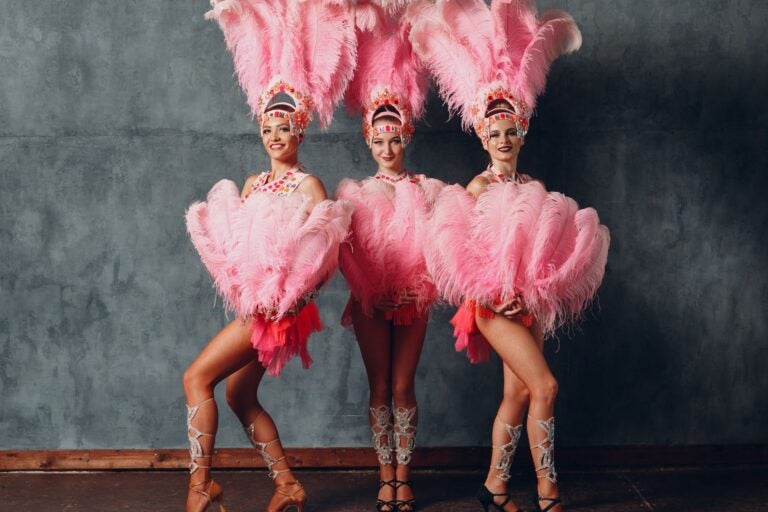
Cabaret shows are stage productions with music, choreography, and costume-heavy performances.
- Where to go: Major tourist areas usually have well-known venues; book ahead in high season.
- Travel tip: Bring small cash if you plan to take photos afterward, tipping is common when you take a photo with performers.
- Etiquette: Be respectful with language and photos, ask before filming, and avoid inappropriate comments or touching.
Food experiences — food-related things to do in Bangkok
Bangkok is one of the best cities in the world to eat well on any budget. Food experiences help you try more variety safely, especially if it’s your first time exploring Thai street food.
Sign up for a food tour
A food tour is one of the easiest ways to try a wide range of dishes without guessing what to order or where to go. Tours often include street food plus a few sit-down stops for balance.
- Where to find tours: Popular neighbourhoods include Chinatown (Yaowarat), Bang Rak, and Old Town areas.
- Must-try dishes to look for: Pad Thai, boat noodles, mango sticky rice, or preview a Thailand street food guide to find something that interests you.
- Food allergy tip: Tell the guide upfront about allergies (especially peanuts, seafood, and shellfish). Ask whether dishes use fish sauce, shrimp paste, or peanut-based sauces.
Join a cooking class
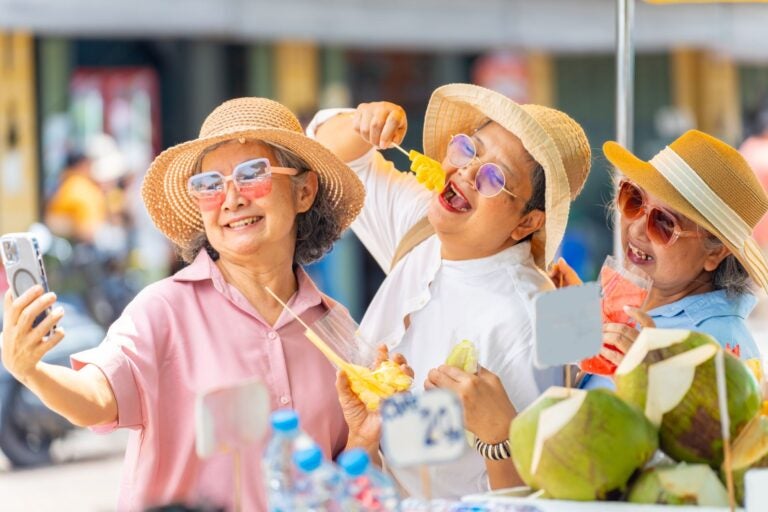
Cooking classes are great if you want a break from sightseeing while learning how Thai flavours work. Many include a market visit so you can recognise ingredients like lemongrass, galangal, and kaffir lime.
- Where to do it: Classes operate across the city; many run from central areas with hotel pick-up options.
- What you’ll likely cook: Curry (often green or red), tom yum, pad Thai, and a dessert like mango sticky rice.
- Food allergy tip: Confirm if the school can adjust recipes (peanuts, shellfish, and gluten can be tricky in Thai cooking).
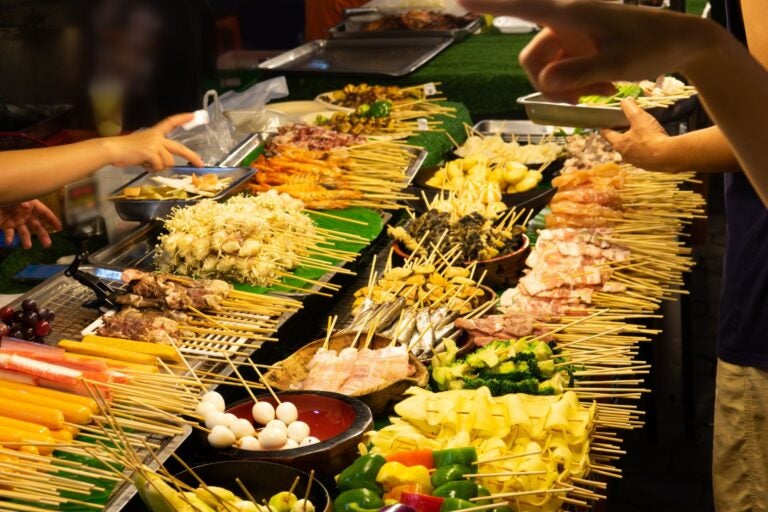
Visit night markets
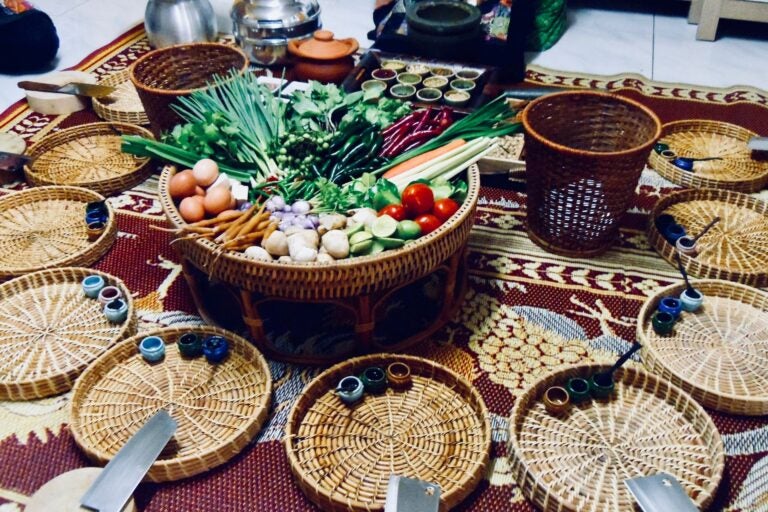
Night markets are ideal if your group has different tastes because you can sample small portions from multiple stalls. They’re also great for casual souvenir shopping alongside dinner.
- Where to go: Options vary by vibe, some are more local and food-heavy, others are trendier with curated stalls.
- What to eat: Grilled seafood, skewers, sausages, fresh fruit, Thai iced tea, and desserts.
- If you don’t love spice: Ask for “mai phet” (not spicy) and try milder favourites like pad Thai, grilled meats, and coconut-based desserts.
Markets and shopping — popular things to do in Bangkok
Bangkok is one of the best cities in Southeast Asia for shopping, whether you want local snacks, souvenirs, or air-conditioned malls. These spots are easy to fit around sightseeing and food stops, and they’re especially useful if you’re planning to buy gifts or travel essentials.
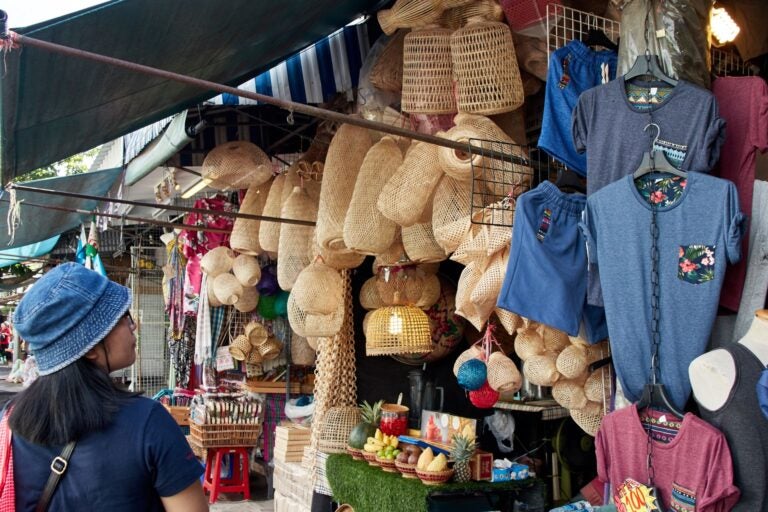
Chatuchak Weekend Market
Chatuchak is Bangkok’s most famous market, with thousands of stalls selling everything from clothing and crafts to homeware and street food. It’s huge, so it helps to go in with a rough plan or at least a category in mind.
- When to go: Arrive earlier to avoid peak heat and crowds.
- Shopping tip: Prices are often negotiable for non-food items, polite bargaining is normal (especially if you buy more than one item).
- Practical tip: Bring small cash, wear comfortable shoes, and take a screenshot of the nearest gate/exit so you can find your way back.
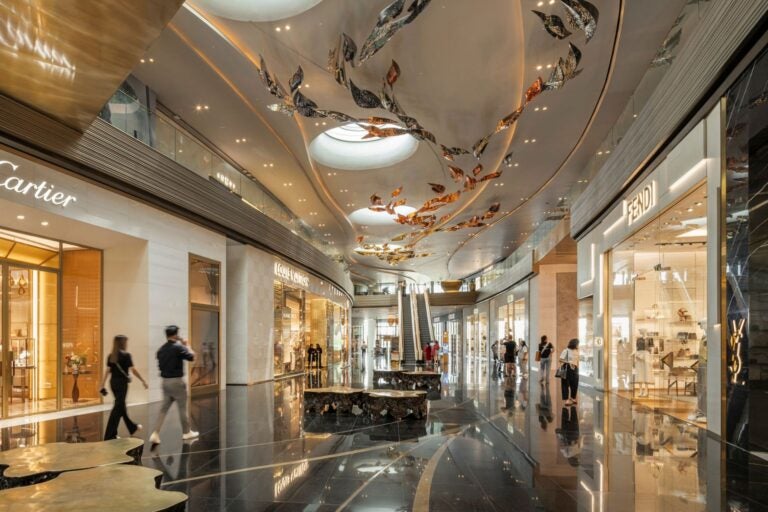
ICONSIAM
ICONSIAM is a modern riverside mall with high-end brands, big food courts, and its indoor floating-market-style zone is popular with visitors. It’s a good option if you want to shop in comfort, especially during hot afternoons or rainy days.
- Best for: Air-conditioned shopping, easy dining options, and a convenient all-in-one stop.
- Travel tip: Combine it with a river boat ride or an evening riverside walk to make it feel less like just a mall.
- Practical tip: Consider going on a weekday if you want a calmer experience.
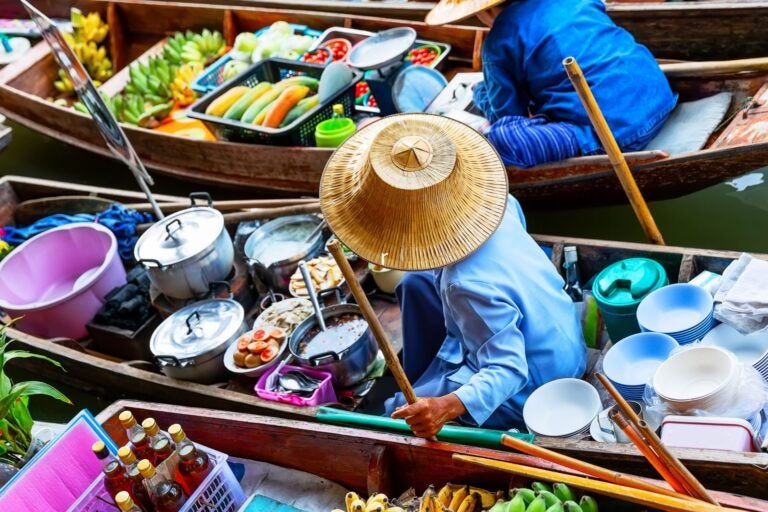
Floating markets near Bangkok
Floating markets are a classic Thailand experience, with vendors selling snacks and goods from boats or waterside stalls. Some are more tourist-focused while others feel more local, so choosing the right one depends on how far you’re willing to travel and what vibe you want.
- Travel tip: Many floating markets require a half-day trip outside central Bangkok, take this opportunity and plan day trips from Bangkok.
- What to expect: Street-food-style snacks, drinks, fruit, and souvenirs, often with photo-friendly canalside scenery.
- Planning tip: Go early in the morning for the best atmosphere and fresher food, later in the day can feel crowded.
How many days do you need to cover the main things to do in Bangkok?
Most travellers need 3–5 days to cover Bangkok’s highlights comfortably. If you’re unsure how to pace your trip, this guide on how many days in Bangkok breaks down realistic itineraries.
Practical tips for planning what to do in Bangkok
- Best time to visit: November–February is cooler and drier, while April is extremely hot but includes major events like the Songkran festival in Thailand
- Getting around: BTS, MRT, boats, and Grab are easiest
- Temple etiquette: Dress modestly and remove shoes when entering the temple
- Packing: Based on the guide on what to pack for Thailand, light clothing and sun protection are essential
- Connectivity: There are plenty of mobile internet options in Thailand. Using a Thailand eSIM makes your trip easier than relying on public Wi-Fi or a physical Thailand SIM card
Stay connected while exploring things to do in Bangkok with Holafly
Exploring Bangkok is much easier when you’re connected. With the Thailand eSIM from Holafly, you get unlimited data without swapping SIM cards. Coverage works across Bangkok and beyond, and you can set everything up before arrival.
Holafly offers eSIMs for over 200 destinations worldwide, making it a practical choice if Bangkok is just one stop on a wider Thailand itinerary or part of your broader plans for things to do in Thailand. Check out the Holafly eSIM shop for coverage around Asia if you’re planning on travelling around nearby countries.
Get an unlimited data eSIM
Use code MYESIMNOW5 for 5% off at checkout
Plans that may interest you


哈囉我是來自台灣的 Wen,平常最喜歡旅遊,也喜歡將旅遊的種種化成文字跟大家分享,希望大家能在我的文章中找到有用的資訊,加上 Holafly 的 eSIM,讓你的旅程更美好!✈️✈️✈️ Hi! I'm Wen, a passionate content writer and travel enthusiast from Taiwan. I transform my wanderlust adventures into engaging stories and practical guides, helping fellow travelers make the most of their journeys.Through my articles, I strive to provide travel tips while introducing how our eSIM technology can enhance your travel experience - keeping you connected wherever your adventures take you!