




 Language

Thailand street food guide: 9 Dishes to try and what they cost
Discover 9 Thailand street food dishes to try, from pad thai and som tam to boat noodles, plus average prices in baht and US dollars and ordering tips.

The Thailand street food dishes to try first are Pad Thai, Som Tam, Tom Yum Kung, satay skewers, mango sticky rice, roti pancakes, grilled seafood, boat noodles, and coconut ice cream. Most cost between 20 and 100 baht, or roughly $0.60 to $3, at markets and street stalls across the country.
Many of these dishes are cooked to order right in front of you, and with night markets in almost every town, it’s easy to try several in one evening. Below, you’ll find what each dish tastes like, what it costs, and how to order it like a local, plus tips on paying at the stalls.
Thailand street food at a glance: 9 dishes and prices
Here’s a quick look at every dish in this guide and what you can expect to pay. Scroll down for the full details on each one.
| Dish | Average cost | Good to know |
|---|---|---|
| Pad Thai | 50 to 90 baht (about $1.50 to $2.70) | Mild, an easy first order |
| Som Tam | 50 to 80 baht (about $1.50 to $2.40) | Very spicy by default |
| Tom Yum Kung | 60 to 100 baht (about $1.80 to $3) | Spicy and sour soup |
| Satay skewers | 20 to 60 baht (about $0.60 to $1.80) | Sells out fast |
| Mango sticky rice | 50 to 80 baht (about $1.50 to $2.40) | Classic dessert |
| Roti pancakes | 40 to 60 baht (about $1.20 to $1.80) | Late-night snack |
| Grilled seafood | 30 to 100 baht (about $0.90 to $3) | Go early |
| Boat noodles | 20 to 40 baht (about $0.60 to $1.20) | Small bowls, rich broth |
| Coconut ice cream | 20 to 40 baht (about $0.60 to $1.20) | Dairy-free |
1. Pad Thai: Thailand’s signature stir-fried noodles
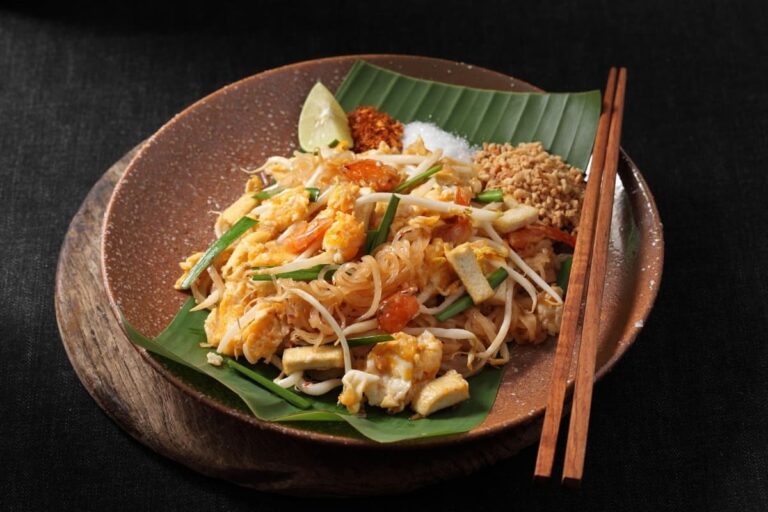
Average cost: 50 to 90 baht (about $1.50 to $2.70)
Pad Thai is the most famous Thailand street food. But does it live up to its hype?
Absolutely! Pad Thai remained my go-to dish throughout my 5 years there. It’s filling, full of flavour, and not too spicy (unlike many other Thai dishes).
What makes Pad Thai so iconic and tasty is the tamarind sauce. It’s sweet and sticky, which, when combined with fish sauce, gives the dish the perfect balance of sweet and sour.
Insider tip: Traditionally, Pad Thai is made with shrimp and tofu. But if you’re veggie, don’t worry. Tell the vendor “gin jay,” which tells them you don’t eat meat or seafood, and they’ll leave it out.
2. Som Tam (papaya salad): Thailand’s spicy green papaya salad
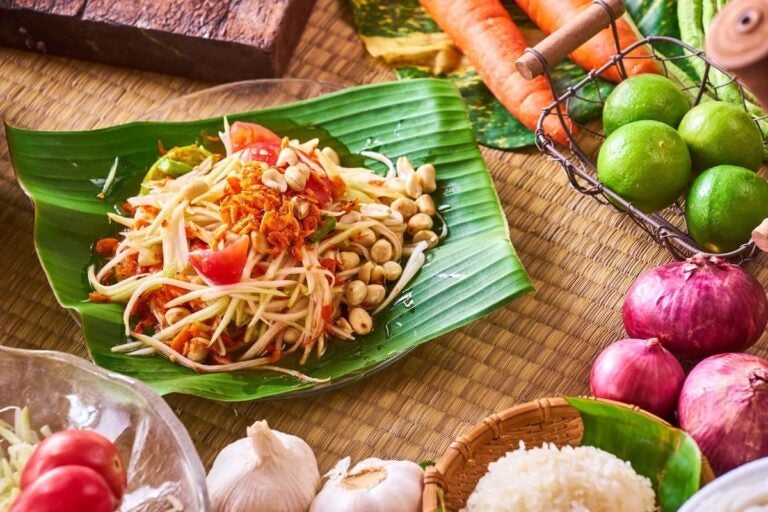
Average cost: 50 to 80 baht (about $1.50 to $2.40)
Som Tam (AKA papaya salad) is unlike any salad you’ve ever tried. The key player of this unique dish is unripe green papaya. It’s cut into thin strips and mixed with long beans, fresh chilies, garlic, dried shrimp, roasted peanuts, and tomatoes.
Som Tam is sour, spicy, and so flavorful that you’ll never say salads are boring again! As a cold dish, it also makes a refreshing lunch or dinner in the hot weather.
Insider tip: Word of warning: papaya salad is SPICY! But if you tell the vendor “mai pet,” which means “not spicy,” they’ll use fewer chilies.
3. Tom Yum Kung: Thailand’s spicy and sour shrimp soup
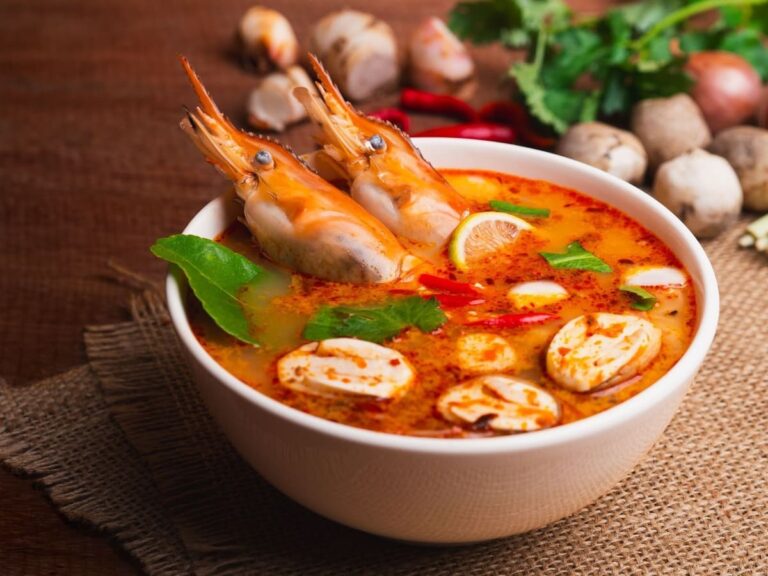
Average cost: 60 to 100 baht (about $1.80 to $3)
This highly popular Thai soup is adored for its blend of spicy (chilli) and sour (lime juice) flavours. It’s made with shrimps (or mixed seafood), lemongrass, galangal, and fish sauce.
At the markets, Tom Yum Kung Soup is pre-cooked in giant metal pots. The vendor will scoop some into a small bowl for you so you can tuck in straight away.
Insider tip: If it’s too fishy for you, opt for the chicken version (Tom Yum Gai) instead. It’s the same hot and spicy soup, just without seafood, and usually cheaper.
4. Satay skewers: Grilled chicken with peanut sauce
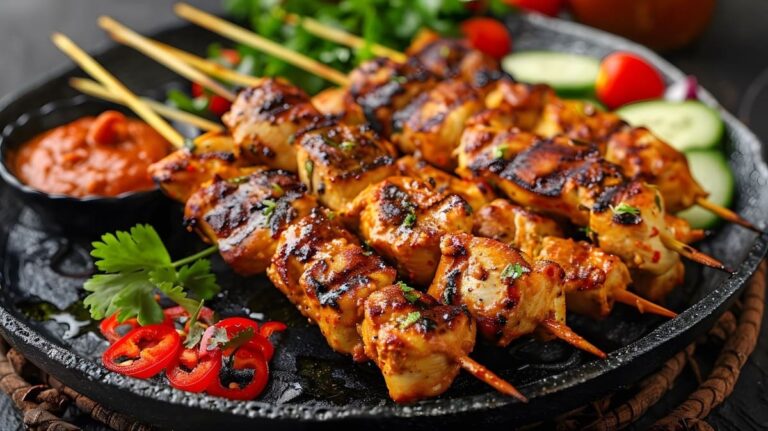
Average cost: 20 to 60 baht (about $0.60 to $1.80)
Satay sauce may have originated in Indonesia, but it has become a staple in Thailand, where they’ve developed their own version.
Satay skewers are meat skewers (typically chicken) marinated in a sweet, peanut and coconut-infused sauce. They also come with a rich, nutty dipping sauce you’ll keep going back to.
Insider tip: Satay skewers often sell out fast. Grab a few to snack on as an appetizer while you explore the market.
5. Mango sticky rice: Thailand’s classic street dessert
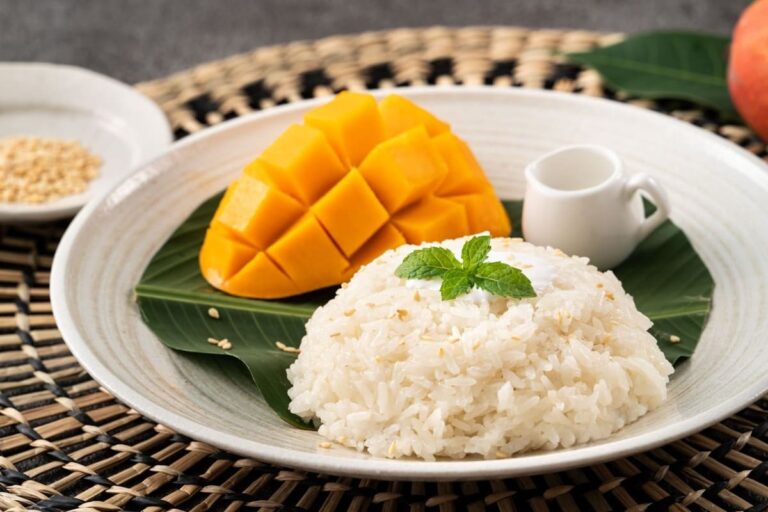
Average cost: 50 to 80 baht (about $1.50 to $2.40)
Granted, mango and rice sound like an odd mix, but somehow it works. Sticky rice is naturally sweet, and when paired with coconut milk and fresh mango, it transforms into a mouthwatering dessert. It’s like rice pudding but 100% better.
First-timers are often skeptical, but it’s one of the dishes visitors keep talking about long after their trip.
Insider tip: Look out for this dish with blue sticky rice! No, it hasn’t gone moldy. The color comes from butterfly pea flower, a plant native to Southeast Asia that’s often brewed as tea.
6. Roti pancakes: A sweet or savory late-night snack
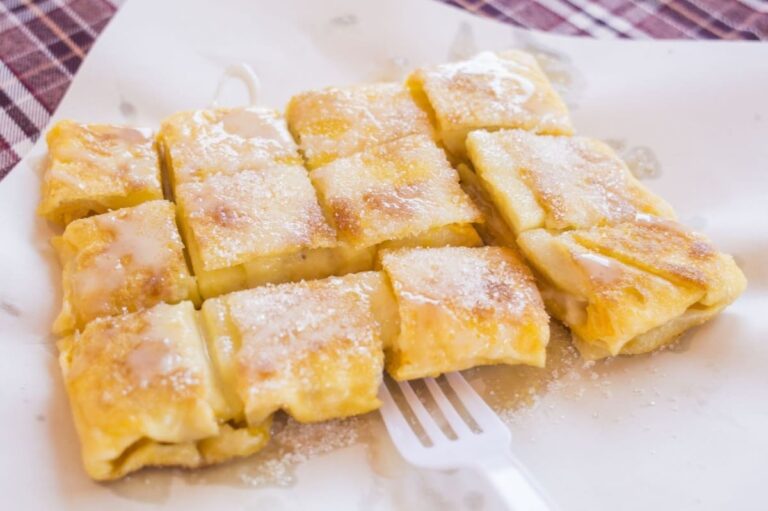
Average cost: 40 to 60 baht (about $1.20 to $1.80)
At every food market, you’re guaranteed to come across this Thailand street food favorite: roti pancakes.
Loved by locals and tourists alike, roti is made from dough that’s stretched paper-thin and fried in butter. You can add a variety of fillings, such as Nutella and banana (a crowd favorite) for a sweet treat, or cheese and egg for a savory snack.
Insider tip: Rotis tend to be a late-night snack, with many vendors open until around midnight. So they make a good dessert or quick snack on your way home.
7. Grilled seafood: A Phuket and Krabi market specialty
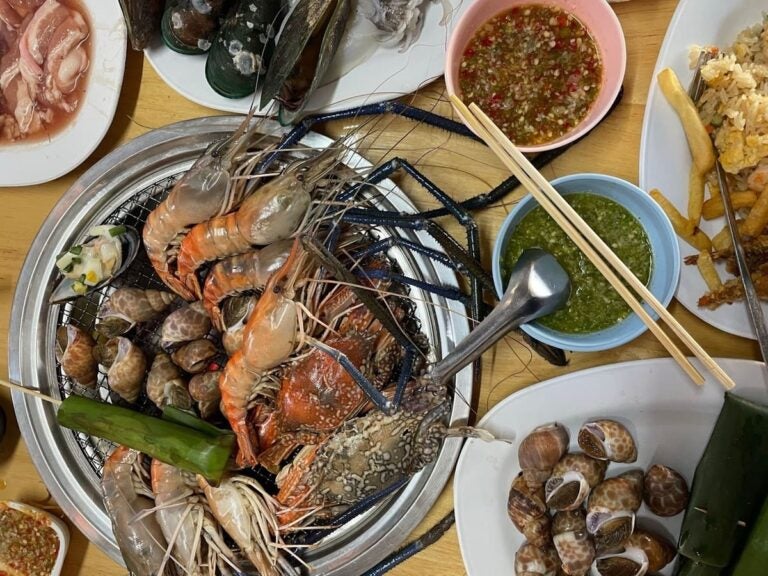
Average cost: 30 to 100 baht (about $0.90 to $3)
Seafood is a firm favorite among Thais and tourists, and at the markets, you’ll find piles of grilled calamari, giant prawns, whole fish (such as tilapia), and even lobster.
They’re cooked just before the market opens, so if you want to get them at their freshest (and avoid missing out altogether), head there early. You can usually find market opening times on Google Maps.
Visiting the Andaman coast? Pair a seafood market dinner with these things to do in Krabi.
Insider tip: Many vendors let you mix and match, so try a little of everything!
8. Boat noodles: Rich noodle soup in small bowls
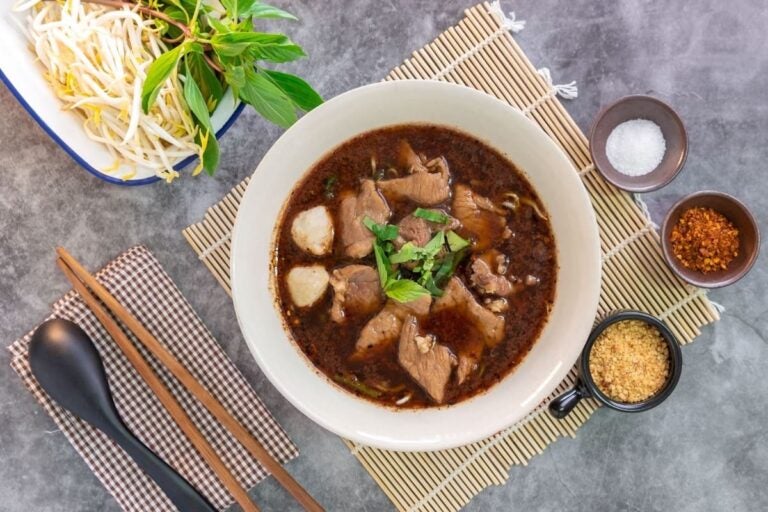
Average cost: 20 to 40 baht (about $0.60 to $1.20)
Thailand has plenty of noodle dishes beyond Pad Thai, but because they’re less well known to tourists, many miss out. One noodle dish you absolutely have to try is boat noodles, which is similar to a noodle soup, but the broth is thick.
The dish contains beef and pork meatballs, giving it a strong, meaty flavor. But what many tourists don’t realize is that it’s also traditionally made with pork or beef blood, which is what gives it the dark color and intense aroma.
You’ll find boat noodle shops all over the capital, so add a bowl to your list of things to do in Bangkok.
Insider tip: Too meaty for your liking? Opt for Pad See Ew instead (large rice noodles stir-fried in soy sauce). You can choose the meat you want or make it vegetarian.
9. Coconut ice cream: Thailand’s dairy-free street dessert
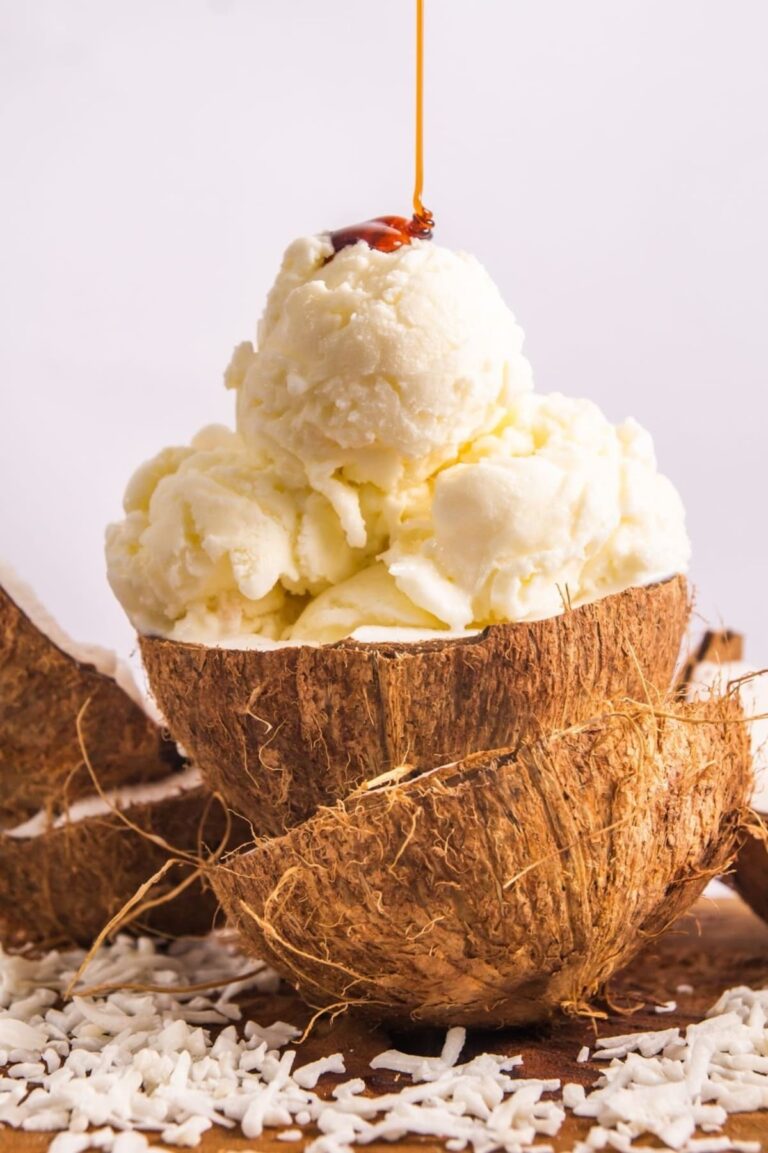
Average cost: 20 to 40 baht (about $0.60 to $1.20)
This one is easy to miss as it’s largely unknown to tourists. So here’s how to find it…
At the markets, look for a line of local kids queuing in front of a metal barrel. Inside this barrel is a scoop of ice cream made for hot Thai afternoons.
Made only from coconut milk and syrup, this tropical treat is dairy-free and suitable for vegans. It’s also cheap, typically around 20 baht (about $0.60) a scoop.
Insider tip: Eat it like the locals by adding sticky rice, or better yet, putting it inside a sweet bun, turning it into a kind of ice cream sandwich!
Tips for eating street food in Thailand
- Carry small notes. Many stalls show a QR code for local payment apps, but small baht notes are still the easiest option for visitors. Read more on how to pay in Thailand.
- Follow the crowds. A long line of locals usually means fresh food and fast turnover.
- Go in the evening. Night markets come alive after sunset, and many vendors stay open until around midnight.
- Pack for the heat. Wet wipes and a reusable water bottle come in handy. Check our Thailand packing list.
- Time your trip. Hot, rainy, and cool seasons all change the market experience, so check the best time to travel to Thailand.
- Stay online for maps and menus. Translation apps and Google Maps make ordering much easier. Compare your options in our Thailand SIM card guide.
Stay connected while exploring Thailand’s street food scene with Holafly
Mobile data can make or break a food trip. Make sure you’ve got complete peace of mind from your first night market to your last with a Holafly eSIM for Thailand. Every Holafly travel eSIM comes with:
- Unlimited data and 5G speeds
- 24/7 customer support
- Always On: 1 GB of monthly backup data at no additional cost, active in 150+ destinations for as long as the eSIM stays installed
- Reusable eSIM: install once, use every time you need data
Planning a longer stay or travel frequently? Check out Holafly Plans for global monthly data or the Ultra Plan for a reliable travel solution that’s always there for you with digital and real-life protection.
→ Get your eSIM for Thailand here

eSIMs for every destination
Get eSIMs for 200+ destinations with Holafly, keeping you connected wherever you go.
Plans that may interest you


Hi, I'm Mika, a South Korean writer living in the US. I cover travel and live events, focusing on the practical stuff that makes your trip smoother, whether you're navigating a new city or heading to a major international event.I'm also the founder of Search SEOul, South Korea's leading SEO conference, bringing together search marketing experts and speakers from around the world.