




 Language


 No results found
Surf in Sri Lanka: Best beaches and prices
Want to surf in Sri Lanka? Here’s the complete guide to the best surf spots, ideal seasons, and what you can expect to pay for the experience.

This small island nation near India has become an ideal place to enjoy this water sport, so if you’re looking for information about where to surf in Sri Lanka, this article clears your doubts. The island offers options for every level, from beginners to experienced surfers, thanks to its paradise beaches with steady or softer waves.
Up next, we explain how and where you can start surfing in Sri Lanka, as well as the best season to do it and the cost of lessons or board rental. We also share the best tips to keep a stable and safe internet connection to record your best moments in the water.
The 6 best places to surf in Sri Lanka
Ready to start surfing in Sri Lanka? If you’re reading this article, you’re curious about trying this fun water sport or you want to keep learning and discover the best beaches for it. If you’re a digital nomad living on the island or you’re visiting as a tourist, you must know that the island has two surf coasts: the southwest coast, ideal from November to April, and the east coast from May to September. Let’s discover what spots each one offers!
1. Hikkaduwa
Located about 100 kilometres south of Colombo, it has welcomed the first surfers in Sri Lanka since the 70s. Its main beach is Narigama, with easy waves for beginners, but you also find Bennys or Main Reef, with stronger waves for surfers with experience. The main surf schools and surf camps are: Reef End Surf School, Hippy Surf Camp, Blue Surf Hikka, and Owakanda Surf School.
You can reach it by train or road from Colombo and stay there, since it offers several hotels, restaurants and bars, creating a lively nightlife. Moreover, during the high season from December to April, local competitions and festivals mix surfing with beach music.
2. Mirissa
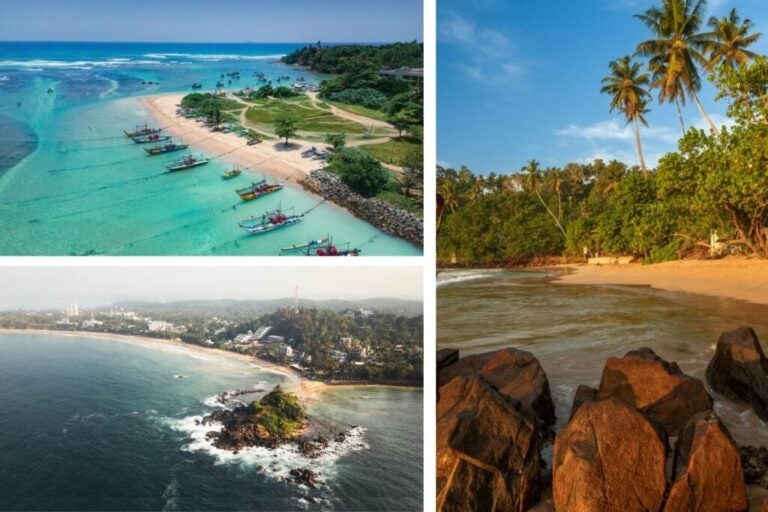
Another great surf spot in Sri Lanka is the southern bay of Mirissa, known for this sport and its whale-watching trips. It’s located 40 minutes from Galle, and since it feels less crowded than Hikkaduwa, we recommend it if you want a calmer atmosphere.
The waves usually stay gentle for beginners, though some areas offer stronger sets for intermediate surfers. You can join its most popular surf schools, such as Mirissa Surf School, Surf & Yoga Sri Lanka or Sri Lanka Surf School.
3. Weligama
No idea how to stand on a board? Then this is the best place to learn to surf in Sri Lanka, with a long sandy beach offering smooth, long waves perfect to start from zero.
Weligama sits on the island’s south coast, in the Matara district, and here you find many schools with instructors or surf camps like The Surfer Weligama, Freedom Surf School, Hangtime Surf Camp or Weligama Surf Tours. It’s also known for hosting yoga and surf retreats, as well as international surf meetups for enthusiasts.
4. Midigama
By contrast, if you already have experience and want new challenges while surfing in Sri Lanka, you can try the island’s most demanding waves in Midigama. This coastal village lies a few kilometres from Weligama and offers a much calmer atmosphere, so if you enjoy quieter beaches, this place suits you perfectly. You also find small surf schools like Midigama Surf School or Surfing Life Midigama to rent your board and gear.
5. Arugam Bay
This spot is internationally recognised as one of the best in Asia. It’s located on the island’s east coast and offers the longest waves, plus bars and hostels for every budget with a surf-friendly vibe. This area hosts Sri Lanka’s most famous surf competitions, such as:
- So Sri Lanka Pro: WSL Qualifying Series held in 2019.
- Red Bull Ride My Wave: National and international contest.
- Surfing Federation of Sri Lanka: Including the SFSL National Surf Championship in June.
6. Ahangama
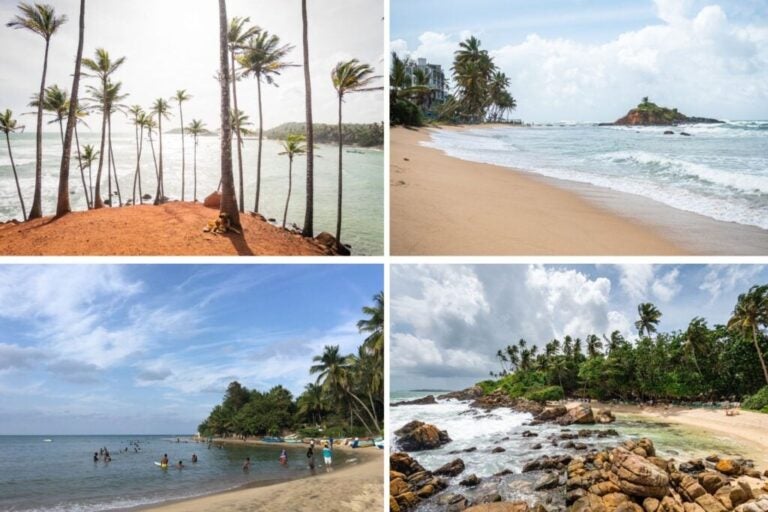
Lastly, between Weligama and Midigama lies the village of Ahangama, known as a trendy surf spot in Sri Lanka, also famous for its stylish cafés and wellness-focused surf and yoga retreats. One of its best-known events is the Cove Surf Jam festival, which mixes surf, music and culture.
If you’re an experienced surfer, you can explore the reef spots Sticks and Marshmallows, which offer very consistent waves. You also find several schools and camps like Soul & Surf Sri Lanka, Ceylon Sliders and Camp Poe.
Connectivity while surfing in Sri Lanka
On this island, internet quality often feels unstable, especially in remote areas. So, if you want stable connection to check GPS directions to your chosen spot, stream your surfing sessions or make video calls, we recommend choosing a Holafly eSIM.
For short trips and if you only need a connection for a few days, the eSIM for travelling to Sri Lanka by Holafly lets you customise your travel days and enjoy unlimited data for $6.90 (€5.90) per day across the whole country. For longer stays, the Holafly monthly plans provide stable 5G coverage in Sri Lanka and over 160 countries without changing SIMs. Also, if you choose the unlimited plan, you can connect several devices at the same time from €43.55 ($50.50) per month, and with no commitment.
Important: If you are a frequent traveler and want to stay connected without worrying about expensive roaming or looking for a new SIM at every destination, Holafly’s subscription plans are for you. With a single eSIM, enjoy internet in more than 160 countries for a fixed price and no surprises on your bill. Travel without limits and connect easily and securely! 🚀🌍

Recommended seasons for surfing in Sri Lanka
Although you can enjoy surfing in Sri Lanka throughout the year, you should know the best months on each coast, since they shape the sea conditions. For example, if you travel from November to April, the best choice is the south and southwest coast. Meanwhile, from May to September, you should surf on the east coast. Here’s what you’ll need:
- Southwest Coast (Hikkaduwa, Weligama, Mirissa, Ahangama, Midigama, Unawatuna): the best season runs from November to April, because the Indian Ocean stays cleaner, calmer and offers favourable winds for surfing. Temperatures stay between 27 and 30 °C, with very sunny days.
- East Coast (Arugam Bay and nearby spots): The best season runs from May to September, with winds creating long and clean waves, perfect for point breaks like Main Point or Whiskey Point. You also find fewer tourists and lower prices during these months, plus you can enjoy cultural festivals like Esala Perahera.
Costs for surfing in Sri Lanka
The good news is that surfing in Sri Lanka stays much cheaper than other destinations like Bali or Costa Rica. In general, with a weekly budget between $500–700 (€427–598), you can cover a surf camp stay, receive lessons and eat in restaurants. Below you find a table showing the approximate breakdown:
| Category | Price |
|---|---|
| Board rental | Between $10–15 (€9.40–14) for a full day. |
| Surf lessons | Between $15–25 (€14–23) for a 1–2 hour class with instructor and board included. |
| Surf camp | Between $250–500 (€235–470) for one week including accommodation, lessons and meals. |
| Local transportation | Between $2–5 (€1.80–4.70) by tuk-tuk. |
| Excursions | From $20 (€18.80) for a whale-watching trip. |
Costs for surfing in Sri Lanka.
How to start surfing in Sri Lanka
We’ve already seen the best places to surf in Sri Lanka, the best seasons and the approximate costs. Even so, if you don’t know how to begin, whether you’re a beginner or an experienced surfer but new to the island, we explain the steps you should follow:
- Choose the right season and spot: Depending on your travel dates, you must visit the south, southeast or east coast. Prepare your bag with essentials for your stay: swimwear, sunscreen, towels, flip-flops and a basic first-aid kit.
- Decide the type of course you need: A group class, a private lesson or a surf camp with accommodation and lessons included.
- Choose the school: Check that instructors have certification, read reviews from other surfers and examine the condition of the equipment.
- Train physically before the trip: Swim regularly and improve your mobility with yoga or stretching.
- Get travel insurance: Choose a company covering water sports such as surfing, plus medical assistance and repatriation.
- Follow safety rules in the water: Listen to your instructor, understand tides and riptides and learn how to exit them. Respect beach flags and warnings, avoid surfing alone and watch out for reefs.
- Respect other surfers: Don’t drop in on someone else’s wave, since the surfer closest to the peak has priority. If the spot feels crowded, give space to local surfers.
Frequently Asked Questions
It depends on the coast you visit. On the south and southwest coast, the best season runs from November to April. On the east coast, the best months run from May to September.
Yes, you can start surfing from zero in Weligama or Mirissa, with gentle and long waves perfect for learning.
No, because every beach offers affordable board and equipment rental.
Generally yes, because beginner-friendly beaches and certified instructors help you learn safely. Still, you must understand currents and how to exit them.
Besides surfing on the island, you can visit Buddhist temples in Unawatuna, national parks like Yala, cultural sites in Kandy or Sigiriya or book a whale-watching tour in Mirissa.