Language


 No results found
Surf in Chile: Best beaches and prices
Surf in Chile: discover the best spots, prices, and seasons to surf year-round. A guide with tips, schools, and must-ride waves.

Chile is one of the most amazing destinations for surf lovers, with a long coastline offering powerful waves, stunning landscapes, and spots for all skill levels. Surfing in Chile is experienced from the northern beaches, with warmer and consistent waters, to the challenging breaks in the south, where the landscape and the Pacific’s force create unique conditions.
The country is a paradise if you seek adventure and a connection with nature. In this article, you’ll discover how to start surfing in Chile: what you need, the best areas to surf, recommended schools, and key tips to fully enjoy this unforgettable experience. Get ready to learn why Chile has earned a place among the world’s top surf destinations.
7 Best Surfing Spots in Chile
Chile is a paradise for surf enthusiasts. With over 4,000 kilometres of Pacific coastline, the country offers a variety of unique beaches where you can find everything from giant waves and perfect tubes to gentle breaks ideal for beginners.
In each of these spots, surfing blends with local culture, wild nature, and an adventurous spirit, making Chile one of the world’s best destinations to ride the waves.
1- Punta de Lobos (O’Higgins Region)
Just 6 km south of Pichilemu, Punta de Lobos is much more than a beach: It’s the Chilean surf mecca and one of the world’s surf temples. Here, waves are long, powerful, and consistent, perfect for challenging manoeuvres or deep barrels. On big days, waves can exceed 8 metres, so this spot is reserved for intermediate and advanced surfers.
Surrounded by cliffs with spectacular Pacific views, its natural beauty earned recognition as a World Surf Reserve. Each year, it hosts international events such as the Punta de Lobos Big Wave Invitational, where the world’s best surfers challenge the giant southern Chilean waves.
2. Arica – El Gringo and El Buey
At the northern tip of the country, near the former Alacrán Island, Arica offers world-class waves and warm weather all year, ideal for non-stop surfing.
- El Gringo is known for its fast, powerful barrels over a rocky bottom.
- El Buey, on the other hand, hosts giant waves: a true challenge for adrenaline seekers.
The level here is advanced and professional, not suitable for beginners. Every year, Arica hosts the Arica Pro Tour, part of the World Surf League (WSL) circuit, considered one of Latin America’s toughest and most spectacular competitions.
3. Totoralillo (Coquimbo Region)
Just 13 km south of Coquimbo, Totoralillo combines good waves, a family-friendly atmosphere, and easy access. It’s perfect for beginners or those wanting to enjoy a relaxed surfing environment.
Waves range from beginner to intermediate level, with sandy and rocky bottoms for safer surfing. The area also offers surf schools, clean beaches, and tourist facilities, making it ideal for learning the sport.
The Maestros del Surf Championship is held here, along with therapeutic surf programs promoting inclusion and well-being through the sea.
4. Iquique – Cavancha Beach and Punta Dos (Tarapacá Region)
Right in the heart of the city, Iquique is one of those spots where you can leave the hotel with your board under your arm. Its warm climate year-round and consistent waves make it a northern Chile classic.
- Cavancha Beach is perfect for beginners thanks to its sandy bottom and gentle waves.
- Punta Dos, by contrast, has more powerful waves for experienced surfers.
The level ranges from beginner to advanced, and the city is part of the WSL South America circuit, hosting surf and bodyboard competitions.
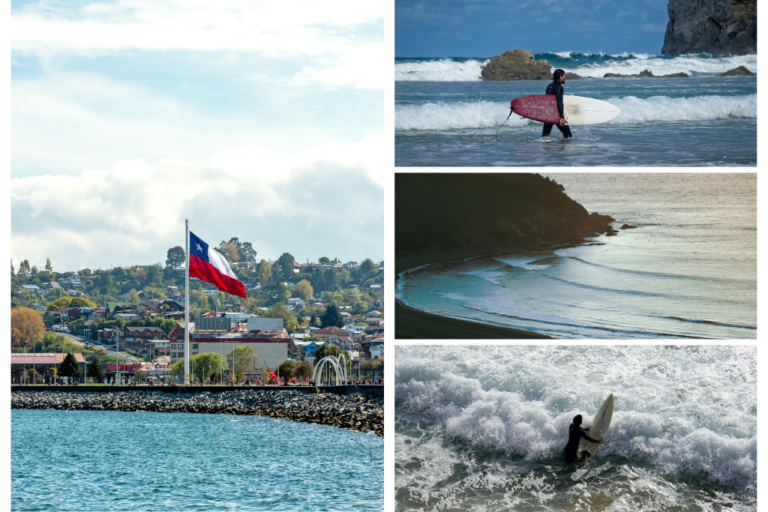
5. Buchupureo (Ñuble Region)
If you want a quieter, more natural spot, Buchupureo is a hidden gem in southern Chile. Located near Cobquecura and surrounded by pristine landscapes, it has long, gentle waves that delight longboarders and those who want to surf without crowds. The waves are intermediate level, perfect for improving technique while enjoying the environment. It’s also part of the Central-South Surf Route, along with Curanipe and Pullay, an area renowned for authenticity, hospitality, and untouched nature.
6. Puertecillo (O’Higgins Region)
About 60 km south of Pichilemu, Puertecillo is a destination that retains the essence of classic surfing: Long waves, a relaxed community, and respect for nature. Waves are gentle but consistent, ideal for intermediate surfers or longboarders seeking calm, technical sessions. The surroundings are incredible, with forests, cliffs, and sustainable accommodations. It also forms part of the Puertecillo Coastal Reserve, promoting responsible tourism and ecosystem care.
7. Matanzas (O’Higgins Region)
About 180 km from Santiago, Matanzas combines powerful waves and constant wind, making it a paradise for surfing, kitesurfing, and windsurfing. Waves can reach up to 3 metres, breaking over sandy and rocky bottoms, providing fast, challenging sections for intermediate and advanced surfers. The atmosphere is bohemian and relaxed, with hostels, schools, and beachfront cafés that live and breathe surf 24/7. Matanzas also hosts events such as the Matanzas Surf Festival, gathering the surf community around the sea, music, and good vibes.
Connectivity while surfing in Chile
Surfing in Chile is an adventure that takes you from Arica’s giant waves to Punta de Lobos’ cliffs, and staying connected is key to fully enjoy it. With the Holafly eSIM for Chile, you get unlimited data from the moment you land, with no physical SIM or hassle. It’s perfect for checking surf reports, sharing your sessions, or moving between spots without losing signal. You can also keep your WhatsApp number and access 24-hour Spanish support, ideal for those following the surf route without losing direction.
Important: If you are a frequent traveler and want to stay connected without worrying about expensive roaming or looking for a new SIM at every destination, Holafly’s subscription plans are for you. With a single eSIM, enjoy internet in more than 160 countries for a fixed price and no surprises on your bill. Travel without limits and connect easily and securely! 🚀🌍

Recommended surfing seasons in Chile
Before heading into the Chilean sea, it’s important to know the best time to surf. Chile offers conditions for all levels year-round, but each season has its own charm: from gentle, sunny summer waves to powerful winter swells that attract elite surfers.
Here’s a guide to the best seasons to surf in Chile, what weather to expect, and the advantages of travelling in each period.
- In summer (December to March), Chile shines with sun, long days, and gentle waves, perfect for beginners. Arica, Iquique, Totoralillo, and Pichilemu offer lively beaches, open surf schools, and the best atmosphere to enjoy surfing, tourism, and good vibes.
- In autumn (April to June), the Pacific shows its best face: big, consistent waves ideal for experienced surfers. Punta de Lobos, Matanzas, Puertecillo, and Buchupureo shine with ideal conditions, fewer tourists, and lower prices, all with still pleasant weather.
In winter (July to September), the biggest and most powerful waves of the year arrive. Arica and Punta de Lobos fill up with energy and competitions, and although the weather is cold, with a good wetsuit, you can enjoy epic sessions without the crowds.
In spring (October to November), the weather is mild and the waves are clean. Matanzas, Totoralillo, and Buchupureo offer good conditions with few people, ideal for enjoying waves, calm, and green landscapes.
Costs of surfing in Chile
Before hitting the waves in Chile, it’s worth knowing how much surfing really costs here. The good news is it’s more affordable than many think, whether you’re a beginner or an experienced surfer.
At spots like Pichilemu, Matanzas, or Arica, the rental of a board and wetsuit costs around $17–20 per day (€16 – 18), perfect if you only plan to surf a few sessions. Group lessons cost between $20 and $28 (€19 – 26) for about two hours, including all equipment and a certified instructor. If you prefer something more personalised, private lessons range from $33 to $40 (€31 – 37), and many schools offer discounts for package deals.
There are also surf camps with accommodation, meals, and daily lessons, costing between $1,200 and $2,400 (€1,120 – 2,230) per week, ideal for those who want to fully immerse themselves in the experience. On average, a full week of surfing in Chile (including accommodation, transportation, and equipment) can cost between $630 and $860 (€585 – 800), a more than fair investment to enjoy some of the best waves on the Pacific.
How to start surfing in Chile
If you’re thinking about experiencing your first surf in Chile, you’re in the right place. This country offers safe beaches, certified schools, and waves for all levels, from complete beginners to surfers aiming to perfect their technique. But before you hit the water, it’s useful to know how to start, what you need, and the first steps to enjoy the experience safely.
Below, we explain step by step how to get started with surfing in Chile, with practical advice to make your learning both exciting and safe.
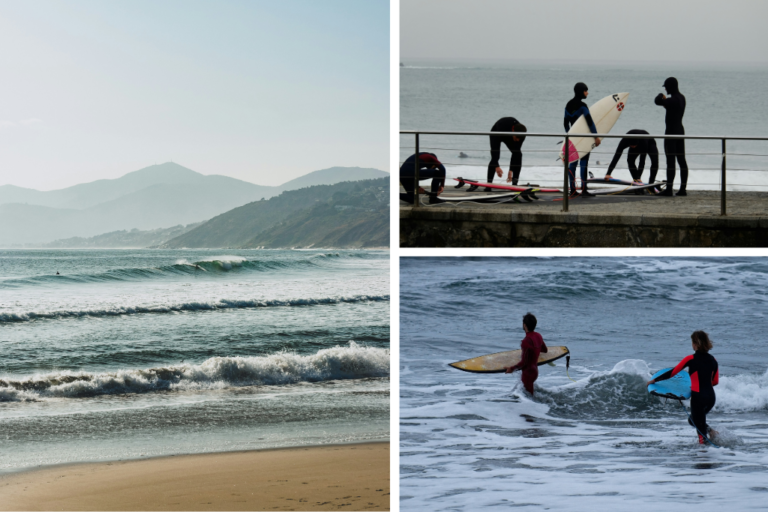
- Decide where and when to go: Choose your spot based on your level. For beginners, look for sandy bottoms and gentle waves. Avoid large waves or rocky bottoms until experienced. Check the season: summer (Dec–Mar) is usually easier for beginners, with smaller waves and warm weather.
- Research before travelling: Read local guides, forums, and reviews of your chosen school. Check transport options, accommodation, and local travel. If you’re heading to more remote areas, confirm bus schedules or the availability of transfers from the nearest city.
Book a beginner’s class: in 1.5 to 2 hours, you’ll learn the basics, practice on the sand, and do your first paddling with all equipment included. A certified instructor will teach posture, how to stand up, and basic safety rules; avoid learning alone on your first day. - Starter equipment: what to rent or buy: Rent a large beginner board and a wetsuit suitable for the region. If you enjoy it and plan to surf often, consider buying a used board to progress faster.
- Fitness and preparation off the water: Do paddling exercises (swimming, rowing), core and balance training (planks, squats, yoga). Being fit improves your sessions and reduces injury risk.
- Local etiquette and respect for the environment: Be humble: Greet, respect locals, and follow spot rules. Protect the environment: don’t litter and respect marine life. Many Chilean spots have communities protecting their coastlines: join them whenever possible.
- Find community and keep learning: Join a school or surf camp: you’ll gain experience, discover spots, and surf safely. Recording a session (even with a friend) helps correct your technique.
- After surfing: care and recovery: Rinse your wetsuit with fresh water, dry your board well, and stretch your feet and shoulders. Rest: Recovery improves progression.
Frequently Asked Questions about Surfing in Chile
Yes. Chile has waves throughout the 12 months thanks to its extensive Pacific coast. However, winter (June to September) offers the most powerful waves for advanced surfers, while summer (December to March) is ideal for beginners with gentler waves.
You only need your swimsuit, sunscreen, and good energy. Schools provide all equipment (board and wetsuit). If surfing independently, bring a 3/2 or 4/3 mm wetsuit depending on the region and season.
The best beaches to start are La Puntilla (Pichilemu), Matanzas, Totoralillo, and Cavancha (Iquique). All have certified schools, gentle waves, and sandy bottoms ideal for beginners.
No prior experience is needed, but basic swimming skills and fitness are recommended. Surfing requires balance, strength, and endurance; activities like swimming or yoga help prepare before starting.
June to September (austral winter) is ideal for experienced surfers. During this period, spots like Punta de Lobos and El Buey (Arica) receive powerful Pacific swells, with waves up to 8 or 10 metres on the biggest days.