


 Language


 No results found
Surf in Hawaii: Best beaches and prices
Discover everything you need to know about surfing in Hawaii, the birthplace of the sport and home to some of the best waves on the planet.

Surfing in Hawaii is much more than a sport: It’s history, tradition, roots and local identity. We’re talking about the true birthplace of this sport. Yes, surfing started in Hawaii, specifically on Waikiki Beach in Honolulu. Long ago, men and women rode waves on wooden boards. They didn’t treat it as a simple sport. Instead, they competed and gained status and social recognition.
The Hawaiian archipelago, especially the island of Oahu, seems designed specifically for surfing. Pacific currents combine with the tropical climate and create legendary wave conditions. From the powerful North Shore of Oahu, where the world’s best surfers compete, to the gentle breaks of Waikiki, every coast feels unique. Hidden beaches on Maui and Kauai also offer their own rhythm and personality.
Besides, conditions stay almost perfect throughout the year: Warm water, consistent currents and a local culture that lives for surfing. Whether you’re a beginner or a pro, Hawaii always offers a wave for you. The sea brings a new lesson and you finish each day with another story.
So get comfortable, take notes and get ready for a very complete guide to surfing in Hawaii. At Holafly we help you turn your next surf adventure into an epic, unforgettable trip.
What Are The Best Places To Surf In Hawaii?
The most practical way to talk about the best surf spots in Hawaii is island by island. Remember that this remote Polynesian archipelago, lost in the vast Pacific, sits completely surrounded by sea. Therefore, you’ll find countless beaches where you can catch waves.
Hawaii has eight main islands, although surfers visit Oahu, Maui, Kauai and the Big Island (Hawaii) the most. Each one has its own character, particular energy and style of waves. From legendary breaks that demand experience to beaches ideal for beginners, surfing here suits every level.
Oahu: The Heart Of The Global Surf Scene
Oahu is the most iconic surfing island in Hawaii. Modern surfing grew here. Filmmakers shot classic surf films here. The island also hosts some of the world’s most prestigious competitions. On its northern coast, the North Shore, waves reach monumental sizes between November and March and attract surfers from everywhere. Meanwhile, the calmer South Shore works perfectly for beginners and anyone seeking a relaxed vibe.
Oahu’s waves are legendary and once saw tribal competitions and religious ceremonies, long before tourism arrived. Today they act as a true sanctuary for surfers from across the planet. These are its top spots for challenging Pacific swells:
Waikiki Beach (South Shore)
Location: Honolulu
Level: Beginner
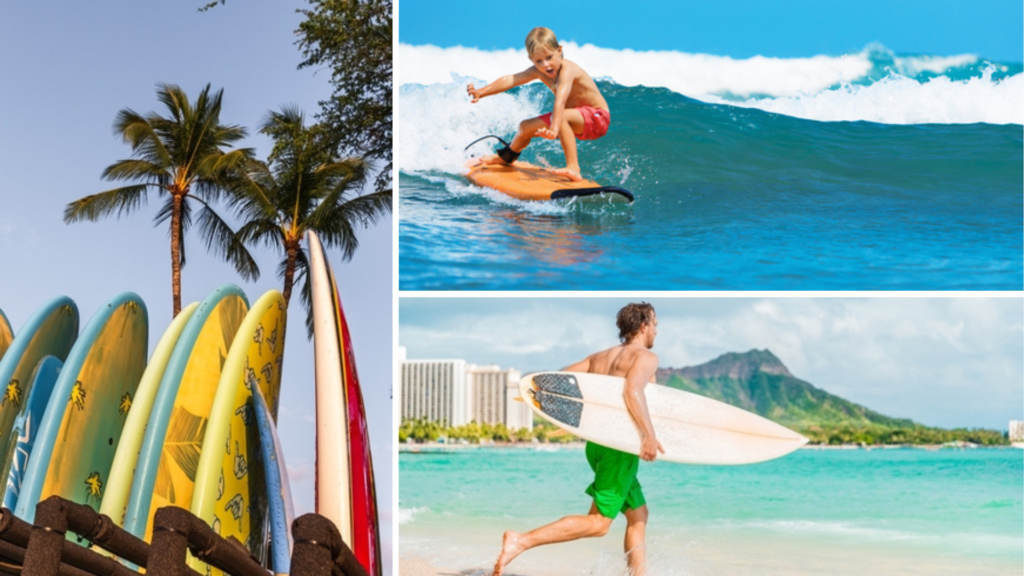
Waikiki is the cradle of modern surfing and the perfect place for your first waves. It sits on the island’s south coast, where the Pacific carries plenty of energy but breaks gently. Waves at Waikiki are long, soft and predictable. They help you practise balance and learn without pressure.
Surf schools and board rentals line the beach and create a friendly, laid-back surf atmosphere. So both tourists and beginners feel encouraged to try. The area also works well for SUP sessions or relaxed rides in a traditional Polynesian canoe.
Ala Moana Bowls
Location: 10 minutes from Waikiki
Level: Intermediate – Advanced
When we talk about surf spots in Hawaii, Ala Moana Bowls always appears on the list. On Oahu’s south coast, this spot offers one of the island’s most technical waves. A powerful left breaks over a coral reef and forms perfect barrels, especially during the summer months.
The spot gets busy, yet its consistency turns it into a classic for surfers who already control the take-off. They often come here to sharpen their manoeuvres. In other words, Ala Moana Bowls brings together experienced surfers who want to reach the next level.
Tip: Near Ala Moana Bowls you also find other breaks, such as Tennis Courts, Big Rights and Kewalo Basin. They offer extra options for surfers who explore this area.
Pipeline (Ehukai Beach Park, North Shore)
Level: Expert
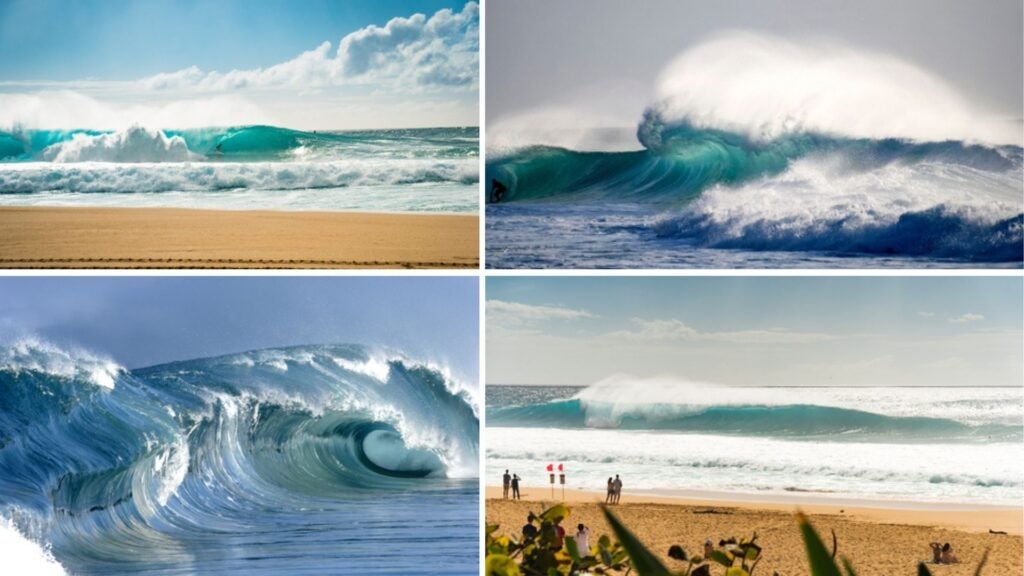
On the island’s north coast, the name says everything: Pipeline is the most famous (and dangerous) wave on Earth. A deep, heavy barrel breaks over a very shallow reef and creates a challenge reserved only for highly experienced surfers.
Did you know locals call this stretch “The Seven Mile Miracle”? The reason is simple. Within seven miles you find 36 different breaks. They range from gentle waves to deadly sets that sadly claimed many surfers’ lives.
Many factors make Pipeline both feared and respected: Its location, the powerful swells that hit the shore and the sharp reef below. Even so, this spot still attracts the world’s most experienced surfers. Every winter it hosts the Billabong Pipe Masters, one of the most prestigious events on the professional tour.
Sunset Beach
Level: Advanced
Also on the North Shore, Sunset means long, powerful and ever-changing waves. It’s actually one of Hawaii’s most famous right-handers and attracts surfers from all over the planet.
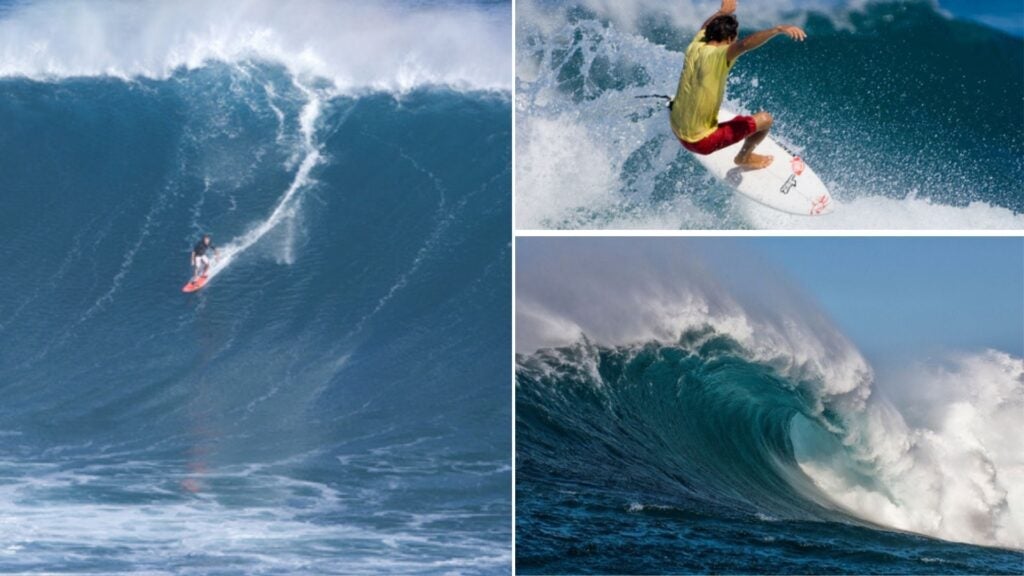
The wave starts out in deep Pacific water, then quickly swings and forms a hollow, fast-rising tube. On big days it can exceed five metres in height. So Sunset suits riders who search for pure adrenaline and hold deep respect for the ocean.
Maui: Legendary Waves And Picture-Perfect Landscapes
Maui combines powerful surf energy with the beauty of a natural paradise. Waves stay consistent almost all year. Its variety of beaches lets you surf regardless of your level. The island also feels less crowded than Oahu, which suits travellers seeking a calmer atmosphere.
Honolua Bay
Location: Northwest Maui
Level: Intermediate – Advanced
This stunning bay receives steady ESE trade winds for most of the year. Because of that, many surfers consider it one of the world’s most perfect waves. When conditions line up, it breaks as a long, clean right that allows smooth, flowing manoeuvres for several seconds.
It’s a fast, technical wave, suitable only for surfers with solid experience who chase that true “movie-style” surf feeling.
Lahaina Reefs
Location: West Maui
Level: Beginner – Intermediate
Lahaina Reefs ranks among the best places to learn to surf in Hawaii. Several reefs create gentle, forgiving waves that help you learn or refine your style. During summer, conditions are excellent for sunset sessions with dreamy views towards the island of Lanai. In winter the swell gains more power and the spot becomes more demanding.
Peahi (Jaws)
Level: Experts only
This is true big-wave territory. Jaws is a giant wave, among the largest on the planet, and can reach 15 metres on winter days. Only professional surfers tackle it, using special big-wave boards and jet-ski support teams.
If you’re not at that level, you can still watch from the cliffs and enjoy an unforgettable spectacle. With a bit of luck, you’ll witness a new surf legend being born.
Kauai: Wild Nature And Powerful Waves
Kauai, the “Garden Island” and filming location of the series Lost, offers a wilder surf experience. Many beaches sit framed by lush vegetation and powerful waves that break in movie-worthy settings. The sea demands respect here, yet it rewards brave surfers with unforgettable moments.
On Kauai, surf spots clearly follow the seasons. Northern beaches work better during winter months. In summer, though, the best conditions usually appear on the southern coast.
Hanalei Bay
Location: North Kauai
Level: All levels
Hanalei Bay is Kauai’s surf epicentre, thanks to a right-hand break that splits into several sections. An inside section offers smaller waves.
The outside section creates perfect barrels. This crescent-shaped bay works well both for beginners and for experienced surfers who chase long, clean rides. The atmosphere often feels busy and waves are highly contested. Without doubt, it’s another excellent surf spot in Hawaii.
Poipu Beach
Location: South Kauai
Level: Beginner
Poipu Beach suits anyone taking their first steps on a board. Here waves stay small and consistent. Along the beach you’ll find surf schools, instructors and equipment rentals. The setting also feels idyllic, with turquoise water and a relaxed, family-friendly vibe.
Tunnels Beach (Makua Beach)
Location: North coast
Level: Advanced
Famous for its fast, intense barrels, Tunnels Beach mixes natural beauty with serious technical challenge. Waves break over a reef and demand experience plus strong ocean knowledge. It’s not for everyone, but surfers who master this wave often describe it as one of Hawaii’s most perfect rides.
Big Island (Hawaii): Volcanic Energy And Versatile Waves
The archipelago’s largest island, known as Big Island, blends lava landscapes, black-sand beaches and a powerful sea. It’s a less touristic surf destination, yet it offers excellent-quality waves and a calmer environment.
Big Island has many beach and reef breaks, as well as a rich surf culture. It’s also the birthplace of professional surfer Shane Dorian. Let’s look at its best spots:
Banyans (Kailua-Kona)
Level: Intermediate
This is one of the west coast’s most popular waves. Banyans is an A-frame reef, well known among locals. It breaks all year, receiving south swells in summer and west or northwest swells in winter.
The level required to surf here depends on conditions, but the wave usually offers fast, predictable sections. That makes it ideal for practising manoeuvres. When the swell grows, the spot turns into a playground for more experienced surfers. The area often feels crowded, although the vibe remains relaxed.
Honolii Beach Park (Hilo)
Level: All levels
On the east coast, this beach is another local favourite. Waves stay consistent, entry is easy and tropical vegetation surrounds the whole area. Surfing here feels like a full immersion in nature.
Pine Trees (Kona)
Level: Beginner – Intermediate
Pine Trees suits surfers who have just started. It’s an exposed reef break near Kona that may not be the island’s best wave, but it stays very consistent. Waves here are soft, the bottom is sandy and the atmosphere feels family-oriented. It’s the sort of beach where you spend all day between the sea, the barbecue and glowing Pacific sunsets.
What Are The Best Seasons For Surfing In Hawaii?
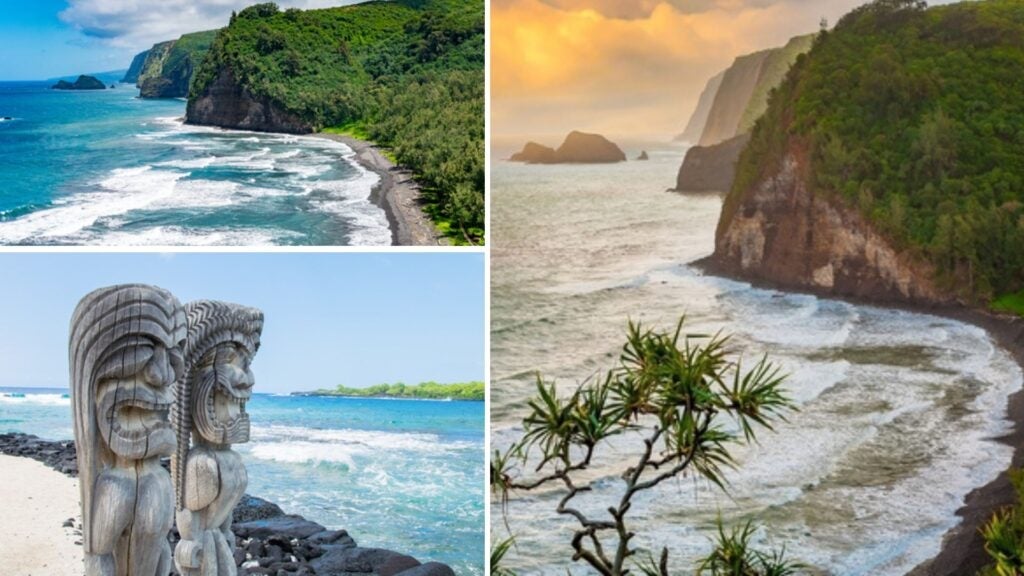
Surfing in Hawaii never limits itself to a single season. Waves change with the time of year and that change creates much of their magic. While the northern shores turn into arenas for giant waves during winter, the south offers gentle, consistent conditions in summer. Knowing when to go, and which island to visit, makes the difference between a perfect session and a day spent watching from the shore.
Winter Season (November To March): The North Shore Spectacle
During winter months, storms in the North Pacific travel thousands of kilometres before they reach Hawaii. These systems generate the huge waves that break on the islands’ northern coasts, especially in Oahu.
- Oahu – North Shore: Between November and February, waves range from three to over ten metres. This is competition season for the Billabong Pipe Masters, the Vans Triple Crown of Surfing and the Eddie Aikau Big Wave Invitational. During this period, surfing Pipeline, Waimea Bay or Sunset Beach stays reserved for professionals.
- Maui: The Peahi (Jaws) area comes alive with waves that can exceed 15 metres, driven by northern winds. Only experienced big-wave surfers go out here, with large boards and jet-ski support.
- Kauai: In the north, Hanalei Bay receives powerful swell that suits advanced surfers. However, southern beaches usually stay calmer and safer.
- Big Island: Winter brings solid waves to Honolii Beach Park, while the west coast stays more stable and suits intermediate levels.
Summer Season (May To September): Gentle Waves Perfect For Learning
When summer arrives, winds shift direction and northern swell calms down. Then the south of the archipelago becomes paradise for beginners and intermediate surfers.
- Oahu – South Shore (Waikiki, Ala Moana, Diamond Head): Waves are smaller, from 0.5 to two metres, long and easy to read. Conditions are ideal for surf schools, group lessons and relaxed longboard sessions.
- Maui: Summer brings good conditions to Lahaina and Kihei, with consistent waves and gentle north-easterly winds. It’s the best time for new surfers or for progressing without pressure.
- Kauai: Southern beaches, such as Poipu Beach, fill with life and offer small waves plus warm weather. Water temperatures sit around 27 °C, so you can surf comfortably without a wetsuit.
- Big Island: South swells reach Pine Trees and Kahaluu Beach and create friendly waves for practising manoeuvres or starting out on softboards.
Shoulder Seasons (April And October): Perfect Balance
April and October act as transition months between winter and summer. The weather feels stable, the sea carries good energy and beaches are usually less crowded.
- In April, some winter swell still reaches the north, but with less intensity. Intermediate surfers can then enjoy spots such as Sunset Beach or Honolua Bay with lower risk.
- In October, the south still keeps gentle waves and winds become more consistent. Conditions feel perfect for long sessions and warm days at the beach.
Summary Of What Each Season Offers
| Summer | This is the season for relaxed surfing, lessons and sunsets on your board. It’s ideal for anyone who wants to learn or enjoy the sea with lower risk. |
| Winter | Winter means big waves and elite surfing. If you don’t have experience, this season works perfectly for watching Hawaii’s powerful sea from the sand and learning from the very best. |
| Shoulder seasons | Ideal if you want to avoid crowds and enjoy surfing in Hawaii in a calmer atmosphere. |
Surf seasons in Hawaii
Water Temperature And General Conditions
Hawaiian water stays warm throughout the year, with temperatures around 24 to 27 °C. During winter it feels slightly cooler, especially in the north, so a short wetsuit (2 mm) or protective rash vest helps a lot. Visibility is usually excellent and the trade winds keep the air clean and steady.
In general, there’s no “bad season” for surfing in Hawaii. The key is choosing the right island and wave type for your level. Conditions can change within minutes, yet one thing remains true. Nowhere else on Earth does surfing feel so connected to history, culture and the ocean’s spirit.
How Much Does It Cost To Surf In Hawaii?
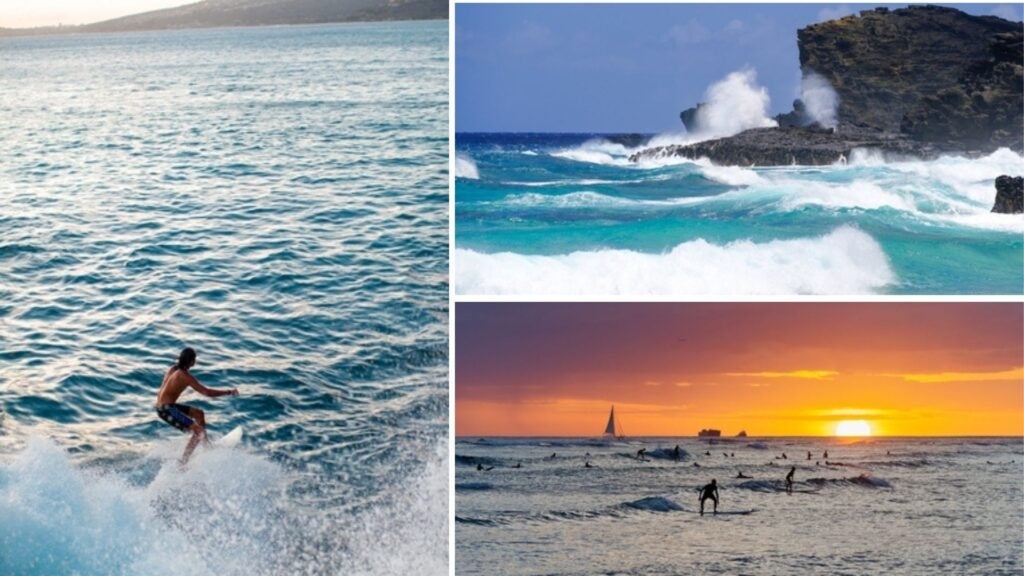
Surfing in Hawaii isn’t just an activity, it’s an investment in history and pure adrenaline. Here you experience surfing at its highest level, with legendary beaches, local instructors with generations of knowledge and a natural setting that justifies every euro. Prices vary by island, area and the type of experience you choose. Still, surfing in Hawaii is more accessible than many travellers imagine.
On Oahu and Maui, the most touristic islands, prices usually sit slightly higher. Meanwhile, rates in Kauai or Big Island feel a bit more relaxed. Below you’ll find an average 2025 price guide for lessons, rentals and special experiences.
| Type of experience or service | Location / Recommended island | Approx. price (EUR/USD) | Includes | Ideal for |
|---|---|---|---|---|
| Group surf lesson (2 h) | Waikiki, Oahu / Lahaina, Maui | €65–85 ($75–100) | Board, leash, instructor, short wetsuit | Beginners |
| Private lesson (1.5 h) | Waikiki, Maui, Kauai | €110–155 ($130–180) | 1:1 instructor, technique analysis and tailored board | All levels |
| Board rental (half day) | Oahu / Maui / Kauai | €20–35 ($25–40) | Surfboard + leash | Experienced surfers |
| Board rental (full day) | Oahu / Big Island | €35–50 ($40–60) | Surfboard + wetsuit | Intermediate / advanced |
| Kids’ lessons (1 h) | Waikiki / Poipu Beach | €50–75 ($60–90) | Specialist instructor + kid-friendly board | Children and families |
| Surf camp (3 days) | North Shore, Oahu / Hanalei, Kauai | €300–515 ($350–600) | Daily lessons, accommodation and equipment | Beginners or travellers |
| Surf camp (7 days) | Maui / Big Island | €775–1,120 ($900–1,300) | Accommodation, 10 lessons, photos, transport | Intermediate surfers |
| Guided tour to the best spots | Oahu / Maui | €155–215 ($180–250) | Transport, local guide and wave analysis | Certified surfers |
| Surf foil or SUP lessons (1 h) | Maui / Waikiki | €105–140 ($120–160) | Full equipment + instructor | Intermediate level |
| Professional water photography | Oahu / Maui | €85–130 ($100–150) | 10–15 edited, high-resolution photos | All levels |
Approximate surfing costs in Hawaii
Most surf schools in Hawaii offer discounts for early bookings or family packages. They also usually include a short theory session on the beach before entering the water, which proves very useful if it’s your first time.
In addition, some beaches, such as Waikiki or Lahaina, have zones reserved exclusively for lessons. This set-up guarantees safety and enough space to practise without disturbing more experienced surfers.
On average, a traveller who spends one week surfing in Hawaii might spend between €515–1,030 ($600–1,200). The final cost depends on the number of lessons and the type of accommodation you choose.
However, beyond the numbers, surfing here offers something money can’t buy: The feeling of belonging to the place where it all began.
Important: If you are a frequent traveler and want to stay connected without worrying about expensive roaming or looking for a new SIM at every destination, Holafly’s subscription plans are for you. With a single eSIM, enjoy internet in more than 170 countries for a fixed price and no surprises on your bill. Travel without limits and connect easily and securely! 🚀🌍

How To Start Surfing In Hawaii
Learning to surf where the sport was born feels truly special. First, choose the right island for your level. For beginners, Oahu, especially Waikiki, works best thanks to gentle waves and schools with certified local instructors. On Maui, areas such as Lahaina also offer safe conditions and personalised classes in small groups.
Surf schools usually provide everything you need: Board, leash, short wetsuit and a short theory class on the sand before entering the sea. You don’t need to bring your own equipment. Yet if you plan to surf for several days, renting your own board will give you more freedom.
One key tip is to learn the local surf etiquette. That means respecting turn-taking on the waves, greeting other surfers and staying away from zones reserved for professionals, especially on the North Shore in winter. Surf culture on the islands is sacred, and showing respect for the sea and for those who master it matters as much as your technique.
Finally, remember that surfing in Hawaii goes far beyond simply catching waves. It’s really about connecting with the Aloha spirit: Enjoying, respecting and letting the ocean set the rhythm. With patience and practice, every session becomes a lesson and every wave turns into a lifelong memory.
Frequently Asked Questions About Surfing In Hawaii
The best beaches for beginners include Waikiki (Oahu), Poipu Beach (Kauai) and Kihei (Maui). They offer long waves, sandy bottoms and certified instructors. The relaxed atmosphere helps you learn without pressure.
No. The islands offer options for all levels. If you’ve never surfed, start with a group or private lesson. Gentle southern waves help you practise your first moves and learn proper take-off technique.
On average, a group lesson costs between €65–85 ($75–100). A private lesson sits near €130 ($150). Most schools include board, wetsuit and insurance. You can also join multi-day surf camps with lessons, accommodation and cultural activities.
Longboards or foam boards (softboards) work best for beginners. They offer extra stability and help you keep your balance. Instructors help you choose the right size for your weight and height.
Yes. Surf competitions form a key part of local culture. Every winter, the North Shore hosts the Vans Triple Crown of Surfing with events in Haleiwa, Sunset Beach and Pipeline. Smaller competitions take place on other islands throughout the year.
Surfing in Hawaii forms part of local identity. Respecting rules in the water matters. Wait your turn, stay humble and respect locals. Hawaiians call this attitude the “Aloha Spirit”, and embracing it helps you connect with surfing’s birthplace.