







 Language


 No results found
Surf in Brazil: Best beaches and prices
Here we tell you the best spots to surf in Brazil, the ideal season, costs, and what you need to get started.

Surfing in Brazil is an experience you cannot miss, as it’s a destination that attracts surfers of all levels thanks to the characteristics of its waves. In this South American country, you can choose from various spots depending on your preferences and experience.
In this guide, we’ll tell you which are the best places in Brazil to surf, the best season of the year according to your level, the costs to consider, and how you can start practicing this water sport in Brazil.
Best places to surf in Brazil
Next, we’ll recommend the 4 best places to surf in Brazil. We selected these spots for their international recognition, but also considering the different experience levels of each surfer.
1. Fernando de Noronha, Pernambuco
In the northwest of Brazil, you’ll find Fernando de Noronha in Pernambuco, a place considered one of the best surf spots worldwide. The archipelago is even recognised by UNESCO as a World Heritage Site due to its ecological importance and marine biodiversity, making it truly unique.
Here, you’ll find a scenic paradise, but also the best swells coming from the North Atlantic, characterised by large, consistent, powerful, and hollow waves. It’s not a place you can visit at any time, as it is environmentally protected, with a limited number of daily visitors.
If you’re an intermediate or advanced surfer, this spot is ideal, as its complexity level is high due to the rocky environment. Fernando de Noronha also hosts multiple national and international events, bringing together the best surfers in the world.
2. Saquarema, Rio de Janeiro
Saquarema is known as the “national surf capital” of Brazil, where many of the best local and international surfers gather. This municipality is located 100 km from Rio de Janeiro city and offers everything you need to surf, including several specialised surf shops.
It’s ideal for intermediate or advanced surfers due to the rocky nature of the area, and also because the swells in this zone are intense and consistent, making it challenging and exclusive for experienced surfers.
In Saquarema, you can also witness major surf events, such as the Saquarema Surf Festival, which serves as the Brazilian stage of the World Surf League.
3. Florianópolis, Santa Catarina
In southern Brazil, you can enjoy everything Florianópolis Island has to offer, as it’s one of the most visited destinations for surfers of all levels. Here you’ll find a wide variety of accommodations, packages, and businesses catering specifically to surfers.
If you’re a beginner or intermediate surfer, we recommend visiting Barra da Lagoa, where you’ll find gentle waves and a less rocky natural environment, reducing the risk for beginners.
However, if you already have enough experience to surf strong, consistent waves and medium-length barrels, you should visit Joaquina and Praia Mole. This area isn’t complex in terms of rocks, ensuring fewer risks when falling, and is surrounded by dunes and vegetation. On the other hand, it is surrounded by dunes and vegetation.
Florianópolis hosts several surf events as part of the Brazilian circuit and other major competitions throughout the year.
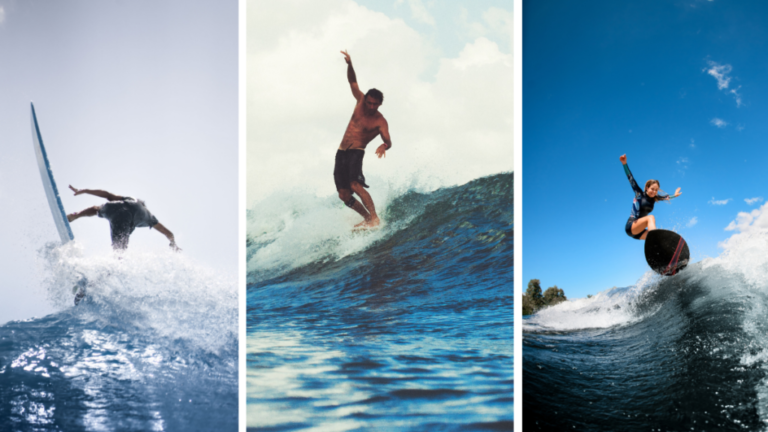
4. Ubatuba, São Paulo
North of São Paulo, there are hundreds of beaches where you can find the best swells for your experience. Ubatuba offers waves for every type of surfer, making it an attractive destination that deserves several days to fully explore.
During winter months, between March and November, waves tend to be more frequent and consistent. Although not all beaches experience the same intensity of waves, this allows you to choose the best spot for you.
Moreover, Ubatuba offers a complete surfing experience, with restaurants, accommodations, specialised shops, and schools readily available for surfers.
Annually, events like the qualifying series for the Surf World Championship take place here. So, in addition to surfing at your own pace, you’ll get to witness top international surf stars in action.
Connectivity while surfing in Brazil
To always stay connected with family and friends, it’s best to have your own internet connection, and with Holafly monthly subscription plans, you can, as they offer unlimited data up to 25 GB.
You can connect other devices and travel the world without changing SIM cards, as these plans cover over 170 destinations worldwide. If you prefer to stay connected only while in Brazil, we recommend the for unlimited data. Holafly eSIM for Brazil
Important: If you are a frequent traveler and want to stay connected without worrying about expensive roaming or looking for a new SIM at every destination, Holafly’s subscription plans are for you. With a single eSIM, enjoy internet in more than 160 countries for a fixed price and no surprises on your bill. Travel without limits and connect easily and securely! 🚀🌍

Recommended seasons for surfing in Brazil
Choosing the ideal season to surf in Brazil is easy, as it depends on your experience level. The country is vast with extensive beaches along the Atlantic Ocean, with waves all year round, although some seasons are more intense than others.
If you go between April and November in southern or southeastern Brazil, you’ll find the best waves of the season. Especially in locations like Florianópolis, Saquarema, and Ubatuba. During these periods, the winds come from the south, making the swells optimal for high-level surfing.
From November to March, you can go to northern Brazil to surf the large and consistent waves generated by northern Atlantic winds, particularly in Fernando de Noronha. Especially in Fernando de Noronha, a location we previously mentioned.
For beginner surfers, the start or end of the high season in each region is ideal, as waves start to lose strength, providing a safer environment to improve technique and learn to stand on the board.
Costs for surfing in Brazil
The costs for surfing in Brazil depend on several factors, such as your accommodation, transportation, food, whether you take a course, or rent a surfboard.
Here are some approximate prices, keeping in mind that costs vary by city and other internal economic factors.
- Accommodation: Prices vary by destination. For example: in the southern beaches, accommodations are relatively cheaper than in the north, with prices ranging from $10 to $25 (€9 – 23), while in the north, prices range from $15 to $35 (€14 – 32) in 3-star hotels.
- Food: Mid-range restaurants in southern Brazil offer dishes priced between $20 and $40 (€19 – 37). In the north, prices can exceed $50 (€46) for a similar meal. However, there are also places where you can eat at a lower cost, with dishes priced between $6 and $9 (€6 – 8).
- Beginner surf lesson: A beginner surf course can cost between $15 and $30 (€14 – 28) per class. Usually, you’ll need at least 4 days to progress in your lessons in Brazil.
- Surf plans: A surf plan including board rental and other equipment can cost between $15 and $25 (€14 – 23) per day, depending on the location.
- Transportation: Bus fares in Brazil are generally no more than $1 (€0.93), but if you need to transport your board to different spots, a vehicle designed for this service can cost between $15 and $20 (€14 – 19) per trip.
How to start surfing in Brazil
To start surfing in Brazil, it’s important to inform yourself about the key characteristics a beach should have, appropriate clothing, and choosing a school or instructor. Here are the main aspects to consider.
- Choose a beach suitable for your level: Start at beaches with moderate waves to learn board control.
- Hire an instructor or surf school: Instructors are essential to learn safely and progress properly. They’re trained to handle emergencies in the water.
- Rent appropriate equipment: Surfboards are not standard; some are for beginners, others for advanced surfers. Seek guidance before renting your first board.
- Other tips: Wear comfortable and appropriate clothing to avoid sunburns and heatstroke while surfing. Apply waterproof sunscreen, stay hydrated, and bring snacks to eat regularly to prevent physical imbalance.
Frequently Asked Questions
The only things you need to bring to Brazil for surfing are sunscreen, insect repellent, a suitable swimsuit for sun exposure, water, and snacks. Other items such as the surfboard, fins, and leash are provided by surf schools.
Brazil offers two ideal seasons for surfing. In the south, the best months are between April and October, while in the north, November to March is optimal. During these periods, winds and swells are favourable for expert surfers.
Transitional periods, when the southern winds start to decrease, are ideal for beginner surfers as waves are smaller and safer to practice on.
Yes, wherever you go in Brazil, there are many schools suitable for learning to surf from scratch. You can also improve your technique if you already have some prior experience.
Surf schools in Brazil usually recommend at least 4 days of lessons to learn the basics, though your progress will depend on your skills, physical condition, and discipline.


