







 Language


 No results found
Scuba diving in Aruba: Best spots and prices
Discover scuba diving in Aruba: the best dive spots and prices for courses and dives on this Caribbean island.

Do you want to discover Aruba’s underwater world? In this article, you’ll find everything you need to plan your scuba diving in Aruba experience: from the real prices of the most popular dives and courses to the best sites to explore, whether you’re a beginner or already hold an advanced certification. We’ll talk about famous wrecks like Antilla and Jane Sea, reefs full of marine life, and options for every budget. You’ll also find practical tips that make your dive safer and more memorable.
Keep reading and discover why many people consider Aruba one of the most complete and exciting diving destinations in the Caribbean.
What are the main diving centres and courses in Aruba?
If you plan to dive in Aruba, the island offers specialised centres that make this experience safe, exciting, and accessible. These diving centres let anyone enjoy the underwater world, regardless of their experience level. They usually offer courses certified by international organisations like PADI or SDI, which guarantees quality and safety during training. If you’ve never dived, you can start with guided introductory experiences, and if you already hold a certification, you’ll find advanced programmes and specialities to keep learning.
Besides the courses, almost every centre offers guided dives at the island’s best spots, from reefs full of marine life to the famous wrecks that make Aruba a unique destination. These usually include full equipment rental, transport to the diving site, and support from experienced instructors or guides.
Some centres operate their own boats to reach farther sites, while others also organise shore dives, which suit people who prefer simpler or more affordable options. They also offer packages of several dives, night outings, and personalised options for small groups, which helps every experience fit your needs.
Below, we present some of the most reputable centres and courses:
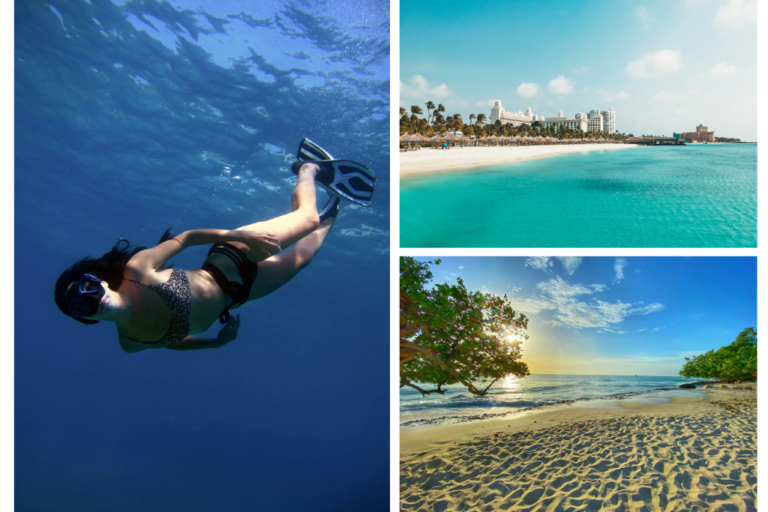
- Pure Diving Aruba: This is one of the best-known centres due to its commitment to the environment. It offers PADI and SDI courses, recreational outings, night dives, and wreck diving. If you want an ecological approach and a safe learning environment, this place suits you.
- Happy Divers Aruba: Located in Palm Beach, this centre suits people seeking personalised attention and flexibility. It offers everything from the Discover Scuba Diving course for beginners to advanced certifications like Rescue Diver, along with wreck and night diving specialities.
- JADS Dive Center: Located in the southern area, near Baby Beach, this centre stands out thanks to its wide selection of sites: More than twenty, including reefs and wrecks. They operate their own boat, offer a shop, and provide comfortable spaces to relax, which makes it ideal for combining learning and fun.
- Aqua Windies: Located in Oranjestad and certified as a PADI Five-Star centre, it offers shore dives and boat dives. They also teach snorkelling, offer equipment rental, and provide maintenance services, which makes it practical and versatile.
- Aruba Watersports Center: Located in the Palm Beach area, this centre works with small groups, which creates a calm and personalised experience. It’s perfect for people who prefer a slow pace and steady support.
- Nautilus Dive Center: Very close to Mangel Halto and with more than thirty years of experience, this centre offers recreational and technical diving courses, along with guided outings in several languages, including Spanish. Its long history makes it a reliable and accessible option for people seeking professionalism and experience.
Diving courses you can find:
- Discover Scuba Diving: This option suits people who’ve never dived. The introductory course includes a short theory chat, practice in shallow water, and a real dive with an instructor. It doesn’t provide certification, but it lets you experience breathing underwater and exploring a reef safely. It’s ideal if you only want to try diving for a day.
- Open Water Diver: This course is the most popular worldwide and also in Aruba. You earn an international certification that lets you dive anywhere up to 18 metres deep. It combines theory, pool or protected-water practice, and several open-water dives. It suits people who want to start diving properly.
- Advanced Open Water Diver: This course suits divers who already hold an Open Water certification and want to progress. It includes five adventure dives in different specialties, such as deep diving, underwater navigation, wreck diving, or night diving. You gain more confidence and reach more demanding and spectacular sites in Aruba.
- Specialty courses: Aruba offers many programmes focused on specific interests. You can learn to dive wrecks, use enriched air (Nitrox), improve buoyancy, or even complete night dives. These specialties help you refine your skills and enjoy unique underwater experiences.
- Rescue Diver: This advanced course teaches how to prevent and handle emergencies during dives. It’s demanding, but highly valued because it makes you a much safer and more aware diver.
Divemaster: This is the first step towards professional diving. You learn to guide other divers, assist instructors, and organise outings. It requires previous experience, a minimum number of dives and commitment, but it is ideal if you want to work in the world of diving or take it more seriously.
Diving instructor: The highest level available in Aruba for people who want to teach and certify new divers. This course trains you not only in advanced diving techniques but also in teaching methods and leadership.
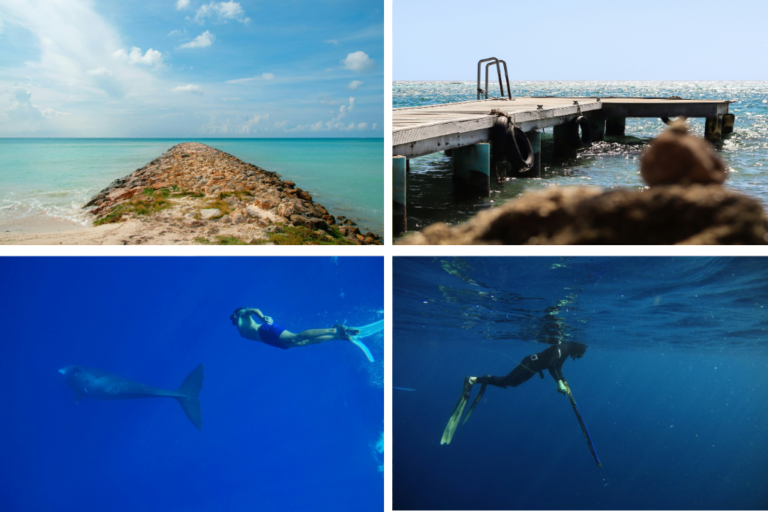
The best places to dive in Aruba
Many divers consider Aruba a paradise thanks to its spectacular dive sites. The island offers clear waters and excellent visibility almost all year, along with great marine diversity and famous wrecks that put it on the global diving map. From colourful reefs full of life to sunken ships turned into artificial reefs, each spot offers a different and memorable experience.
Below, you’ll find the best places to dive in Aruba, what you’ll see at each site, and why they deserve a place on your list.
Antilla Wreck
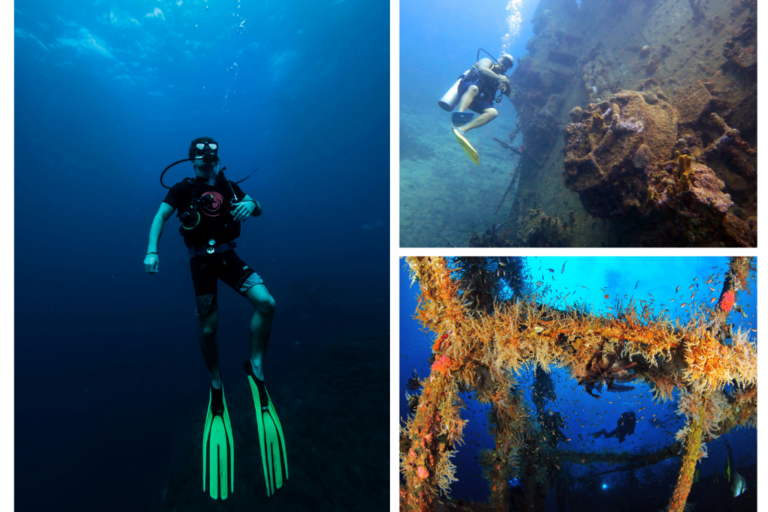
This site lies off Aruba’s northwest coast, near Palm Beach. Here, you can spot green turtles, moray eels, rays on the sandy bottom, parrotfish, angelfish, and schools of snappers and grunts. We recommend this site because it’s one of the largest wrecks in the Caribbean (122 metres), covered in corals and sponges, and acts as a vibrant artificial reef. Exploring this sunken ship becomes a must for every diver.
Jane Sea Wreck
This site lies on Aruba’s southern coast near Barcadera. The marine life includes barracudas patrolling, tarpons, jacks, colourful sponges, and parrotfish. Why dive here? This cargo ship sits upright, which creates an impressive underwater view. Its structure holds abundant marine life and suits people who love deeper wrecks.
Mangel Halto
This site lies on the southeast coast, near Savaneta. Marine life includes butterflyfish, surgeonfish, trumpetfish, green moray eels, and schools of sergeant majors. This reef is one of Aruba’s most colourful and accessible sites, ideal for beginners and snorkellers. Its channels and coral formations create a fascinating place to explore slowly.
Arashi Reef
This spot lies north of the island, near Arashi Beach. Here, you’ll find queen angelfish, butterflyfish, trumpetfish, yellow grunts, parrotfish, and even seahorses in soft-coral areas. People enjoy diving here because it’s shallow and very safe, which makes it perfect for beginners. The variety of tropical fish turns it into a natural underwater aquarium.
Isla di Oro Reef
This site lies southeast of Aruba, near the remains of the old Isla de Oro. The marine life includes damselfish, sergeant majors, juvenile angelfish, medium groupers, and moray eels hiding in cracks. Why dive here? This reef shelters juvenile fish and small species, which makes it ideal for underwater photography. Its quieter environment offers a relaxed experience.
Connectivity while diving in Aruba
If you travel to Aruba planning to dive from day one, internet connection can’t be missing from your plan. Imagine arriving on the island, activating your Holafly eSIM for Aruba and getting unlimited mobile data without needing to hunt for hotel WiFi. With this option, you can book your first dive outing, locate the best centres and even share your underwater experience in real time with friends and family. The best part: you do it all from your phone, without complicated paperwork and without overspending on roaming.
Holafly offers monthly plans designed for travellers, covering Aruba and many other destinations. You can choose between the Unlimited plan ($64,90/month — €55.85 ($64.90)) with unlimited data, or the Light 25 GB plan ($49.90/month — €42.94 ($49.90)), both with hotspot support and a European number to receive SMS. That means, besides enjoying the adventure of diving among wrecks and reefs, you’ll have the peace of mind to stay connected — to organise your activities, request transport or check a map when you need it.
Important: If you are a frequent traveler and want to stay connected without worrying about expensive roaming or looking for a new SIM at every destination, Holafly’s subscription plans are for you. With a single eSIM, enjoy internet in more than 160 countries for a fixed price and no surprises on your bill. Travel without limits and connect easily and securely! 🚀🌍

How much does diving in Aruba cost?
If you plan to dive in Aruba, you’ll likely wonder how much this experience costs beneath its clear waters. Diving in Aruba offers options for every budget, with prices that reflect service quality, equipment rental, and the experience of certified guides. Below, you’ll find what you can expect to spend and which factors influence the final price.
When planning your budget, keep the following in mind:
- If you bring your own equipment, you usually pay less than if you rent it.
- The dive schedule (morning or afternoon) can influence the price.
- Type of dive site: Wrecks, deep dives, and night dives usually cost more.
- Courses vs recreational dives: Courses include theory, materials, and certification, which increases cost.
- Local taxes and fees may be included or added separately. It’s important to check with the centre.
To give you more clarity, here’s a table with approximate example prices offered by several schools in Aruba.
| Activity | Approx. price (USD) |
|---|---|
| Recreational dive (1 tank) | $95 – 100 (€82 – 86) |
| Recreational dive (2 tanks) | $110 – 145 (€95 – 125) |
| Night dive / Discover Scuba | $100 – 120 (€86 – 103) |
| Open Water course | $400 – 600 (€344 – 516) |
| Advanced course | $350 – 500 (€301 – 430) |
| Rescue Diver course | $400 – 500 (€344 – 430) |
| Specialties (Nitrox, wrecks) | $150 – 250 (€190 – 215) |
| Divemaster / Instructor | $800 – 2,000 (€688 – 1,720) |
Frequently Asked Questions
Prices vary. A two-tank dive costs between €94 ($110) and €129 ($150). A full Open Water Diver course usually costs between €344 ($400) and €516 ($600). Introductory experiences start at €86 ($100).
Some favourites include the Antilla Wreck, Mangel Halto with its colourful corals, Baby Beach, the Pedernales Wreck, and Arashi Reef.
You may spot sea turtles, barracudas, parrotfish, angelfish, rays, seahorses, and even moray eels. Wrecks also hold lively artificial reefs.
Aruba offers year-round diving thanks to its stable climate, warm waters (27-29 °C), and excellent visibility. However, April to September usually brings calmer seas and lighter winds.
Yes. Centres follow international standards and offer trained staff. Calm seas and good visibility also help beginners feel comfortable.


