







 Language


 No results found
When is Carnival in Rio de Janeiro 2026? Dates, locations & highlights
Wondering when is Carnival in Rio de Janeiro 2026? Discover key dates, must-see blocos and parade schedules for the ultimate Carnival experience!

The biggest Carnival of the year is fast approaching, so if you’re planning a trip to Rio, it’s time to get ready.
When is Carnival in Rio de Janeiro 2026, and where can you find the best street parties? Here’s a quick snapshot of the key dates and top locations:
| Main dates: | February 13–21, 2026 (official schedule) |
| Official parades (Sambadrome): | February 13–14 (Access Group) February 15–17 (Special Group) February 21 (Winner Parade) |
| Street parties (blocos): | Early to Late February (citywide) |
| Main locations: | Sambadrome Marquês de Sapucaí (Downtown), Copacabana, Ipanema, Lapa |
| Admission: | Tickets required for Sambadrome, free admission for blocos |
When is Carnival in Rio de Janeiro 2026? Key dates
Rio Carnival has two distinct types of parades:
- The official parades (Sambadrome) take place February 13–17
- Street parties (blocos) run from early to late February
Sambadrome is the main, ticketed event of Rio Carnival. These are huge, choreographed spectacles by Rio’s top samba schools, featuring thousands of dancers, musicians, drummers, and elaborate floats. Expect a theatrical, awe-inspiring, and intensely competitive atmosphere.
Blocos are free street parties where samba bands or drumming groups parade through Rio’s neighborhoods. They are the most authentic and accessible part of the Rio Carnival, as they are free for everyone.
Pre-Carnival
The carnival atmosphere starts as early as January. During this “warm-up season,” blocos host preview street parties and Samba schools hold open rehearsals. It’s an excellent way for tourists to get a taste of Rio Carnival without all the craziness and huge crowds.
Main Carnival week
The official Rio Carnival runs from February 13-17, and it’s Rio’s busiest and loudest week of the year! The city transforms into a giant festival, with parades at the Sambadrome and daily street blocos. There are costumes, glitter, drums, and dancing, everywhere you turn!
Post-Carnival
For a week or two after Rio Carnival officially ends, you can still find celebrations. Many popular blocos host “ressaca” (hangover) parties, and the Sambadrome hosts a Winners’ Parade on February 21. Like pre-carnival, this time lets you enjoy the vibe at a much lower intensity.
Understanding the Sambadrome parade schedule
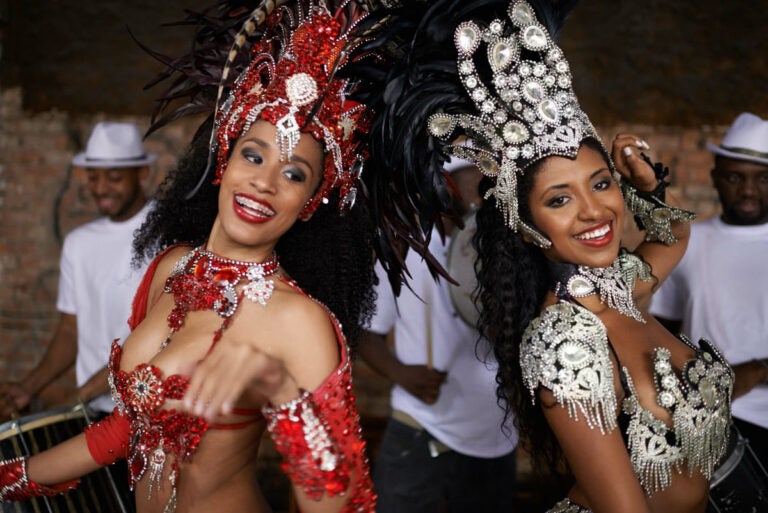
The Sambadrome hosts two distinct types of parades, with the largest and most popular being the Special Group parades.
Held between February 15-17, these parades feature Rio’s elite samba schools. They are the most expensive parades, but prices vary significantly depending on the type of seat you choose:
- Grandstand seats are the most budget-friendly option, and they tend to have the most lively, local atmosphere. However, you don’t get a numbered seat, so it’s best to arrive early to get a spot close to the action.
- Allocated seats are numbered plastic seats, meaning you have a guaranteed spot and don’t need to arrive early. However, they don’t have a great view.
- VIP boxes offer the most comfortable experience and the best views, but as you would expect, they are very pricey.
Another way to keep costs low is to get a ticket for one of the Access Group parades. Held on February 13-14, these parades feature up-and-coming Samba schools competing for a spot in the Special Group the following year. They’re much more affordable and only slightly less polished.
Then there’s a third type of parade that many tourists are unaware of, when the top schools return for a Winners’ Parade on February 21. It features the year’s best performances but with fewer crowds, making it a good option for first-timers who want a more relaxed vibe.
Famous blocos you shouldn’t miss
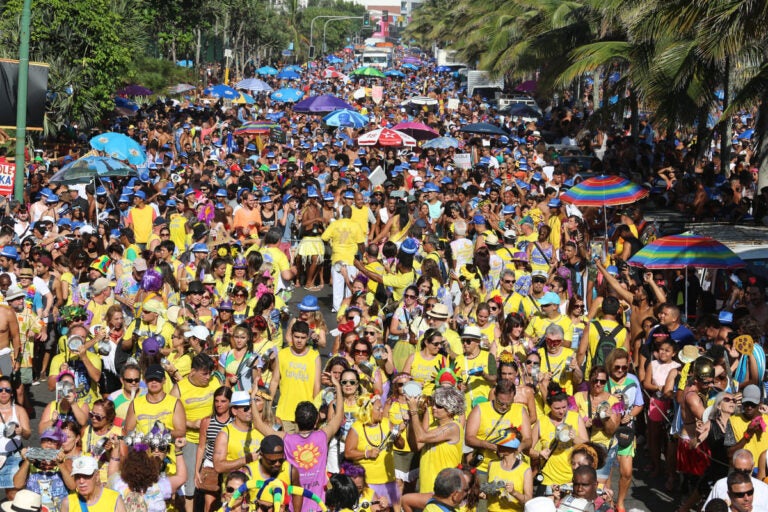
With hundreds of blocos (street parties) taking place during Rio Carnival, it can be overwhelming to decide which ones to join. To help, here’s an overview of the city’s most famous and must-see blocos:
- Cordão do Bola Preta (Downtown): One of the oldest and largest, with traditional marchinhas and an iconic black-and-white dress code.
- Bloco das Carmelitas (Santa Teresa): Famous for revelers dressed as runaway nuns, this bloco is a playful tribute to the legend of a Carmelite sister escaping her convent to join the party in Santa Teresa.
- Bloco da Ipanema (Ipanema beachfront): A beloved, LGBTQ+-friendly bloco known for its joyful crowd, colorful costumes, and stunning coastal backdrop.
- Monobloco (Downtown): A mega-bloco that blends samba with Brazilian pop, rock, and funk.
- Sargento Pimenta (Flamengo): A Beatles-themed bloco that mixes classic Beatles songs with Brazilian rhythms like samba and marchinha.
Note that the 2026 bloco dates haven’t been published yet (they are usually released in January).
When choosing a bloco, you should also consider the timing, as this will determine your experience:
- Early-morning blocos (8 am–noon) often have smaller crowds, and so, are ideal for families and first-timers.
- Sunset and evening blocos (4 pm onwards) are usually bigger, more raucous, and geared toward adult revelers. Therefore, these ones are less suitable for young children.
Packing tip: Rio in February is hot and humid, and the carnival crowds only make it feel warmer. So your Brazil packing list should include colorful yet breathable costumes (think lightweight fabrics like cotton or linen).
Where does Carnival happen? Rio neighborhoods
Rio’s Carnival energy spreads across all the city’s neighborhoods, but each has its own vibe:
- Copacabana: Here you’ll find family-friendly beachfront blocos. The atmosphere is lively yet approachable, perfect for first-timers.
- Ipanema: The blocos here are trendy and LGBTQ+-friendly. There’s a vibrant crowd with a nice blend of locals and visitors.
- Lapa: The city’s nightlife hub offers samba bars and alternative Carnival parties that last late into the night.
- Centro (Downtown): Here you will find the biggest, most energetic blocos with huge crowds. The vibe can be a bit intense for first-timers.
- Sambadrome: This is where the official ticketed Carnival parades take place. It’s lively, entertaining, and family-friendly.
Best things to see in Rio beyond Carnival

While you’ll never run out of carnival festivities, there are many other wonderful things to do in Rio during February, if you need to escape the carnival intensity for a day!
- Christ the Redeemer: Rio’s iconic landmark is mentioned in every Brazil travel guide for the breathtaking views it gives over the city and bay. To avoid the crowds, visit at sunrise or late afternoon.
- Sugarloaf Mountain: Take the cable car up Sugarloaf Mountain for stunning 360° panoramas. It’s especially magical at sunset when the city lights start to sparkle.
- Selarón Steps: Head here just after sunrise when the famous mosaics bathe in soft morning light, creating the best photo opportunities.
- Museum of Tomorrow: A must for science and design lovers, featuring futuristic architecture and interactive exhibits that explore sustainability and innovation.
Stay connected during Carnival with Holafly
If you’re heading to Rio Carnival, don’t rely on public Wi-Fi. It’s overloaded during the festivities, so you’re guaranteed a slow, patchy connection.
A Holafly eSIM is a low-cost, stress-free way to stay online throughout your trip. With uninterrupted and unlimited data, you can navigate the blocos, share your epic moments, and enjoy every beat of Rio’s Carnival!
Get your Holafly eSIM for Brazil here.

Unlimited data. Peace of mind.
Make sure you have travel data that's there when you need it most.
Plans that may interest you


Hey, I’m Mika! I’m an SEO specialist with 7+ years of experience and a passion for travel info that actually helps you explore smarter. I write travel guides and tips backed by SEO insights so you can spend less time searching and more time adventuring.

