







 Language
What to pack for Brazil: Complete packing list for 2026
Prepare for your trip with our essential Brazil packing list, which includes breathable gear, beachwear, adapters, and travel documents.

Packing for a trip to Brazil requires lightweight, breathable clothing, comfortable walking shoes, a Type N power adapter, basic travel documents, and local currency (reais).
Brazil, with its rich culture, beautiful landscapes, and vibrant cities, is a destination that attracts millions of travelers each year. Preparing accordingly with a complete Brazil packing list will improve your experience.
You’ll also want to avoid paying expensive roaming charges in Brazil. Go for Holafly’s eSIM for Brazil for unlimited data, 5G speeds, and 24/7 customer support.

Avoid excessive roaming fees
Brazil packing list: The essentials
At a glance: Packing for Brazil requires light, breathable clothing for tropical heat, comfortable walking shoes, a Type N power adapter, a valid passport, and local currency (reais) for day-to-day transactions. Some of the key items mentioned in this blog include:
- Clothing: Quick-dry synthetic fabrics for humidity, linen for evenings, swimwear, comfortable walking shoes, and a light jacket for cooler evenings or southern regions.
- Electronics: Phone, portable power bank, and a Brazil Type N plug adapter (Brazil’s standard three-prong outlet).
- Documents and money: Passport valid for six months past arrival, eVisa if you’re traveling on a US passport, travel insurance, and cash in Brazilian reais (BRL) for street vendors and small shops.
- Health essentials: High SPF reef-safe sunscreen, polarized sunglasses, insect repellent with DEET, a basic first-aid kit, and personal toiletries under 100 ml for carry-on luggage.
- Security gear: A discreet crossbody bag, packing cubes for organization, and a reusable water bottle.
- What to pack for Rio de Janeiro: Ultra-breathable gear due to intense humidity, beachwear, and coverups. If visiting during Carnival season (February/March), pack lightweight festival wear, and use a concealed body belt to protect personal items in dense street crowds (blocos).
Tip: If you’re timing your trip around Rio de Janeiro Carnival in February or March, pack lightweight festival clothes and wear a concealed money belt, as the street parties (blocos) get packed.
Technology for a digital traveler in Brazil
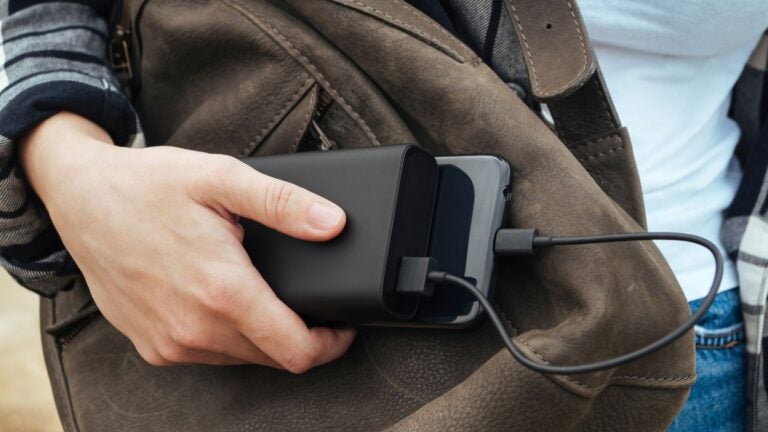
Brazil runs on apps; ride-hailing, maps, Pix payments, and translation all need a working phone. Whether you’re exploring things to do in Rio de Janeiro or relaxing on the beaches of Bahia, staying connected and having access to your electronic devices is essential.
Cellphone, camera, and headphones
Currently, the cellphone has become an indispensable travel companion. It lets you keep in touch with your loved ones, check information in real time, and share your experiences on social media. If you are going to travel to Brazil, a smartphone can be your best ally to navigate the cities, translate phrases into Portuguese, or simply stay connected with the world.
A camera and headphones are worth the space too. The camera will let you capture the beauty and diversity of Brazil, from the breathtaking views of the Amazon jungle to the vibrant scenes of urban life. Headphones, meanwhile, can improve your travel experience, whether it’s listening to music on a long bus ride, watching a movie on your mobile device, or simply blocking out noise in crowded places.
Charger and power bank
A charger is, of course, essential for charging your cellphone, camera, and other electronic devices. However, you may not always have access to a power socket, especially if you are exploring remote areas or spending a lot of time away from your accommodation.
This is where a power bank comes into play. This portable device lets you charge your devices on the go, making sure you never run out of battery at a crucial moment. Whether you need to call an Uber, use Google Maps, or take a picture of the perfect sunset, a power bank ensures your devices are always ready to go.
Tip: Check the Brazil plug type before you pack a charger. Brazil uses Type N sockets, which won’t fit a US plug, and some older buildings still have Type A or B outlets — a universal adapter covers both.
What clothes to take in the suitcase to Brazil
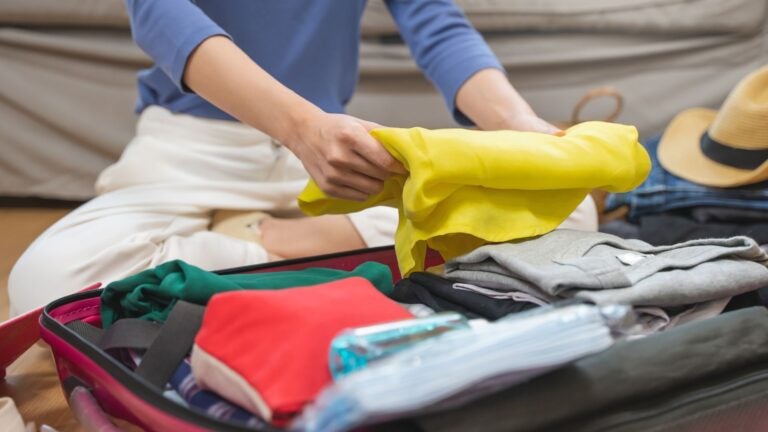
From the sunny beaches of Rio de Janeiro to the astonishing mountain heights of Minas Gerais, each destination has its own set of challenges and opportunities. Here’s how to choose the right clothes for where and when you’re going:
Choose your clothes by destination and the season of the year
Brazil is a country of contrasts, with significant climatic variations across regions and seasons. So, it is important to select the right clothing for each destination and time of year.
- Quick-dry, breathable clothing: Brazil’s humidity is heavy, and cotton holds moisture for hours. Quick-dry synthetic T-shirts, shorts, and skirts are the better choice for warm weather, while linen is best for evenings.
- Warm clothing: If you plan to visit colder regions or travel during the winter, it is important to bring some warm clothing. A light sweater or jacket may be more than enough.
- Comfortable shoes: Regardless of your destination, it is essential to wear comfortable shoes. A pair of sneakers or sandals can be ideal for walking through cities or exploring nature.
- Modest clothing: In some areas, especially religious places, it is important to respect local cultural norms. Modest clothing, such as long pants and long-sleeved shirts, may be necessary in certain situations.
- Rain gear: A compact, packable rain jacket. Tropical downpours arrive fast and pass quickly.
- Evening wear: Cities like São Paulo and Rio de Janeiro lean smart-casual at night — light linen trousers or a collared shirt will cover most restaurants and bars.
- For a Brazil cruise: Pack a light cover-up for deck evenings and one smart outfit for formal nights on board.
Remember to wear clothes you can mix and match for different situations.
Clothing to go to the beach
Brazil is renowned for its stunning beaches, from the iconic Copacabana in Rio de Janeiro to the calm waters of Praia do Forte in Bahia. These coastal destinations are the perfect place to relax, sunbathe, and enjoy the country’s natural beauty.
To make the most of these paradisiacal beaches, it is essential to bring the right swimsuit. We recommend bringing at least two changes of swimsuits. This way, you’ll always have a dry swimsuit on hand, letting you enjoy the water and then go to eat at one of the many beachside restaurants without having to wait for your swimsuit to dry.
Comfortable and versatile footwear in your suitcase for Brazil
Do not underestimate the importance of good footwear on your trip to Brazil. Whether you’re exploring the bustling city streets or walking the soft sands of its beaches, a comfortable and versatile pair of shoes can make all the difference in your travel experience. Choose shoes that are resistant, light, and comfortable for long walks.
If the itinerary isn’t fixed yet, bear in mind that the region changes the suitcase. Traveling to Brazil in July requires very different clothes from those in El Salvador in January.
Local currency and a bank card

Imagine you have found the perfect souvenir in an artisan shop in Olinda, but you do not have the local currency to pay. To avoid such a situation, we recommend that you carry some local currency in Brazilian reais for these small, everyday transactions.
Also, a commission-free bank card can be your best ally for larger payments and to always have access to your money, so you can enjoy your trip without worrying about payments.
Visa, documentation, and insurance for Brazil
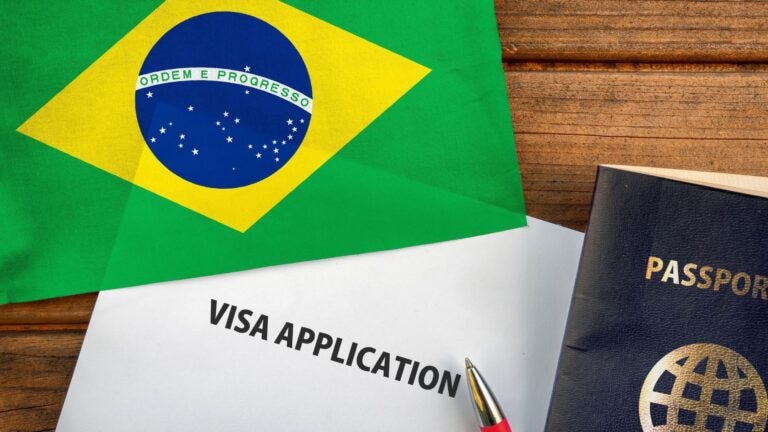
If you’re traveling on a US passport, you need an eVisa. Brazil brought the requirement back on 10 April 2025. It covers an initial stay of 90 days per entry, and takes around five business days to come through. Print it before you fly — airlines won’t board you without a paper copy, even if it’s saved on your phone.
Canadian passport holders also need a tourist visa, with the same 90-day limit. Staying longer means applying to the Federal Police for an extension before your authorized stay runs out.
British passport holders don’t need a visa for tourist stays of up to 90 days. Make sure your passport gets stamped at the border, though — travelers who leave without an entry stamp can be fined.
Whichever passport you’re carrying, it needs to be valid for at least six months beyond your arrival date. Keep digital and paper copies of everything, and don’t skip travel insurance — it covers medical emergencies, lost luggage, and the rest.
If you’re planning to stay longer and work remotely, the Brazil digital nomad visa is a separate application with its own income requirements.
Internet connection in Brazil with a travel eSIM
If you want to stay connected to the internet at a lower price than international roaming, and with more convenience than a SIM card in Brazil, you can buy an eSIM for Brazil. This will let you connect to the Internet in Brazil during your trip without worrying about surprises on your bill.
Not all eSIM cards offer the same services or the same price. We recommend that you take a look at the eSIM cards from the Holafly online store. There, you can find eSIM cards at very affordable prices, with additional benefits in each product, such as unlimited data and data sharing for your travels.
Every Holafly eSIM also comes with 1 GB of Always On monthly backup data at no extra cost, so you can stay connected between layovers and in emergency situations.
eSIMs for every destination
Essential accessories for your trip to Brazil
There are accessories you cannot forget to pack in your suitcase for a trip to Brazil.
Toiletry bag and sewing kit for Brazil
Don’t underestimate the importance of a well-stocked toiletry bag and emergency sewing kit. Your hygiene products are vital, so be sure to pack them in a toiletry bag, remembering that the liquid limit per container is 100 ml.
As for the sewing kit, it can be a real lifesaver in case of a mishap with your clothes, such as losing a button. Even so, remember to pack it in your checked bag, as security won’t let scissors through in your carry-on.
Rest kit for Brazil
Comfort is key when traveling, especially on long flights to Brazil. For this reason, we recommend you bring a sleep kit that includes a neck pillow, your favorite headphones, and an eye mask. These items will help you rest during your journey and arrive at your destination refreshed and ready for adventure.
First-aid kit for Brazil
A lightweight travel kit can be a real lifesaver in case of minor health problems. It doesn’t need to be big, just enough to carry basic medicines for headaches, small wounds, and other minor problems. Some key items for your first aid kit could be:
- Anti-diarrhea medication
- Motion sickness tablets
- Antiseptic cream
- Allergy tablets
- Painkillers
- Bandage, cotton gauze, and Band-Aids.
- Small scissors
- Hand sanitizer and a face mask
- Sunscreen and lip balm
Other accessories for your Brazil suitcase:
- Book or e-reader: If you are a book lover, a pocketbook or an e-reader can be a great travel companion.
- Packing cubes: These are ideal for keeping your suitcase organized and maximizing space.
- Backpack: For carrying your things on day trips, and it doubles as your carry-on.
- Foldable bag: Useful for your purchases and a great way to take care of the environment.
- Notepad and pen: Although we live in the digital age, it never hurts to carry a notepad and pen to take quick notes or attempt to draw an impressive sight you don’t want to forget.
What to pack in your carry-on for Brazil?
You never know when there might be a luggage inconvenience, so it’s a good idea to keep the essentials close at hand in your cabin bag. Here are some tips:
- Two or three changes of light, breathable clothing.
- A comfortable pair of shoes
- Your electronic devices, such as your computer and camera, along with their chargers.
- Your hygiene kit — remember that liquids must be 100 ml or less.
- Any important documents that you don’t want to risk losing.
And don’t forget to bring a bandana or scarf, as they can be very useful in various situations.
What should you avoid taking in your suitcase to Brazil?
Baggage restrictions may vary depending on whether you are packing your carry-on bag or your checked baggage. Here are some things you should avoid packing in your carry-on:
- Razors, razor blades, and other sharp objects.
- Syringes and needles (unless medically necessary or the sewing needles).
- Weapons of any kind.
- Large or heavy sports equipment.
Brazil also restricts what you can bring into the country. Fresh food, plants, seeds, and animal products are prohibited, and you must declare cash over $10,000 USD or equivalent.
Go for a green suitcase
Traveling does not mean you have to set aside your eco-friendly habits. Here are some ideas to make your suitcase greener:
- Bamboo toothbrushes
- Reusable makeup remover towels
- Menstrual cup
- Reusable bottle for water
- A cloth bag to carry your purchases
- Digital eSIM card to avoid plastic
- Take your documents in digital format instead of printing them
Recommendations
- Make sure you wear appropriate clothing when entering sacred places in Brazil, such as churches and temples.
- Do not forget to include a warm garment in your luggage, since the weather in Brazil can be unpredictable.
- If you travel to coastal areas in summer, be careful with the food you eat to avoid digestive problems.
- If you plan to engage in risky activities or sports in Brazil, such as hot air balloon rides, check that your travel insurance covers you in case of an accident.
- If you plan to use an eSIM, choose the option that best suits your connection needs. Holafly’s eSIM for Brazil offers unlimited data, 24/7 customer support, and 5G speeds.

An eSIM you can rely on
Join over 15 million Holafly customers and get connected with our trusted, global services.
Frequently asked questions about what to pack for Brazil
It is important to consult a doctor or visit a vaccination center to obtain up-to-date information on the recommended vaccinations for traveling to Brazil. Usually, it is recommended to have basic vaccinations up to date, such as tetanus and yellow fever vaccines.
Brazil is a large country, so the weather can vary by region. Usually, the high season to visit Brazil is from December to March, when the weather is warm, and the beaches are very popular destinations. But each region has its own best time to visit. It is advisable to research and consider the different weather and specific events of each region when planning your trip.
As in any tourist destination, it is important to take safety precautions when traveling to Brazil. It is advisable to stay informed about current conditions in the areas you plan to visit and take basic safety measures, such as avoiding dangerous areas at night, taking care of your belongings, and being aware of your surroundings.
Plans that may interest you


Hi, I'm Brenda Beltrán. I'm passionate about travel, technology, and video games. In 2019, I started my career as a journalist in entertainment and technology. Then, I discovered that content creation was my true calling. Now, at Holafly, I'm dedicated to sharing travel tips and experiences that will make your adventures unforgettable. ✈️ Hola, soy Brenda Beltrán, apasionada por los viajes, la tecnología y los videojuegos. Desde mis inicios en 2019 como periodista en entretenimiento y tecnología, descubrí que la creación de contenido era mi verdadera vocación. Hoy, en Holafly, me dedico a compartir consejos y experiencias de viaje para que cada una de tus aventuras sean memorables.✈️

