Language


 No results found
Las Fallas Festival: Your guide to Valencia’s iconic celebration
Las Fallas festival is Valencia’s week-long celebration of fire, sculpture & tradition. See what to expect, when to go, and how to plan your trip this year.

The Las Fallas Festival in Valencia is a famous celebration of fire, sculpture, and Spanish tradition. Every March, the city transforms into an open-air gallery of towering monuments, fireworks, and nonstop street life.
This guide breaks down what happens on Las Fallas, when to go, and how to make the most of it.
And if you plan to join Las Fallas this year, you’ll find practical tips like where to go, what to wear, and how to stay connected with an eSIM for Valencia.

Peace of mind before you fly
Set up your eSIM before travel and get unlimited data on arrival.
What is the Las Fallas Festival?
The Las Fallas Festival is Valencia’s most famous celebration, known for its giant sculptures, fireworks, and street parades that fill the city every March.
The festival began in the 19th century, when Valencia’s carpenters burnt wooden scraps to welcome spring, and over time it grew into one of Spain’s top celebrations.
Facts about the Las Fallas Festival
Here are some key facts about the Las Fallas festival to help you understand its scale and energy:
- Festival duration: The Las Fallas festival runs from March 1 to 19, with early events throughout the city and the “Week of Fire” (March 15–19) featuring the main monuments, fireworks, and crowds.
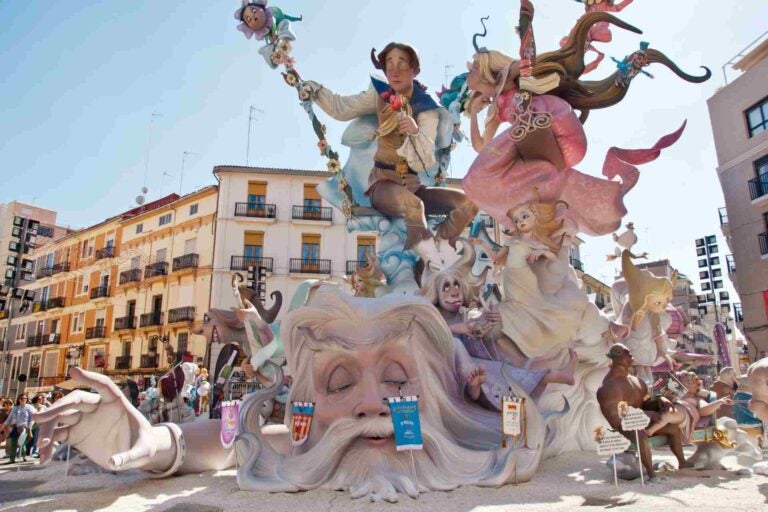
- Street Fallas: Every year, more than 700 giant sculptures (fallas) are built and displayed across the city, many stretching several stories high.
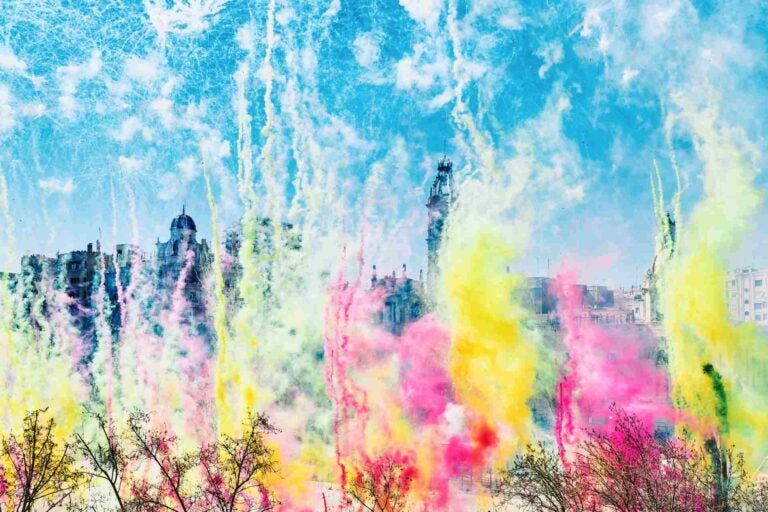
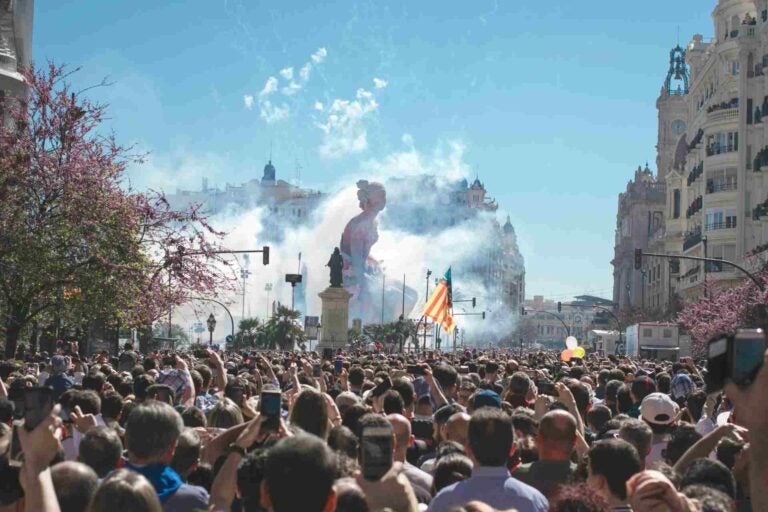
- Daily fireworks: The Mascletà show is a firecracker display happening every day at 2 pm starting March 1st in Valencia’s municipality square (Plaza del Ayuntamiento).
- Final burn: On March 19, the Fallas festival ends with La Cremà ceremony, when all fallas are burned in coordinated bonfires.
- Global recognition: UNESCO named Las Fallas as Intangible Cultural Heritage in 2016, honoring its deep artistic and community value.
- Local effort: Valencia’s falla committees in every neighborhood collaborate all year to design, fund, and celebrate their installations.
When and where does Las Fallas take place?
Las Fallas, also known as the Week of Fire, takes place in Valencia from March 15 to 19, filling the city with fireworks, towering monuments, and nonstop street celebrations.
You’ll find the biggest monuments and the daily Mascletà in Plaza del Ayuntamiento and the historic center. For a livelier street vibe, explore Ruzafa or El Carmen, or wander into smaller neighborhoods for a more local, laid-back take on the festivities.
What happens during the festival of Las Fallas?
During Las Fallas, Valencia fills with daily rituals that blend art, noise, faith, and fire. These are the key events you’ll experience as you move through the city.
Key Events
One of the most exciting things to do in Valencia in March is to join the Las Fallas celebrations. Here are the key events you won’t want to miss:
- The Ninots and Fallas Monuments: Artists build hundreds of giant satirical sculptures (fallas) and display them across Valencia.
- Mascletà firecracker shows: Every day at 2 PM, powerful firecrackers explode in carefully timed rhythms in Plaza del Ayuntamiento.
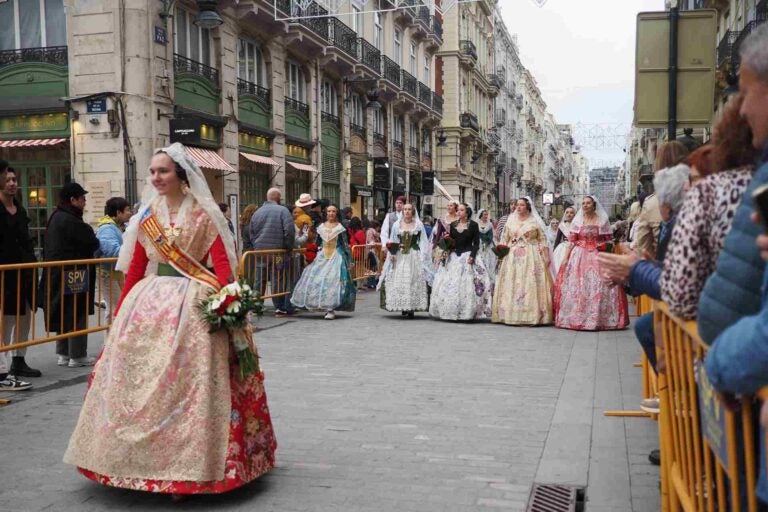
- La Ofrenda (flower offering): Over two days, locals in traditional dress parade through the streets to offer flowers, creating a massive floral display dedicated to the Virgin Mary.
- La Cremà (the burning night): On March 19 at 8 PM, all sculptures are set on fire, ending the Las Fallas festival.
What food is eaten during Las Fallas?
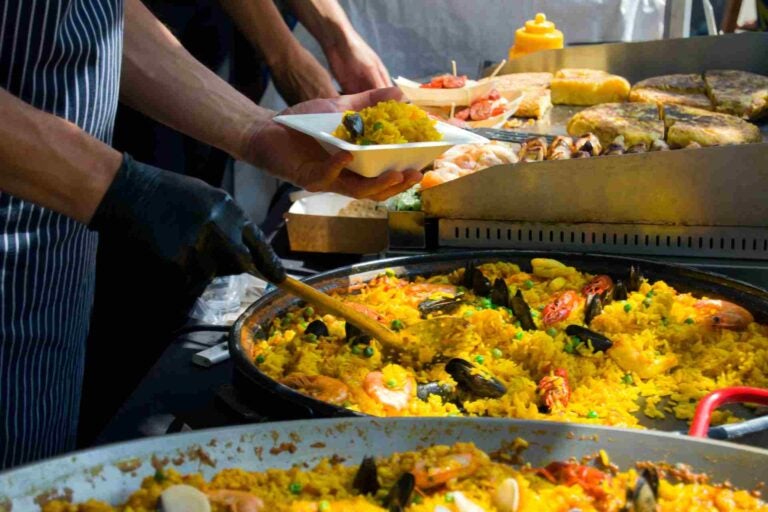
During Las Fallas, people living in Valencia enjoy traditional street foods. You’ll find local favorites like paella Valenciana, buñuelos de calabaza (pumpkin fritters), and hot chocolate on nearly every corner.
For something refreshing, try a cold glass of Horchata and Fartons, a famous non-alcoholic, traditional drink from Valencia made from tiger nuts.
What kind of music is played during Fallas?
During Las Fallas, you’ll hear traditional Valencian music, brass bands, and drum ensembles performing in the streets. Music accompanies parades, fireworks, and daily events, creating a festive and energetic atmosphere throughout the city.
Why is Las Fallas celebrated?
Las Fallas is a celebration of renewal, creativity, and community spirit. At its core, the festival honors Saint Joseph, the patron saint of carpenters, and marks the symbolic end of winter.
Burning the Fallas represents clearing out the old to make space for the new. The festival also celebrates traditional crafts, satire, and collective expression, turning the act of burning into something joyful, artistic, and deeply rooted in Valencian identity.
A brief history of Las Fallas in Valencia
The history of Las Fallas begins in the 19th century, when local carpenters burned wood scraps in the streets to welcome spring. Over time, these simple fires became more elaborate as neighborhoods began building figures, adding humor, and turning their creations into public art.
By the 20th century, the small street burns had grown into towering monuments, parades, and city-wide celebrations. Today, Las Fallas is Spain’s most famous fire festival, recognized by UNESCO for preserving local tradition and craftsmanship on a global stage.
Visitor tips for Las Fallas Festival
If you’re planning spring travel to Spain, Las Fallas is one of the most unforgettable ways to experience local culture.
Here is everything you need to know to enjoy it fully.
Where to stay in Valencia
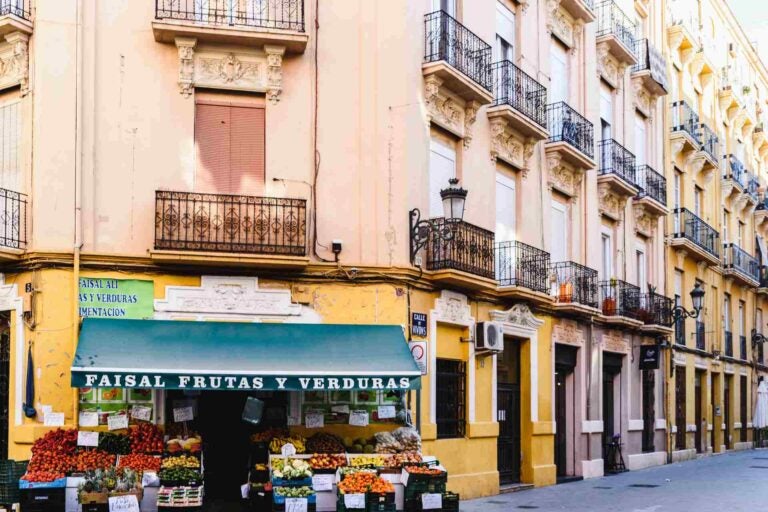
If you want to be close to Las Fallas celebrations, book early in the historic center, the Ruzafa or El Carmen neighborhood. These areas put you within walking distance of major events like the Mascletà and the biggest monuments.
For a quieter stay, consider Cabanyal or Malvarrosa near the beach, then walk or use public transport to reach the center.
Just note that Valencia sees over 3 million visitors during Fallas, and the city fills up fast. Accommodations disappear quickly, so it’s smart to reserve well in advance.
What to wear during Las Fallas
Depending on how many days you stay in Valencia, you’ll want to pack for long hours outdoors and unpredictable spring weather.
Wear comfortable shoes for walking and standing, and bring light layers you can easily adjust. Even on sunny days, a jacket is a smart addition, as it can get surprisingly cold in the shade or after sunset. If you’re sensitive to noise, ear protection is also a good idea, especially during the daily Mascletà.
Is it crowded during Fallas?
Yes, during March 15–19, the city is at its busiest, so you need to plan well in advance. Try to arrive early for major events like the Mascletà, and use public transport or walk to move through the city.
For a less intense experience, you can explore monuments in the early morning or visit smaller neighborhoods during the afternoon calm.
Is it worth visiting Las Fallas?
Yes, the Las Fallas festival experience is definitely worth the hype. It is one of Spain’s top cultural celebrations, and March is the perfect time to experience it.
The mix of fire, art, and tradition fills Valencia with energy you won’t find anywhere else.
Whether you are a digital nomad in Valencia or you’re just visiting for a few days, take the opportunity to plan a day trip from Valencia and discover the region beyond the fireworks.
Experiencing Las Fallas like a local
To see Las Fallas through local eyes, follow the rhythms of the day. Wake up to the Despertà when firecrackers crack through the early morning quiet. In the evening, head to a casal fallero, where neighbors gather over paella, music, and late-night celebrations.
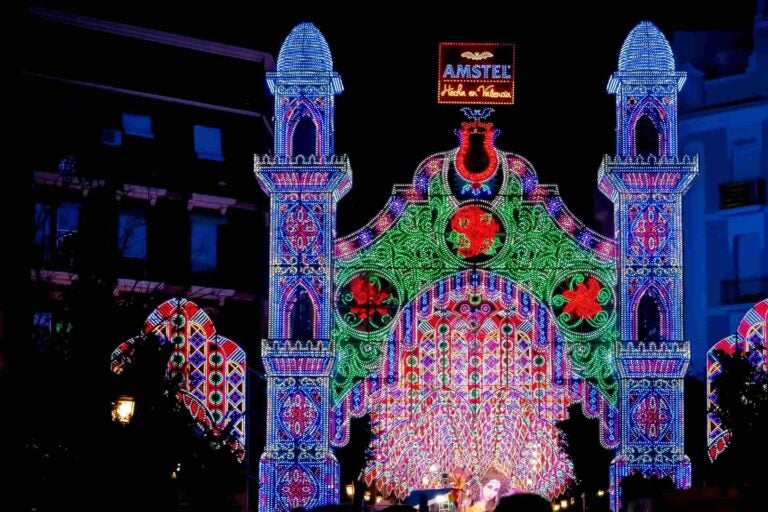
Wander into Ruzafa after dark to catch the light displays, grab buñuelos or roasted chestnuts from a street stall, and take your time wandering around. Some of the best moments happen away from the main stage, in the side streets where the festival feels most alive.
Stay connected while visiting the Las Fallas Festival
Holafly’s eSIM for Spain gives you a reliable, stress-free way to stay connected during one of Valencia’s busiest weeks. With instant data access, you can focus on enjoying the festival, navigating the city, and sharing the experience as it happens.
You can choose from flexible daily and monthly eSIM plans at a transparent price with no roaming fees.
And if your trip continues beyond Spain, you don’t need to change anything. The same Holafly eSIM works in 200+ destinations.
With Holafly international eSIM, your connection travels with you – simple, flexible, and uninterrupted.

Connectivity made easy
Activate your Spain eSIM in a few simple steps and manage your plan through our dedicated app.
Plans that may interest you

Formerly a travel journalist turned marketing copywriter, I found my way back to the travel world with Holafly—my dream company that made remote work possible. My motto? “Dream big and make it happen.” I’m passionate about writing, exploring the world, and staying active through walking, running, swimming, and hiking. I also love learning, reflecting, and connecting with inspiring minds.