Language


 No results found
How to get around Boston: A complete guide for tourists
Explore Boston with ease! Learn to navigate The T, use the free airport shuttle, and discover why this historic city is best explored on foot.

Boston is a historic, beautiful, compact city. While its cobblestone streets are charming, they are a nightmare for drivers. Between one-way roads and expensive parking, bringing a car is often more stressful than it’s worth.
In this guide, we’ll show you how to get around Boston using public transportation, airport transfers, or rideshares. We’ll also cover biking and the best walking routes to help you navigate Boston like a local.
In the end, we will also help you stay connected during your trip with Holafly eSIM for Boston.

Connect to the fastest networks
International eSIMs, local networks. Enjoy the best of both worlds with Holafly.
How to get around Boston without a car
Many tourists avoid renting a car in Boston because the city has narrow streets with one-way routes, which create heavy traffic. Parking can be expensive and difficult to find, too. Daily parking fees often cost over $40.
The city is known as a Walker’s Paradise, making it much easier for tourists to get around Boston without a car. Most landmarks are within walking distance and reachable by the MBTA subway, known as The T.
For longer distances, rideshares are plentiful, and Bluebikes offer a fun, affordable way to cruise along the scenic Charles River.
How to use Boston’s public transportation
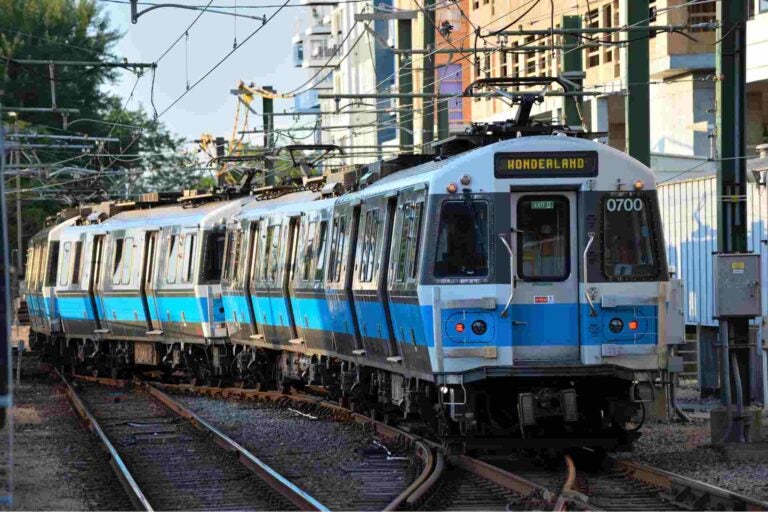
The Massachusetts Bay Transportation Authority, known simply as MBTA or The T, is the heartbeat of Boston travel. The system is color-coded into four main subway lines:
- Red: This line is the best bet for visiting Harvard University or catching a scenic view of the Charles River.
- Orange: It is a direct link to sports, shopping, and scenic parks, including TD Garden, the trendy outlets at Assembly Row, and the lush greenery of the Arnold Arboretum.
- Blue: It provides a direct connection to Logan Airport.
- Green: It stops at historic sites like Copley Square and Fenway Park.
For tourists, the Orange and Green lines are the most convenient ways to reach the city’s attractions.
Paying for your ride is easier than ever:
- For quick trips: Simply tap your contactless credit card, smartphone, or smartwatch at any subway fare gate or on-board bus reader for instant access.
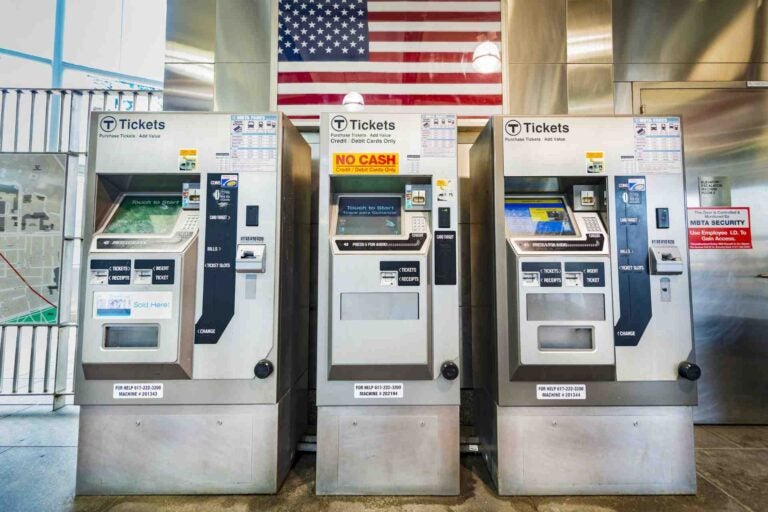
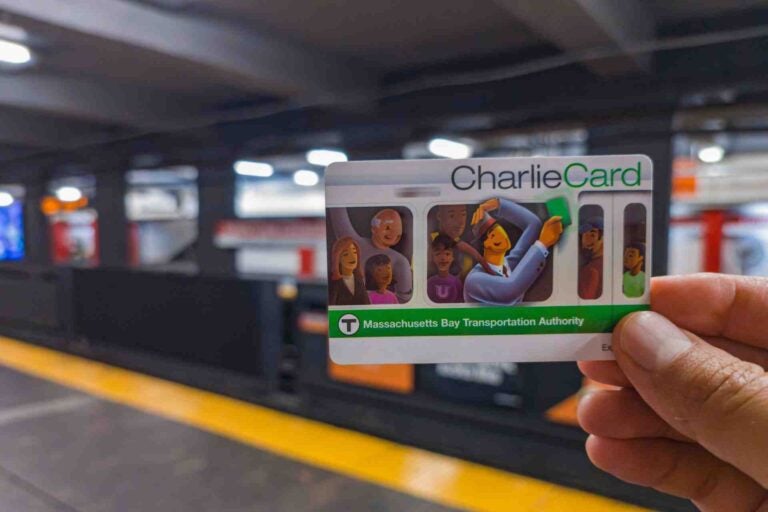
- For frequent travelers: Buy a physical CharlieTicket or CharlieCard at station vending machines to load a one-day or seven-day unlimited pass for a week of stress-free exploring.
Fares vary depending on the mode of transportation (bus, subway, ferry, or commuter rail) and the type of ticket or pass purchased.
However, if you are staying longer than just one or two days, using a weekly Charlie Ticket or CharlieCard is more budget-friendly than the pay-as-you-go payment with a contactless credit card.
How to get around Boston by train
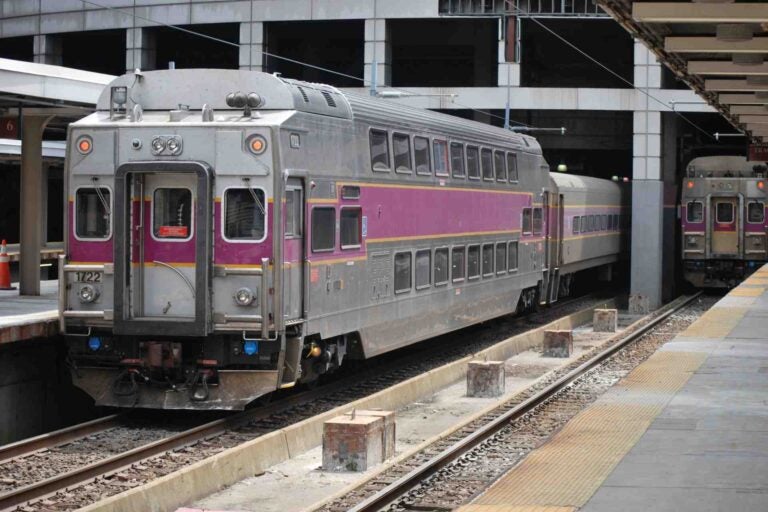
Tourists use the subway for daily sightseeing at spots like Fenway Park or the Freedom Trail. For iconic day trips from Boston to locations like Salem, Gloucester beaches, or Rhode Island, Commuter Rail is used.
Unlike the subway’s flat fare, Commuter Rail prices depend on how far you travel, and tickets should be purchased separately.
These trains are larger, offer more seating, and depart from two main hubs: North Station and South Station.
The easiest way to pay is through the mTicket app on your smartphone, or by buying a paper ticket at the station’s purple vending machines.
If you’re visiting over a weekend, look for the $10 Weekend Pass, which offers unlimited rides across the entire Commuter Rail network for both Saturday and Sunday. It’s a fantastic deal for exploring the New England coastline.
How to get around Boston by bus
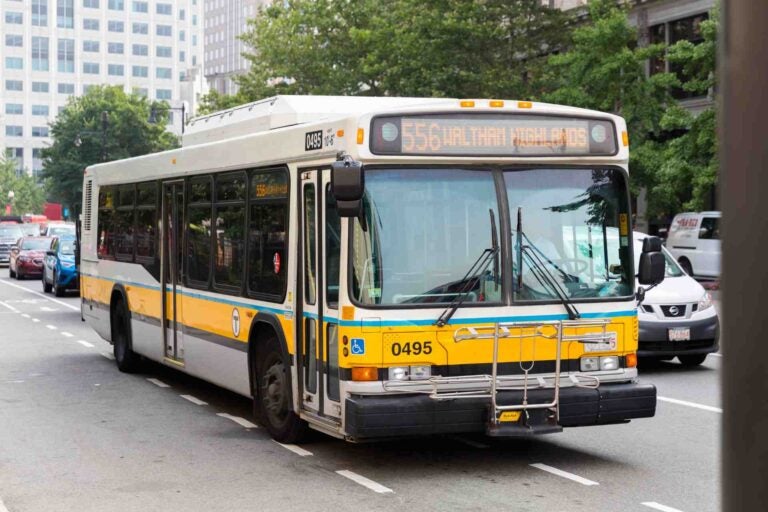
The MBTA bus system is essential for reaching neighborhoods like the Seaport District or parts of Cambridge that are farther from train tracks.
For visiting places like the Seaport restaurants or the East Boston murals, the bus is often the best option. It’s also slightly cheaper than the subway if you’re paying for individual rides.
Just remember that buses share the road with Boston traffic, so they can be slower during rush hour. For the best experience, use a transit app to track your bus in real-time, as schedules can shift with city traffic.
There is also a special BRT service in Boston called the Silver Line (SL). It is a special bus service that runs in dedicated lanes or tunnels for faster travel.
Main Silver Line Routes:
- SL1: Airport to Downtown (most popular).
- SL2: South Station to Boston Seaport area.
- SL3: Chelsea to South Station (less relevant for tourists).
- SL4/ SL5: They travel through neighborhoods south of downtown.
SL1 is the most popular line because:
- It connects Logan International Airport to South Station for free.
- It is the best way to reach downtown quickly.
- SL1 has some underground routes to bypass downtown traffic.
- It is faster than local buses.
How to use Boston public transport tickets and passes
To help you navigate the system like a pro, here is a breakdown of the current ways to pay for the T:
- Tap to Ride (Contactless): For most travelers, the easiest option is to tap a contactless credit card or smartphone at the gate for a single ride.
- CharlieTicket: These are paper tickets available at all station vending machines. They are great if you want to purchase a 1-Day ($11.00) or 7-Day ($22.50) LinkPass for unlimited travel. Simply tap the ticket on the sensor rather than inserting it.
- CharlieCard: This is a reusable plastic card that you can pick up at station kiosks or select retailers. It works just like a CharlieTicket but is more durable. You can load it with money or passes and manage your balance online through the MBTA website.
- mTicket App: This mobile app is specifically for the Commuter Rail and Ferries. It allows you to buy tickets on your phone and show them to the conductor. It is also the best place to buy the $10 Weekend Pass, which gives you unlimited commuter rail travel all Saturday and Sunday.
Is Boston walkable for tourists?
Yes. Boston is famously known as The Walking City. Because of its compact design, most of the famous sights are close enough to be easily walked between.
You can comfortably spend an entire day exploring on foot without ever needing to worry about a car or even a subway map.
The city’s charm is best discovered through its historic, pedestrian-friendly neighborhoods. You can wander the gas-lit, cobblestone streets of Beacon Hill, grab an authentic cannoli in the narrow alleys of the North End, or enjoy the wide, Victorian-style boulevards of Back Bay.
For a more structured stroll, the Freedom Trail and the Downtown waterfront offer scenic, well-marked paths that connect centuries of history in just a few miles.

Tours, rideshares, and alternative transportation options
Boston’s transportation is not limited to just buses or subways. You have several options to customize your travel.
Hop-on hop-off tours
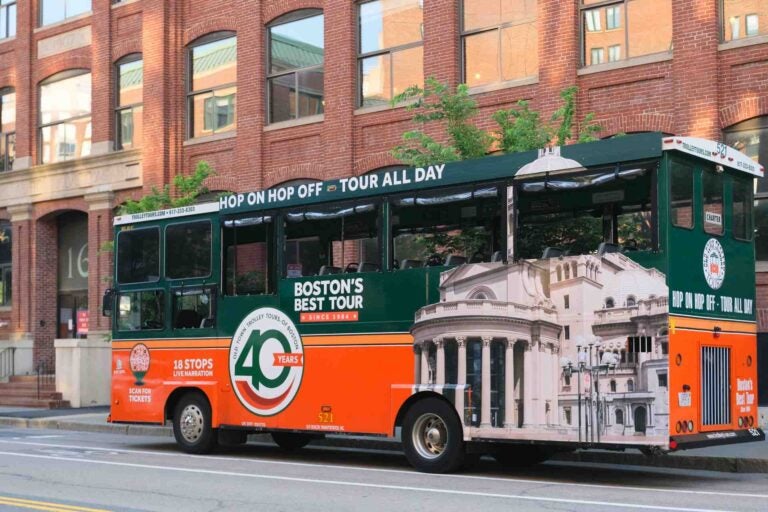
For first-time visitors or those with limited time, hop-on hop-off tours are a fantastic investment. These tours provide a historical overview of the city, allowing you to have a quick look at the main attractions in Boston in one day.
Here is a quick overview of hop-on-hop-off tours in Boston:
- Buses run continuously on a fixed route.
- You can get off at any stop to explore.
- You can hop back on the next bus, which usually arrives every 15–30 minutes.
- Guides explain Boston’s history during the ride.
- The number of stops is usually between 13 and 20, depending on the company.
- The price is about $40–$60 for adults, with discounts for children and families.
- Tickets are valid up to 2 days.
Bikes, scooters, and taxis
If the previously mentioned transportation options in Boston don’t work for you, here are some other alternatives:
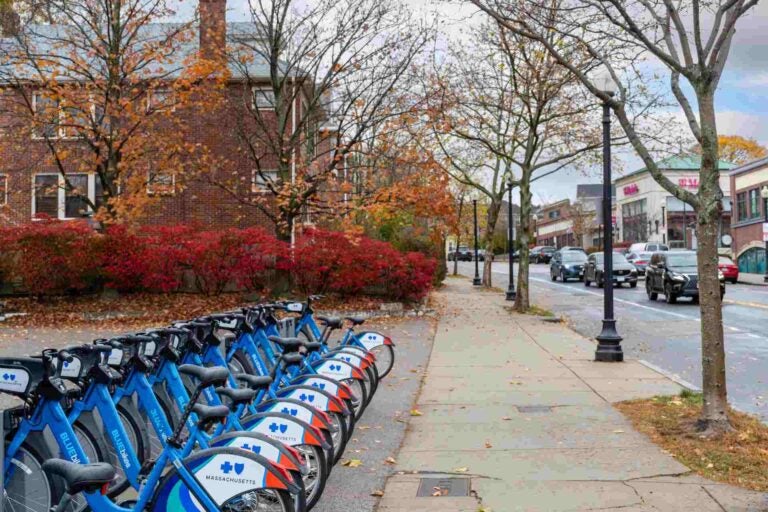
- Bikes: Boston is very bike-friendly, with dedicated bike lanes and a large public bike-share system called Bluebikes. You can grab a classic bike or an e-bike from hundreds of stations for a quick trip or buy a $10 Day Pass for unlimited 2-hour rides.
- Scooters: Boston does not widely allow shared electric scooter rentals. While electric scooters are available in specific zones, they are more restricted than in other cities.
- Taxis: Traditional taxis are also plentiful, especially near hotels and transit hubs like South Station, often providing a reliable alternative when rideshare wait times are high.
Rideshare
Rideshare is an on-demand transportation service where you request a ride through an app. The two major services operating in Boston are Uber and Lyft. It’s a convenient, app-based alternative to taxis:
- It’s a door-to-door service.
- Available everywhere.
- Faster than taxis.
- No cash needed.
The RIDE paratransit service
The RIDE is a special transportation service in Boston for people who cannot use regular public transit because of disabilities. It is more like a shared, accessible door-to-door ride service.
Trips are usually scheduled the day before travel. You should book in advance either through the MBTA website or by calling the reservation center. The fare is similar to regular MBTA transit.
Best way to get around Boston as a tourist
To help you choose the right way to navigate, here is a quick decision guide based on your travel style:
| Recommended Option | Details | |
|---|---|---|
| Short Stay | Walk + The T | Most major sights are within a 15-minute walk of a subway station. |
| Airport Transfer | Silver Line (SL1) | A free ride to South Station |
| Late Night | Uber or Lyft | Subway closes around 12:30 AM. Rideshares are your most reliable option after midnight. |
| Day Trip | Commuter Rail | The best way to reach Salem, Concord, or Gloucester. |
| Traveling with Kids | Mix of The T + Rideshare | Subway is fun and fast, but rideshares help with tired kids or strollers. |
Staying connected while getting around Boston
Getting around Boston is more convenient when using a reliable mobile connection. You will need a stable data connection for real-time transit updates, GPS maps, and booking quick rideshares.
Holafly’s eSIM for the USA offers unlimited data, flexible plans with cost-effective prices ranging from $3.90 to $1.55 per day. eSIM provides convenient connectivity during your trip, whether exploring the town or nearby cities. All you need is an eSIM-compatible phone.
If you travel a lot and would like to stay longer on a trip, Holafly plans offer a pay-monthly eSIM subscription service, which covers 170+ destinations. So, say goodbye to high roaming prices on your trips and stay connected anywhere in the world.
Plans that may interest you

Formerly a travel journalist turned marketing copywriter, I found my way back to the travel world with Holafly—my dream company that made remote work possible. My motto? “Dream big and make it happen.” I’m passionate about writing, exploring the world, and staying active through walking, running, swimming, and hiking. I also love learning, reflecting, and connecting with inspiring minds.