Language
Fuji Rock Festival 2026: Lineup, tickets, and festival guide
Fuji Rock Festival 2026 runs July 24–26 at Naeba Ski Resort. Get the full lineup, ticket prices, travel tips, and everything you need to plan your trip

Fuji Rock Festival 2026 takes place July 24–26 at Naeba Ski Resort in Niigata, Japan. This guide covers everything international attendees need to know: confirmed dates, the full lineup and headliners, ticket types and pricing, and practical tips for first-time visitors.
If you’re planning a trip to Japan around the festival, check out Holafly’s Japan travel guide for everything from visa info to getting around.

Unlimited data. Peace of mind.
Make sure you have travel data that's there when you need it most.
Fuji Rock Festival 2026 dates and location
Fuji Rock Festival 2026 runs from Friday, July 24 to Sunday, July 26, following the event’s traditional late-July format. Festival gates open at 9 a.m. each day, with programs running through to 5 a.m. the following morning.
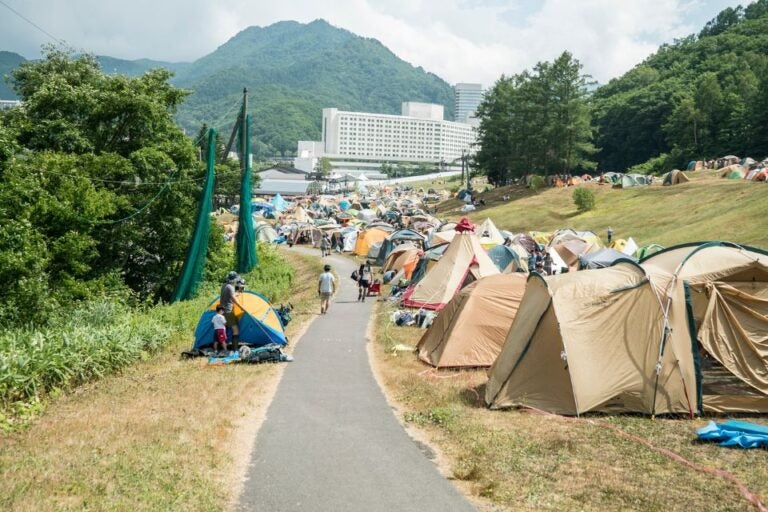
The festival is held at Naeba Ski Resort in Niigata Prefecture, a large mountain venue surrounded by forests, roughly two to three hours from Tokyo. The site spans multiple outdoor stages, a dedicated campsite, food areas, and hot spring facilities. The terrain is hilly, and the weather in late July is famously unpredictable, so come prepared for both heat and heavy rain.
For a broader look at what makes Japan special and worth visiting, take a look at these facts about Japan before you go.
Fuji Rock Festival 2026 lineup and headliners
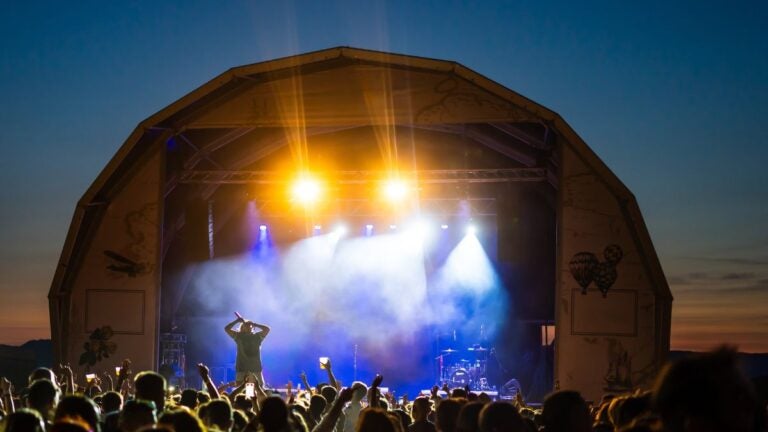
The 2026 lineup features three internationally acclaimed headliners across the three days:
- Friday, July 24: The xx
- Saturday, July 25: Khruangbin
- Sunday, July 26: Massive Attack
Beyond the headliners, the full lineup spans rock, indie, electronic, jazz, and alternative genres, with a strong mix of international acts and Japanese artists. Notable names include Arlo Parks, HYUKOH, Mogwai, Asian Kung-fu Generation, Fujii Kaze, among many others across 11 stages.
Tips for planning your schedule:
- Prioritize early: Download the official app or check the timetable on the Fuji Rock website as soon as it goes live. Popular acts across smaller stages fill up fast.
- Account for travel between stages: Naeba is large and hilly. Moving between the Green Stage, White Stage, and Field of Heaven can take 15–30 minutes on foot.
- Build in buffer time: Schedule clashes are common. Decide in advance which acts are must-sees and which you’re happy to catch partially.
- Factor in food and bathroom queues: With up to 150,000 attendees on site, queues for food stalls and bathrooms can be long, especially around set breaks. Build in extra time before and after major performances so you’re not rushing.
- Explore beyond the music: Fuji Rock is more than just concerts. The venue features a range of non-music activities, art installations, nature walks, and cultural experiences scattered throughout the site. Leave some unscheduled time to wander and discover what’s on.

Fuji Rock Festival 2026 tickets and prices
Ticket options for 2026 include single-day passes and three-day passes. There is no general two-day ticket. Attending two days means purchasing individual day tickets for each. Indicative pricing is as follows:
| Ticket type | Price (JPY) |
|---|---|
| 1-day ticket (general) | ¥26,000 |
| 3-day ticket | ¥59,000 |
| Under 22 – 1-day ticket | ¥18,000 |
| Under 17 – 1-day ticket | ¥9,000 |
| Children 15 and under | Free (with adult) |
| Campsite ticket (per person) | ¥6,000 |
| Friday night-only ticket | ¥16,000 |
Prices are in Japanese yen. If purchasing from outside Japan, your final cost will depend on your card’s exchange rate and any foreign transaction fees.
Tickets sell out quickly. The 2025 edition saw both Saturday single-day passes and three-day passes sell out entirely. Make sure to purchase through the official Fuji Rock website or authorized ticketing platforms such as eplus or Rakuten Ticket to avoid scams or invalid resale tickets.
Is the Fuji Rock Festival worth attending?
For the music festival lovers, yes, it’s one of the best things to do in Japan, and by a significant margin. Fuji Rock has been running since 1997 and consistently draws between 100,000 and 150,000 attendees each year, making it the largest outdoor music event in Japan.
What sets it apart from most festivals is the setting. The Naeba mountain environment creates an atmosphere that’s difficult to replicate: stages are tucked into forests, streams run alongside footpaths, and the surrounding landscape makes the whole experience feel genuinely immersive.
It’s frequently compared to Glastonbury in terms of scale, culture, and the sense that the festival has its own world within it.
The multi-day camping format adds to that. Most attendees stay on-site for the full three days, and there’s a strong community feel, particularly among the international crowd, which has grown steadily over the years. Food options are a notable highlight too, with 10 dedicated eating areas across the venue and campsite.
If you’re weighing up the timing of your Japan trip, the guide to the best time to travel to Japan can help you plan around the festival season.
Practical tips for attending Fuji Rock Festival 2026
Whether it’s your first time or a return trip, preparation makes a real difference at Fuji Rock. Here’s what to sort before you arrive.
Getting there
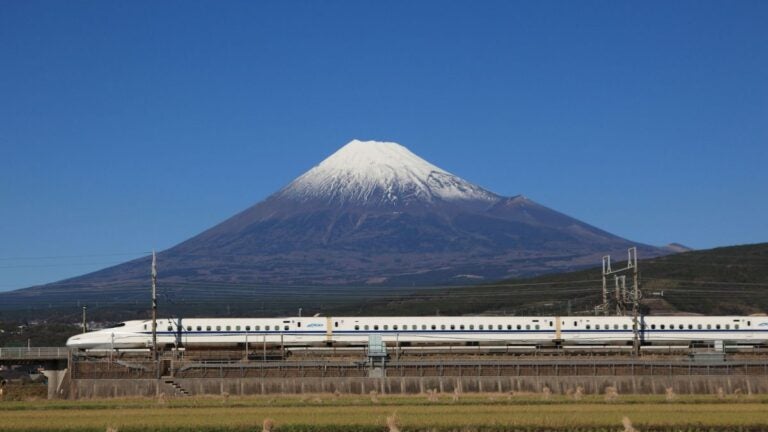
- Shinkansen (recommended): Take the Joetsu Shinkansen from Tokyo Station to Echigo-Yuzawa Station (around 90 minutes, approximately ¥6,790 one way), then a free 40–60 minute shuttle bus to Naeba.
- Local train (budget option): A slower alternative taking around four hours with three changes, costing under ¥4,000.
- By car: Driving is possible, but parking costs ¥6,000 per vehicle per day, and you must enter with at least one other ticket holder.
- Last train warning: The last train from Echigo-Yuzawa departs before the final acts finish. Plan your return in advance or stay on-site.
Packing essentials
- Rain gear: A waterproof jacket and poncho are non-negotiable. The grounds turn muddy quickly, and rain can arrive without warning.
- Footwear: Wear sturdy, waterproof shoes or boots. Sandals and sneakers won’t hold up on wet, hilly terrain.
- Layers: Temperatures drop noticeably after dark, even in July, so pack warm layers for the evening.
- Reusable water bottle: Glass bottles and cans are not permitted inside the venue.
- Sun protection: Sunscreen and a hat are essential for daytime hours.
- Power adapter: Japan plug type guide mentioned Japan uses Type A plugs with 100V electricity, so make sure your devices are compatible before you travel.
Accommodation
- On-site camping: The most popular option at ¥6,000 per person for the full festival period. Tents are not provided, so bring your own or arrange rental in advance.
- Hotels and ryokan: Options in the Yuzawa area fill up fast. Book as early as possible, ideally when you secure your festival ticket.
- Thursday arrival: Campsite access opens from 12 p.m. on Thursday, and there’s typically a free welcome party that evening with fireworks, traditional performances, and a surprise set.
On-site navigation
- Allow extra time between stages: Moving between the Green Stage, White Stage, and Field of Heaven can take 15–30 minutes on foot across hilly terrain.
- Use the internal shuttle: A go-round shuttle bus runs between the main gate and key stages throughout the day, useful when your legs need a break.
- Download the timetable early: Check the official Fuji Rock app or website as soon as the schedule drops, map out your must-see sets in advance, and have a travel eSIM ready so you can access updates on the go without relying on local Wi-Fi.
- Arrive early for headliners: Crowds around the Green Stage build quickly before big acts. Get there ahead of time if you want a good spot.
Safety
- Watch your footing: Trails get slippery when wet. Sturdy footwear is essential, not just comfortable.
- Stay hydrated: Warm, humid afternoon conditions can catch people off guard. Keep water with you throughout the day.
For more on planning your trip, resources like How to plan a trip to Japan covers transport, accommodation, and everything in between.
Stay connected with Holafly eSIM at Fuji Rock Festival 2026
Fuji Rock spans a large mountain site with 11 stages, so you’ll need reliable data for navigation, real-time timetable updates, shuttle bus schedules, and coordinating with your group. A Japan eSIM from Holafly gives you unlimited data, 5G speeds, and 24/7 customer support, so you’re sure not to lose connection at the wrong moment.
If you’re also visiting other parts of Asia on the same trip, you can also get an eSIM for Asia for shorter trips with multi-country coverage in the region.
What’s more, Holafly stays with you through Always On: 1 GB of built-in backup data included with every eSIM plan. Whether you’re on a short trip, long layover, or quick border crossing, you’ll stay connected as long as you keep the Holafly eSIM installed on your device.
To compare more options, visit the Holafly eSIM Store to find the plan that works best for your trip.

24/7 support, no matter what
When you're traveling, every question can be an urgent one. That's why we work around the clock.
Plans that may interest you

Formerly a travel journalist turned marketing copywriter, I found my way back to the travel world with Holafly—my dream company that made remote work possible. My motto? “Dream big and make it happen.” I’m passionate about writing, exploring the world, and staying active through walking, running, swimming, and hiking. I also love learning, reflecting, and connecting with inspiring minds.