Language


 No results found
Cities in Florida: A local’s guide
Explore the most important cities in Florida with local insight. Learn what makes Miami, Orlando, Sarasota, and others worth visiting.

When you think of cities in Florida, a few names come to mind straight away, like Miami, Orlando, and maybe Tampa. These are great cities, and there’s much to explore, but Florida is full of underrated gems that don’t get much spotlight.
This list of Florida cities brings together ten destinations that offer a well-rounded sense of the state. The best part is that this blog includes insights from Manuela Oswald, our local Holafly expert who lived in Florida for several years. Her experience helps separate hype from what actually makes these places in Florida special. Stay connected with a travel eSIM on your trips abroad.

An eSIM you can rely on
Join over 10 million Holafly customers and get connected with our trusted, global services.
Understanding Florida cities at a glance
According to the United States Census Bureau, the Sunshine State has hundreds of incorporated cities, towns, and municipalities. Each has its own local government, rules, and services for residents.
Florida’s cities feel very different depending on where you are in the state.
Southern cities tend to be fast-paced and internationally influenced. Central Florida is shaped by entertainment, family travel, and car-centric sprawl. Head north, and the atmosphere shifts again, with older cities, cooler winters, and a stronger Southern identity.
The Florida Keys sit outside all of this, offering a slower, island-style rhythm that’s less about cities and more about lifestyle. With that in mind, the cities below represent different sides of Florida, what they’re best known for, and why you shouldn’t just end your trip at Miami/Orlando.
1. Miami
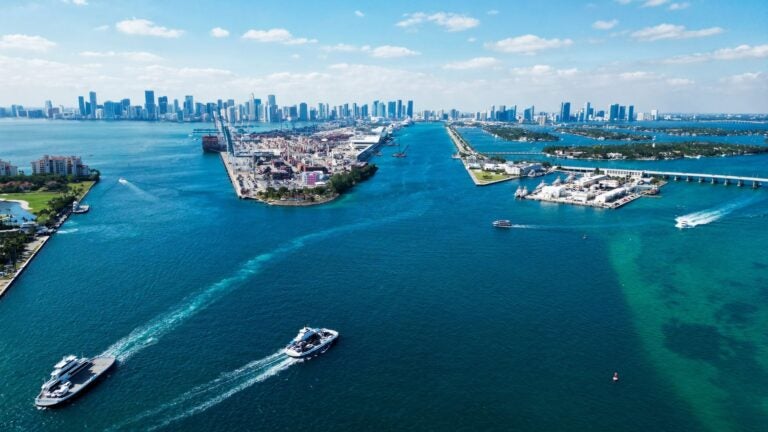
It only makes sense to start this list off with Miami. It’s definitely one of Florida’s most celebrated cities, but that doesn’t mean it’s overrated in the slightest.
You’ll find lots of Cuban, Caribbean, and Latin American influence and communities. Manuela puts it simply, “Miami best represents Florida’s identity as a multicultural gateway city.” From Little Havana to Wynwood, the street life feels active and expressive.
According to Manuela, Miami is best for:
- Culture, nightlife, and sun-kissed beaches
- Café life and street energy
- Art Deco architecture (Miami is actually one of the top 5 best cities for art galleries in America)
Miami appears on every Florida-related list for a reason. It may not be the biggest city by land area, but its cultural weight is undeniable. And with the Everglades on the city’s doorstep, wild encounters are just a day-trip away.
However, Manuela advises remaining cautious in a big city like Miami (and any other big city, for that matter). Here are some tips:
- Avoid neighbourhoods like Liberty City and Overtown, which have higher crime rates. Tourist areas (South Beach, Brickell, Coral Gables, Little Havana) are generally safe with police presence.
- Watch belongings in crowded areas and at beaches, use rideshares at night instead of walking, and be aware that property crimes (pickpocketing, theft) can occur.
- Miami also has hurricane season (June-November) and areas prone to flooding during heavy rains.
Overall, perceptions are worse than reality, but basic urban precautions still apply.
Main Miami public transport modes:
- City of Miami Trolley (free public trolley system)
- Metromover (free rail network through scenic routes)
- Metrorail (connects Miami International Airport, fares start at $2.25 USD)
- Metrobus (covers more than 90 routes)
2. Orlando
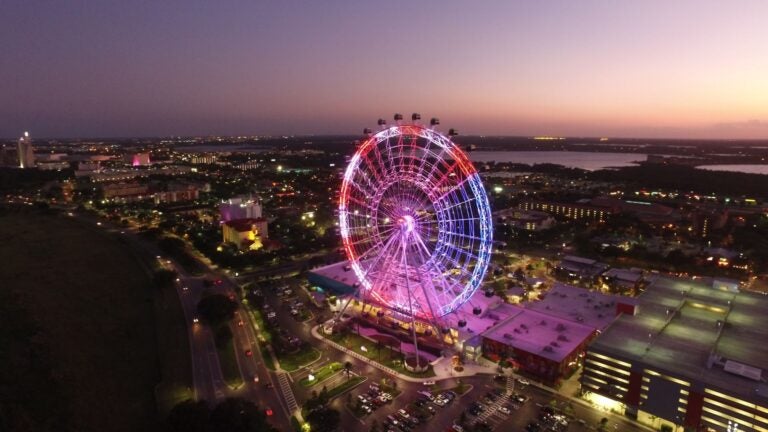
Orlando is one of the most visited places in Florida, especially for families. It lies in the heart of Florida, but what it lacks in beaches, it makes up for with gorgeous lakes and some of the world’s best theme parks, including Disney World and Universal Studios.
The sun-soaked climate and bustling Downtown only add to Orlando’s appeal. If you’re looking for an amazing shopping spree, lively nightlife, and the best resorts, this Florida city should be at the top of your list.
According to Manuela, Orlando is best for:
- Theme parks (Disney/Universal)
- Family entertainment
- Natural springs
Main Orlando public transport modes:
- LYMMO Downtown Circulator (free service)
- LYNX (the city’s main public bus network)
- Resort transportation (Disney World and Universal Studios)
3. Jacksonville
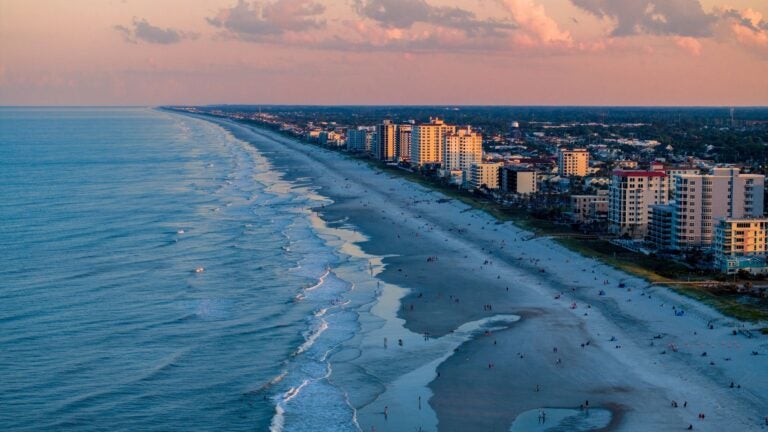
Jacksonville is the largest city in Florida by land area (and the state’s largest population), and that scale shapes the experience. Unlike denser Florida cities, Jacksonville feels open and spread out. Neighbourhoods are separated by rivers, parks, and the coastline, offering a breath of fresh air from urban jungles.
Jacksonville’s biggest plus point is the access. There are long Atlantic beaches like Jacksonville Beach and Neptune Beach, the St. Johns River cutting through the city, and one of the largest urban park systems in the United States. If you want to experience Florida without the constant crowds, Jacksonville’s pace is noticeably calmer.
According to Manuela, Jacksonville is best for:
- Beach access without heavy tourism
- Urban parks, kayaking, and nature trails
- Longer stays with more space and lower costs
Main Jacksonville public transport modes:
- JTA buses (local routes across the city)
- Skyway automated people mover (downtown)
- Amtrak (regional rail connections)
4. Tampa
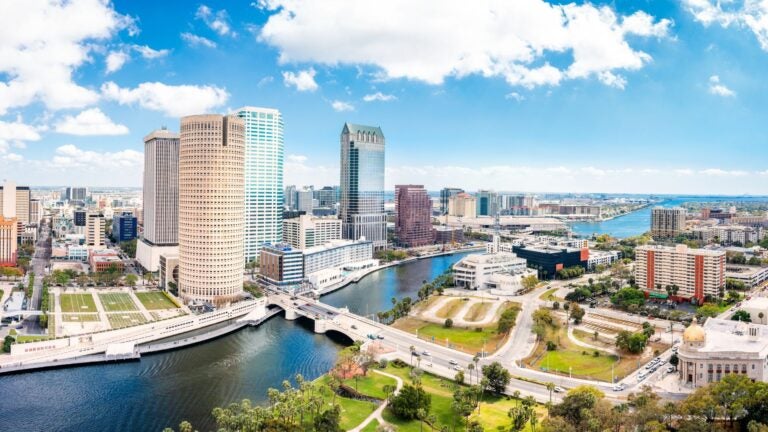
This major city in Florida has a little bit of everything. It combines a strong business center with a scenic coast, history, and a growing food scene.
Speaking of food, this is where you can get the famous Cuban sandwich, one of Florida’s must-try foods.
Ybor City is one of the must-visit areas in Tampa. It was once the heart of the cigar industry and now blends historic buildings with nightlife, restaurants, and cultural events. The Tampa Riverwalk connects museums, parks, and neighbourhoods, making the city very walkable and easier to explore on foot.
Tampa also works well as a base. You are close to Gulf Coast beaches, St. Petersburg, and inland nature areas, without being locked into a resort environment.
According to Manuela, Tampa is best for:
- Historic districts like Ybor City
- Waterfront walking and museums
- A central base for West Coast Florida
Main Tampa public transport modes:
- HART buses (city and county routes)
- TECO Line Streetcar (downtown to Ybor City)
- Amtrak (limited regional service)
5. St. Petersburg
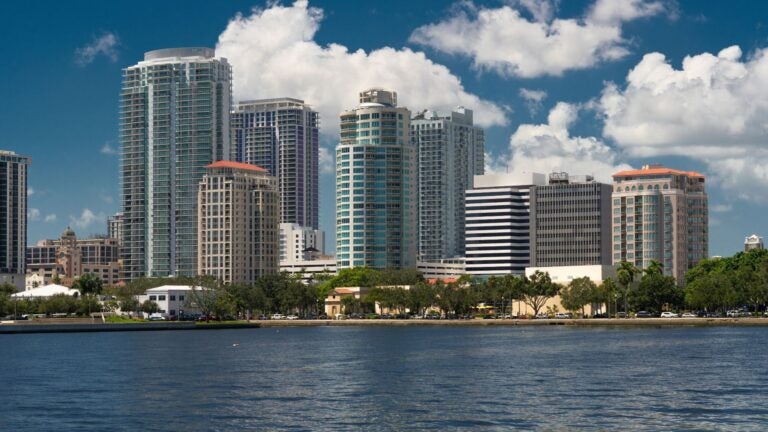
St. Petersburg is smaller than Tampa but delivers a packed experience. The city is known for its art museums, independent shops, and strong connection to the waterfront.
The Salvador Dali Museum and the Museum of Fine Arts give the city cultural weight that feels unexpected for its size. Much of downtown is walkable, which is rare among cities in Florida. You can move easily between cafés, galleries, and the bayfront without constantly relying on a car.
It also receives more sunshine than most Florida cities, if you’re interested in warm, sunny weather.
According to Manuela, St. Petersburg is best for:
- Art and culture in a compact city
- Walkable downtown areas
- Sunset views along Tampa Bay
Main St. Petersburg public transport modes:
- PSTA buses (local and regional)
- SunRunner BRT (rapid bus along the beach corridor)
- Bike and scooter infrastructure (widely used downtown)
6. Fort Lauderdale
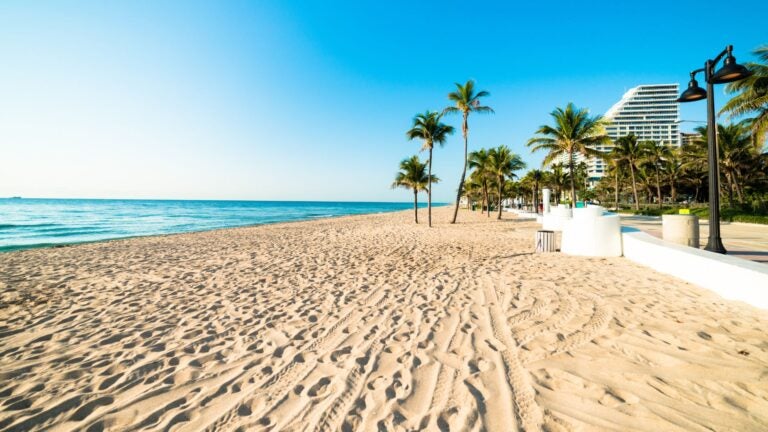
This city in Florida is built around water. It’s the “Venice of America”, and its canal system is integral to the people. It’s how they move, live, and travel.
For visitors, this means easy access to water-based activities like boating, water taxis, and beaches without the sensory overload. Las Olas Boulevard offers shopping and dining in a more relaxed setting, and the marina culture makes the yacht experience an everyday thing.
According to Manuela, Fort Lauderdale is best for:
- Water taxis and canal exploration
- Beaches with fewer crowds
- Yachting and marina culture
Main Fort Lauderdale public transport modes:
- Broward County Transit buses
- Water Taxi Fort Lauderdale
- Brightline (intercity rail to Miami and Orlando)
7. Key West
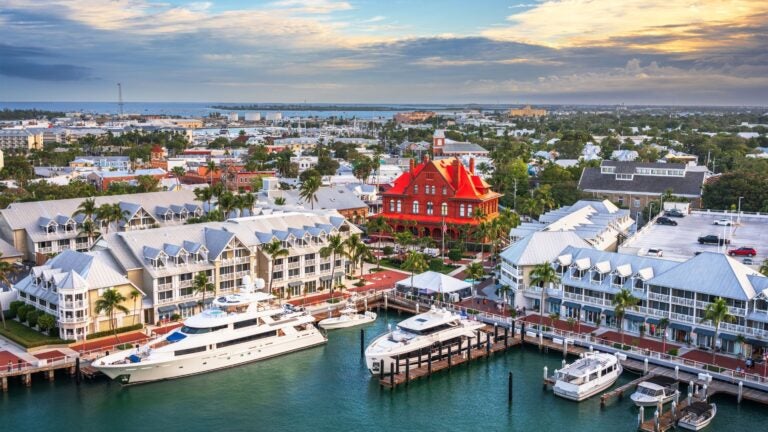
Key West sits at the end of the Overseas Highway and feels geographically and culturally separate from mainland Florida.
Manuela explains that the city’s tropical island atmosphere is what draws people here. Historic homes, pastel homes, and narrow streets make up Key West, along with the daily sunset celebrations in Mallory Square. The city is also rich in literary and maritime history, adding depth beyond its sunny beaches.
According to Manuela, Key West is best for:
- Tropical island atmosphere
- Historic neighbourhoods and landmarks
- Romantic or reflective trips
Main Key West public transport modes:
- Key West Transit buses
- Walking and cycling (compact layout)
- Ferry services (regional connections)
8. St. Augustine
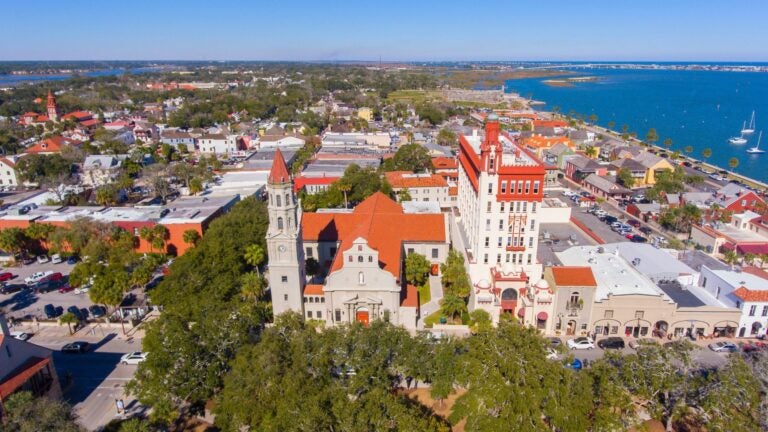
St. Augustine is the oldest continuously inhabited city in America, and its history is very visible rather than subtle. Spanish colonial architecture, stone structures, and narrow streets give the city a European vibe that is rare in Florida.
The Castillo de San Marcos is not just a landmark, but a reminder of how early Florida functioned as a strategic outpost. If you’re interested in how Florida developed before modern tourism, St. Augustine is the place to be.
According to Manuela, St. Augustine is best for:
- Colonial history and architecture
- Educational travel
- Slow, walk-focused exploration
Main St. Augustine public transport modes:
- Sunshine Bus (local routes)
- Trolleys (historic district transport)
9. Sarasota
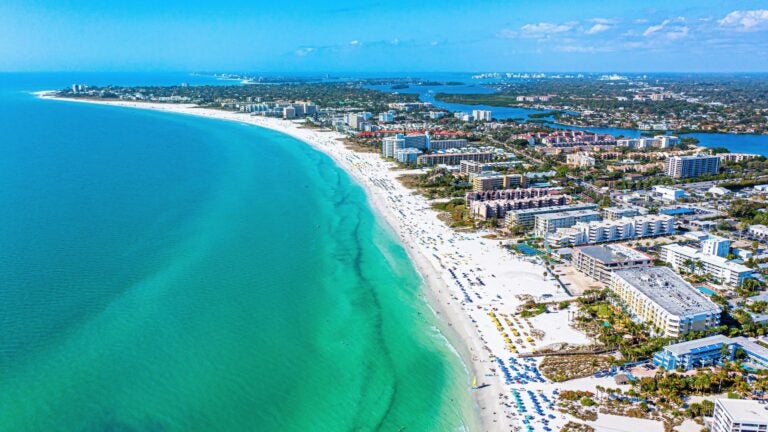
Sarasota, on Florida’s Gulf Coast, is a cultural powerhouse. Art, culture, and nature are three elements that shape Sarasota. The city’s cultural identity is tied to the legacy of the Ringling family. The Ringling Museum of Art, Ca’ d’Zan mansion, and surrounding gardens form one of the most important cultural complexes in the state.
Sarasota’s theaters, orchestras, and seasonal festivals attract residents and visitors year-round, not just during peak beach season. The city also has direct access to islands like Siesta Key, Lido Key, and Longboat Key. The waters are known for their calmness, making them suitable for swimming and paddleboarding.
In fact, Manuela recommends going to Siesta Key’s pristine beaches instead of Daytona Beach, which she labels “overrated.”
“Daytona Beach is too commercialized and overdeveloped. More for spring break party scenes, and cars driving on the beach ruins the experience.”
According to Manuela, Sarasota is best for:
- World-class cultural institutions and performing arts
- High-quality Gulf Coast beaches with calmer waters
- A refined but low-pressure travel experience
Main Sarasota public transport modes:
- Sarasota County Area Transit (SCAT) buses
- Seasonal trolley services on barrier islands
- Bike paths connecting coastal neighbourhoods
10. Tallahassee
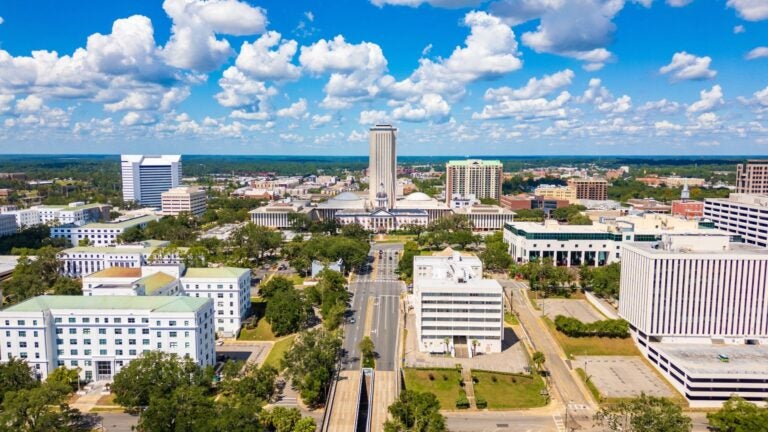
Tallahassee feels fundamentally different from most cities in Florida. It’s the state capital and is more focused on education and policy than on tourism.
The presence of Florida State University and Florida A&M University gives Tallahassee a strong academic identity. This influences everything from cafés and bookstores to public events and cultural programming. You will notice fewer souvenir shops and more civic buildings, libraries, and student spaces.
Located in Florida’s Panhandle, it has rolling hills, canopy roads, and dense tree cover, features uncommon in the state’s flatter parts. You’ll also find nearby state parks and nature reserves, such as Alfred B. Maclay Gardens and Apalachicola National Forest.
According to Manuela, Tallahassee is best for:
- Learning about Florida’s government and political life
- University-driven culture and events
- Inland nature, gardens, and canopy roads
Main Tallahassee public transport modes:
- StarMetro buses (city routes)
- Intercity bus services for regional travel
- Limited rail access via nearby Amtrak stations
What’s the best way to travel between the cities in Florida?
Manuela explains, “Driving is the most common and flexible way to travel between Florida cities.”
I-95 runs along the east coast, linking Miami, Fort Lauderdale, and Jacksonville. The Florida Turnpike cuts north–south through central Florida, while I-75 serves the west coast. Miami to Orlando usually takes around 3.5 to 4 hours by car.
If you prefer not to drive, Brightline, a crucial part of Florida’s transport system, has changed things. The high-speed train now connects Miami, Fort Lauderdale, and Orlando, making it the easiest rail option between major Florida cities. Flying can make sense for longer distances, but Florida remains largely car-dependent. Renting a car still offers the most freedom.
Holafly’s eSIM for Florida: The best way to stay connected
If reading about cities in Florida has hyped you up for a trip, one thing to consider is how you’ll stay connected. From checking routes between Florida cities to booking accommodation, using maps, or receiving confirmation emails, reliable mobile data quickly becomes essential.
An eSIM lets you stay online without searching for physical SIM cards or relying on public WiFi. You can activate it just before your trip, keep your regular number, and switch data plans directly from your smartphone. This is especially useful in a car-dependent state like Florida, where navigation apps are often part of daily travel.
Grab Holafly’s eSIM for Florida and enjoy unlimited data, high-speed internet, 24/7 customer support, and a daily hotspot allowance. Setting up your eSIM takes five minutes, and you’ll be connected as soon as you land. All you need is an eSIM-compatible phone!

Connect to the fastest networks
International eSIMs, local networks. Enjoy the best of both worlds with Holafly.
Plans that may interest you

Born and raised in Queens, New York, I'm a Psychology graduate with a passion for writing that I've been nurturing since 2019. Over the years, I've enjoyed creating meaningful content across various niches, including sports, hospitality, and career development. At Holafly, I focus on crafting useful and inspiring pieces to make your adventures more effortless. One of the best perks of this role? Creating travel content always seems to inspire my next vacation destination!