Language


 No results found
Hungry in Bali? Top 10 Bali foods from a local!
Discover the top Bali food to try, from street bites to traditional favorites.

Bali isn’t just beaches, infinity pools, and temple sunsets.
The island’s real magic hides in its warungs, where woks hiss, satay smoke drifts through the air, and spice vendors shout over piles of red chilies and fresh galangal.
Many of the dishes that define Bali food never make it into tourist cafes. They’re hidden across neighborhoods, family kitchens, or warungs that sell out before noon. Miss them, and you miss the island’s actual flavor.
To find the authentic dishes beyond tourist menus, I asked Saffron Yi Zhen Wu, a Holafly Content Manager who lived in Bali, for her firsthand recommendations.
1. Nasi Goreng
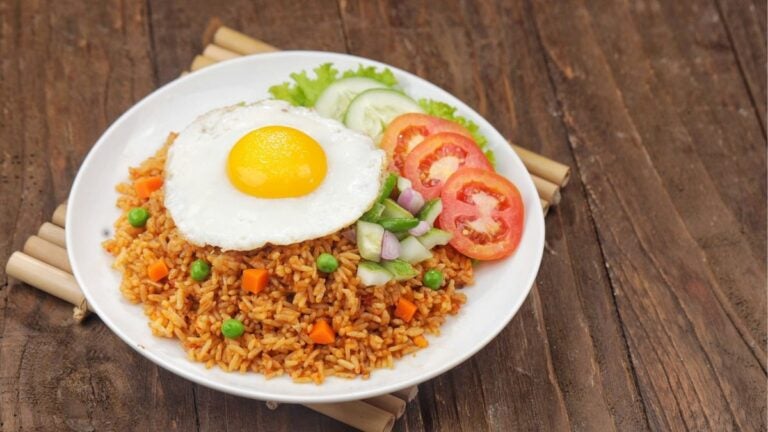
Nasi Goreng is the backbone of Bali food, showing up in every corner of the island, from dawn breakfasts in small warungs to late-night plates after the beach clubs close.
Its roots are humble.
Families originally made it to use leftover rice, which is why there’s no strict recipe and every household has its own version. In Bali, you’ll savor a blend of Chinese stir-fry techniques and local spices, creating a smoky, sweet, and deeply savory dish. Kecap manis gives it its caramelized edge, while terasi adds an unmistakable punch.
A fried egg, crisp shallots, and krupuk tie it all together.
2. Babi Guling
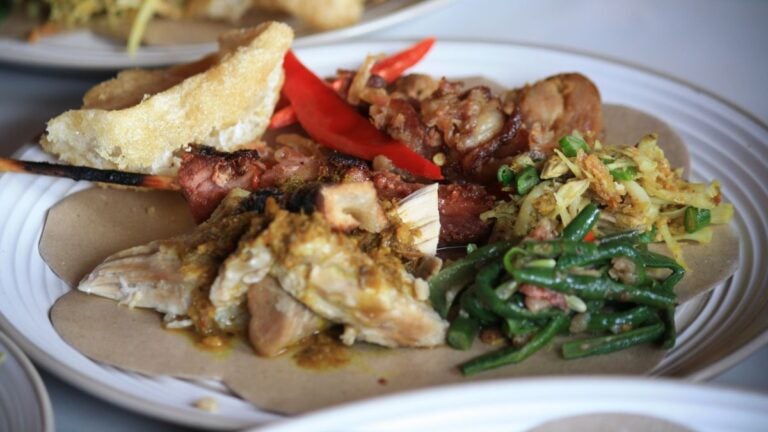
Babi Guling is a famous food in Bali known for its crackling skin, tender meat, and layers of aromatic spices.
It originated as a ceremonial dish in Balinese Hindu culture, served during temple festivals, weddings, and other significant life events. Today, dedicated warungs like Ibu Oka or Pak Malen roast whole pigs for hours over coconut husks. The flavor comes from basa genep, a signature spice paste with turmeric, galangal, lemongrass, chilies, and more.
A plate typically includes rice, pork with crispy skin, lawar, and sometimes pork soup or sausage.
3. Mie Goreng
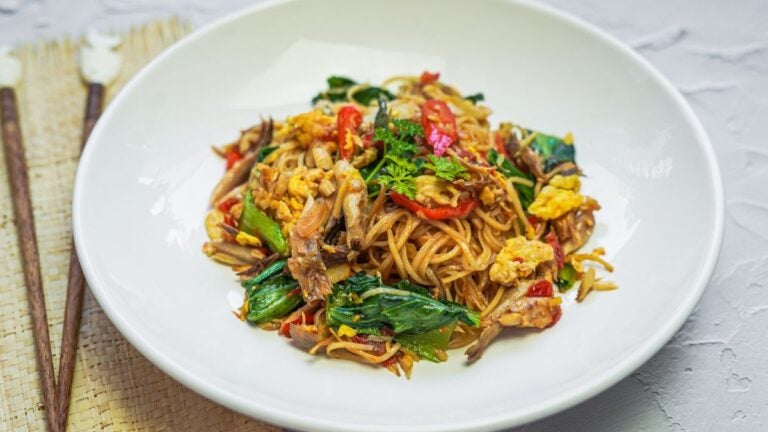
Mie Goreng is one of the most familiar comfort foods in Bali, showing up in homes, street stalls, and beach cafes.
Saffron tells me “its roots trace back to Chinese chow mein. Yet, over time, it became a distinctly Indonesian dish shaped by kecap manis, sambal, and local spices.” She notes “you’ll find many variations, from chicken or shrimp to vegetarian plates.” The noodles are sweet, savory, and slightly smoky, with the spice level adjusted to your preference.
A fried egg, crispy shallots, and fresh cucumber typically complement the dish, making it a satisfying staple of food in Bali.
4. Satay Lilit
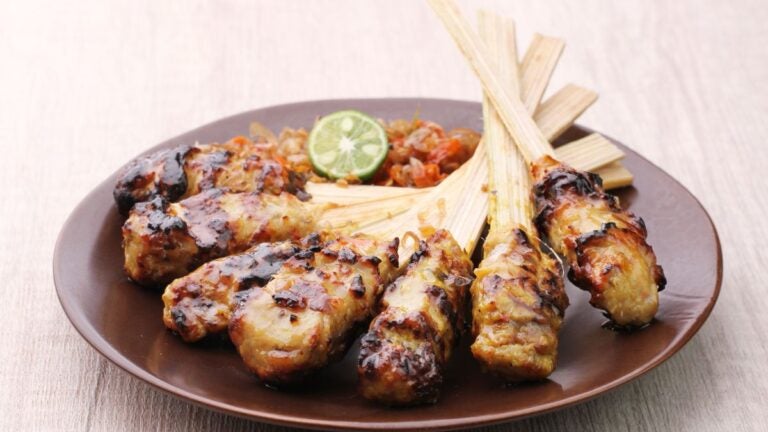
Satay Lilit stands out in Bali because the meat is wrapped around the skewer instead of being pierced through it.
“Satay Lilit is different from regular satay because it’s minced fish or meat wrapped around lemongrass sticks instead of skewered,” Saffron explains. The lemongrass gives it this amazing citrusy smell while it grills. You’ll find it everywhere from coastal villages to night markets. Today, it appears everywhere from coastal villages to Gianyar’s night markets, with versions made from fish, chicken, or pork. The flavor comes from basa genep, a fragrant spice paste blended with grated coconut, turmeric, ginger, and kaffir lime leaves.
Grilling it on lemongrass or bamboo adds a citrusy aroma, while sambal matah provides a bright, spicy finish.
5. Lawar
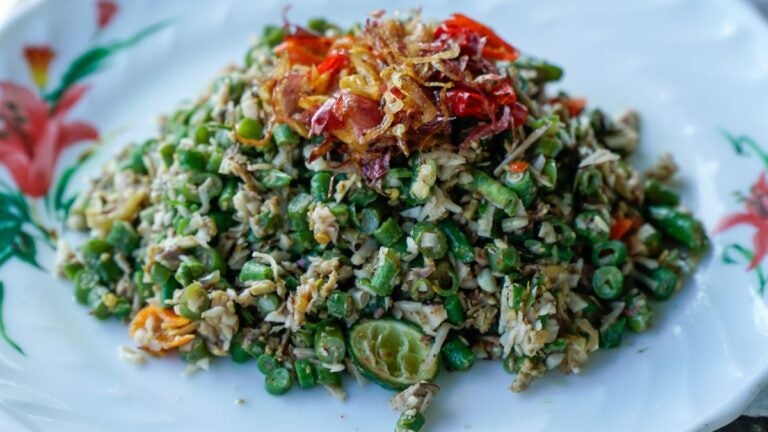
Lawar is one of the most culturally significant foods in Bali, traditionally prepared for temple ceremonies, weddings, and other major life events.
Saffron shares that “this dish is often prepared in large communal gatherings known as mebat.” During these sessions, men gather to chop vegetables, herbs, coconut, and meat, showcasing how important this dish is to community life. She points out numerous variations, from Lawar Merah with fresh blood to Lawar Putih and versions made with jackfruit. The flavors are rich and aromatic, thanks to the basa genep and shrimp paste, with a kick from fresh chilies.
Crunchy vegetables, tender minced meat, and rich coconut create a textured, savory dish often served alongside Babi Guling.
6. Bebek Betutu
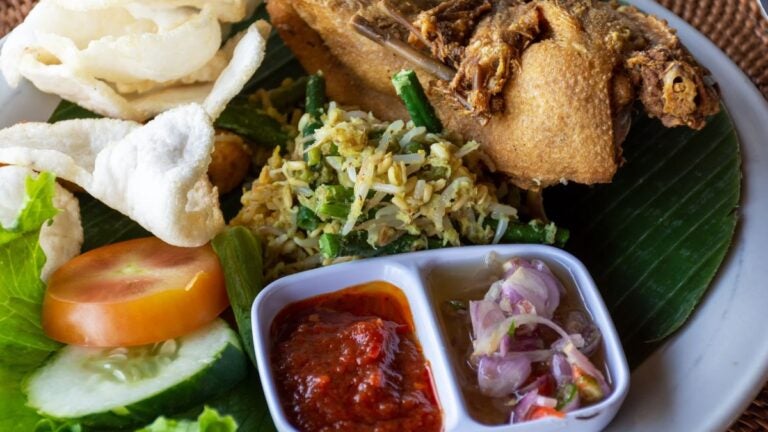
Bebek Betutu is one of Bali’s most revered traditional dishes, prepared initially for temple ceremonies and major family celebrations.
“Bebek Betutu is like Ayam Betutu’s richer cousin,” Saffron notes. Same slow-cooking method, same deep Balinese spice paste, but with duck instead of chicken. It’s incredibly aromatic and very ceremonial, you don’t just throw this together on a weeknight.’
Its long, intricate cooking process symbolizes patience and hospitality, which is why serving it is considered an honor. Today, it’s a staple in Ubud and Gilimanuk restaurants. However, the most traditional versions still require ordering a day in advance.
The duck is rubbed with basa genep, wrapped in banana leaves, and slow-cooked until the meat falls off the bone. The result is intensely aromatic, smoky, and spicy, with rich juices trapped inside the wrap.
It’s typically served with rice, sambal matah, and vegetables.
7. Bubur Injin
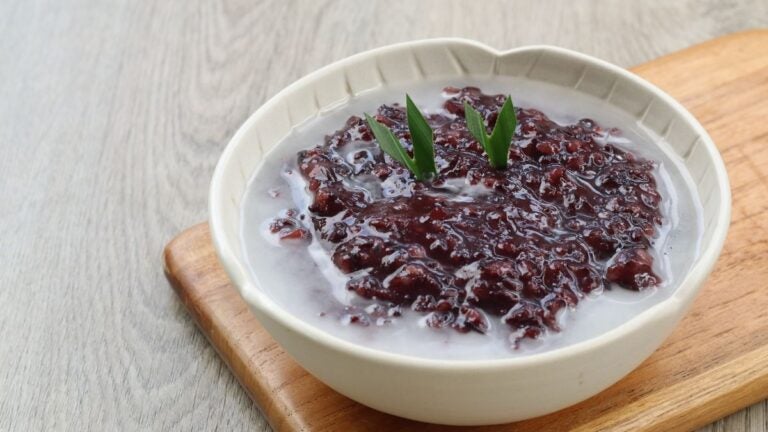
Bubur Injin is Bali’s most comforting traditional dessert, served warm any time of day. Once a simple guesthouse breakfast, it’s now found in Bali food markets, warungs, and restaurants across the island.
The dish reflects home cooking at its best, usually prepared by experienced mothers and grandmothers who know how to balance texture and sweetness. Black sticky rice is simmered with a touch of white glutinous rice for added softness, then sweetened with palm sugar for a smoky, caramel-like flavor.
Thick coconut milk, lightly salted and scented with pandan, adds creaminess, while jackfruit or banana tops the chewy porridge.
8. Grilled Seafood (Jimbaran Bay specialties)
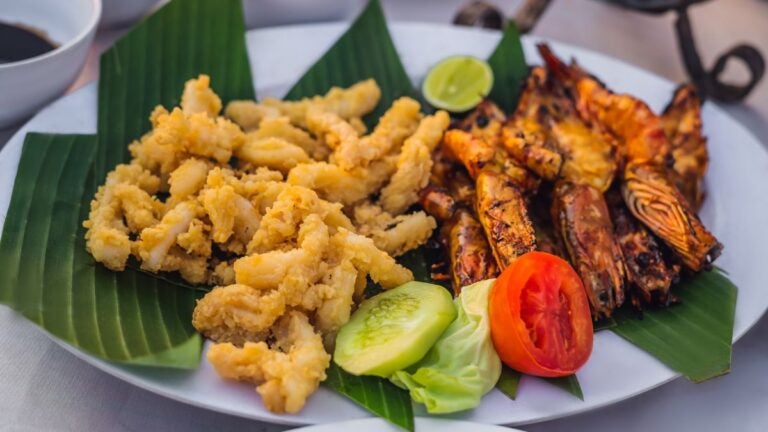
Nowhere captures Bali’s grilled seafood better than Jimbaran Bay, one of the top places to stay in Bali.
Dozens of family-run warungs line the sand, letting you choose your fish, prawns, or clams straight from the ice before they’re weighed and cooked over coconut husk fires.
The setting is part of the meal: tables on the beach, candles flickering, and the smell of charcoal drifting in with the sea breeze. The seafood is marinated in bumbu Bali, then basted with kecap manis as it grills, giving it a sweet, smoky glaze.
It’s usually served with rice, kangkung, and sambal matah for a sharp, fresh kick.
9. Nasi Campur
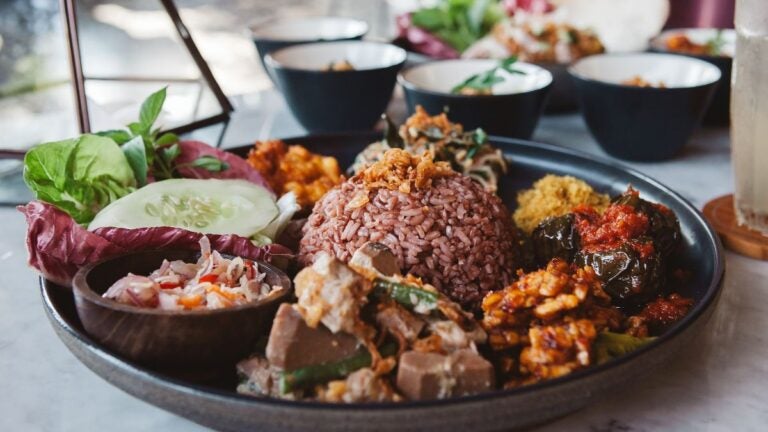
Nasi Campur is one of Bali’s most iconic everyday meals, centered around a scoop of steamed rice accompanied by a variety of small dishes.
According to Saffron, “the tradition originates from ceremonial feasts where families would gather to share a wide array of dishes in one big communal spread. Over time, this has evolved into the “point-and-choose” style that you see in warungs today.” She explains that a plate could include:
- Lawar
- Ayam betutu
- Sate lilit
- Various vegetables
- Sambal (one of the best Bali souvenirs)
- Babi guling (sometimes)
The flavors are vibrant and spice-forward, thanks to the basa genep, while sambal matah adds a delightful sharpness. Crispy shallots, peanuts, and krupuk bring texture, creating a balanced and satisfying Bali food staple.
10. Es Campur

Es Campur is halal food in Bali and one of the most popular ways to cool down in Bali’s heat, sold everywhere from street carts to cafes.
The name means “mixed ice,” and that’s precisely what you get: a bowl of shaved ice piled over colorful toppings that you stir together right before eating. It’s also an everyday iftar treat during Ramadan, thanks to its light sweetness and quick burst of energy. Balinese versions often include:
- Young coconut
- Jackfruit
- Avocado
- Grass jelly (or tapioca pearls)
Sweetened condensed milk and pandan syrup coat the ice, creating a creamy, aromatic base that ties the tropical flavors together.
Find Bali’s best food spots on the move with Holafly
Tracking down the island’s best warungs means relying on maps, reviews, and local tips while you’re out exploring. That’s where a Bali travel eSIM can come in handy.
Holafly’s eSIM store offers unlimited data plans with flexible validity periods from 1 to 90 days, 24/7 live chat customer support, and reliable 4G/5G coverage across Bali and Indonesia. You can install the eSIM in minutes (if your device supports eSIM technology, which you can verify by consulting our list of eSIM-compatible phones) and stay connected from the moment you land, so you can navigate back alleys, check opening hours, or upload your Bali food finds without worrying about roaming fees.
Frequent travelers staying on the island for an extended trip or exploring the surrounding areas can also try Holafly Plans, a pay-monthly global eSIM plan that offers unlimited data, unlimited hotspot, and a local number to receive SMS, plus other travel perks.

Peace of mind before you fly
Set up your eSIM before travel and get unlimited data on arrival.
Plans that may interest you


I am a Liverpool-based SEO content specialist with years of experience crafting content that connects. I combine my love for clear communication with a passion for travel and languages (currently diving into Japanese!). At Holafly, I'm here to help you understand everything about staying connected abroad, turning technical jargon into straightforward advice you can actually use.