


 Language
Australian holiday destinations: Best places to visit in Australia
Australian Holiday Destinations: Compare the best places to visit by region and experience type, plus the best time to go and practical planning advice.
Australia’s best holiday destinations range from the reef and rainforest in Queensland to red outback landscapes in the Northern Territory, plus world-class cities and wine regions in between.
This guide breaks down the best places to visit in Australia by region and experience type, with dedicated picks for Western Australian holiday destinations and Australian family holiday destinations, plus timing and planning tips to help you build a realistic itinerary.

An eSIM you can rely on
Join over 10 million Holafly customers and get connected with our trusted, global services.
What makes Australia a great holiday destination?
Australia is a rare mix of nature and easy travel. You can snorkel coral reefs, hike coastal cliffs, road-trip wine regions, and still be back in a world-class city for dinner. It also works year-round because the climate changes by region, so there is usually somewhere with the right weather for the kind of holiday you want.
The infrastructure is traveller-friendly. Domestic flights are frequent on popular routes, roads are well-maintained, and most major destinations have solid tour options if you do not want to self-drive.
Best holiday destinations in Australia by region
Australia is best tackled region by region. Distances can be huge, so choosing a base or two usually beats trying to do it all in one go. Use the sections below to match the place to your holiday style, whether you want beaches, cities, wildlife, food and wine, or outback landscapes.
And if you are planning a flexible itinerary, this guide also works well for weekend breaks and longer routes, including solo travel in Australia, where choosing the right base makes everything easier.
Queensland — beaches, reef, and family fun
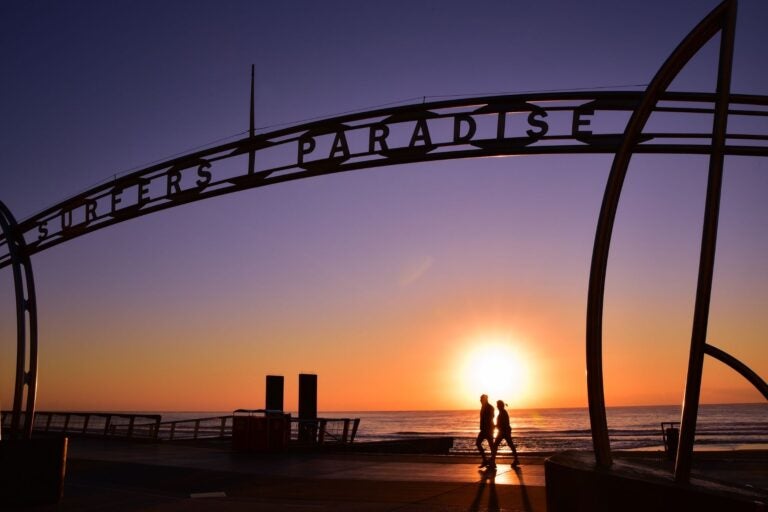
Queensland is a classic first-Australia trip region: warm-weather beaches, island-hopping, and access to the Great Barrier Reef. If you want water time, look at Cairns and Port Douglas for reef cruises and rainforest day trips, or the Whitsundays for sailing, white-sand beaches, and relaxed resort stays.
For families, the Gold Coast is hard to beat for beach days plus theme parks, while Sunshine Coast towns offer a calmer pace with great swimming beaches and hinterland walks. If you are planning reef time, you will generally get more comfortable conditions in the drier months from May to October, with lower humidity and less rainfall.
- Best for: Beach lovers, reef snorkellers, first-timers, and families who want easy, activity-packed days.
- Tip: If you want to add islands without overcomplicating your itinerary, islands near Australia can help you shortlist quick add-ons.
New South Wales — cities, coast, and hinterland
New South Wales is where city breaks and coastal road trips blend easily. Sydney is the headline, with iconic harbour views, beaches like Bondi and Manly, and day trips to the Blue Mountains.
If you prefer a slower holiday pace, the NSW coast is packed with great stops: think Byron Bay for beach-town energy, Port Stephens for dunes and whale-watching seasons, and the South Coast for smaller beaches and national parks.
Furthermore, Hinterland areas add variety fast. Regions like the Hunter Valley for wine tasting or the Northern Rivers for waterfalls and rainforest walks make great two to three-day add-ons if you want to balance city time with nature.
- Best for: First-time visitors, food and culture travellers, and anyone wanting city plus coast without long internal flights.
- Tip: If Byron Bay is on your route, it is also a fun place to pick up some famous Byron Bay cookies or Australian souvenirs.

Victoria — culture, nature, and cooler escapes
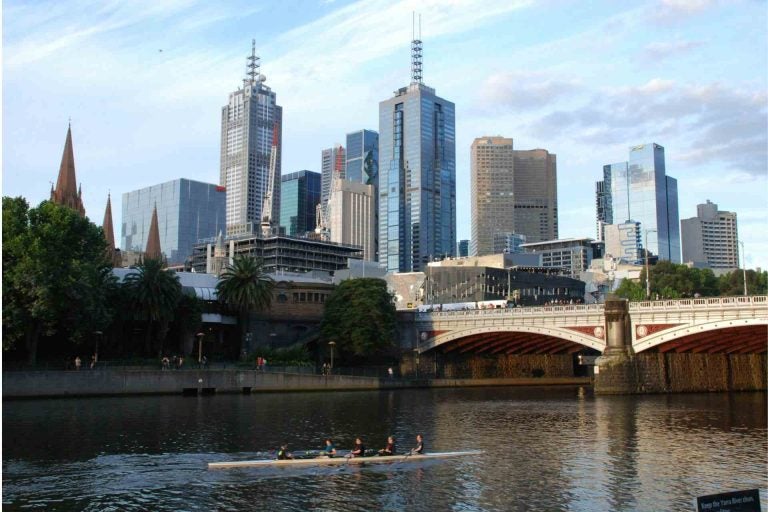
Victoria is compact, easy to road-trip, and perfect when you want a cooler-weather break. Melbourne is the anchor for cafés, sport, galleries, and neighbourhood bar culture. Beyond the city, the Great Ocean Road delivers one of Australia’s best scenic drives, while the Grampians and Wilsons Promontory are go-to picks for hiking, wildlife spotting, and coastal scenery.
If you are planning a shoulder-season visit, Victoria often shines in late summer and early autumn when the weather is still warm but a little more settled.
- Best for: City lovers, road-trippers, hikers, and travellers who like cooler nights and great food.
Western Australia — remote coasts, pristine reefs, and wine country
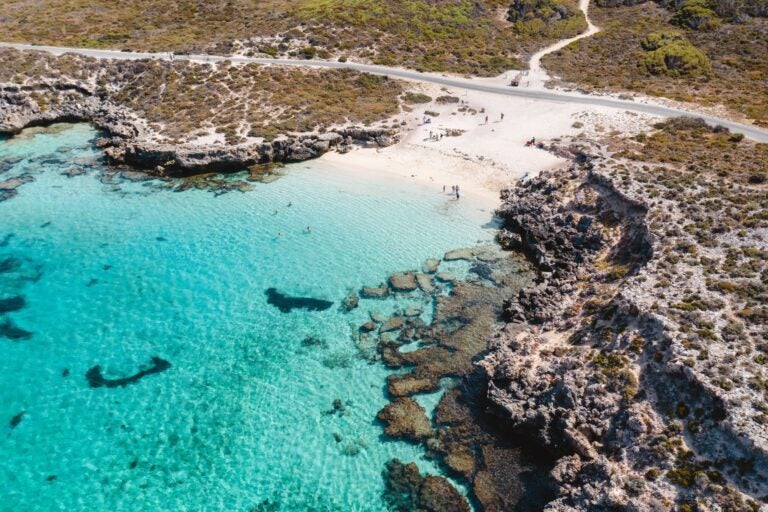
Western Australia is a region packed with wide-open spaces, and it is a standout if you want Western Australian holiday destinations that feel less crowded. Perth and Fremantle are easy city bases, with beaches, great coffee, and day trips to Rottnest Island for cycling and quokka photos.
For wine and coastal scenery, Margaret River is a crowd-pleaser: cellar doors, surf beaches, and a strong food scene. Further north, Ningaloo Reef is the bucket-list choice for reef experiences without the Great Barrier Reef crowds. Wildlife seasons matter here: whale shark encounters are often highlighted from around April to July.
If your trip is built around beach time, a surf in Australia guide can help you pick the right coast for your skill level, the season, and the kind of town vibe you want.
- Best for: Beach road-trippers, couples, divers and snorkellers, and travellers who want dramatic coastline and big skies.
- Extra tip: If you want a lighter read between planning tabs, fun facts about Australia are a good add-on for quick context.
Northern Territory — ancient landscapes and Indigenous culture
The Northern Territory is where Australia feels ancient. You come for big, iconic landscapes and the depth of Indigenous culture and storytelling connected to Country.
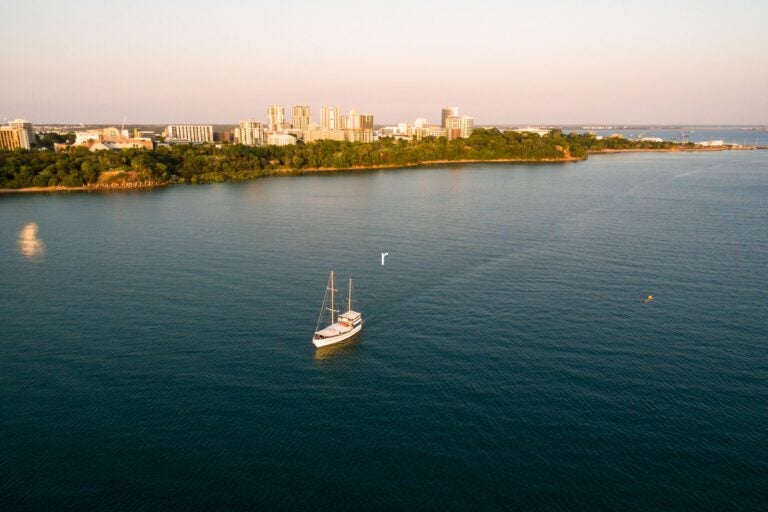
In the Top End, Darwin is your base for day trips and tours into Kakadu and Litchfield for waterfalls, swimming holes, and rainforest pockets. In the Red Centre, Uluru and Kata Tjuta are the headline attractions, with sunrise and sunset viewing, walking tracks, and cultural experiences.
Timing matters more here than almost anywhere else. The Top End’s dry season is typically May to October, with lower humidity and minimal rain, which is why it is the most popular time to visit.
- Who it suits: outback-first travellers, photographers, hikers, and anyone prioritising natural and cultural experiences over beach time.
South Australia — wine, wildlife, and hidden gems
South Australia is a smart pick if you like good things close together. Adelaide is an easy base with a laid-back vibe, and then you can branch out to wine regions and coastal escapes without huge drives.
The Barossa Valley is the best-known wine region, while McLaren Vale offers a more coastal feel. If you want wildlife and nature, Kangaroo Island is the big-ticket option for beaches, seals, and national parks.
South Australia also suits travellers who want fewer crowds than Sydney and Melbourne while still getting great food, wine, and day-trip variety.
- Who it suits: food and wine travellers, couples, and anyone who wants a relaxed pace with easy logistics.

Best time to visit Australia
Australia is a year-round destination, but the best experience depends on where you are going. The same month can feel perfect in one region and uncomfortable in another.
Use this regional cheat sheet to match your destinations to weather patterns, school holidays, and the kinds of experiences you are planning.
| Region | Best time for most travellers | What to watch for |
|---|---|---|
| Tropical North Queensland (Cairns, Reef) | Often May–Oct for lower humidity and less rain | Wet season and cyclones can affect plans in summer; stinger season is commonly discussed for warmer months |
| New South Wales (Sydney, coast) | Spring and autumn for comfortable sightseeing | Peak summer can be busy and hot; book early for holiday periods |
| Victoria (Melbourne, Great Ocean Road) | Late summer to autumn for warmer, steadier days | Winter can be cold and windy along the coast |
| Northern Territory (Top End) | Dry season, typically May–Oct | Wet season brings heat, humidity, and heavy rain; some roads close |
| Western Australia (Perth, Margaret River) | Spring and autumn for road trips; Ningaloo wildlife seasons vary | North-west can be very hot in summer; plan distances carefully |
If you are cost-checking as you plan, the cost travelling to Australia guide is a good companion piece for budgeting by season, not just by destination.
Planning tips for your Australian holiday
Australia is straightforward once you plan the basics, especially distances and transport. A few practical moves make a big difference when you are booking Australian holiday destinations across multiple regions.
- Book domestic flights early if you are crossing the country, for example, Sydney to Perth or Melbourne to Darwin. Australia looks close on a map until you start counting flight hours.
- Consider a rental car for regional areas. Many of the best Australian holiday destinations, such as wine regions, coastal drives, and national parks, are far easier with your own wheels.
- Plan around school holidays and peak periods. Flights and accommodation can sell out quickly and prices can jump, especially around Christmas–New Year, Easter, and winter school holidays, so book early if you’re travelling in those windows.
- Sort mobile data before you land. Coverage is usually solid in cities, but connectivity can get patchy in remote areas, and you do not want to be figuring it out at the airport.
If you are travelling from overseas to join part of the trip in Australia or if you are helping friends plan, it can be handy to share a quick explainer on Australia SIM card options and eSIM setup, plus basics like internet in Australia and using your phone in Australia, so everyone can stay connected without last-minute stress.
Stay connected in Australia with Holafly
Even on a domestic trip, connectivity matters for the practical stuff: navigation in unfamiliar suburbs, checking road closures, downloading tickets, and coordinating meet-ups when your plans change.
If you want to sort it in advance, Holafly offers an eSIM Australia option, and you can compare trip-length options in the Holafly eSIM store if you are planning a longer itinerary or multiple stops.
On top of that, every Holafly eSIM includes Always On: 1 GB of monthly backup data at no extra cost. For an itinerary that takes you from city centres to remote coastlines, keeping your Holafly eSIM installed means you always have a data safety net.

Get an unlimited data eSIM
Use code MYESIMNOW5 for 5% off at checkout
Plans that may interest you


哈囉我是來自台灣的 Wen,平常最喜歡旅遊,也喜歡將旅遊的種種化成文字跟大家分享,希望大家能在我的文章中找到有用的資訊,加上 Holafly 的 eSIM,讓你的旅程更美好!✈️✈️✈️ Hi! I'm Wen, a passionate content writer and travel enthusiast from Taiwan. I transform my wanderlust adventures into engaging stories and practical guides, helping fellow travelers make the most of their journeys.Through my articles, I strive to provide travel tips while introducing how our eSIM technology can enhance your travel experience - keeping you connected wherever your adventures take you!