


 Language


 No results found
Discover the best flight schools in Canada
A detailed look at the best flight schools in Canada, covering locations, costs, course length, and international student eligibility.

Choosing a flight school is one of the most important decisions you’ll make on your path to becoming a pilot. Canada attracts student pilots from around the world for good reason. It offers globally respected aviation standards, diverse flying conditions, and training programs that are recognized by airlines across continents.
But not all flight training schools in Canada offer the same experience. Some focus on airline pathways, others on academic aviation programs, and a few strike a balance between these two. So how do you decide which ones truly stand out?
To create this list of the best flight schools in Canada, we looked at factors that matter most to aspiring pilots: Training quality, reputation, program structure, location, acceptance of international students, entrance requirements, and overall value. This guide is designed to help you compare your options, and confidently choose a school that aligns with your goals.
Below are five of the top flight schools in Canada that consistently earn recognition for producing well-trained, job-ready pilots.
1. CAE
CAE had to be on this list of the best commercial flight schools in Canada! It’s one of the most recognized names in global aviation training, not just in Canada, but worldwide. What sets CAE apart is its ability to offer both independent pilot training programs and airline-affiliated cadet pathways. CAE partners with several international airlines, including Air Canada, IndiGo, Jazz Aviation, and Cathay Pacific, among others. These airline-affiliated programs are designed to align training directly with airline hiring standards, which is a major draw for students seeking a clear transition into commercial aviation.
Location
CAE has training locations in Montreal, Quebec, Newfoundland, Toronto, and other Canadian aviation hubs, supported by advanced simulation and flight training infrastructure.
How long is the course?
Program length varies based on the track chosen. Integrated programs typically take 18 to 24 months, while airline cadet programs follow structured timelines set in collaboration with partner airlines.
Does it accept foreign students?
Yes, international students are accepted. Applicants must meet English language requirements based on their visa type. For international students, an IELTS score of 5.5 or higher is recommended. Some airline-specific programs may have additional restrictions, so it’s best to check the requirements for the specific course you’re interested in.
Do applicants have to pass an entrance test?
Yes. Applicants are required to pass aptitude assessments, medical evaluations, and interviews. Airline-affiliated programs often have additional selection stages.
Cost
Costs of the CAE programs vary by program but typically range from $58,468-87,703+ (CAD 80,000-120,000+).
2. Vancouver Aviation College (VAC)
Vancouver Aviation College (VAC) is widely regarded as one of the top flight schools in Canada, offering focused, career-oriented flight training in one of the country’s most desirable aviation regions. VAC emphasizes hands-on flying experience combined with structured ground school. The school has built a reputation for consistent training quality and smaller class sizes, allowing for more personalized instruction and closer instructor support.
Location
VAC is located in Vancouver, British Columbia.
How long is the course?
Depending on the license and ratings pursued, programs typically take 12 to 20 months to complete.
Does it accept foreign students?
Yes. VAC welcomes international students and offers programs eligible for study permits.
Do applicants have to pass an entrance test?
Applicants generally need to meet English proficiency requirements and pass a medical exam. Having said that, the Vancouver Aviation College has partnered with Cornerstone College to create an integrated ESL-Aviation program. This is designed for aspiring pilots who need to strengthen their English language skills before beginning formal flight training. If you opt for this program, you first complete a structured English language preparation course and then transition into pilot training.
Some programs may include basic assessments or interviews.
Cost
Training costs vary by program but generally range from approx. $51,160-69,431 (CAD 70,000-95,000), depending on flight hours and ratings included.
3. Cygnet Aviation Academy
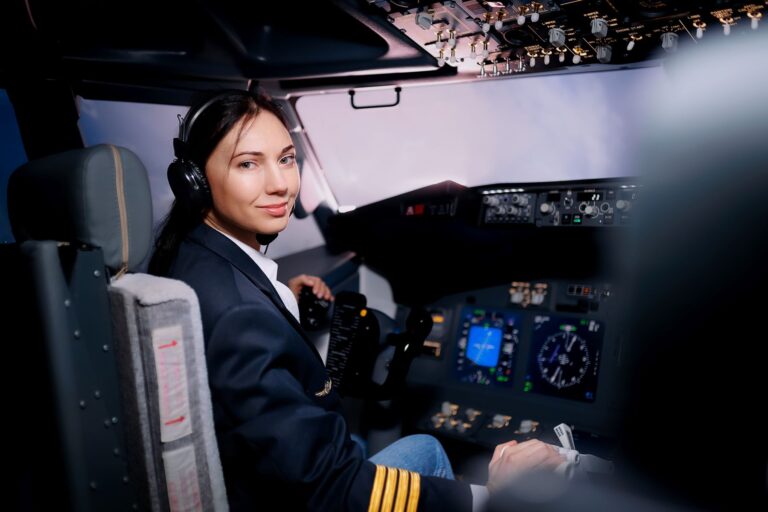
Cygnet Aviation Academy LP is an industry-aligned flight training academy designed to prepare pilots for direct entry into Canadian airlines. It focuses on producing First Officer-ready candidates through a tightly structured, airline-informed training model rather than generic hour-building programs. What sets Cygnet apart is its partnership with CAE, allowing students to complete ab-initio flight training using a modern Diamond Aircraft fleet and advanced ALSIM flight simulators. This collaboration also gives Cygnet direct insight into airline expectations, operating standards, and evolving cockpit technology. The result is a program built around real-world airline procedures, not just licensing requirements. The academy’s emphasis on safety, consistency, and airline readiness makes it a strong option for students who want a clear, career-focused pathway into commercial aviation.
Location
Cygnet operates in Kingston, Ontario.
How long is the course?
Most professional pilot programs are completed within 18 to 24 months, depending on weather conditions and student progress.
Does it accept foreign students?
Not really. Their eligibility requirements include being legally entitled to work in Canada as a citizen or permanent resident.
Do applicants have to pass an entrance test?
Eligibility requirements include being legally entitled to work in Canada as a citizen or permanent resident. Permanent residents must also be able to obtain and maintain the crew visa documentation required for flight operations within the USA. Applicants must have completed a secondary school graduation diploma, be at least 18 years old, and be eligible to obtain a Transport Canada Category 1 Medical Certificate. English proficiency is required, with fluency in both written and spoken English and a minimum ICAO Level 4 operational proficiency.
Cost
The full course price is approx. $89,457 (CAD 122,400) before taxes.
4. Mount Royal University – Aviation Diploma
Mount Royal University’s Aviation Diploma is a career-focused, two-year program that combines commercial pilot flight training with aviation, business, and operations theory. Designed to prepare students for Canada’s commercial aviation sector, the program goes beyond licensing by building leadership, decision-making, and industry awareness alongside flight hours. Training is Transport Canada certified and delivered by Airline Transport-rated instructors with strong industry backgrounds.
Location
The program is based in Calgary, Alberta, with flight training conducted across Western Canada, exposing students to varied terrain and real-world flying conditions.
How long is the course?
The Aviation Diploma is a two-year, full-time program. Students build hours toward their Commercial Pilot Licence (CPL) and Multi-Engine Instrument Rating during the course. A Private Pilot Licence (PPL) must be completed before enrolling in flight training coursework.
Does it accept foreign students?
Yes. International students are accepted, provided they meet Mount Royal University’s general admission requirements, program-specific academic criteria, and Canadian study permit regulations.
Do applicants have to pass an entrance test?
There is no standalone entrance exam, but admission is competitive. Applicants must meet academic prerequisites, including minimum grades in English Language Arts 30-1 and Mathematics 30-1 or 30-2, along with general university admission requirements. Students must also be eligible to meet Transport Canada medical and licensing standards.
Cost
Tuition, books, and living expenses vary based on accommodation choices, with estimated annual academic costs ranging from $11,328-18,490 (CAD 15,500-25,300), excluding flight training. Flight training costs are approx. $47,505 (CAD 65,000) over the two-year program.
5. Seneca School of Aviation
Seneca School of Aviation is one of Canada’s most established aviation education providers, with more than 50 years of experience training aviation professionals. Known for its academic rigor and strong industry connections, Seneca offers multiple aviation programs, including diplomas, advanced diplomas, certificates, and its flagship Honours Bachelor of Aviation Technology. The school focuses on developing both technical flying skills and aviation operations knowledge, preparing graduates for a wide range of aviation careers.
Location
Programs are delivered across Newnham Campus (Toronto) and Peterborough Campus (Ontario). Students begin their studies at Newnham and transition to Peterborough for advanced flight training and later semesters.
How long is the course?
Program length depends on the credential:
- Diploma and certificate programs run 2 years.
- The Honours Bachelor of Aviation Technology is a 4-year (8-semester) full-time program and includes intensive flight training and a mandatory work term of at least 420 hours.
Does it accept foreign students?
Yes. Seneca accepts international students, and several aviation programs are PGWP-eligible. International students must attend classes in person to maintain PGWP eligibility, in line with IRCC regulations.
Do applicants have to pass an entrance test?
Applicants must meet Seneca’s general academic admission requirements, along with any medical and regulatory requirements applicable to aviation training.
Cost
Tuition fees vary by program. For diploma-level programs, fees are approx. $10,962 (CAD 15,000) per year for a two-year program, excluding costs such as flight training, materials, and living expenses. Degree programs and flight-related components may involve higher costs.
Important: If you are a frequent traveler and want to stay connected without worrying about expensive roaming or looking for a new SIM at every destination, Holafly’s subscription plans are for you. With a single eSIM, enjoy internet in more than 160 countries for a fixed price and no surprises on your bill. Travel without limits and connect easily and securely! 🚀🌍

Choosing the right flight school in Canada
Selecting from the best flight schools in Canada ultimately comes down to what kind of training environment you want. Some schools, like CAE, offer airline-aligned pathways with global reach. Others, such as Seneca and Mount Royal University, blend academics with flight training. Schools like VAC and Cygnet focus on streamlined, hands-on flying experience.
All five schools listed here offer structured training, recognized credentials, experience with international students, and a clear focus on producing competent, confident pilots. By comparing their locations, costs, course lengths, and entry requirements, you can narrow down the option that best fits your aviation goals.