Language


 No results found
Cost of living in Tokyo: Food, transport, and more
Everything you need to know about the cost of living in Tokyo, Japan for 2026 can be found in this guide. Keep reading!

Planning to live in or visit Tokyo in 2026? Here’s a quick guide to the cost of living in Tokyo, including average prices for housing, food, and transportation so you know what to expect.
This guide will also give you an idea of healthcare costs, mobile phone and home internet plans, and how much you might spend on leisure activities at some of Japan’s most iconic attractions.
Average cost of accommodation in Tokyo
In Tokyo, you’ll find a wide range of accommodation options to suit different budgets and needs. The right choice for you will likely depend on how long you plan to stay and what you’ll be doing while you’re in the city.
For example, you can choose anything from a hotel room or a home rental through Airbnb to an apartment in a central neighborhood close to the city’s main attractions. Below, we’ll walk you through each option in more detail.
Private apartments
This is a great choice if you value privacy, whether you want to relax, work, or simply have your own space. In areas like Minato, Chiyoda, or Chuo, small apartments of 20 to 30 square meters usually rent for around $1,150 per month.
On the other hand, neighborhoods like Edogawa or Adachi offer private spaces for around $650. Keep in mind that some of these apartments come only partially furnished, so you might need to add a few pieces of your own. They are not ideal if you’re planning to stay just a couple of weeks.
3-star hotels
Business hotels are often a convenient option if you don’t want to commit to a lease and plan to stay in Tokyo for more than a month.
They typically cost between $2,000 and $3,500 per month. You’ll enjoy comfort and privacy, with perks like a desk, Wi-Fi, daily cleaning, and in some cases, breakfast. Keep in mind, though, that this is the most expensive option.
Many hotels with these features are located near Tokyo, Ueno, or Ikebukuro stations, making it easier to get around the city since transportation options are just steps away from your accommodation.
Airbnb rentals
Through Airbnb, you can also rent apartments, houses, or private rooms in areas like Asakusa or Setagaya. Prices for these places typically start around $110 per night and usually include a kitchen, private bathroom, washing machine, and a balcony.
There are also traditional Japanese houses that have been fully renovated and come equipped for a comfortable stay, starting around $780 per night, which you can find on Airbnb. Keep in mind, though, that these can be a bit pricier due to strict regulations enforced by Japanese authorities.
If you want to know the cost of other types of accommodation such as coliving in Tokyo, you can read the guide we have prepared for you.
Cost of food
Food options in Tokyo are varied, and there are plenty of stores where you can pick up everything you need for the week. Here, we’ll highlight some typical items you can find at supermarkets like Costco Japan and Seiyu, where prices are generally reasonable.
- 5 kg white rice: $18.50
- 1 liter whole milk: $1.70
- 10 eggs: $2.10
- 1 kg chicken breast: $8.90
- 6 slices sliced bread: $1.40
- 1 kg Fuji apples: $6.90
- 1 kg onions: $2.70
- 1 kg pork: Between $7 and $12
- 1 kg beef: Between $16 and $29
- 1 kg fresh salmon: Between $10 and $20
- 1 kg tuna: Between $20 and $40
If you prefer not to cook and instead eat out for breakfast, lunch, and dinner, your costs will likely be higher, though it really depends on the restaurant, what you order, and the portion sizes. Here’s an approximate cost for each meal of the day.
- Breakfast: This can consist of rice, miso soup, grilled salmon or eggs, and hot tea in the morning, costing from $4.50.
- Lunch: This could be tonkatsu, ramen, or tempura with rice, salad, and a drink, costing $8.50.
- Dinner: This meal can be a bit more expensive since dinner at a local Tokyo restaurant usually includes a main dish, some sides, and a hot or cold drink, with prices reaching up to $16.
Transportation prices in Tokyo
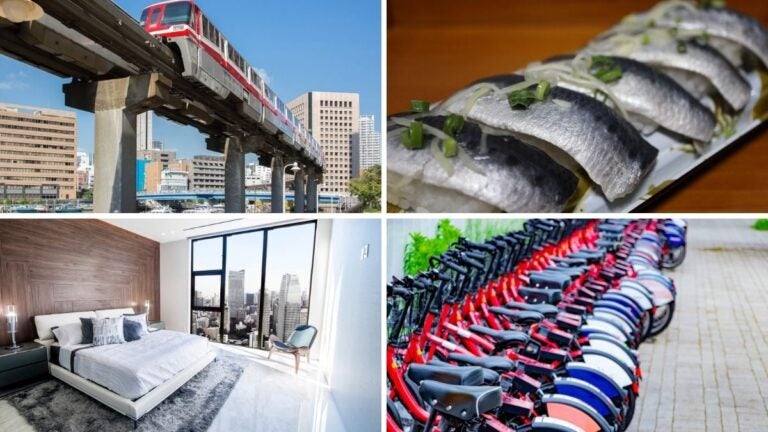
When it comes to getting around, the subway and commuter trains are the main options, covering most areas of Tokyo and making them ideal for longer trips. A single ride typically costs around $1.40.
Tokyo also has a bus network that serves areas not covered by trains or the subway. However, buses are generally better suited for locals and short trips, as they can be tricky for most tourists to navigate.
Fares vary. For example, if you take a city bus, it will cost you $1.50, while if you take a community bus or minibus, the fare is $0.70.
If you prefer taking a taxi, the starting fare is around $4.60. Rides through apps like Uber can cost about $22 for a 4-kilometer trip, though prices vary depending on demand and the time of day.
Finally, for a healthier option, you can get around by bike. In Tokyo, services like Docomo Bike Share and Hello Cycling offer daily plans for about $11.50 or monthly subscriptions for around $15.40.
Cost of a vehicle in Tokyo and related expenses
At the end of 2025 and into early 2026, the best-selling car in Tokyo is the Honda N-Box, priced between $10,000 and $15,000. The Toyota Corolla is also quite popular, with a price around $26,100.
Owning a car comes with additional costs, like fuel, which is around $0.99 per liter according to Global Petrol Prices. For electric vehicles, charging costs about $0.45 per kWh. You’ll also need to pay for mandatory insurance, which runs close to $90.
Healthcare costs
If you plan to stay in Japan for more than three months on a visa, you’ll need to enroll in Tokyo’s National Health Insurance. This covers 70% of medical costs, meaning you only pay 30% of any medical services you use.
You can also choose a public insurance plan, which costs between $35 and $120, depending on your income from the previous year. If you’re unemployed, you’ll pay the minimum rate.
If you want extra coverage on top of the national health plan, you can get private insurance to cover the remaining 30% of medical expenses. The annual cost typically ranges from $1,200 to $3,500.
These are the costs of some medical services that you would have to cover if you did not have health insurance.
| Medical Services | Cost in USD |
| General medical consultation | $12-25 |
| Routine dental cleaning | $20-35 |
| Treatment for simple cavities | $15-30 |
| Appendectomy plus 4–5 days of hospitalization | $600-900 |
| Day of hospitalization in a shared room | $40-80 |
Over-the-counter medicines in Tokyo
Another cost to keep in mind, especially for minor illnesses, is over-the-counter medication. These are useful for treating mild aches and other symptoms that might not require a doctor’s visit. Here are some typical prices:
- Box of painkillers (20 tablets): $6.50
- Cough syrup x 120 ml: $9
- Patches for muscle pain (10 units): $11
- Box of Antigripal Popular x 44 tablets: $14
Prices for internet and calling plans
In Tokyo, you’ll have access to 5G almost everywhere, along with high-speed fiber-optic internet for homes. This makes it one of the most connected cities in the world.
Providers like NTT, SoftBank Hikari, and AU Hikari are among the most popular in the city, offering home fiber-optic plans with speeds of 1 Gbps for about $38 per month. You can also choose a faster 2 Gbps plan for around $45 monthly.
In mobile services, NTT Docomo, SoftBank, and AU (KDDI) are the leading providers, offering 5G plans with unlimited data and calls for around $48 per month.
You can also opt for Holafly’s monthly plans, which offer 25 GB or unlimited data that can be shared across multiple devices. Plus, they work in over 160 countries, saving you from unexpected international roaming charges.
Important: If you are a frequent traveler and want to stay connected without worrying about expensive roaming or looking for a new SIM at every destination, Holafly’s subscription plans are for you. With a single eSIM, enjoy internet in more than 160 countries for a fixed price and no surprises on your bill. Travel without limits and connect easily and securely! 🚀🌍

Cost of leisure activities in Tokyo
Entertainment and leisure are also part of the cost of living, especially in a city like Tokyo, where cultural and recreational opportunities are abundant throughout the week. Here are some average prices for popular activities in the Japanese capital.
- Movie ticket: Approximately $14.50.
- Monthly gym membership: $58.
- Subscription to streaming platforms such as Netflix or Disney: $10.80.
- Karaoke: Approximately $11 per hour.
- Musical or theater tickets: Approximately $65.
If you want to explore some of Tokyo’s most iconic attractions, here’s a list of places to visit along with their typical prices during your stay.
- Visit the city’s tallest tower, Tokyo Skytree: $15.50.
- Visit Tokyo Disney Resort theme park for one day: Between $63 and $78 depending on the day you go.
- General admission to the Ghibli Museum: $7.50.
- Attend a sumo wrestling match: $38, depending on the seat you choose and the tournament of the season you attend.
How much does it cost to live in Tokyo?
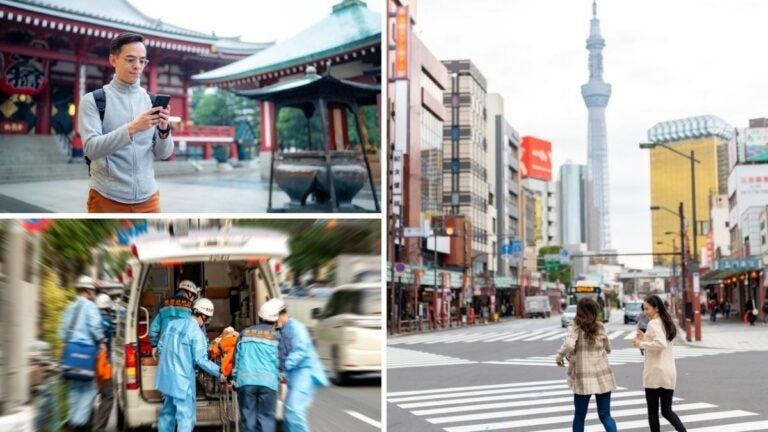
Your monthly expenses in Tokyo will depend on your lifestyle, preferences, needs, and budget. Factors like the type of housing, your choice of transportation, and eating habits, among others we’ve covered in this guide, will ultimately determine the total cost of living.
Even with careful budgeting, you’ll likely need around $1,240 per month. This should cover all your basic needs without feeling limited.
Keep in mind, this budget is based on a single person living in a shared house, mostly using the subway or trains to get around, and spending about the same on food as the average local.
Frequently asked questions about the cost of living in Tokyo
Buying a car in Tokyo is usually not worth it. The city’s public transportation is efficient, fast, and affordable, while the monthly costs of owning a car are high, which can significantly increase your living expenses.
Housing is the biggest expense and often the hardest part of living in Tokyo, taking up anywhere from 30% to 50% of your monthly budget.
To rent a home in Tokyo, you’ll need a valid visa, a Japanese phone number, and a local bank account. These are the basic requirements landlords typically ask for, along with a guarantor or rental insurance.
As a foreigner, you can access healthcare through Japan’s public system as long as you have a temporary or long-term visa. This way, up to 70% of your medical expenses will be covered.
Plans that may interest you


Hi! I'm a Spanish-English translator working with Holafly, helping bring travel content to life for curious travelers. As a digital nomad with a passion for exploring, I'm always adding new spots to my bucket list. If you love to travel like me, stick around because you're in the right place to find inspiration for your next trip! ✈️🌍