Language


 No results found
Cost of living in Slovenia in 2026 in dollars and euros
The cost of living in Slovenia is one of the reasons why more and more digital nomads are choosing this destination. Want to know more?

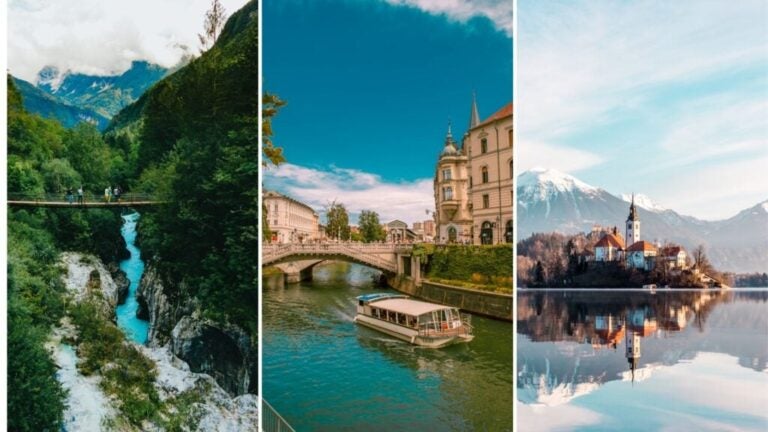
Slovenia is that European corner where you can have breakfast in the mountains, lunch in a medieval city, and dinner by the Adriatic, all in one day. Its capital, Ljubljana, ranks among the greenest and most liveable cities in Europe. However, before choosing this land of castles and turquoise lakes, we must analyse the cost of living in Slovenia.
In this article, we explain how much money you really need to live in this Central European gem in 2026. Prices have risen slightly across Europe; however, Slovenia remains 20% cheaper than France.
Stay right here to learn everything about the cost of living in Slovenia, from furnished apartment prices to staple costs in chains like Mercator or Spar. We’ll also see how accessible healthcare feels for foreigners and how strong connectivity works for remote workers.
If you’re deciding whether Slovenia could become your next temporary home, this guide gives you clear numbers. So, get ready to discover the economic reality of a country that blends German efficiency with Mediterranean warmth.
Cost of living in Slovenia: Accommodation prices
Accommodation in Slovenia will form the core of your financial planning. Although prices have climbed steadily in recent years, especially in lively Ljubljana, the market offers build quality and comfort that justify the outlay. Slovenia isn’t a destination for extreme bargains, yet it gives outstanding value for money in safety, services, and aesthetics.
If you want the freedom of having your own home, furnished apartments in residential areas of the capital or nearby cities like Kranj remain the top choice. These spaces usually look immaculate, feature efficient heating systems, and include modern furniture.
- A well-equipped one-bedroom flat in a comfortable area of Ljubljana has an average monthly cost of €780 ($920). This figure gives you a well-connected location and all the appliances you need daily.
For nomads who prioritise community, coliving spaces are growing quickly in districts like Bežigrad or Šiška. These hubs offer a private room with practical design, plus meeting rooms and social events that help you settle in.
- The cost of a room in a high-quality coliving space sits around €720 ($850) per month. Better still, this price usually includes all basic utilities and cleaning for shared areas.
If you prefer full flexibility or you’re still exploring, Airbnb offers furnished studios that can cost around €975 ($1,150) for monthly stays.
On the other hand, mid-range hotels offer an excellent alternative if you value breakfast service and an available reception desk. Projected monthly rates reach €1,950 ($2,300). Therefore, this option suits shorter stays or anyone who wants to avoid all maintenance tasks.
Supermarkets and eating out
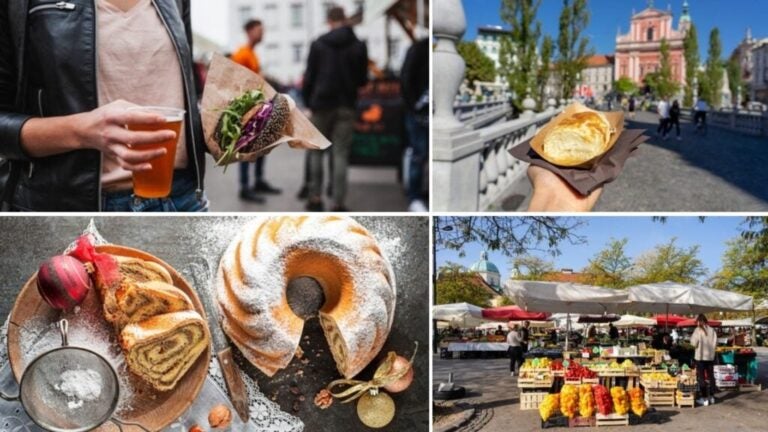
Food forms one of the most enjoyable parts of the cost of living in Slovenia, not only for quality but also for variety.
As a country with a strong farming tradition, local markets offer fresh food with excellent flavour. Overall, the cost of eating at home feels fairly balanced. It sits in the middle range within the European Union, so you can keep a healthy diet without hurting your budget too much.
For weekly shopping, Mercator remains the country’s most widespread and traditional chain. Although it costs a little more than discount supermarkets, it offers an excellent range of local products and international brands.
Here’s a list of average prices you’ll find on its shelves in 2026:
- Pack of pasta (500g): €1.15 ($1.35
- Dozen eggs: €2.95 ($3.50)
- Chicken breast (1 kg): €8.65 ($10.20)
- Beef (1 kg): €11.45 ($13.50)
- Milk (1 litre): €1.23 ($1.45)
- Chocolate bar (100 g): €1.40 ($1.65)
- Ground coffee (250 g): €3.60 ($4.25)
If you want to save a little more, chains like Hofer or Lidl remain residents’ favourites for daily essentials.
On the other hand, eating out in Slovenia feels well worth it, especially in the historic centres of Ljubljana or Maribor. Most restaurants offer very good quality, and you’ll often find “malice” or affordable set lunches on weekdays. These remain the most accessible option for local workers.
These are the average prices you’ll pay when eating out:
- Breakfast in a local café: €7.20 ($8.50)
- Lunch (set menu or malica): €12.30 ($14.50)
- Full dinner in an average restaurant: €20.35 ($24.00)
If you balance home cooking with occasional meals out, your budget won’t spiral. Better still, you’ll fully enjoy Slovenian food.
Cost of living in Slovenia: Mobility and transport prices
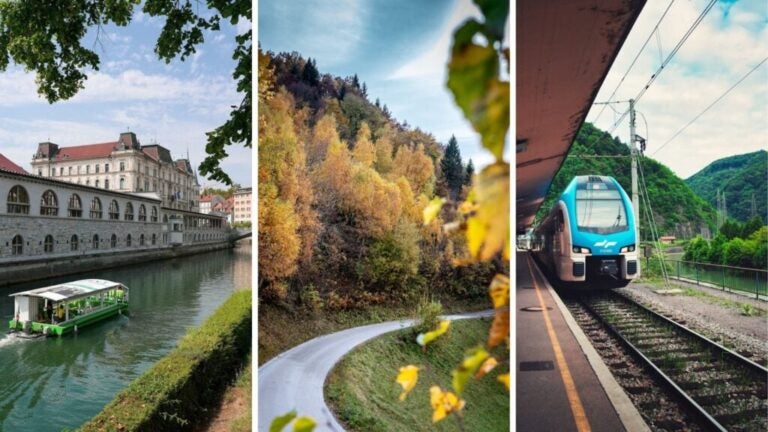
Getting around Slovenia will become one of your easiest and most pleasant experiences as a resident. The country is small and extremely well connected, so you can travel from the mountains to the sea in only ninety minutes.
In budget terms, transport won’t weigh heavily on you, thanks to unified systems that reward people who live there steadily.
The system’s main highlight is the national integrated pass (IJPP card), which lets you travel across the country on regional buses and trains without limits. These are the public transport costs you’ll see in 2026:
- Single urban bus ticket (Ljubljana): €1.30 ($1.55)
- Daily nationwide pass (train and bus): €15.00 ($17.80)
- Unlimited national monthly pass: €60.00 ($71.00)
- Monthly pass for people under 26: €30.00 ($35.50)
If you prefer the independence of your own vehicle, you should know that Slovenian motorways require an “e-vinjeta” or electronic vignette. The following costs cover car ownership in 2026, including a popular model like the Toyota Corolla:
- Petrol per litre (95 octane): €1.45 ($1.72)
- Price per kWh for an electric car (public charging): €0.38 ($0.45
- Mandatory vehicle insurance (annual average): €380 ($450.00)
- Annual electronic vignette (motorways): €117 ($138.00)
- New Toyota Corolla (base model): €23.500 ($27.800)
For short trips within cities, the bicycle remains the undisputed queen. Ljubljana, for example, has the BicikeLJ system, which feels almost free for regular residents. Annual access costs only €3.00 ($3.50) and lets you use bikes for periods of up to one hour without extra charges.
Finally, if you need a quick and comfortable ride, platforms like Uber operate in the capital, alongside a very efficient local taxi network. A five-kilometre trip within the city will cost around €8.50 ($10.00).
Healthcare and medical insurance costs in Slovenia
Slovenia has one of the most robust and efficient healthcare systems in Central Europe. Better still, medical services will have a moderate impact on your budget, because the country combines an excellent public network with top-level private options.
Even so, you must understand that, although quality stays extremely high, free access only covers people who contribute to the local social security system.
If you move with the new digital nomad visa or as a remote worker, you won’t access the free public system at first. Therefore, you must hold private health insurancecovering at least €30,000 ($34,730) in emergency expenses.
International health insurance for digital nomads or local private cover comes at a very competitive cost:
- Basic private health insurance (monthly): €46.60 ($55.00)
- Comprehensive health insurance (monthly): €100.00 ($118.00)
- Travel insurance with medical assistance (7 days): €32.20 ($38.00)
If you need occasional medical care without insurance, or for specific services, private clinic prices in Ljubljana or Maribor stay clear and transparent. Here are some projected reference ranges for 2026:
- General medical consultation (private): €50-80 ($60.00-95.00)
- Routine dental visit (cleaning and check-up): €35-60 ($42.00-70.00)
- Simple tooth extraction: €80 ($95.00)
- Appendicitis surgery (copayment or private clinic): €890-1,525 ($1,050-1,800)
As for medicines, Slovenia has a very professional pharmacy network called “Lekarna”, where prices stay regulated. Many basic over-the-counter medicines are easy to find and cost about the same as elsewhere in the eurozone:
- Box of painkillers (Paracetamol/Ibuprofen): €5.50 ($6.50)
- Saline nasal spray: €7.60 ($9.00)
- Standard cough syrup: €9.30 ($11.00)
Internet and call plan prices
Connectivity in Slovenia stands among the main reasons to move there for remote work.
The country has advanced digital infrastructure, with fibre-optic coverage that surpasses many European neighbours. Speeds stay consistent even in smaller cities, so you can handle video meetings or upload large files without interruptions.
If you plan to rent your own place, fixed internet will become one of your most stable expenses. Operators like Telekom Slovenije or A1 offer packages that often include television and phone services, although you can also choose internet-only plans. A fibre-optic plan with excellent speed comes at these prices:
- Fixed internet (100 Mbps – Fibre): €23.70 ($28.00)
- Fixed internet (Up to 1 Gbps – Premium): €35.60 ($42.00)
- Installation fee (average one-off payment): €25.40 ($30.00)
As for mobile phone services, competition has kept prices very accessible. You can choose a prepaid SIM card for a short stay, or a monthly contract if you have residency. A standard mobile plan with unlimited calls and a good data allowance comes at a very reasonable cost:
- Mobile plan (20 GB + unlimited calls): €11.00 ($13.00)
- Mobile plan (Unlimited data in Slovenia): €19.50 ($23.00)
- Basic prepaid SIM card (with €5 credit): €3.00 ($3.50)
For those who prefer to avoid local paperwork or need to stay connected from the moment they cross the border from Italy or Austria, Holafly’s monthly plans with unlimited data are the smartest option.
They let you keep your WhatsApp number and guarantee internet for Google Maps or translation apps without relying on public Wi-Fi. This solution works perfectly in rural areas of the Julian Alps, where finding a phone shop can prove difficult.
In addition, Holafly’s monthly plans work with a global eSIM that lets you cross as many borders as you want without losing connection.
Important: If you are a frequent traveler and want to stay connected without worrying about expensive roaming or looking for a new SIM at every destination, Holafly’s subscription plans are for you. With a single eSIM, enjoy internet in more than 170 countries for a fixed price and no surprises on your bill. Travel without limits and connect easily and securely! 🚀🌍
Cost of living in Slovenia: Leisure and top attractions
Enjoying Slovenia means, above all, embracing outdoor life. Local culture connects deeply with nature, so many of the best plans, like hiking in Triglav National Park or walking along the Ljubljanica River, cost almost nothing.
However, Slovenia also offers a first-class cultural and tourist scene that, although not the cheapest in Eastern Europe, keeps exceptional value for money.
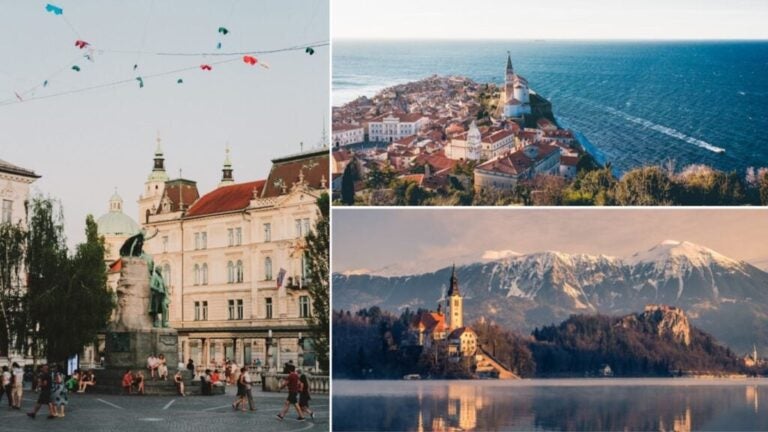
For example, visiting the iconic Lake Bled, with its island church and cliffside castle, costs €18.00 ($21.30). The combined ticket to the Postojna Caves (an impressive underground cave system that you explore on a vintage train) and Predjama Castle (a medieval castle built literally inside the mouth of a cave) costs €40.20 ($47.50).
And what can you do for free? For example, you can walk through the pedestrian streets of Ljubljana’s old town, full of bridges, dragons, and Plečnik architecture. Now, if you want to enter the National Museum of Slovenia, you’ll pay €8.00 ($9.50).
If you want to go to the cinema, the cost sits at around €9.75 ($11.50). If you’d rather pay for a monthly Netflix Standard Plan, the price stays almost identical: €10.00 ($11.80). Meanwhile, attending a traditional Slovenian dinner and show means spending about €55.00 ($65.00).
As you can see, Slovenia lets you balance your leisure budget very well. You can spend Saturday hiking and only pay for a good coffee and a Kremna rezina cake (about €5 ($6)). Then, next weekend, you can treat yourself to one of the world’s most famous caves. This versatility makes life here feel so enriching and dynamic.
Conclusions on the cost of living in Slovenia and estimated budgets
Slovenia is a country that offers an excellent quality of life with a budget that, although higher than before, remains manageable for a remote professional. The balance between housing costs and efficient public services makes it a very attractive option within Central Europe.
Here is a breakdown of the estimated total monthly budget for living in Slovenia (using Ljubljana as a reference), including rent, food, utilities, transport and an active social life:
- For one person: If you live in a studio or one-bedroom apartment and keep a balanced lifestyle, you’ll need around €1,505 ($3,850) per month. This budget allows you to enjoy the local cuisine and travel around the country at weekends.
- For a couple: By sharing the cost of accommodation and utilities, a couple can live comfortably on a combined budget of €2,100 ($2,480) per month.
- For a family of four: A family living in a three-bedroom flat, taking into account school and healthcare costs for all members, should budget around €3,425 ($4,050) per month.
It is important to remember that if you decide to leave the capital and move to cities such as Maribor or Celje, these costs can be reduced by between 15% and 20%, particularly when it comes to rent.
Frequently asked questions about Slovenia’s cost of living
It isn’t strictly necessary, especially in Ljubljana or in tourist areas. The vast majority of Slovenians under the age of 50 speak excellent English. However, learning a few basic phrases will open many doors for you and is greatly appreciated by the locals. For official procedures, you may need a translator or the assistance of an agent if the official does not speak English fluently.
Winters in Slovenia are cold, and this is reflected in the heating bills. You should budget for an extra €42 ($50) a month between November and March for heating costs (gas or electricity). Many modern flats are fitted with highly efficient biomass systems or heat pumps, which help to ensure that this increase is not so drastic.
Yes, absolutely. Slovenia prides itself on having some of the purest water in Europe. You can safely drink tap water in any town or city, which means a small but steady saving on your grocery bill and a major environmental benefit.
Tipping is not compulsory, nor is it as widespread as in other countries. However, in restaurants it is customary to leave between 5% and 10% if the service has been good. In cafés or taxis, people usually just round the amount up.
If you’re staying for more than six months, buying a good-quality second-hand car may work out cheaper than renting. Thanks to the excellent rail and bus network (and the country’s compact size), many digital nomads choose not to own a car and instead rent one on an ad-hoc basis for specific trips to the mountains or the coast.