Language


 No results found
Cost of living in Scotland: Food, transport, and more
Cost of living in Scotland in 2026: find out how much it costs to live here, including rent, food, transportation, healthcare, and leisure.

The cost of living in Scotland in 2026 can vary more than many people expect. While cities like Edinburgh are known for their high rents, other parts of the country make it possible to live comfortably on a much more balanced monthly budget without sacrificing quality of life. For instance, transportation and utility costs are often lower than in other areas of the UK, and access to public healthcare significantly helps keep monthly expenses down.
This guide takes a practical look at what it really costs to live in Scotland right now, covering everything from rent and groceries to transport, healthcare, and leisure. The aim is to show you how a typical monthly budget is distributed and help you decide whether Scotland suits your plans, whether you are considering a temporary move or settling there long term.
Average cost of accommodation in Scotland in 2026
If you are planning to move to Scotland for a while, one of the first things you will probably wonder is how much you need to budget for accommodation that is both affordable and comfortable. The challenge is finding somewhere that offers safety and essential services without paying for unnecessary luxury. Here you will find up to date and realistic housing costs in Scotland for 2026, based on comfortable and reliable options that offer good value without sacrificing safety or essential services.
Furnished apartments (long stay)
Renting a furnished flat is one of the most popular choices if you are moving for work, studying, or working remotely, as these properties usually come with an equipped kitchen, heating, and internet included.
- In Edinburgh, a well-located one-bedroom apartment typically costs between $1,250 and $1,880 per month.
- In Glasgow, the average price drops slightly, ranging from $1,000 to $1,500 per month.
- In smaller cities such as Inverness, Dundee, or Aberdeen, it is possible to find comfortable apartments from $750 to $1,130 per month.
Airbnb and temporary rentals
For stays of one to three months, Airbnb can be a convenient option, especially if you prefer not to commit to a long term contract right away. In Scotland, monthly Airbnb rentals with basic utilities included are usually priced similarly to, or slightly above, traditional rentals, depending on the season and the city. In general, you can expect prices starting at around $1,100 per month in areas outside the city centre, with higher rates in more central locations.
Mid-range hotels
Moderately priced hotels with a good location and basic amenities are common for short visits. Nightly rates usually fall between $90 and $150, making them too expensive for a full month, but a handy option for the first few days after you arrive.
Colivings and shared housing
Coliving options in Scotland are still fairly limited compared to other European cities. Even so, sharing a house remains a common way to save money. Renting a private room in a shared home with communal spaces and basic utilities is usually cheaper than renting a full apartment and can be a practical choice for tighter budgets without compromising on comfort or safety.
Cost of food in Scotland
Eating is a key part of everyday life, and understanding the cost of groceries and meals out can help you budget realistically if you plan to spend some time in Scotland. Here, you’ll find real prices for basic items and examples of what a typical breakfast, lunch, and dinner might cost, giving you a clear idea of daily living expenses.
Prices of basic food items in supermarkets
These prices reflect typical shopping at popular Scottish supermarket chains like Tesco, Aldi, or Lidl, giving you an idea of what it costs to stock up on groceries if you cook at home.
| Product | Price |
| Milk (1 liter) | $1.40 |
| Eggs (12) | $3.50 |
| Bread (1 kg) | $1.70 |
| Rice (1 kg) | $2.20 |
| Chicken breast (1 kg) | $8.80 |
| Beef (1 kg) | $7 |
| Apples (1 kg) | $2.90 |
| Potatoes (1 kg) | $1.50 |
Costs can differ from city to city, with Edinburgh generally a little more expensive than Glasgow, but these figures give a good sense of what you might spend on groceries in Scotland.
Costs of eating out
Eating out is a regular part of life for many people in Scotland, whether for work or socializing. Here are typical prices at restaurants and cafés aimed at locals rather than tourists.
- Breakfast at a local café: Between $7.50 and $12.50.
- Lunch at a casual restaurant or pub: Between $12.50 and $18.
- Dinner at a mid-range restaurant: Between $25 and $50 per person.
Eating out frequently can make your monthly food expenses rise fast. Many locals manage this by cooking most meals at home and reserving restaurants for weekends or occasional treats.
Transportation prices in Scotland
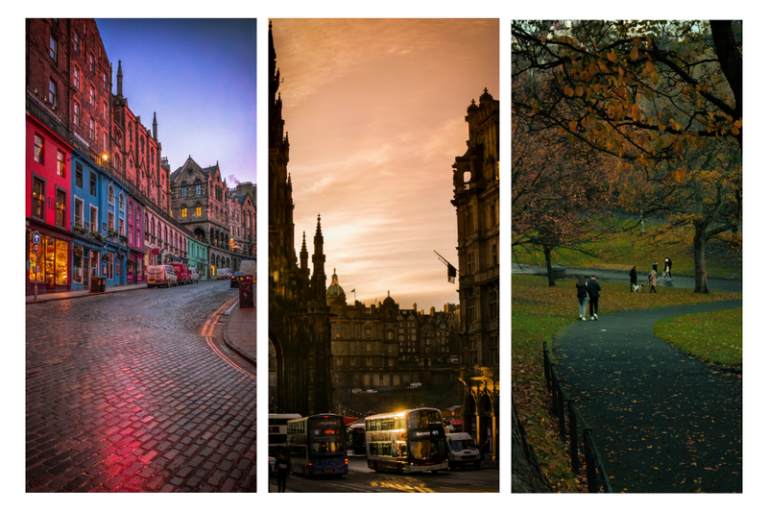
Getting around Scotland, particularly in cities like Edinburgh and Glasgow, is fairly straightforward and affordable if you use public transport. Expenses can rise quickly, though, if you take taxis or Uber at busy times, or if you own a car because of fuel and insurance costs.
Public transportation
In cities like Edinburgh and Glasgow, buses, trams, and the subway cover most daily trips. A single ticket usually costs around $3.27, while an unlimited day pass is about $8.20 if you plan to travel a lot.
In Glasgow, the subway is even more affordable, with single rides around $2.45 and a day pass about $4.64. Because of this, many people get by just fine without a car if they work or study in the city.
Taxi and Uber
Traditional taxis start at around $5.70 and increase with distance and time. Uber is convenient, but fares can rise quickly during peak hours or on weekends. For instance, a typical ride from the city to the airport can cost around $38. It’s handy, but not something you’d want to use every day if you’re trying to keep expenses under control.
Gasoline and electric car
Owning a car is where your expenses can really add up. Fuel in Scotland is about $1.79 per liter, so filling up the tank tends to be more expensive than in many other places.
For an electric car, charging at home is generally the most affordable option, costing about $0.38 per kWh on average. Public chargers, particularly the fast ones, can be much pricier, reaching around $1.04 per kWh.
Bicycles and alternative transportation
More and more people are using bikes, especially for short trips. Electric bike services charge by the minute or per ride, usually costing between $3.00 and $4.10 for 20 to 30 minute trips. They’re a convenient and cost effective option for occasional rides or when combined with public transport.
Car insurance
In Scotland, as in the rest of the UK, car insurance is mandatory and it doesn’t come cheap. The average yearly cost is around $990, though it can be higher depending on your age, driving experience, or city. For many people, this is the main reason they choose not to own a car.
What about buying a new car?
Buying a new car in Scotland is usually something people take their time with, especially if they’re only staying for a while. A popular compact model, like a Volkswagen Golf, typically costs between $35,600 and $38,800, on top of which you need to budget for insurance, fuel, maintenance, and parking.
If you plan to drive in Scotland, whether with a rental or your own car, it’s helpful to know the local rules and some key differences, like driving on the left. Before hitting the road, take a look at this handy guide to driving in Scotland for tips on staying safe and avoiding common mistakes.
Healthcare costs in Scotland
One of the biggest comforts of living in Scotland is access to healthcare. The system works well and can significantly lower your monthly expenses, even for foreigners. Of course, this depends on your immigration status and whether you have private insurance.
Can foreigners use the public healthcare system in Scotland?
Yes, you can access Scotland’s public healthcare system, NHS Scotland, but there are some important points to know. If you are living in Scotland legally as a foreigner for work, study, or a temporary stay, you usually pay the Immigration Health Surcharge with your visa. This gives you access to public healthcare just like a local resident.
Once that requirement is met, doctor visits, hospital stays, and emergency care are all covered, with no extra payments at the time of treatment. In Scotland, prescribed medications are also generally included, which can significantly lower your monthly healthcare costs.
Cost of private health insurance
Private health insurance in Scotland varies considerably in price depending on age, coverage, and pre-existing conditions, but as a guide:
- Basic insurance: Between $55 and $110 per month.
- More comprehensive insurance, with access to private clinics and specialists: Between $110 and $220 per month.
Many foreigners opt for private insurance at first and then switch to the public system once they have regularized their residence.
Healthcare costs
If you had to pay for medical care privately, these are realistic average prices in Scotland:
- General practitioner consultation: Between $80 and $130.
- Specialist consultation: Between $150 and $250.
- Routine dental checkup: Between $70 and $120, without additional treatments.
- Basic dental treatment: From $110 upwards.
- Appendicitis (private surgery): Can cost between $4,500 and $8,000, depending on the hospital and the complexity of the case.
This explains why, for long stays, having access to the NHS or good private insurance is the best decision.
Over-the-counter medications
Common medications are easy to find in pharmacies and supermarkets, with fairly reasonable prices:
- Paracetamol or ibuprofen (basic box): Between $1.30 and $2.20.
- Cough or cold syrup: Between $6.50 and $11.
- Common antiallergics: Between $7.50 and $13.
Prices for internet and phone plans in Scotland
Getting a reliable internet connection in Scotland is usually easy, but picking the right plan can make a big difference between overspending and having everything set up comfortably from day one. What you choose depends on whether you’re staying for a few days, several months, or already have a permanent place.
Fixed internet at home
If you’re renting an apartment or staying in Scotland for a longer period, it’s typical to set up a home broadband connection. Most plans offer reliable speeds and stable service.
- Fiber internet (50–100 Mbps): Between $32 and $45 per month.
- Faster plans (150–300 Mbps): Between $45 and $65 per month.
- These plans usually require a minimum contract and a permanent address, so they aren’t always the best choice when you first arrive, especially if you’re still checking out different areas or staying in temporary accommodation.
Local mobile plans
Mobile operators in Scotland offer fairly competitive plans for residents:
- Basic plans with data, calls, and texts: From $13 to $20 per month.
- Plans with more data (20–50 GB): Between $20 and $35 per month.
- However, most require a local address, bank account, or contract, which can cause difficulties for foreigners during their first few weeks.
Monthly plans with Holafly
If you are in Scotland for a short visit or still getting settled, exploring neighborhoods or working from cafés, having a reliable internet connection from the start makes life much easier. A Holafly eSIM for Scotland can be very convenient as it is ready to use before you travel, provides unlimited data, and avoids the need to find a local store or change SIMs when you arrive. It is perfect for short stays or the first few weeks before you have a permanent address or want to sign a long term contract.
If you plan to stay longer, work remotely, or need a constant connection on multiple devices, Holafly’s monthly plans work really well. They offer unlimited data throughout the month, allow you to share your connection, and let you move around the country without relying on public Wi‑Fi. Many foreigners use this alongside a home broadband plan later on, but as a first or even main solution, it provides flexibility, peace of mind, and predictable costs.

Cost of leisure activities in Scotland
Life in Scotland gives you plenty of ways to match your leisure time to what you want to spend. You can keep things low cost for your regular routine and occasionally splurge on something a bit more special.
- Cinema: A regular ticket is usually around $15.00. It’s not something most people do every week, but it’s a typical weekend plan or an occasional after work outing.
- Gym: A monthly membership is usually around $50. You can find cheaper options at local council gyms and more expensive ones at private fitness centers, but this is a realistic average for someone who works out regularly.
- Streaming platforms: For many residents, these subscriptions are part of their regular monthly expenses. A standard Netflix plan costs about $17.70, while the premium option goes up to $25.90.
- Shows and urban experiences: Experiences like interactive shows, theatre performances, or popular attractions usually cost between $20 and $30 per ticket. It’s not a weekly expense, but it’s common for special plans or when friends or family come to visit.
- Edinburgh Zoo: Buying tickets online costs about $41. It’s usually more of a family outing or a long weekend activity rather than something people do regularly.
How much will it cost to live in Scotland in 2026?
The cost of living in Scotland varies depending on the city and your lifestyle, but generally speaking, a single person needs between $1,350 and $1,800 per month to live comfortably. A couple typically manages on $2,200 to $2,800, while a family of four will need roughly $3,400 to $4,300.
While it is not the cheapest destination in Europe, Scotland offers a high quality of life, reliable public services, and predictable expenses, making it an appealing choice for short term moves or longer stays.
Frequently asked questions about the cost of living in Scotland
It depends on the city. Edinburgh is more expensive than the European average, while places like Glasgow or smaller cities are more affordable. Overall, the cost of living in Scotland is lower than in London and comparable to other European capitals.
Yes. In larger cities, public transport is reliable and can save you a lot of money. Owning a car is more common in rural areas, but it comes with high costs for insurance and fuel.
If you are living in Scotland legally and have paid the health surcharge with your visa, you can access NHS Scotland without paying for doctor appointments or hospital care. For shorter visits, having private health insurance is usually a smart choice.
Someone who cooks at home typically spends between $190 and $320 a month on food. Eating out regularly can push costs up, but you can balance it by mixing groceries with occasional meals at local restaurants.
Yes, especially if you value stability, safety, and a healthy work life balance. The cost of living is manageable with good planning, and access to nature, culture, and public services is one of Scotland’s biggest advantages.
Plans that may interest you


Hi! I'm a Spanish-English translator working with Holafly, helping bring travel content to life for curious travelers. As a digital nomad with a passion for exploring, I'm always adding new spots to my bucket list. If you love to travel like me, stick around because you're in the right place to find inspiration for your next trip! ✈️🌍